Business Best in category 2 results Customer Insights AI Tool

Popular AI tools in the Customer Insights field of Business include GetWhys、onecliq, etc., helping you quickly improve efficiency.

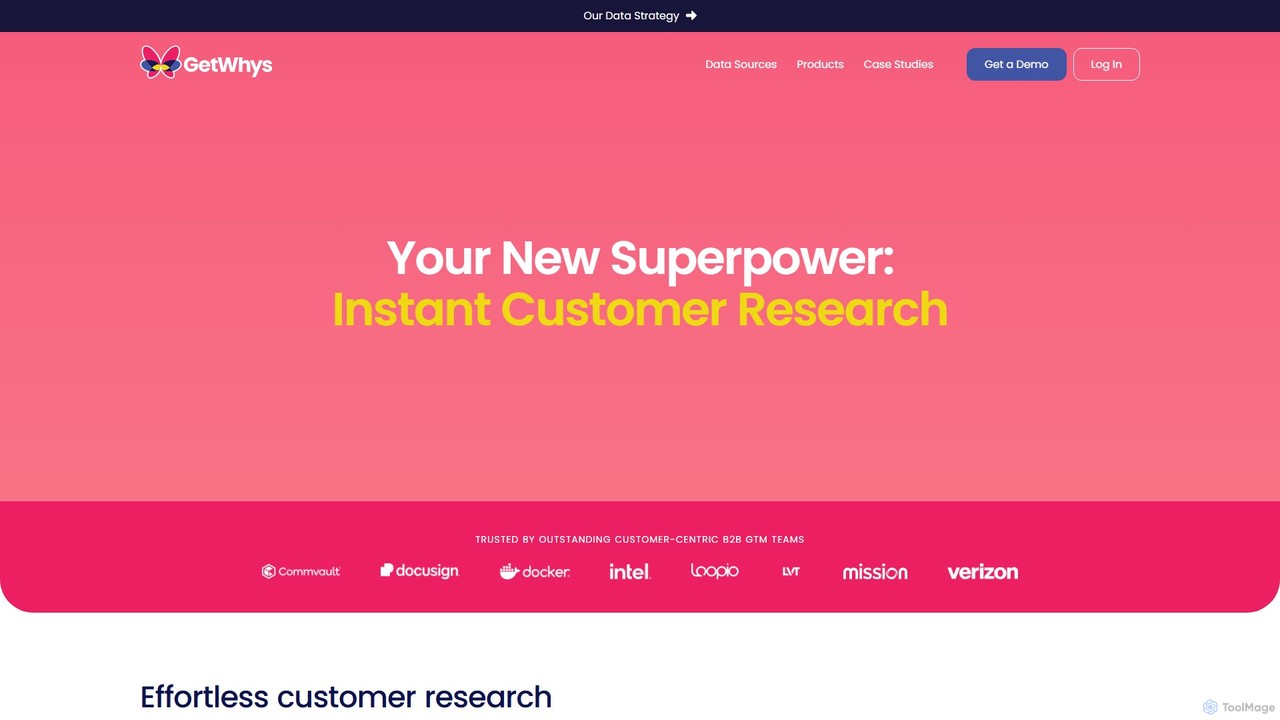
GetWhys

GetWhys

GetWhys is an AI-powered customer research platform for B2B GTM teams. It provides instant insights by combining proprietary …

12.3K
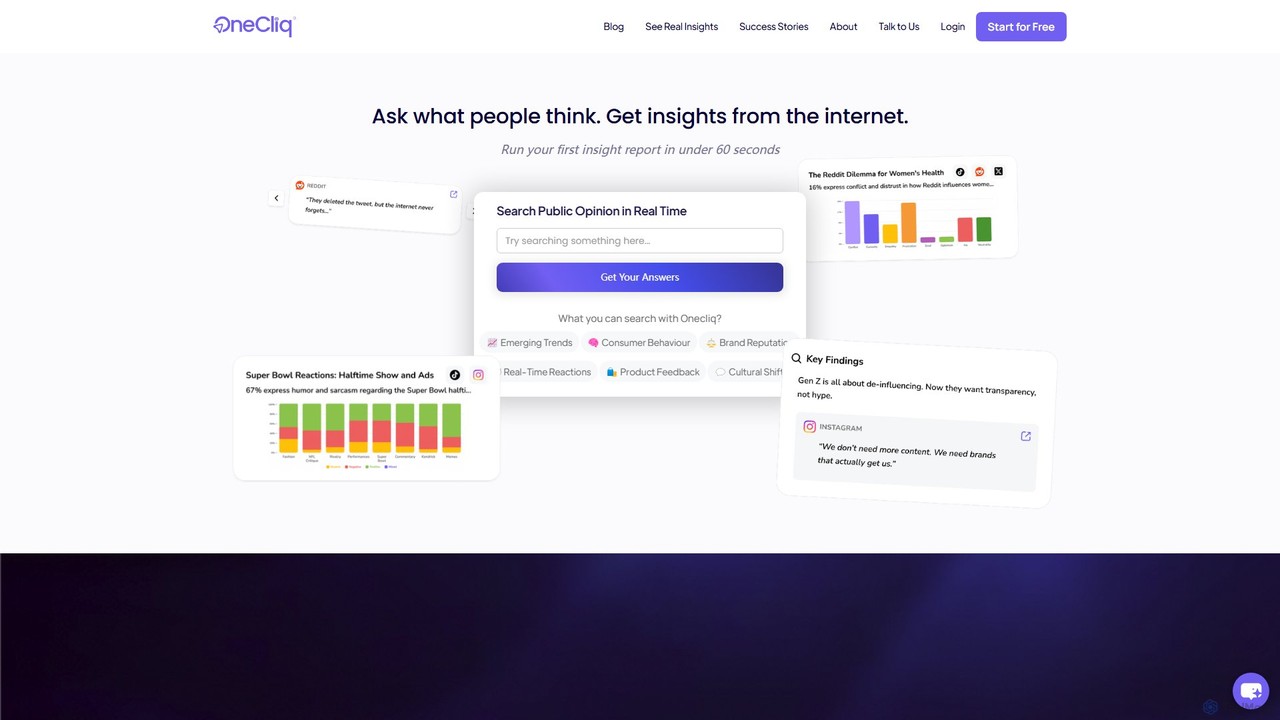
onecliq

onecliq

onecliq is an AI-powered platform that automates qualitative research at scale. It transforms real online conversations into actionable …

4.4K

About Customer Insights

Customer Insights tools are AI-powered platforms designed to analyze vast amounts of customer data, revealing patterns, preferences, and behaviors. These tools leverage machine learning and natural language processing to transform raw data from various sources into actionable intelligence. They enable businesses to deeply understand their audience, personalize experiences, and make data-driven decisions across marketing, sales, and product development. By automating complex data analysis, they provide a comprehensive view of the customer journey and market dynamics.

Core Features

  • Sentiment Analysis: Automatically detects and interprets emotional tones in customer feedback, reviews, and social media mentions.
  • Behavioral Segmentation: Groups customers based on their actions, purchase history, and engagement patterns to identify distinct segments.
  • Predictive Analytics: Forecasts future customer behavior, such as churn risk, purchase likelihood, and lifetime value.
  • Journey Mapping: Visualizes and analyzes customer interactions across all touchpoints to identify pain points and optimization opportunities.
  • Market Trend Identification: Scans external data sources to spot emerging trends and shifts in consumer preferences.

Applicable Scenarios

Businesses across retail, e-commerce, finance, and SaaS sectors utilize Customer Insights tools to gain a competitive edge. Marketing teams use them to craft highly targeted campaigns, while product managers leverage insights to prioritize features based on user demand. Customer service departments analyze feedback to improve support quality, and sales teams identify high-potential leads and personalize outreach strategies.

How to Choose

When selecting a Customer Insights tool, consider its data integration capabilities with your existing CRM, ERP, and marketing platforms. Evaluate the depth and breadth of its analytical features, including predictive modeling and real-time reporting. Assess the user interface for ease of use and the level of customization offered for dashboards and reports. Finally, compare pricing models and ensure the solution scales with your business needs and data volume.

Customer InsightsUse Cases

1

Personalizing Marketing Campaigns for Higher Engagement

Marketing teams use AI Customer Insights tools to analyze customer demographics, purchase history, and online behavior. By segmenting audiences based on these insights, they can create highly personalized email campaigns, targeted ads, and content recommendations. This leads to increased click-through rates, higher conversion rates, and a stronger return on investment for marketing efforts, moving beyond generic messaging to truly resonate with individual customers.

2

Identifying Customer Pain Points for Product Improvement

Product development teams leverage Customer Insights tools to aggregate and analyze feedback from surveys, reviews, support tickets, and social media. The AI identifies recurring issues, feature requests, and sentiment trends, pinpointing specific pain points or unmet needs. This data-driven approach allows product managers to prioritize development efforts, design new features that directly address user demands, and ultimately build products that better satisfy the market.

3

Predicting Customer Churn and Proactive Retention

Businesses employ AI Customer Insights to monitor customer engagement, usage patterns, and satisfaction scores. The tools use predictive analytics to identify customers at risk of churning before they leave. By understanding the specific behaviors or events that precede churn, companies can implement proactive retention strategies, such as personalized offers, targeted support, or early intervention from customer success teams, significantly reducing customer attrition.

4

Optimizing Customer Service and Support Efficiency

Customer service departments utilize these tools to analyze interaction data from calls, chats, and emails, including sentiment and common queries. AI identifies frequently asked questions, areas of frustration, and agent performance trends. This allows for the optimization of knowledge bases, automation of responses for common issues, and training of support staff on critical topics, leading to faster resolution times, improved customer satisfaction, and reduced operational costs.

5

Uncovering Emerging Market Trends and Opportunities

Market analysts and strategists use Customer Insights tools to scan vast external data sources, including social media, news, forums, and competitor activities. The AI identifies emerging consumer preferences, shifts in market demand, and new competitive landscapes. This foresight enables businesses to adapt their strategies, launch innovative products or services ahead of competitors, and capitalize on new market opportunities, ensuring long-term relevance and growth.

6

Enhancing Sales Strategies and Lead Prioritization

Sales teams integrate Customer Insights tools with their CRM to enrich lead profiles and understand prospect behavior. The AI analyzes engagement with marketing materials, website visits, and demographic data to score leads and identify high-potential accounts. This allows sales representatives to prioritize their efforts on the most promising leads, personalize their outreach messages, and tailor their sales pitches to specific customer needs, resulting in higher conversion rates and shorter sales cycles.

Customer InsightsFrequently Asked Questions