Jurny
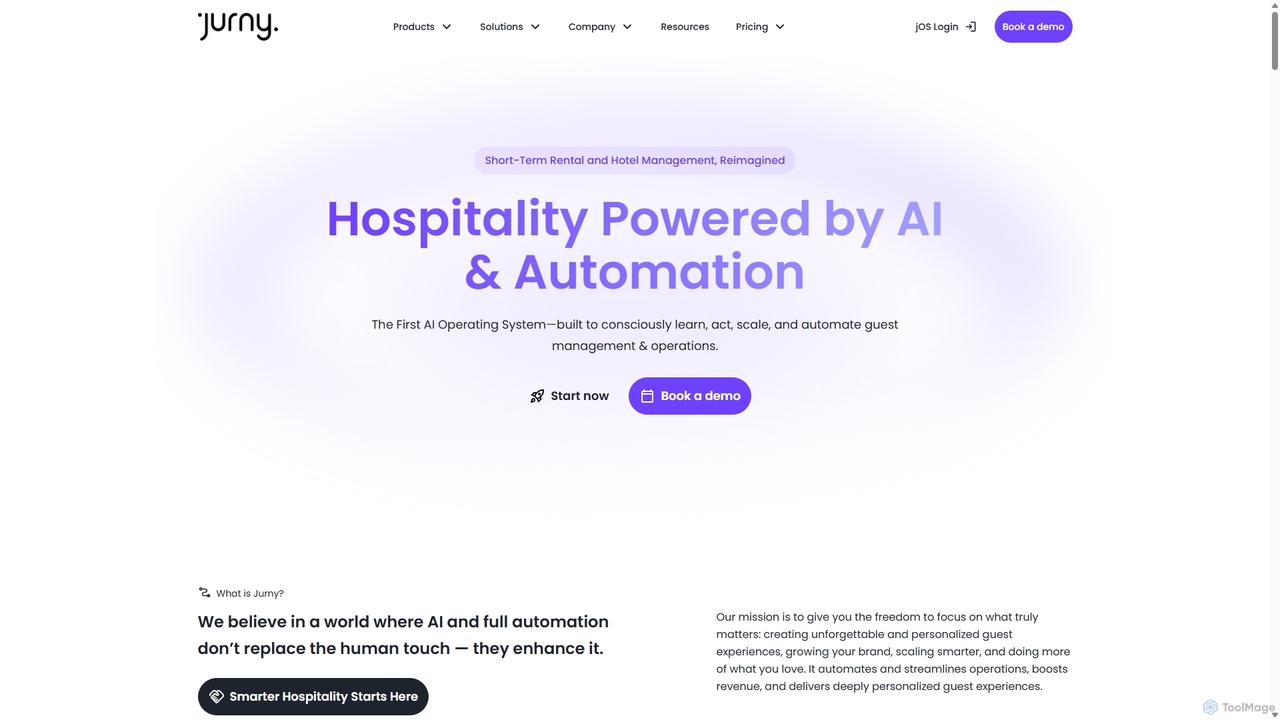
Jurny is an AI-powered, all-in-one hospitality management platform for short-term rentals and hotels. It uses a network of …
Jurny is an AI-powered, all-in-one hospitality management platform for short-term rentals and hotels. It uses a network of intelligent AI agents (NIA) to automate guest communication, streamline operations, manage bookings across 90+ channels, and enhance guest experiences. The platform unifies property management, channel management, and guest services to save time, reduce overhead, and boost revenue for property managers and hosts.
Stayflexi
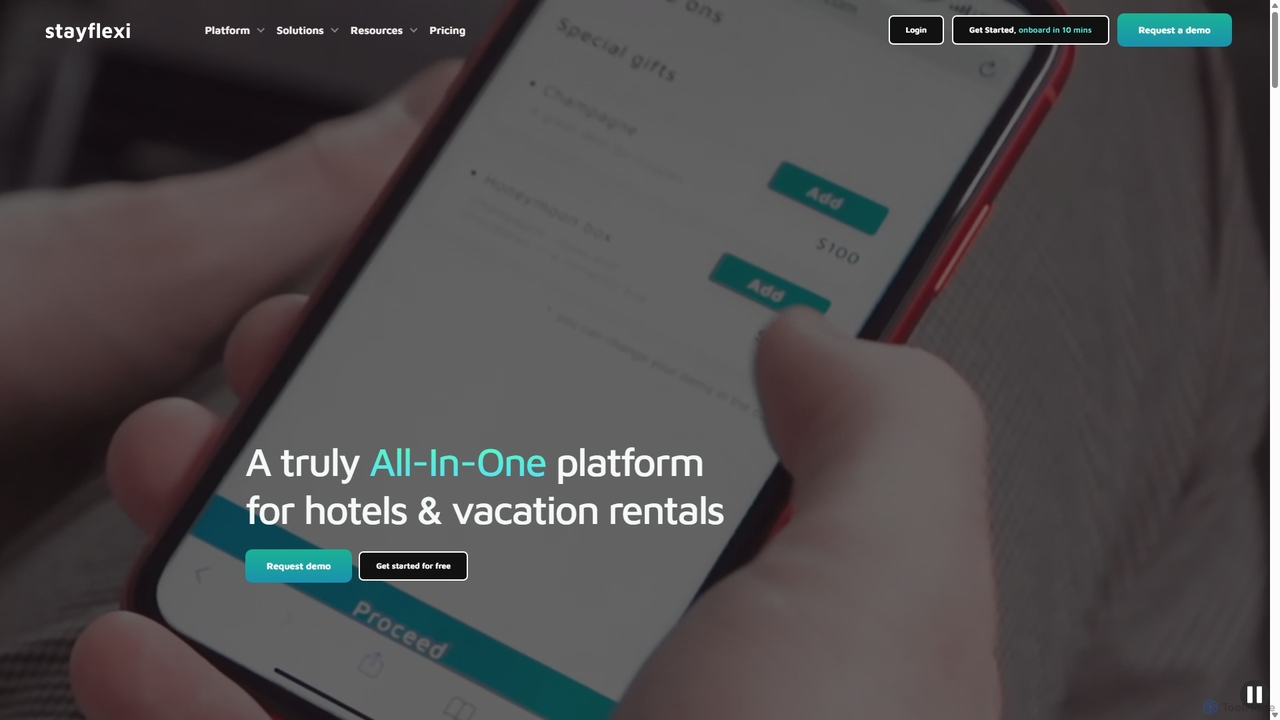
Stayflexi is an all-in-one, AI-powered platform for hotels and vacation rentals. It streamlines operations by combining a Property …
Stayflexi is an all-in-one, AI-powered platform for hotels and vacation rentals. It streamlines operations by combining a Property Management System (PMS), Channel Manager, Booking Engine, and revenue management tools. Designed for various property types, it automates the entire guest journey from booking to check-out, helping businesses increase efficiency, maximize revenue, and enhance the guest experience through a single, integrated solution.
About Hospitality Management
AI Hospitality Management tools are specialized platforms designed to optimize hotel, resort, and restaurant operations. They leverage machine learning, natural language processing, and predictive analytics to automate tasks, personalize guest experiences, and increase revenue. These tools analyze vast amounts of data—from booking patterns to guest reviews—to provide actionable insights for improving service quality and operational efficiency. This data-driven approach helps hospitality businesses stay competitive by anticipating market trends and guest needs.
Core Features
- Dynamic Pricing: Automatically adjusts room rates and menu prices based on demand, seasonality, and competitor data.
- Guest Sentiment Analysis: Analyzes online reviews and feedback to gauge guest satisfaction and identify areas for improvement.
- AI-Powered Concierge: Provides 24/7 automated guest support, answering queries, making recommendations, and handling bookings.
- Predictive Maintenance: Forecasts equipment failures in facilities like HVAC or elevators, enabling proactive maintenance scheduling.
- Revenue Management Automation: Optimizes inventory allocation and pricing strategies across different distribution channels to maximize profitability.
Applicable Scenarios
These tools are essential for hotel managers, revenue managers, restaurant owners, and guest service teams. They are applied in various settings, from large hotel chains and luxury resorts to boutique hotels and independent restaurants, to streamline daily operations and enhance strategic decision-making.
Selection Criteria
When selecting a tool, consider its integration capabilities with your existing Property Management System (PMS) and booking engines. Evaluate the scope of its features—whether you need a comprehensive suite or a specialized tool for pricing or guest communication. Also, assess the platform's scalability to grow with your business and the quality of customer support provided.
Hospitality ManagementUse Cases
Automate Dynamic Room Pricing
A revenue manager for a city hotel uses an AI tool to continuously analyze market demand, competitor pricing, local events, and historical booking data. The system automatically adjusts room rates in real-time across all booking channels, maximizing occupancy and revenue per available room (RevPAR). This eliminates hours of manual analysis and ensures pricing is always optimized, even during sudden demand shifts.
Enhance Guest Experience with an AI Concierge
A luxury resort implements an AI-powered chatbot integrated with its mobile app and in-room tablets. Guests can ask questions, request room service, book spa appointments, or get local recommendations 24/7 without human intervention. The AI learns from interactions to offer personalized suggestions, freeing up front-desk staff to handle more complex guest needs and creating a seamless, modern service experience.
Proactively Manage Online Reputation
A marketing manager for a hotel chain uses an AI tool to monitor and analyze guest reviews from platforms like TripAdvisor, Google, and OTAs. The system categorizes feedback by sentiment (positive, negative, neutral) and topic (cleanliness, staff, amenities). This allows the manager to quickly identify recurring issues, respond to reviews efficiently with AI-suggested templates, and share actionable insights with operational teams to improve service quality.
Optimize Restaurant Staffing and Inventory
A restaurant owner employs an AI platform that forecasts daily customer traffic based on historical sales data, weather patterns, and local events. The tool recommends optimal staffing levels to avoid overstaffing or understaffing, reducing labor costs. It also predicts demand for specific menu items, helping the kitchen manage inventory more effectively, minimize food waste, and ensure popular dishes are always available.
Implement Predictive Maintenance for Facilities
A facilities manager at a large resort uses an AI system connected to sensors on critical equipment like HVAC units and elevators. The AI analyzes performance data to predict potential failures before they occur. It automatically creates work orders and schedules maintenance during low-occupancy periods, preventing unexpected breakdowns that could disrupt the guest experience and lead to costly emergency repairs.
Personalize Marketing Campaigns and Offers
A hotel's marketing team uses an AI-driven CRM to segment guests based on their past booking history, spending habits, and preferences. The tool identifies high-value guests and automates the delivery of personalized email campaigns with exclusive offers, such as a discount on a preferred room type or a complimentary spa treatment. This targeted approach significantly increases repeat bookings and guest loyalty.