Business Best in category 2 results Insurance AI Tool

Popular AI tools in the Insurance field of Business include Overjet、vbots, etc., helping you quickly improve efficiency.

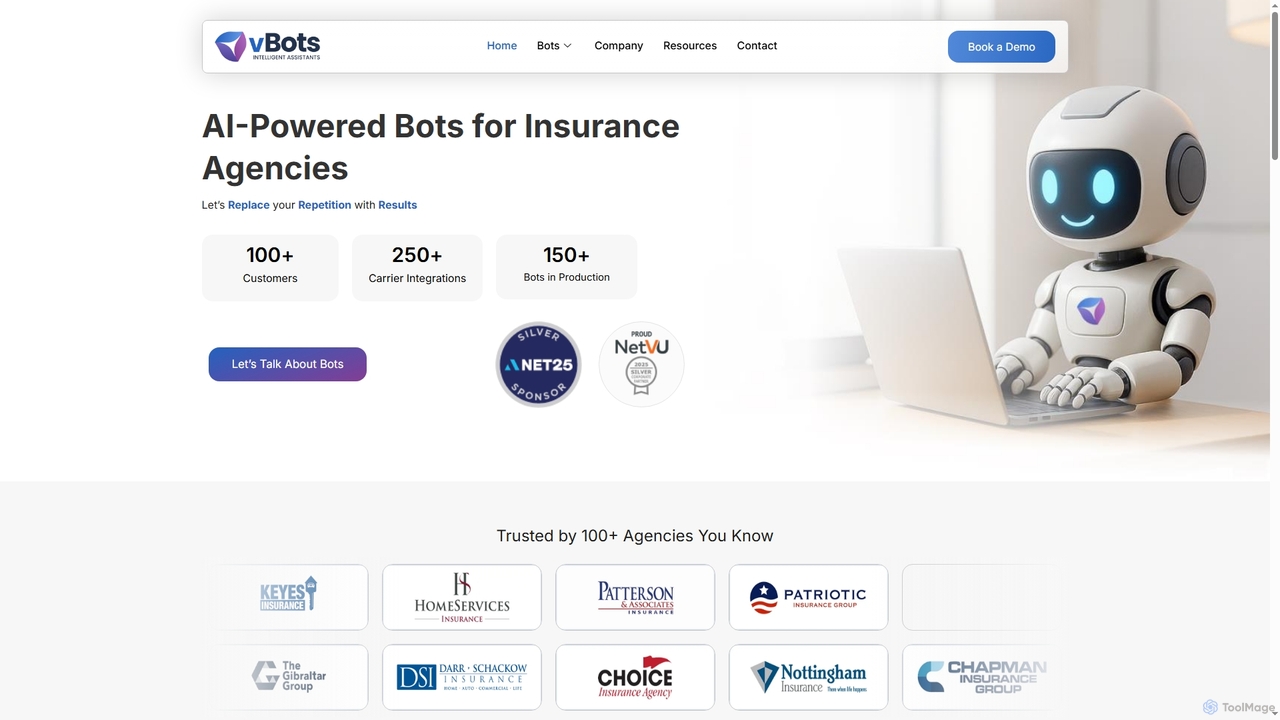
vbots

vbots

vbots provides AI-powered automation bots specifically designed for insurance agencies. It automates repetitive, mundane tasks such as policy …

3.7K
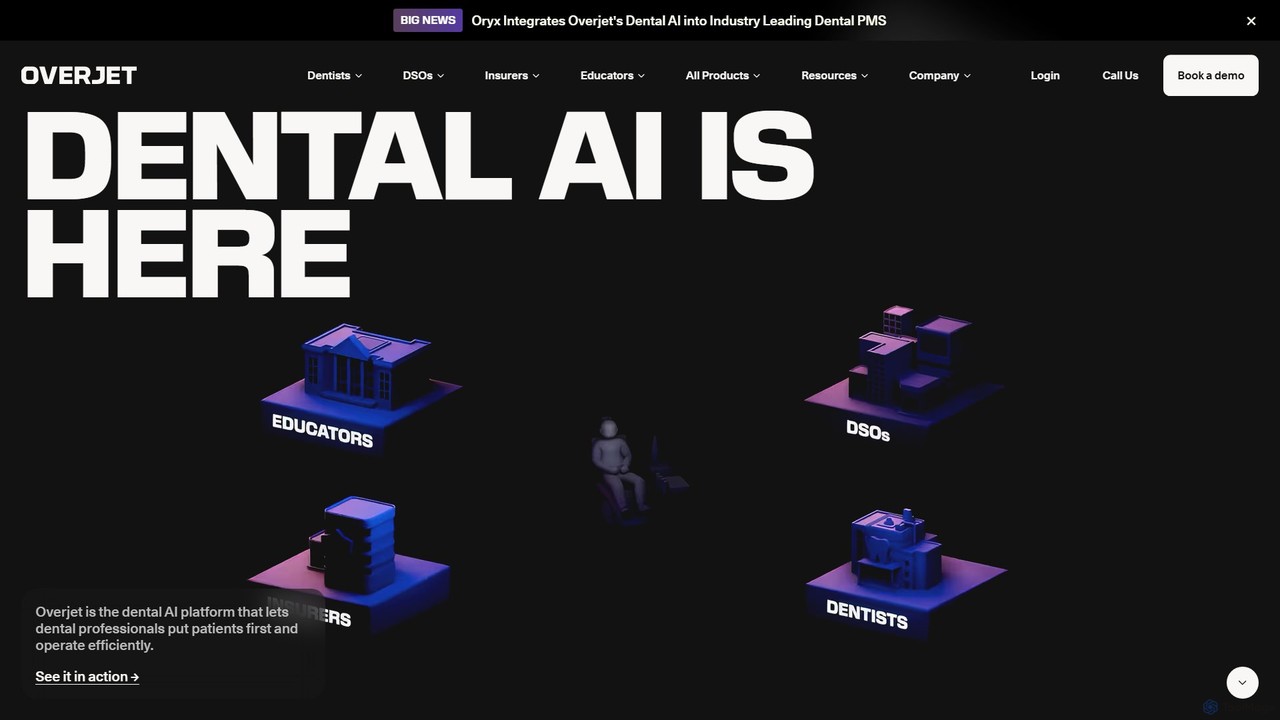
Overjet

Overjet

Overjet is the leading AI platform for dentistry, empowering providers and payers to enhance patient care. It utilizes …

59.0K

About Insurance

AI-powered Insurance tools are specialized solutions within the broader business technology landscape that leverage artificial intelligence to transform various aspects of the insurance industry. These tools utilize machine learning, natural language processing, and advanced analytics to automate processes, enhance decision-making, and personalize customer experiences. They are designed to improve efficiency, accuracy, and profitability for insurers while offering more tailored and responsive services to policyholders.

Core Features

  • Automated Claims Processing: Expedites claim assessment and settlement through AI-driven analysis of documentation and incident reports.
  • Personalized Underwriting: Uses vast datasets to assess individual risk profiles more accurately, enabling customized policy pricing and terms.
  • Fraud Detection: Identifies suspicious patterns and anomalies in claims data to flag potential fraudulent activities.
  • Customer Service Chatbots: Provides instant support, answers policy questions, and guides users through processes 24/7.
  • Dynamic Risk Assessment: Continuously monitors and analyzes external data sources to provide real-time risk insights for portfolios.

Applicable Scenarios

Insurance companies, brokers, and adjusters utilize these tools to streamline operations and gain competitive advantages. For instance, claims departments deploy AI for rapid damage assessment and payout calculations, significantly reducing processing times. Underwriting teams leverage AI to analyze complex risk factors, leading to more precise policy offerings and improved profitability. Marketing departments use AI to segment customers and offer highly personalized insurance products.

How to Choose

When selecting AI insurance tools, consider the specific business challenges you aim to solve, such as claims efficiency or risk assessment accuracy. Evaluate the tool's integration capabilities with existing legacy systems, its scalability to handle growing data volumes, and the vendor's expertise in both AI and insurance. Prioritize solutions with robust data security features and clear ROI potential, ensuring they align with regulatory compliance and your long-term strategic goals.

InsuranceUse Cases

1

Streamlining Claims Processing with AI

Insurance adjusters can use AI tools to rapidly analyze incident reports, photos, and medical records, automating initial claim assessments. This significantly reduces manual review time, identifies discrepancies faster, and accelerates payout approvals, allowing adjusters to focus on complex cases and improving customer satisfaction through quicker resolutions.

2

Enhancing Underwriting Accuracy and Speed

Underwriting teams leverage AI to process vast amounts of applicant data, including credit scores, health records, and behavioral patterns, in real-time. This enables more precise risk profiling and personalized premium calculations, leading to fairer pricing for customers and reduced exposure to high-risk policies for insurers, ultimately boosting profitability.

3

Proactive Fraud Detection and Prevention

Fraud investigators deploy AI systems to continuously monitor claims data for unusual patterns, anomalies, and suspicious connections that human analysts might miss. The AI can flag high-risk claims for further investigation, significantly improving the detection rate of fraudulent activities and preventing substantial financial losses for insurance providers.

4

Delivering Personalized Insurance Recommendations

Insurance agents and brokers utilize AI to analyze customer demographics, past purchasing behavior, and lifestyle data to recommend highly personalized insurance products. This approach helps match customers with policies that truly meet their needs, increasing conversion rates and customer loyalty by offering relevant and timely solutions.

5

Automating Customer Service and Support

Insurance companies implement AI-powered chatbots and virtual assistants to handle routine customer inquiries 24/7, such as policy information requests, claim status updates, and FAQ answers. This reduces the workload on human agents, provides instant support to policyholders, and improves overall service accessibility and efficiency.

6

Dynamic Risk Monitoring for Commercial Portfolios

Commercial insurers use AI to continuously analyze external data sources like weather patterns, economic indicators, and geopolitical events in relation to their policy portfolios. This allows for dynamic risk assessment and proactive adjustments to coverage or pricing, helping businesses mitigate emerging threats and ensuring policies remain relevant and competitive.

InsuranceFrequently Asked Questions