Business Best in category 2 results Knowledge Management AI Tool

Popular AI tools in the Knowledge Management field of Business include Doco、Hana, etc., helping you quickly improve efficiency.

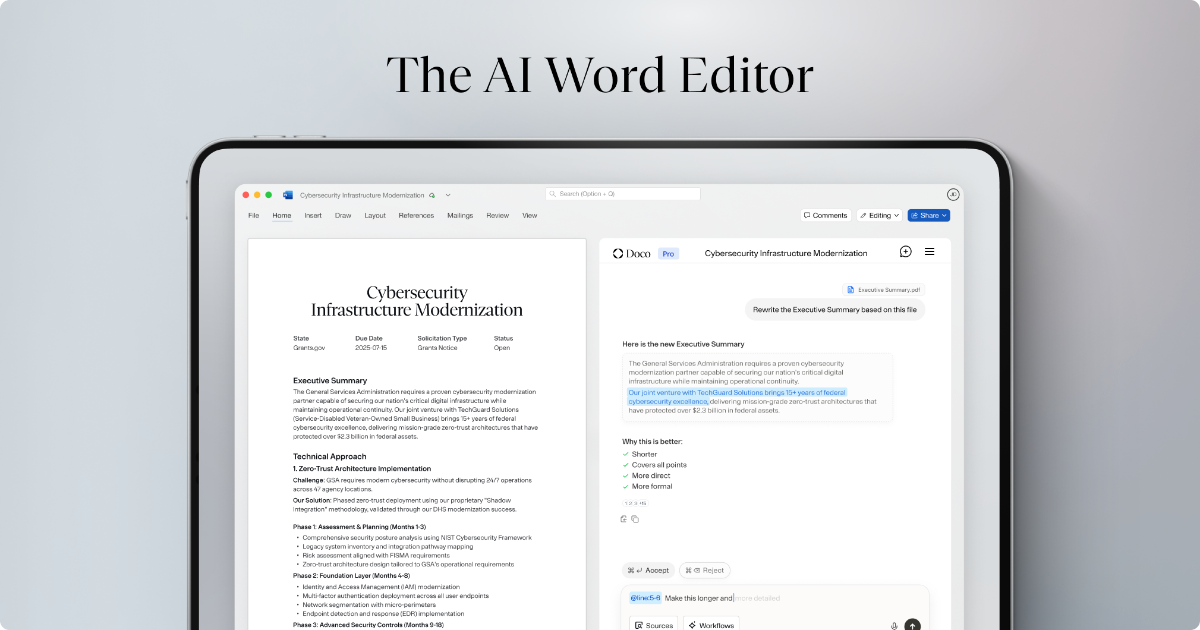
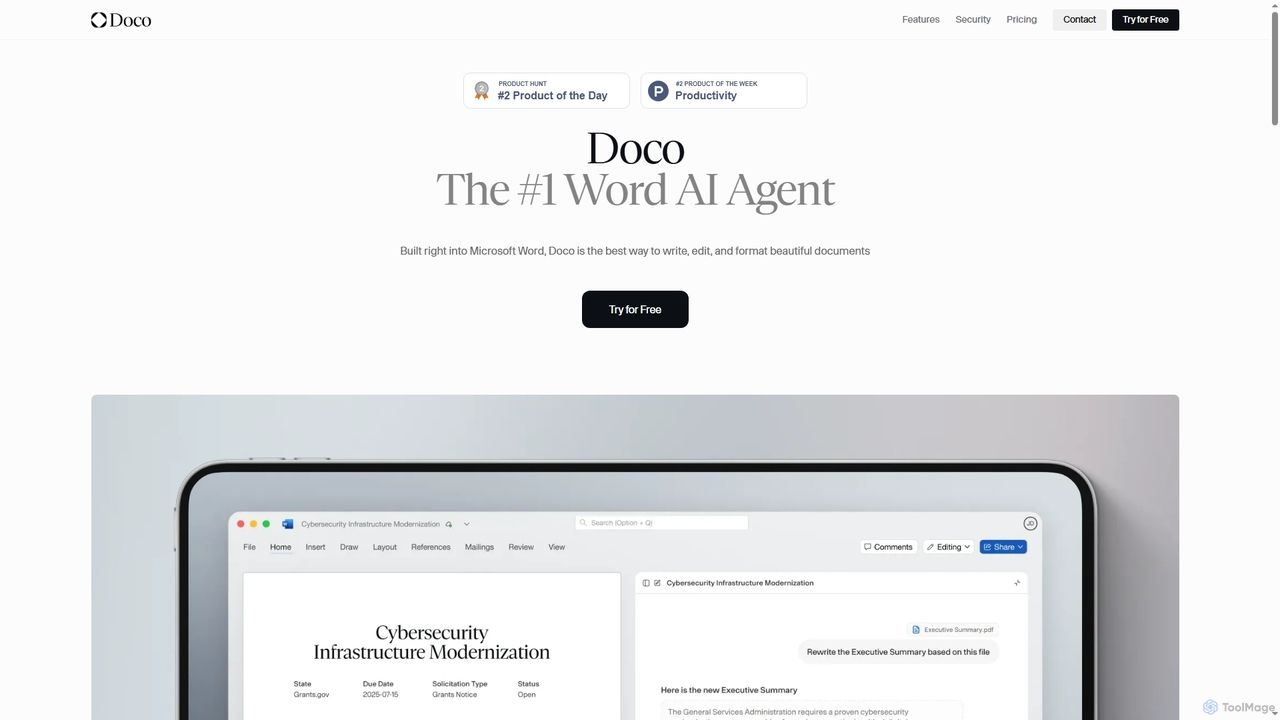
Doco

Doco

Doco is an AI agent that integrates directly into Microsoft Word, leveraging your existing data and knowledge base …

4.3K
Hana

Hana

Hana is an advanced AI assistant for Google Chat, designed to enhance team productivity. It automates tasks, manages …

4.2K

About Knowledge Management

AI Knowledge Management tools are intelligent systems designed to capture, organize, and retrieve an organization's collective information. They leverage artificial intelligence, particularly Natural Language Processing (NLP), to understand the context and meaning within documents, conversations, and data. This allows teams to move beyond simple keyword searches and find precise answers, discover hidden connections, and make data-driven decisions more efficiently. These tools are a crucial component of modern business operations, transforming scattered information into a centralized, accessible asset.

Core Features

  • Semantic Search: Finds relevant information based on conceptual meaning and user intent, not just exact keyword matches.
  • Automated Content Tagging: AI automatically analyzes and applies relevant tags and categories to documents, saving manual effort.
  • Natural Language Q&A: Allows users to ask questions in plain language and receive direct answers synthesized from the knowledge base.
  • Knowledge Graph Visualization: Maps and displays the relationships between different pieces of information, people, and topics.
  • Content Ingestion from Multiple Sources: Connects to and indexes data from various platforms like Slack, Google Drive, and Confluence.

Use Cases

These tools are widely adopted by customer support teams to power help centers, R&D departments to manage research findings, and large enterprises to create a single source of truth. They are also invaluable for consulting firms to leverage past project knowledge and for HR departments to streamline employee onboarding and internal training.

How to Choose

When selecting an AI Knowledge Management tool, consider its integration capabilities with your existing software stack. Evaluate the accuracy and speed of its search and Q&A features. Assess the user interface for ease of use across non-technical teams, and scrutinize the security protocols and access control options to protect sensitive information.

Knowledge ManagementUse Cases

1

Build a Centralized Internal Wiki

An HR manager or team lead can use an AI Knowledge Management tool to create a dynamic internal wiki. Instead of static folders, the system ingests all company policies, SOPs, and onboarding materials. New hires can ask direct questions like "What are the expense reporting guidelines?" and receive instant, accurate answers compiled from official documents. This significantly accelerates the onboarding process, reduces repetitive inquiries to senior staff, and ensures all employees have access to consistent, up-to-date information.

2

Automate Customer Support Knowledge Base

For customer support teams, these tools act as a super-powered knowledge base. The AI ingests all historical support tickets, help articles, and product documentation. When a new ticket arrives, the system can automatically suggest relevant solutions to the support agent, drastically reducing research time. Furthermore, this knowledge base can power a public-facing chatbot, allowing customers to find answers to common questions 24/7 without needing to speak to an agent, improving customer satisfaction and team efficiency.

3

Accelerate R&D and Innovation

In R&D departments, knowledge silos can hinder progress. An AI Knowledge Management tool centralizes all research papers, experimental data, and lab notes. A scientist can use semantic search to find past projects related to a new hypothesis, even if they use different terminology. The knowledge graph can reveal unexpected connections between different research areas, sparking new ideas and preventing the team from unintentionally repeating past work, thus accelerating the innovation cycle.

4

Empower Sales Teams with Real-Time Information

Sales representatives need quick access to the latest product information, competitor analysis, and case studies to be effective. An AI Knowledge Management platform serves as a single source of truth for all sales collateral. Before a client call, a salesperson can ask, "Show me case studies for the finance industry" or "What are our key advantages over Competitor X?" The system provides concise summaries and links to relevant materials, ensuring the sales team is always equipped with the most persuasive and accurate information.

5

Streamline Legal and Compliance Document Review

Legal and compliance teams manage vast volumes of complex documents like contracts and regulations. An AI Knowledge Management tool can automate the tedious process of review and analysis. It can automatically classify documents, extract key clauses, identify potential risks, and track important dates. Using natural language search, a lawyer can quickly find all contracts containing a specific non-compete clause, a task that would otherwise take hours of manual reading, thereby improving accuracy and mitigating risk.

6

Leverage Collective Intelligence in Consulting

Consulting firms sell expertise, and their collective knowledge is their greatest asset. These tools capture and organize insights from thousands of past projects, including proposals, deliverables, and expert notes. When starting a new client engagement, a consultant can quickly search for similar projects to find proven frameworks, templates, and internal experts on the topic. This practice prevents "reinventing the wheel," improves the quality and consistency of client work, and helps new consultants get up to speed faster.

Knowledge ManagementFrequently Asked Questions