Business Best in category 1 results Legal Compliance AI Tool

Popular AI tools in the Legal Compliance field of Business include LegesGPT, etc., helping you quickly improve efficiency.

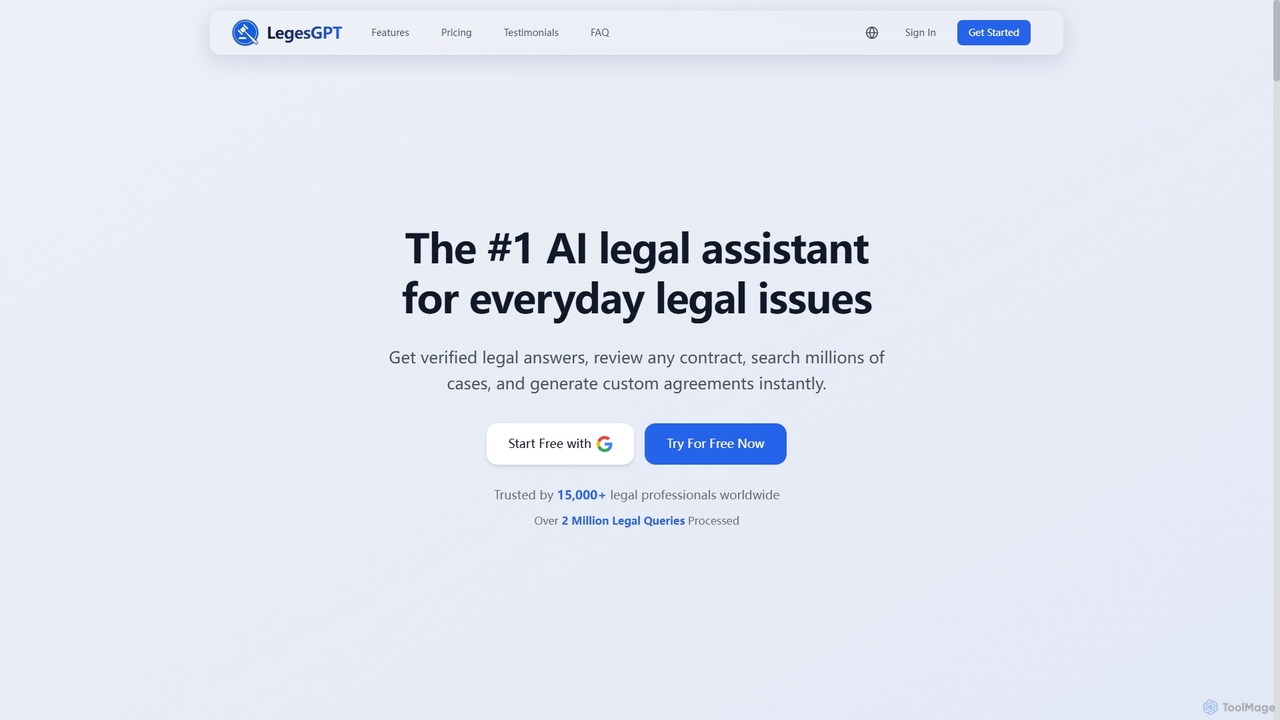
LegesGPT

LegesGPT

LegesGPT is an advanced AI legal assistant platform designed for legal professionals, business owners, and individuals. It provides …

10.7K

About Legal Compliance

Legal Compliance AI tools are specialized software solutions that leverage artificial intelligence to automate, streamline, and enhance adherence to laws, regulations, and internal policies. These tools utilize advanced natural language processing and machine learning to analyze vast amounts of legal text, identify risks, and monitor regulatory changes. They empower businesses within the broader Business category to proactively manage legal obligations, reduce human error, and mitigate potential penalties.

Core Features

  • Regulatory Monitoring: Automatically track changes in laws and regulations across jurisdictions, alerting users to potential impacts.
  • Contract Analysis: Review legal documents for specific clauses, compliance risks, and adherence to internal policies.
  • Data Privacy Management: Assist in managing personal data according to regulations like GDPR, CCPA, including data mapping and consent tracking.
  • Risk Assessment & Reporting: Identify potential compliance gaps and generate detailed reports for internal audits and external regulators.
  • Policy Enforcement: Help ensure internal policies are consistently applied and followed across the organization.

Use Cases

Legal departments use these tools to quickly review thousands of contracts for specific compliance clauses, ensuring all agreements meet regulatory standards before execution. Financial institutions deploy them to monitor global anti-money laundering (AML) regulations, flagging suspicious transactions and ensuring adherence to Know Your Customer (KYC) protocols.

How to Choose

When selecting Legal Compliance AI tools, consider the specific regulatory frameworks they cover (e.g., GDPR, HIPAA, SOX) and their accuracy in identifying relevant information. Evaluate integration capabilities with your existing legal, HR, or financial systems, and assess the robustness of their reporting and audit trail features. User-friendliness for legal professionals and data security protocols are also crucial.

Legal ComplianceUse Cases

1

Automating Contract Compliance Review

Legal teams in large enterprises face the daunting task of reviewing thousands of contracts for compliance with internal policies and external regulations. AI tools can rapidly scan, analyze, and flag non-compliant clauses, missing terms, or potential risks in contracts, reducing manual review time by up to 70% and ensuring consistent adherence to legal standards before signing.

2

Monitoring Global Regulatory Changes

Multinational corporations must stay abreast of ever-evolving laws across various jurisdictions. Legal Compliance AI tools continuously monitor legislative databases, news feeds, and regulatory updates worldwide. They alert compliance officers to relevant changes, summarize their potential impact, and help update internal policies, ensuring proactive adaptation and avoiding costly non-compliance penalties.

3

Ensuring Data Privacy Regulation Adherence

Data protection officers (DPOs) and privacy teams utilize AI to manage compliance with regulations like GDPR, CCPA, and LGPD. These tools can map data flows, identify personal identifiable information (PII), manage consent records, and automate data subject access requests (DSARs), significantly simplifying the complex task of maintaining data privacy and avoiding hefty fines.

4

Streamlining Anti-Money Laundering (AML) Compliance

Financial institutions leverage AI for enhanced AML and Know Your Customer (KYC) processes. AI tools analyze transaction patterns, customer data, and public records to detect suspicious activities, identify high-risk entities, and automate due diligence checks. This reduces false positives, accelerates investigation times, and strengthens defenses against financial crime, ensuring strict regulatory compliance.

5

Facilitating E-discovery and Litigation Support

During litigation, legal professionals must review vast volumes of electronic documents for relevance and privilege. AI-powered e-discovery tools can quickly process, categorize, and identify key documents, emails, and communications. They reduce the time and cost associated with manual review, improve accuracy in identifying critical evidence, and ensure compliance with discovery obligations.

6

Managing Industry-Specific Compliance (e.g., Healthcare HIPAA)

Healthcare organizations use AI to ensure compliance with regulations like HIPAA (Health Insurance Portability and Accountability Act). These tools help manage patient data privacy, secure electronic health records (EHRs), monitor access logs for anomalies, and automate compliance audits. This ensures sensitive patient information is protected and regulatory standards are consistently met.

Legal ComplianceFrequently Asked Questions