ToolMage
Sign in

Best 11 Legal Research AI tools for Legal

Popular Legal Research AI tools in Legal include Yuandian, Predictice, Traverse Legal, LegesGPT, Caseway, V-lawyer, Precedent, Proseai, The Precedent, and Advomate, helping you work more efficiently.

Proseai
Freemium

Proseai

Proseai is an AI-powered legal assistant specifically designed for Florida law. It empowers pro se litigants to draft professional legal documents, conduct case law research, and navigate the court system, helping to save significantly on traditional lawyer fees.

Document Generation
Visits 6.7KFavorites 132Likes 114

LegesGPT
Freemium

LegesGPT

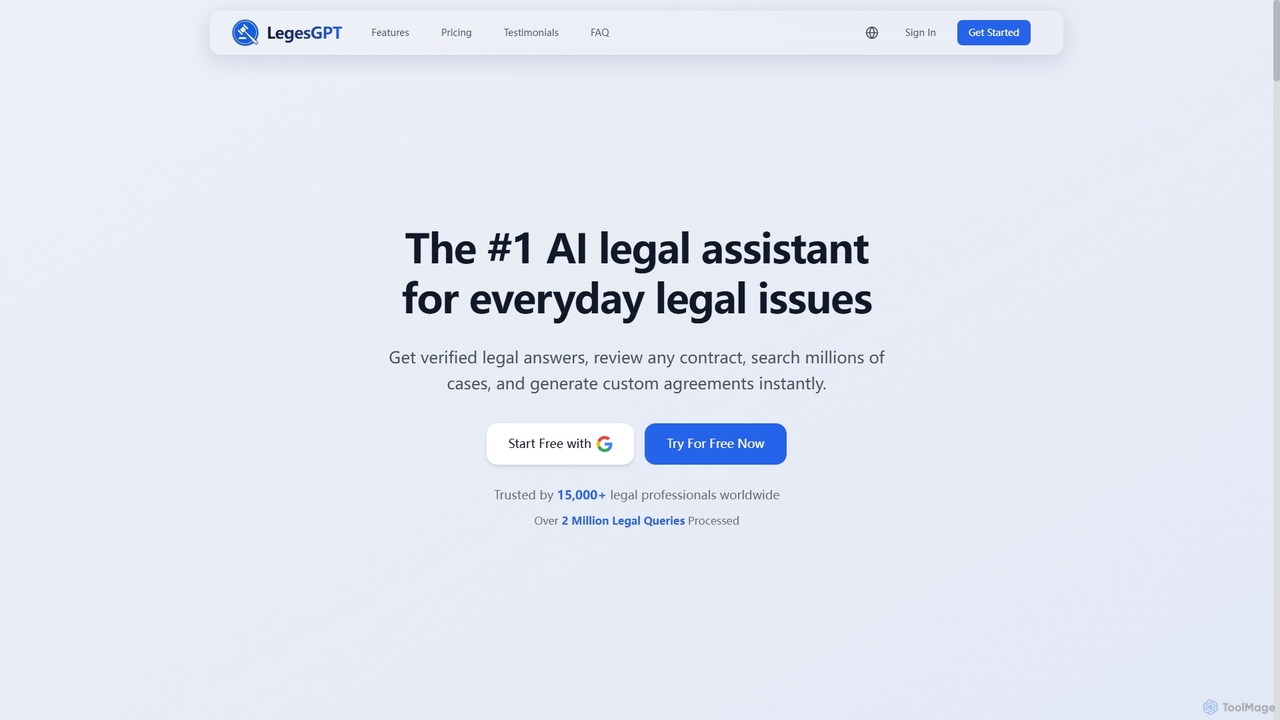
LegesGPT is an advanced AI legal assistant platform designed for legal professionals, business owners, and individuals. It provides verified legal answers, comprehensive contract review, extensive case law research, and instant generation of custom legal agreements across 38+ jurisdictions.

Legal Compliance
Visits 12.1KFavorites 161Likes 153
V-lawyer
Freemium

V-lawyer

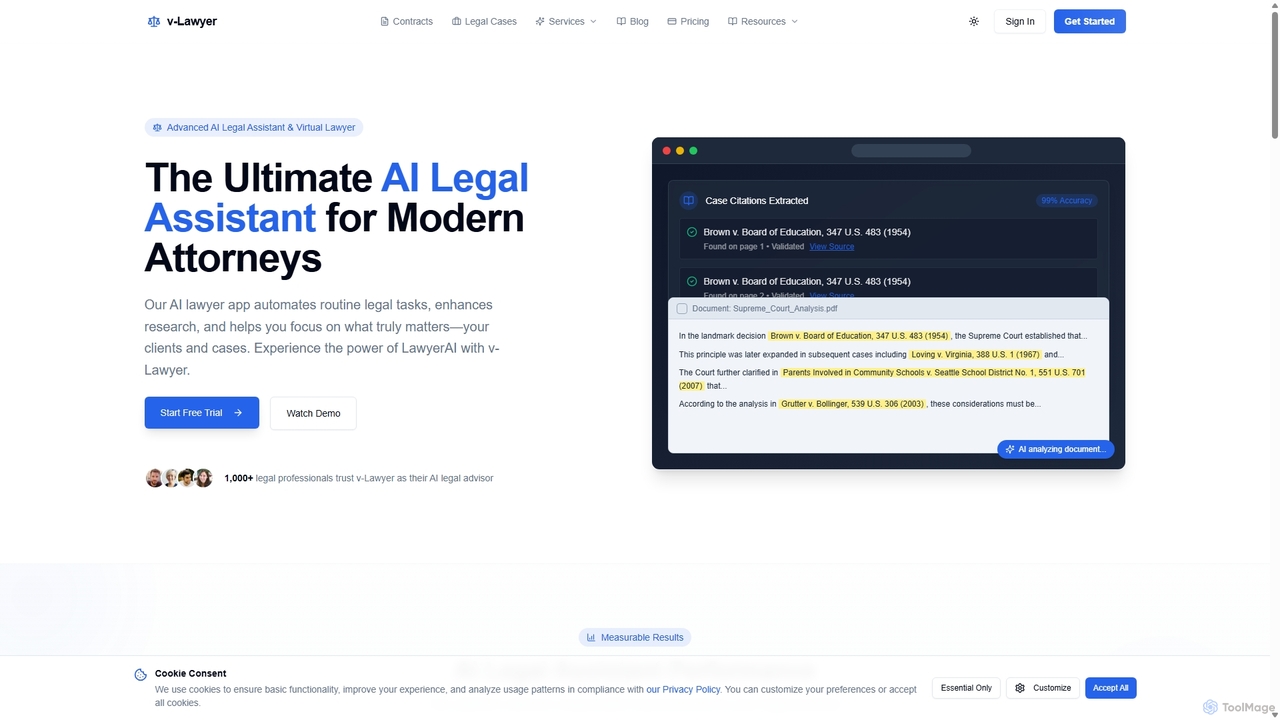
V-lawyer is an advanced AI legal assistant designed for modern attorneys and legal professionals. It automates routine tasks like legal research and citation extraction, analyzes case law to provide deep insights, and generates legal documents, saving up to 85% of research time and significantly boosting productivity.

Contract Management
Visits 8.3KFavorites 129Likes 130
Predictice
Paid

Predictice

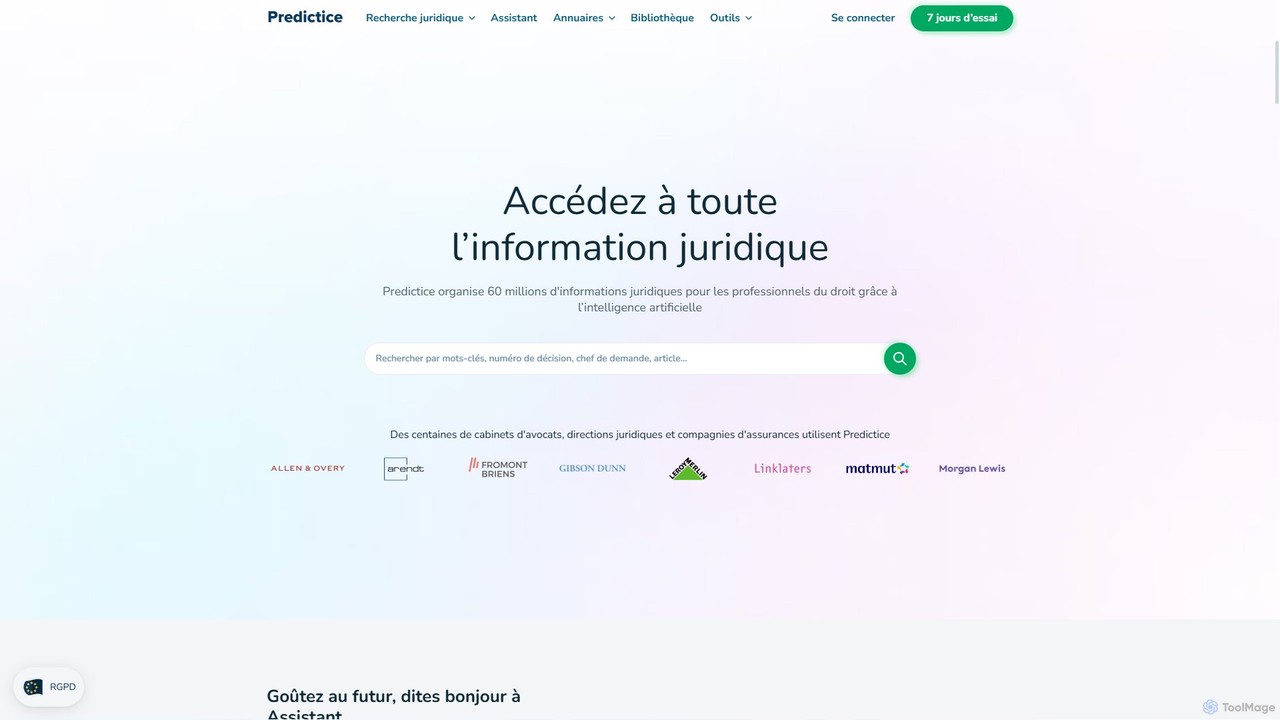
Predictice is an AI-powered legal intelligence platform for legal professionals. It combines a vast database of over 60 million legal documents with a generative AI assistant to streamline legal research, analyze case law, predict litigation outcomes, and automate document drafting. It offers powerful tools for statistical analysis, document scanning, and personalized legal monitoring, all within a secure, user-friendly environment.

Data Analysis
Visits 27.7KFavorites 180Likes 153
Caseway
Freemium

Caseway

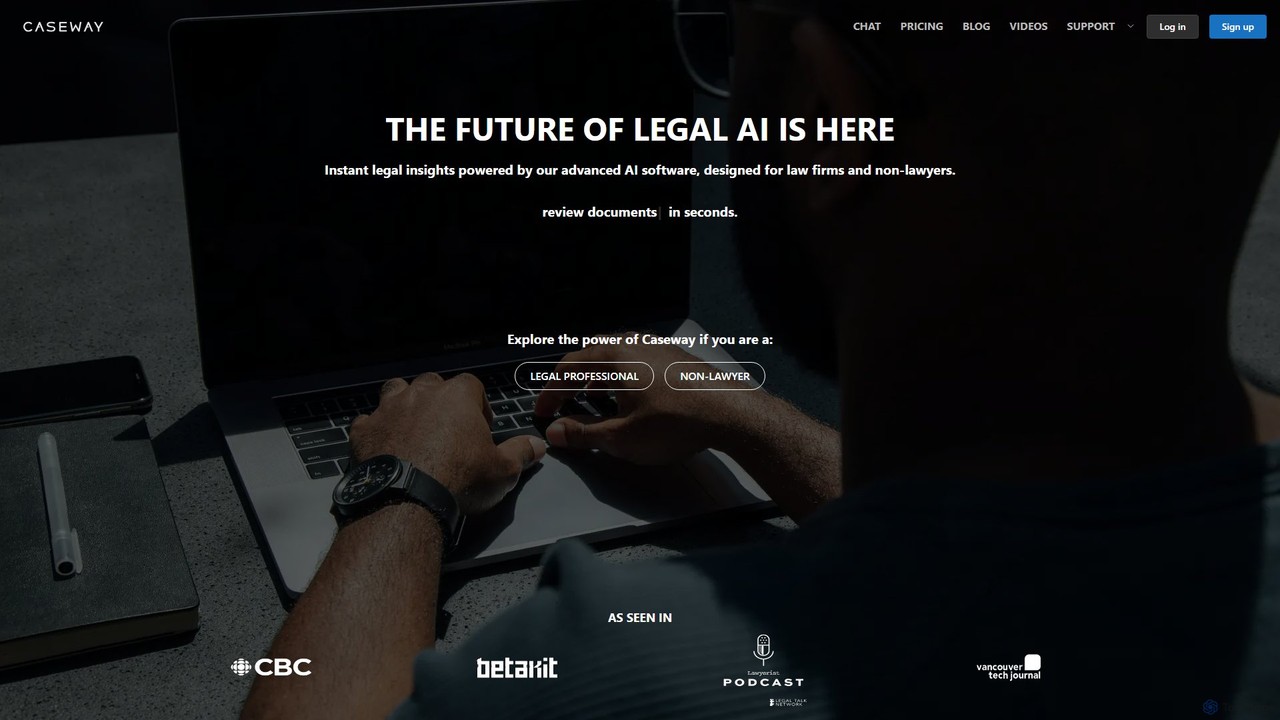
Caseway is an advanced AI legal research assistant designed for both legal professionals and non-lawyers. It instantly searches over 100 million court decisions to provide accurate, cited answers, helping users draft documents, review contracts, and make informed legal decisions with confidence, speed, and enhanced efficiency.

Compliance
Visits 11.2KFavorites 140Likes 160
Precedent
Freemium

Precedent

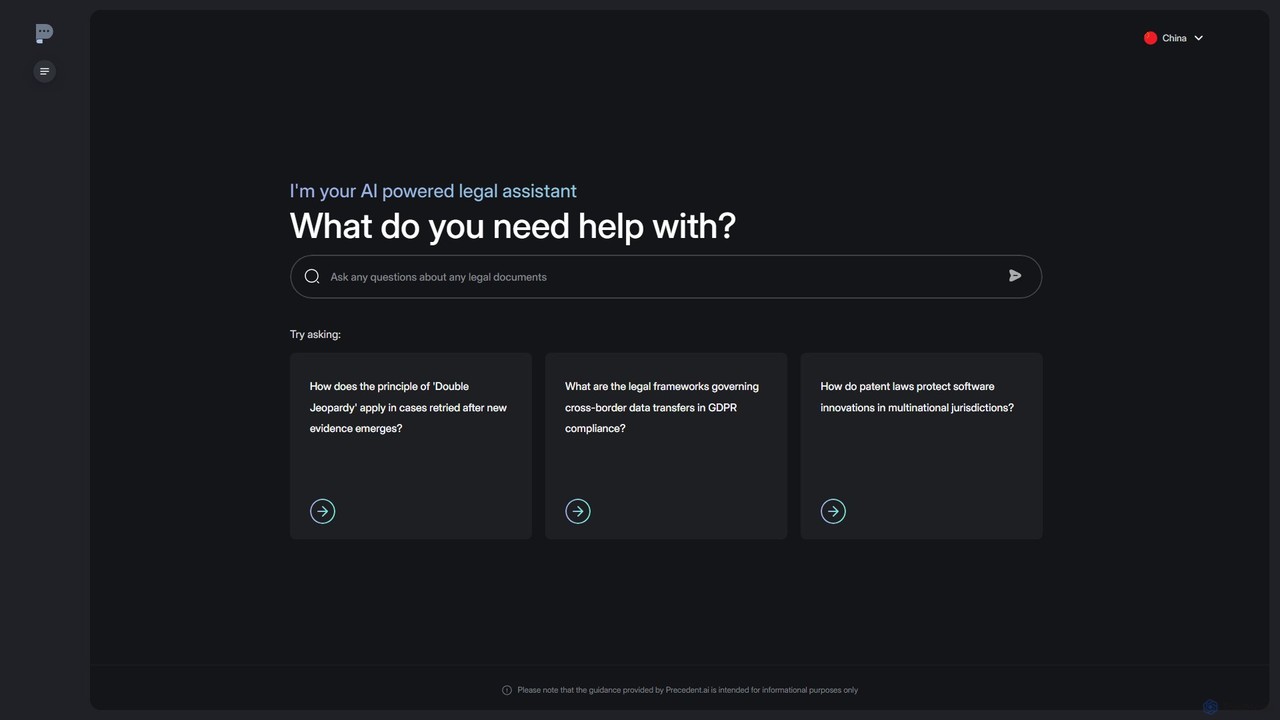
Precedent is an AI-powered legal assistant designed to streamline and accelerate legal research. It allows legal professionals to ask complex legal questions in natural language and receive synthesized, accurate answers supported by relevant case law and statutes, covering various jurisdictions and legal domains.

Compliance
Visits 8KFavorites 136Likes 143
Traverse Legal
Freemium

Traverse Legal

Traverse Legal is an AI-powered platform designed for legal professionals, offering advanced tools for legal research, document analysis, and contract review. It streamlines workflows, enhances accuracy, and provides data-driven insights to law firms and corporate legal departments, significantly reducing time spent on manual tasks.

Contract Management
Visits 19.6KFavorites 144Likes 121
Advomate
Freemium

Advomate

Advomate is an AI-powered platform designed for legal professionals to automate and streamline their workflow. It offers rapid legal research, in-depth document analysis with an interactive chat, and a user-friendly search engine for laws and case law. The tool aims to save lawyers time and money by efficiently handling complex legal tasks.

Case Management
Visits 6KFavorites 148Likes 131
Yuandian
Freemium

Yuandian

Yuandian is an AI-powered legal search engine and knowledge platform focused on Chinese law. It integrates vast legal resources, including statutes, case law, and corporate data, offering intelligent search, knowledge graph recommendations, and personalized analysis for legal professionals.

Compliance
Visits 28.2KFavorites 153Likes 151
Legal Data
Freemium

Legal Data

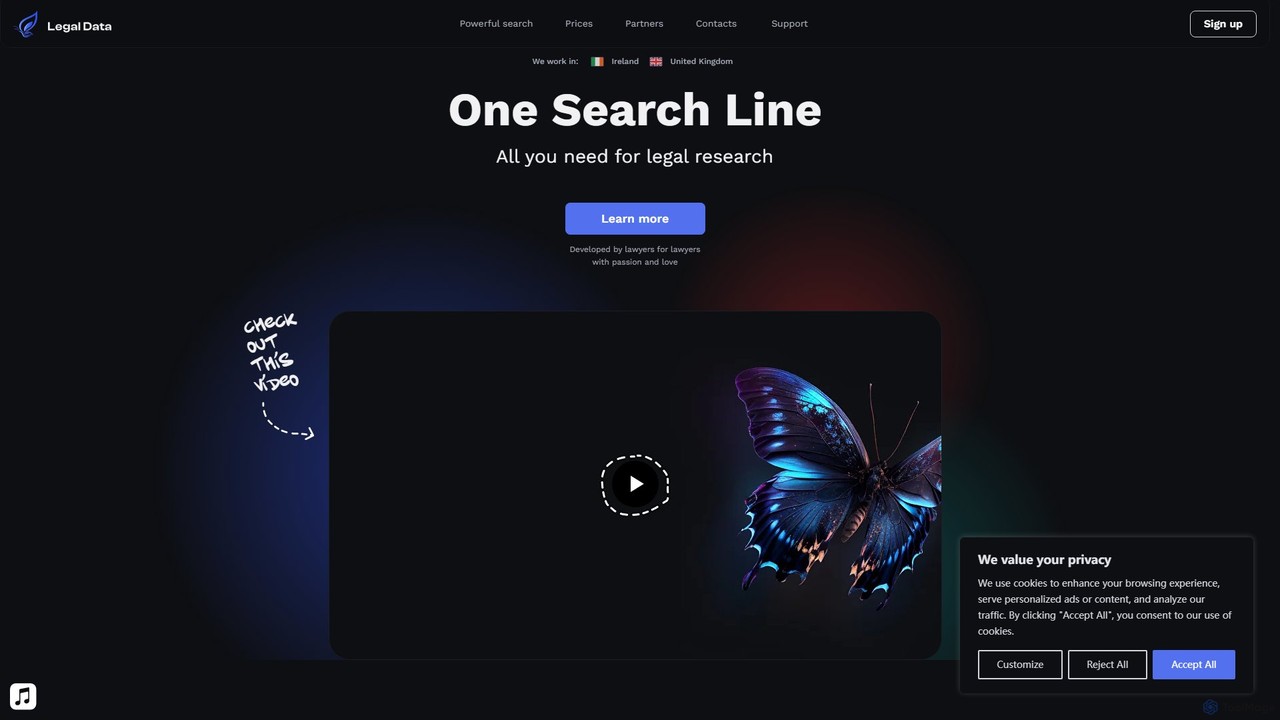
Legal Data is an AI-powered legal research platform designed by lawyers for lawyers. It features a unified smart search for cases and laws, a proprietary AI assistant (FlyBot) trained on verified legal data, and a professional directory for lawyers. Initially focused on UK and Irish law, it streamlines legal workflows, provides accurate, citable answers, and helps legal professionals connect.

Networking
Visits 5.8KFavorites 139Likes 114
The Precedent
Paid

The Precedent

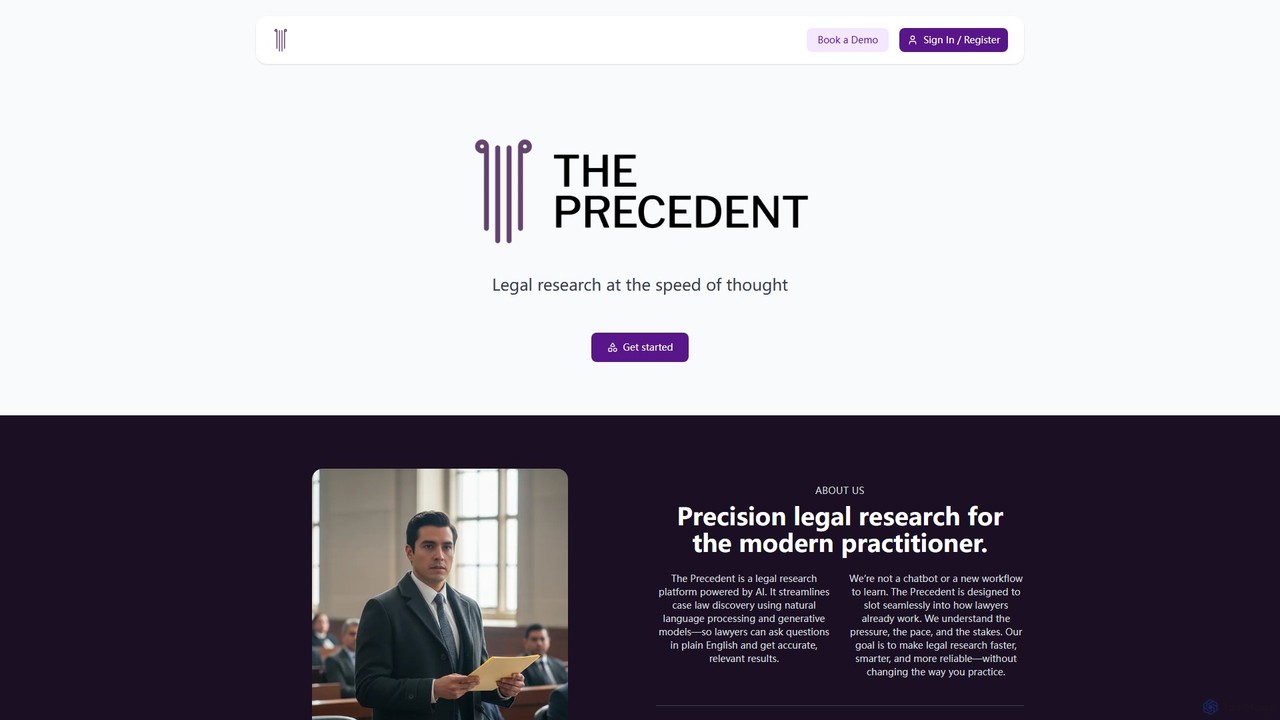
The Precedent is an AI-powered legal research platform designed for modern legal practitioners. It leverages natural language processing and generative AI to streamline case law discovery. Lawyers can ask complex legal questions in plain English and receive highly accurate, relevant results in seconds, significantly reducing research time and costs. It's built to seamlessly integrate into existing legal workflows without a steep learning curve.

Legal Services
Visits 6.7KFavorites 166Likes 155

About Legal Research

AI Legal Research tools are specialized platforms that use natural language processing (NLP) and machine learning to analyze vast legal databases. These tools go beyond simple keyword matching, understanding legal concepts and context to find the most relevant case law, statutes, and scholarly articles. They empower legal professionals to conduct comprehensive research faster, uncover critical precedents, and build stronger arguments. By automating the tedious aspects of research, these platforms allow lawyers and paralegals to focus on high-level strategy and analysis.

Core Features

  • Semantic Search: Finds documents based on legal concepts and intent, not just exact keywords, yielding more relevant results.
  • Case Law Analysis: Identifies key precedents, tracks citation history (e.g., positive or negative treatment), and visualizes case relationships.
  • Automated Summarization: Generates concise summaries of lengthy judgments, contracts, or legal articles to speed up review.
  • Argument Extraction: Pinpoints and isolates key legal arguments, holdings, and reasoning within judicial opinions.
  • Jurisdictional Filtering: Allows users to narrow searches to specific courts, regions, or legal systems for precise results.

Use Cases

These tools are primarily used by law firms, corporate legal departments, government agencies, and academic institutions. Legal professionals leverage them for case preparation, discovering supporting or opposing precedents, conducting due diligence for corporate transactions, and ensuring regulatory compliance. Academics and law students also use them for in-depth doctrinal research and literature reviews.

How to Choose

When selecting an AI Legal Research tool, consider the comprehensiveness and currency of its legal database and its jurisdictional coverage. Evaluate the accuracy and sophistication of its semantic search and case analysis features. Also, assess its integration capabilities with existing case management software and ensure it meets stringent data security and confidentiality standards required in the legal field.

Featured tool rankings

Legal Research use cases

1

Accelerating Case Preparation for Litigation

A litigation attorney preparing for a summary judgment motion uses an AI Legal Research tool to quickly identify pivotal case law. Instead of spending days with keyword searches, they input a summary of their legal argument. The AI analyzes the query's context and returns a ranked list of the most relevant precedents from their jurisdiction, including cases that interpret a specific statute. It also flags cases that have been overturned or criticized, preventing reliance on weak authorities and saving dozens of hours of manual research time.

2

Streamlining Corporate Due Diligence

During a merger and acquisition, an in-house legal team needs to review thousands of documents for potential risks. They use an AI Legal Research tool to scan contracts, board minutes, and regulatory filings. The tool is trained to identify specific clauses related to liability, change of control, or intellectual property. It flags non-standard language and potential compliance issues, presenting a summarized report to the legal team. This process reduces the review time from weeks to days and minimizes the risk of human error in a high-stakes transaction.

3

Enhancing Academic Legal Research

A law professor researching the evolution of a complex legal doctrine uses an AI tool to map its historical development. They input a seminal case, and the AI generates a visual timeline of all subsequent cases that have cited, interpreted, or modified its ruling. This allows the professor to quickly identify key turning points and divergent interpretations across different circuits. The tool's ability to analyze scholarly articles alongside case law also helps in building a comprehensive literature review, uncovering novel arguments and academic debates efficiently.

4

Monitoring Legislative and Regulatory Changes

A compliance officer at a financial institution is responsible for tracking new regulations. They set up alerts in an AI Legal Research tool for specific keywords and topics related to their industry, such as 'anti-money laundering' or 'data privacy'. The tool continuously scans legislative updates, regulatory notices, and court decisions. When a relevant change is detected, it sends an automated notification with a summary and a link to the source document. This proactive approach ensures the institution remains compliant and avoids potential fines, replacing a manual and often delayed monitoring process.

5

Validating Legal Citations in Briefs

A paralegal is finalizing a legal brief for court submission. They use an AI tool's citation checker feature to verify every case cited. The tool automatically checks if each case is still considered 'good law' by analyzing its subsequent treatment in other court decisions. It flags any citations that have been negatively treated (e.g., overruled or questioned). This automated process is significantly faster and more comprehensive than manual verification, ensuring the brief's integrity and bolstering the firm's credibility before the court.

6

Conducting Comparative Law Analysis

A legal scholar is writing a paper on data privacy laws across North America. They use an AI Legal Research tool to compare statutes and landmark cases from the United States, Canada, and Mexico. The tool's natural language processing capabilities allow them to search using conceptual queries like 'consumer data rights' rather than specific legal terms for each country. It then presents a side-by-side comparison of relevant legal texts and summarizes the key differences and similarities, enabling the scholar to perform a complex, multi-jurisdictional analysis with high efficiency and accuracy.

Legal Research FAQ

What are AI Legal Research tools?

AI Legal Research tools are advanced software platforms designed to help legal professionals find and analyze legal information more efficiently. Unlike traditional databases that rely on keyword searches, these tools use artificial intelligence, particularly natural language processing (NLP), to understand the context and concepts within a legal query. This allows them to deliver more relevant search results, summarize complex documents, analyze case law history, and identify key arguments, significantly speeding up the research process.

How do AI tools differ from traditional legal databases like Westlaw or LexisNexis?

Traditional legal databases are vast digital libraries that primarily function based on keyword and Boolean search logic. AI Legal Research tools represent the next layer of intelligence on top of these databases. Key differences include:

  • Search Method: AI uses semantic, concept-based search, while traditional tools use keyword matching. This means AI can find relevant documents even if they don't contain the exact search terms.
  • Analytical Capabilities: AI tools can analyze search results to identify trends, summarize documents, and map out relationships between cases, features not typically central to traditional platforms.
  • Workflow Integration: Many AI tools are designed to integrate more deeply into a lawyer's workflow, assisting with tasks beyond simple information retrieval.
In essence, traditional databases store the information, while AI tools help you understand and analyze it more effectively.

What are the key features to look for in an AI Legal Research tool?

When evaluating an AI Legal Research tool, focus on features that directly impact research quality and efficiency. Key features include:

  • Jurisdictional Coverage: Ensure the tool's database covers the specific courts, states, or countries relevant to your practice.
  • Semantic Search Quality: Test its ability to understand complex, natural language queries and return highly relevant results.
  • Case Analysis Tools: Look for features that automatically check if a case is still good law (like a citator) and visualize relationships between cases.
  • Data Security and Confidentiality: Verify that the platform adheres to strict security protocols to protect sensitive client information.
  • User Interface and Ease of Use: The tool should be intuitive and easy to navigate to ensure quick adoption and efficient use.

Who can benefit from using AI Legal Research tools?

A wide range of legal and academic professionals can benefit from these tools. Litigators can build stronger cases by quickly finding on-point precedents. Corporate lawyers can accelerate due diligence and contract review. Paralegals and legal assistants can improve their efficiency and provide higher-level support. Government attorneys can stay on top of regulatory changes. Finally, law students and academics can conduct deeper, more comprehensive research for papers and studies, uncovering connections that would be difficult to find manually.

Is the information from AI Legal Research tools reliable for court filings?

AI Legal Research tools are powerful assistants, but they are not a substitute for professional legal judgment. The information and analysis they provide should be viewed as a highly advanced starting point for research. While they can significantly improve accuracy by identifying relevant cases and checking citations, the final responsibility for verifying all information and constructing legal arguments rests with the qualified legal professional. It is critical to use these tools to augment, not replace, human expertise and to always double-check critical information before submitting any documents to a court.