Legal Best in category 4 results Automation AI Tool

Popular AI tools in the Automation field of Legal include herondata、BRYTER、alphamoon、FormVox, etc., helping you quickly improve efficiency.

herondata

herondata

HeronData is an AI-powered platform designed to automate document-heavy workflows for businesses in finance, insurance, and legal sectors. …

34.9K
FormVox

FormVox

FormVox is an AI-powered voice chatbot platform designed for legal professionals to automate inmate interviews. It securely gathers …

128
alphamoon

alphamoon

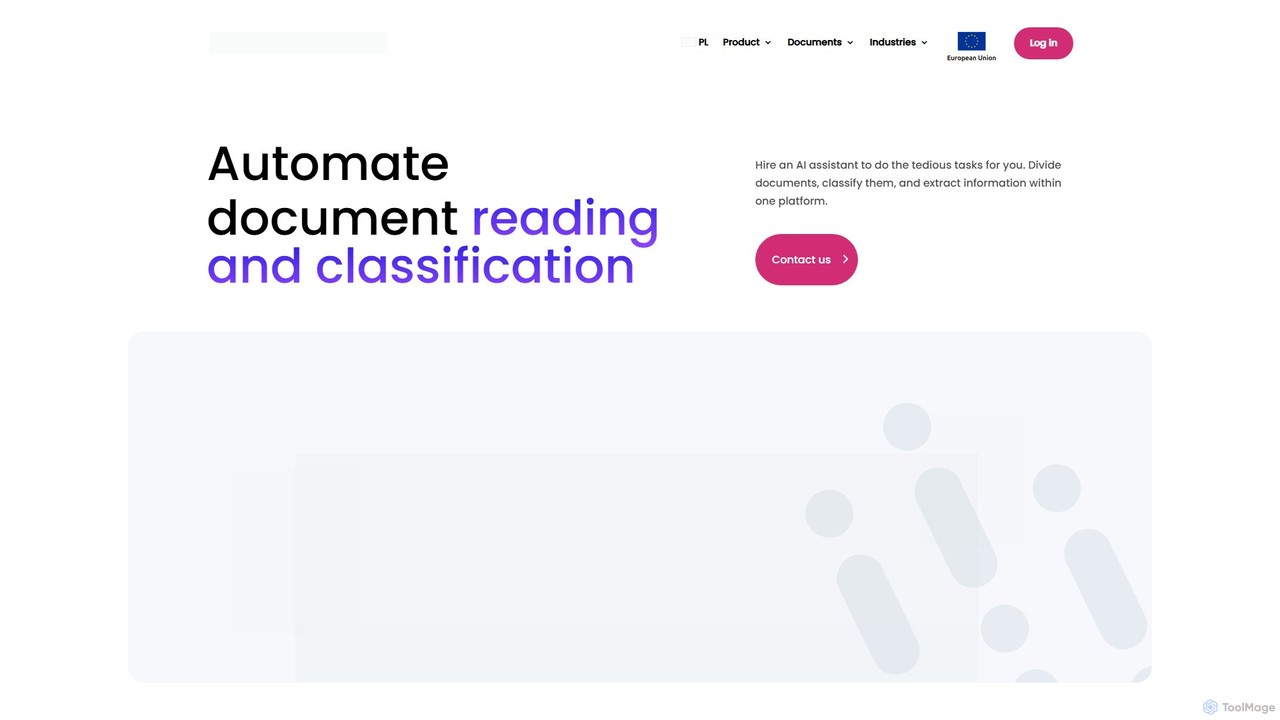
Alphamoon is an AI-powered Intelligent Document Processing (IDP) platform that automates document reading, classification, and data extraction. It …

4.4K
BRYTER

BRYTER

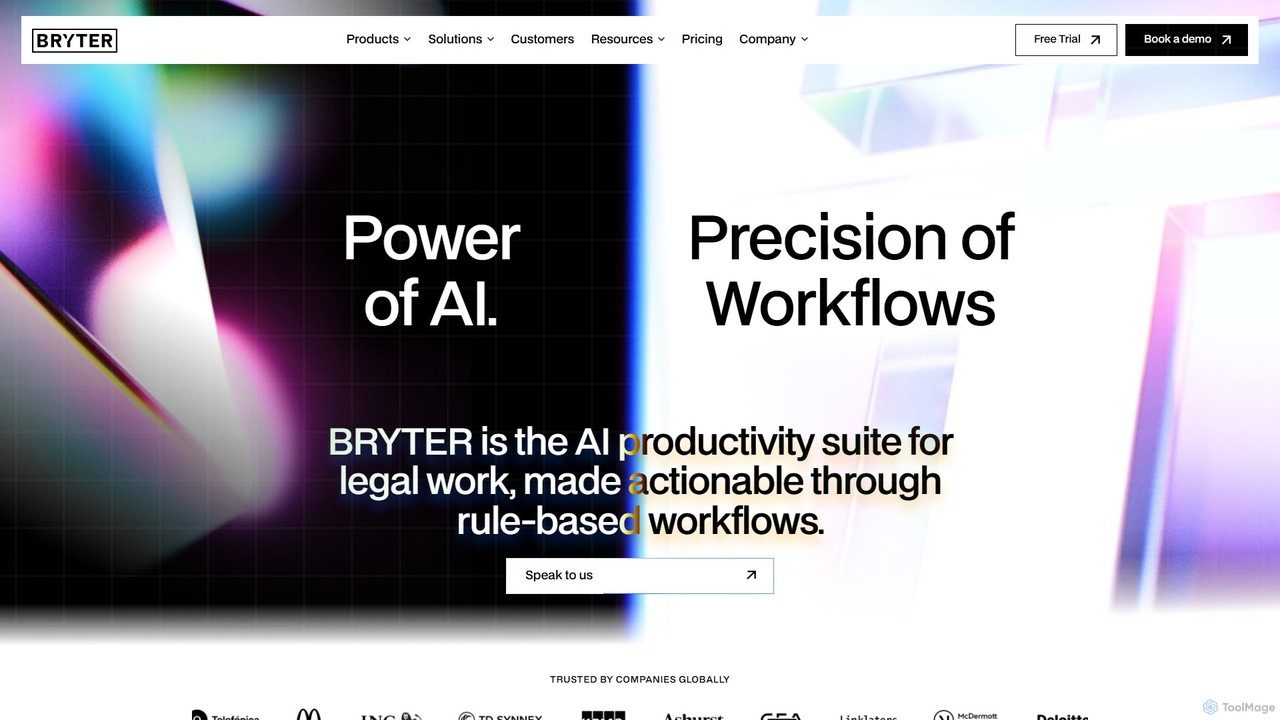
BRYTER is a leading no-code AI platform that enables legal, compliance, and other business professionals to build and …

9.3K

About Automation

Legal Automation refers to AI-powered tools designed to streamline and automate repetitive, data-intensive, and rule-based tasks within the legal industry. These solutions leverage advanced technologies like Natural Language Processing (NLP) and machine learning to process legal documents, conduct research, and manage cases more efficiently. By automating routine legal processes, these tools enhance accuracy, reduce operational costs, and free up legal professionals for more strategic work.

Core Features

  • Document Review & Analysis: AI-driven identification of key clauses, anomalies, and risks in contracts, agreements, and other legal documents.
  • Legal Research Automation: Expedited search and analysis of vast legal databases, precedents, statutes, and regulatory information.
  • E-Discovery Optimization: Streamlining the identification, collection, and review of electronic data relevant to litigation or investigations.
  • Compliance Monitoring: Automated tracking of regulatory changes and assessment of their impact on internal policies and operations.
  • Legal Document Generation: Automated creation of standard legal documents from templates, customized with specific client or case data.

Applicable Scenarios

Legal automation tools are indispensable for law firms, corporate legal departments, and compliance teams. They are used by paralegals for initial document review, by lawyers for rapid legal research, and by compliance officers for continuous regulatory oversight. These tools significantly reduce the manual effort involved in high-volume, repetitive legal tasks.

How to Choose

When selecting legal automation tools, consider their integration capabilities with existing legal tech stacks, the accuracy and training data of their AI models, and their data security protocols. Evaluate the scope of their automation features, user-friendliness, and scalability to ensure they meet your firm's specific needs and growth trajectory. Pricing models and customer support are also crucial factors for long-term adoption.

AutomationUse Cases

1

Automated Contract Review for Corporate Legal Teams

Corporate legal teams face the challenge of reviewing hundreds or thousands of contracts for mergers, acquisitions, or compliance checks. Legal automation tools allow them to upload vast volumes of contracts, and the AI quickly identifies key clauses, potential risks, and non-compliant language. This process significantly reduces the manual review time by up to 70%, ensuring greater accuracy and consistency across all documents.

2

Expedited Legal Research for Litigation Support

Lawyers and paralegals often spend countless hours sifting through legal databases to find relevant case law, statutes, and scholarly articles for litigation. Legal automation tools with advanced search and NLP capabilities can process complex legal queries, identify highly relevant precedents, and summarize key findings in minutes. This dramatically accelerates the research phase, allowing legal professionals to build stronger cases faster.

3

Automating E-Discovery Document Tagging

In large-scale litigation, e-discovery involves reviewing millions of electronic documents. Legal automation tools can apply AI to automatically categorize, tag, and prioritize documents based on relevance, privilege, or specific keywords. This drastically reduces the manual effort required for document review, ensuring that legal teams can focus on the most critical evidence and meet tight discovery deadlines more effectively.

4

Continuous Compliance Monitoring for Regulatory Changes

Compliance officers in regulated industries must constantly monitor evolving laws and regulations. Legal automation platforms can continuously scan legal databases, government publications, and news feeds for relevant updates. When changes occur, the AI can flag them, analyze their potential impact on existing policies, and even suggest necessary amendments, ensuring proactive compliance and reducing the risk of penalties.

5

Automated Generation of Standard Legal Documents

Law firms frequently draft standard documents like Non-Disclosure Agreements (NDAs), wills, or simple contracts. Legal automation tools enable paralegals or even clients to input specific details into a guided interface. The system then automatically generates a fully compliant and customized document based on pre-approved templates, drastically reducing drafting time and ensuring consistency while minimizing human error.

6

Intellectual Property Portfolio Management Automation

Managing a large intellectual property (IP) portfolio, including patents, trademarks, and copyrights, involves numerous deadlines and compliance requirements. Legal automation tools can track renewal dates, monitor for potential infringements across various databases, and automate the filing of routine IP applications. This ensures timely actions, reduces the risk of losing valuable IP rights, and optimizes the overall management of an IP portfolio.

AutomationFrequently Asked Questions