Business Best in category 1 results Manufacturing AI Tool

Popular AI tools in the Manufacturing field of Business include kabeltec, etc., helping you quickly improve efficiency.

kabeltec

kabeltec

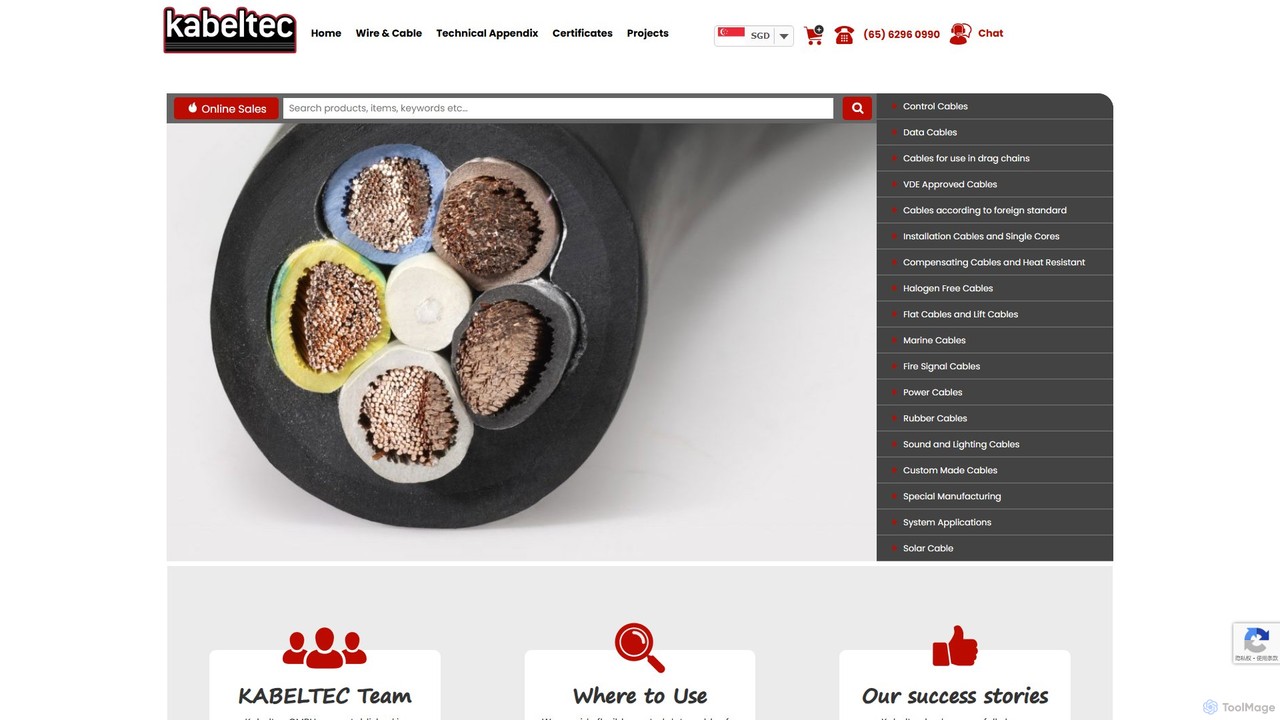
Kabeltec is a global manufacturer and supplier of specialized industrial and electrical cables. Originating from Germany, it provides …

4.5K

About Manufacturing

AI Manufacturing tools are a class of software that applies artificial intelligence to optimize and automate industrial production processes. They leverage machine learning, computer vision, and data analytics to analyze vast amounts of operational data from sensors and systems. This enables predictive maintenance, enhances quality control, and streamlines supply chain management, ultimately leading to increased efficiency, reduced costs, and improved product quality. These tools are crucial for building smart factories and advancing Industry 4.0 initiatives.

Core Features

  • Predictive Maintenance: Analyzes equipment data to forecast potential failures and schedule proactive maintenance.
  • AI-Powered Quality Control: Uses computer vision to automatically detect defects and anomalies on the production line.
  • Supply Chain Optimization: Employs algorithms to forecast demand, manage inventory, and optimize logistics routes.
  • Production Scheduling & Planning: Generates efficient production schedules by balancing resources, constraints, and demand.
  • Generative Design: Creates and refines product or part designs based on performance criteria and material constraints.

Use Cases

These tools are essential in sectors like automotive, electronics, pharmaceuticals, and heavy machinery. Production managers use them to minimize downtime, quality engineers to ensure product consistency, and supply chain planners to maintain optimal inventory levels and respond to market changes effectively.

How to Choose

When selecting a tool, consider its integration capabilities with your existing MES and ERP systems. Evaluate the accuracy of its predictive models, the ease of deployment on the factory floor, and its scalability to handle growing production data. Also, assess the vendor's industry-specific expertise and support services.

ManufacturingUse Cases

1

Predictive Maintenance for Assembly Line Machinery

A plant manager in an automotive factory uses an AI tool to continuously monitor data from robotic arms and conveyors. The system analyzes vibration, temperature, and power consumption patterns to predict a potential motor failure two weeks in advance. This allows the maintenance team to schedule a replacement during planned downtime, preventing an unexpected production halt that could cost thousands per hour and ensuring on-time vehicle delivery.

2

Automated Visual Inspection for Electronics Manufacturing

A quality control engineer at a circuit board manufacturer implements an AI vision system. The system uses high-resolution cameras to inspect every board on the production line, identifying microscopic soldering defects or misplaced components with over 99.9% accuracy. This replaces manual inspection, which is slower and more prone to human error, significantly reducing the defect rate and warranty claims.

3

AI-Driven Demand Forecasting for Consumer Goods

A supply chain planner for a consumer goods company uses an AI platform to analyze historical sales data, market trends, and even weather patterns. The tool generates highly accurate demand forecasts for the next quarter. Based on this forecast, the system automatically suggests optimal raw material purchasing plans and production volumes, minimizing overstocking of unpopular items and preventing stockouts of best-sellers.

4

Optimizing Production Schedules in a Chemical Plant

A production supervisor in a chemical processing plant uses an AI scheduling tool to manage complex batch production. The tool considers factors like equipment availability, changeover times between different chemical recipes, and raw material delivery schedules. It generates a dynamic production plan that maximizes throughput and minimizes energy consumption, adapting in real-time to unexpected delays or changes in orders.

5

Generative Design for Aerospace Components

An aerospace engineer is tasked with designing a lighter yet stronger bracket for a new satellite. Using a generative design tool, they input constraints such as load requirements, material properties, and manufacturing methods. The AI explores thousands of possible geometric solutions, producing an organic, lattice-like design that is 30% lighter than the original while exceeding strength requirements, directly reducing launch costs.

6

Enhancing Worker Safety with AI Monitoring

A safety officer in a heavy manufacturing facility deploys an AI-powered video analytics system. The system monitors camera feeds from the factory floor to detect unsafe conditions in real-time, such as workers entering restricted zones without proper personal protective equipment (PPE) or forklifts operating too close to pedestrians. It sends instant alerts to supervisors, enabling immediate intervention and preventing potential accidents.

ManufacturingFrequently Asked Questions