kabeltec
Kabeltec is a global manufacturer and supplier of specialized industrial and electrical cables. Originating from Germany, it provides …
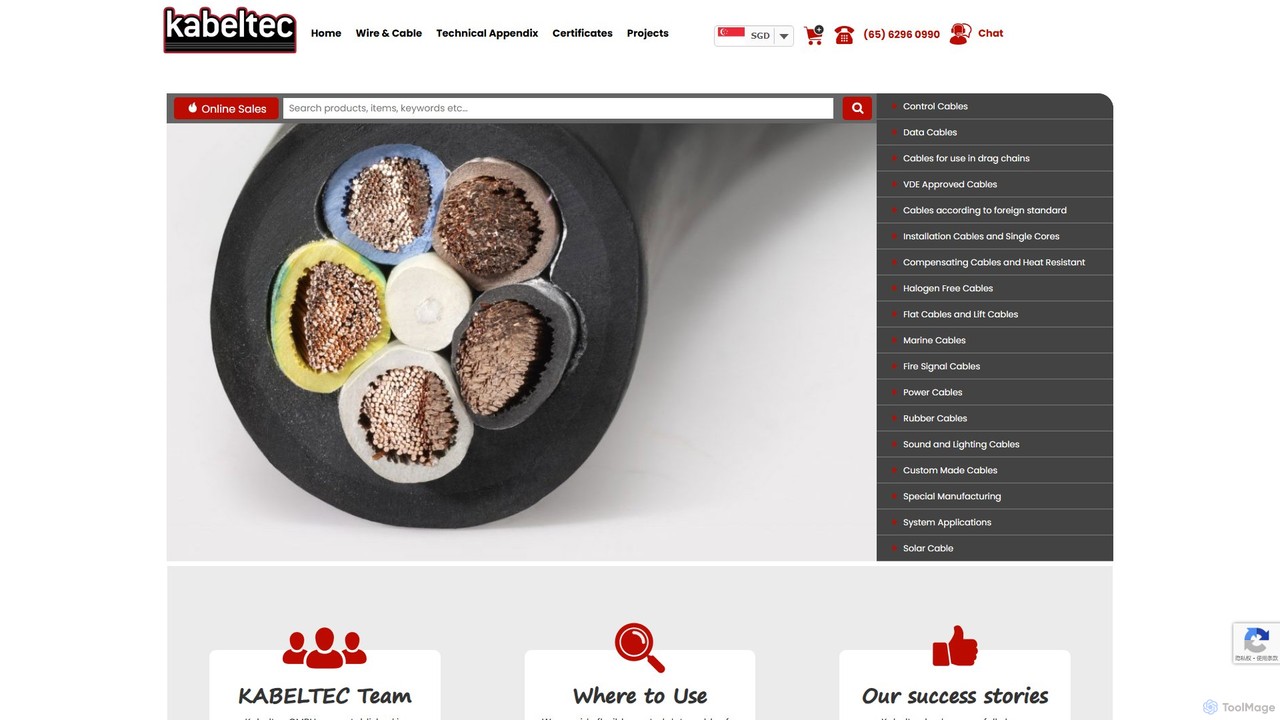
Kabeltec is a global manufacturer and supplier of specialized industrial and electrical cables. Originating from Germany, it provides a comprehensive range of high-performance cables, custom manufacturing, and end-to-end project management services for demanding sectors like marine, industrial automation, renewable energy, and construction.
About Electrical Supply
AI Electrical Supply tools are a class of software that uses artificial intelligence to automate and optimize the design, management, and maintenance of electrical systems and components. These tools leverage machine learning algorithms and generative design to analyze complex circuits, predict equipment failures, and streamline supply chains for electronic parts. Their primary value lies in increasing design accuracy, enhancing the reliability of power systems, and reducing operational costs in manufacturing and energy sectors. They provide data-driven insights that surpass traditional engineering methods.
Core Features
- Automated Schematic & PCB Design: AI generates optimized circuit diagrams and printed circuit board layouts based on specified constraints.
- Predictive Maintenance: Analyzes sensor data from electrical equipment to forecast potential failures and schedule maintenance proactively.
- Energy Load Forecasting: Uses historical data and external factors to accurately predict electricity demand for grid management.
- Component Supply Chain Optimization: Intelligently manages inventory, sources alternative components, and predicts supply disruptions for electrical parts.
- Fault Detection & Diagnosis: Automatically identifies and pinpoints anomalies or failures within complex electrical grids or systems.
Use Cases
These tools are primarily used by electrical engineers, power grid operators, electronics manufacturers, and supply chain managers. Common applications include accelerating the design of consumer electronics, ensuring the stability of national power grids through predictive analytics, and optimizing energy consumption within industrial facilities to lower operational expenses.
How to Choose
When selecting an AI Electrical Supply tool, consider its specific application focus, such as design, maintenance, or grid management. Evaluate its integration capabilities with existing CAD, PLM, or SCADA systems. Assess the accuracy of its predictive models and its ability to handle the scale and complexity of your specific systems. Finally, consider the required technical expertise and the vendor's support model.

Electrical SupplyUse Cases
Automated PCB Layout Design
An electronics engineer working on a new IoT device needs to create a compact and efficient Printed Circuit Board (PCB) layout. Using an AI Electrical Supply tool, they input the circuit schematic and design constraints like board size, layer count, and thermal limits. The AI algorithm then generates multiple optimized layout options in hours, a process that would manually take weeks. The engineer can then select the best layout that balances performance, cost, and manufacturability, significantly accelerating the product development cycle.
Predictive Maintenance for Power Transformers
A utility company manages a large network of aging power transformers. To prevent unexpected failures and costly blackouts, they deploy an AI-powered predictive maintenance system. The tool continuously analyzes real-time data from sensors on each transformer, including temperature, vibration, and oil quality. The AI model, trained on historical failure data, identifies subtle anomalies that indicate a high probability of future failure. This allows the maintenance team to schedule repairs proactively, extending equipment life and ensuring grid reliability.
Optimizing Factory Energy Consumption
A manufacturing plant manager aims to reduce high electricity costs. They implement an AI energy management system that connects to the plant's machinery and utility meter. The AI tool forecasts energy prices and plant-wide electricity demand based on production schedules. It then creates an optimized operational schedule, suggesting times to run energy-intensive machinery during off-peak hours without disrupting production flow. This data-driven approach helps the plant reduce its energy expenditure by 15-20% annually.
Intelligent Sourcing of Electronic Components
A procurement manager for a consumer electronics company faces constant supply chain volatility. They use an AI platform to monitor the global market for components like microchips and capacitors. The system analyzes supplier data, market trends, and geopolitical news to predict potential shortages and price hikes. When a primary supplier faces a disruption, the AI instantly recommends vetted alternative suppliers and components with compatible specifications, allowing the manager to make swift, informed decisions and prevent costly production line shutdowns.
AI-Powered Fault Detection in a Power Grid
A grid control center operator is responsible for maintaining the stability of a regional power grid. They use an AI tool that processes thousands of data points per second from across the network. When a fault, such as a short circuit from a fallen power line, occurs, the AI system instantly detects the anomaly, pinpoints its exact location, and suggests the optimal rerouting strategy to isolate the fault and minimize the number of affected customers. This reduces outage duration from hours to minutes and improves overall grid resilience.
Generative Design for Custom Wiring Harnesses
An automotive engineer is designing the electrical system for a new electric vehicle. The wiring harness must be lightweight, cost-effective, and easy to manufacture. Using a generative design AI tool, the engineer inputs the connection points, power requirements, and physical constraints of the vehicle chassis. The AI then generates hundreds of potential harness designs, optimizing for wire routing, weight, and material cost. This allows the engineering team to explore innovative solutions that would be impossible to conceive manually, leading to a more efficient and reliable vehicle electrical system.