Industrial Best in category 1 results Automation AI Tool

Popular AI tools in the Automation field of Industrial include AIM Intelligent Machines, etc., helping you quickly improve efficiency.

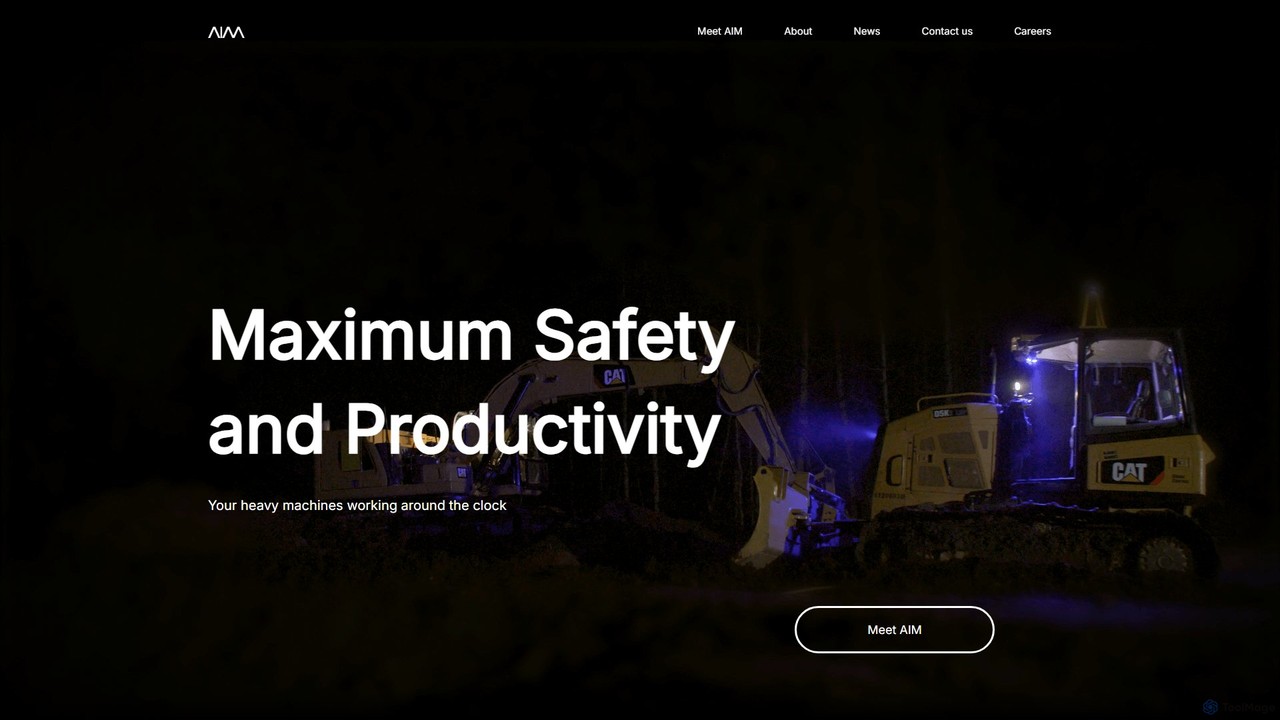
AIM Intelligent Machines

AIM Intelligent Machines

AIM Intelligent Machines provides an AI-powered technology platform that retrofits heavy equipment for autonomous operation in mining and …

11.1K

About Automation

Automation tools are AI-powered systems designed to control and manage industrial processes, machinery, and workflows with minimal human intervention. These tools utilize technologies like machine learning, robotics, and IoT sensors to execute repetitive tasks, monitor production lines, and optimize operational logic. They are pivotal in sectors such as manufacturing and logistics for increasing throughput, ensuring consistent quality, and enhancing workplace safety. Their core value lies in creating self-regulating, efficient systems that can adapt to real-time operational changes.

Core Features

  • Robotic Process Automation (RPA): Automates rule-based tasks for industrial machinery and digital systems, such as data entry or equipment operation sequences.
  • Predictive Maintenance: Analyzes sensor data from equipment to forecast potential failures, enabling proactive maintenance and reducing downtime.
  • AI-Powered Vision Systems: Uses computer vision for automated quality inspection, part identification, and guidance for robotic arms.
  • Workflow Orchestration: Manages and coordinates complex sequences of tasks across different machines, systems, and human operators.

Use Cases

Primarily used in manufacturing, automotive, logistics, and energy industries. For example, an automotive plant can use automation for assembly line robotics, while a logistics center can deploy it for automated warehouse sorting and inventory management.

How to Choose

When selecting an automation tool, consider its integration capabilities with existing hardware (like PLCs and SCADA systems), its scalability to handle production growth, its real-time data processing speed, and its compliance with industry-specific safety and security standards.

AutomationUse Cases

1

Automated Quality Inspection on Production Lines

A quality control manager in a manufacturing plant uses an AI automation tool equipped with high-resolution cameras. The system inspects thousands of components per hour on a fast-moving conveyor belt, identifying microscopic defects, color inconsistencies, or assembly errors that are invisible to the human eye. This process significantly reduces the rate of defective products reaching the market, ensures compliance with quality standards, and frees up human inspectors to focus on more complex quality assurance tasks.

2

Predictive Maintenance for Industrial Machinery

An operations manager at an energy plant deploys an AI automation platform connected to IoT sensors on critical turbines. The platform continuously analyzes vibration, temperature, and performance data, using machine learning models to predict when a component is likely to fail. It automatically generates a maintenance work order weeks in advance, allowing for scheduled repairs during planned downtime. This prevents catastrophic failures, extends the lifespan of expensive equipment, and avoids millions in losses from unplanned outages.

3

Automating Warehouse Inventory Management

A logistics company implements an automated system using autonomous mobile robots (AMRs) in its distribution center. These robots navigate the warehouse to pick, sort, and transport goods for order fulfillment. The system is integrated with the Warehouse Management System (WMS), which orchestrates the robots' tasks in real-time based on incoming orders. This automation increases order accuracy to over 99%, triples the speed of order processing, and allows the warehouse to operate 24/7 with minimal human oversight, especially for repetitive picking tasks.

4

Optimizing Energy Consumption in a Smart Factory

A factory manager uses an AI automation system to monitor and control energy usage across the entire facility. The system analyzes data from machinery, HVAC systems, and lighting in real-time. It automatically adjusts equipment settings to operate during off-peak electricity hours, shuts down idle machines, and optimizes heating and cooling based on production schedules and external weather conditions. This leads to a 15-20% reduction in energy costs and supports the company's sustainability goals by minimizing its carbon footprint.

5

Automating Supply Chain Documentation and Compliance

A supply chain coordinator uses an RPA (Robotic Process Automation) tool to manage cross-border shipments. The bot automatically extracts data from purchase orders, generates shipping labels, fills out customs declaration forms, and archives compliance documents. It also tracks shipments in real-time and sends automated status updates to stakeholders. This automation eliminates manual data entry errors, ensures all shipments meet regulatory requirements, and reduces document processing time from hours to minutes.

6

Robotic Welding in Automotive Manufacturing

An automotive assembly plant employs a fleet of robotic arms programmed for welding tasks. Guided by AI vision systems, these robots perform precise, consistent welds on vehicle chassis and body panels at a speed unattainable by human workers. The automation system ensures every weld meets exact specifications for strength and durability, significantly improving the structural integrity and safety of the final vehicle. This process also reduces material waste and minimizes worker exposure to hazardous fumes and high temperatures.

AutomationFrequently Asked Questions