Business Best in category 1 results Revenue Optimization AI Tool

Popular AI tools in the Revenue Optimization field of Business include TripAdd, etc., helping you quickly improve efficiency.

TripAdd

TripAdd

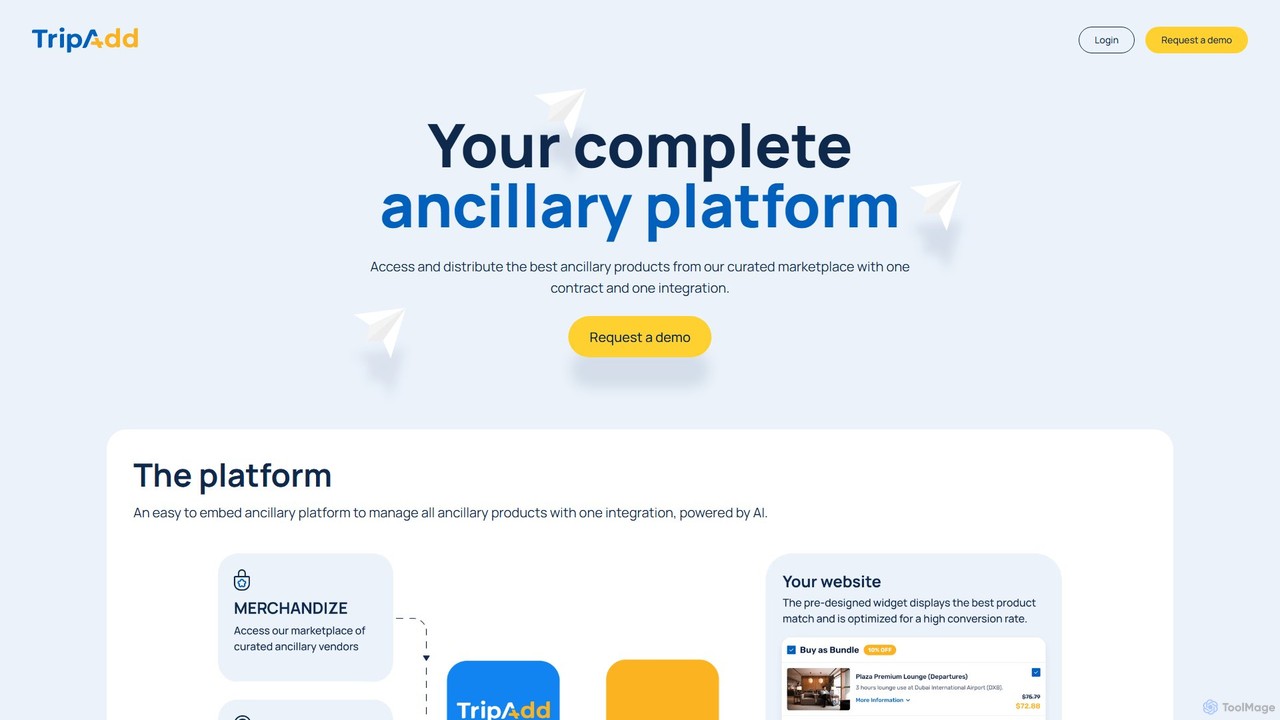
TripAdd is an AI-powered B2B platform for travel companies, providing a unified marketplace to integrate, manage, and optimize …

5.1K

About Revenue Optimization

AI Revenue Optimization tools are a specialized category of business software designed to maximize financial returns through data-driven strategies. These platforms leverage machine learning to analyze customer behavior, market trends, and sales data to identify hidden growth opportunities. They enable businesses to implement dynamic pricing, predict customer churn, score leads, and forecast sales with high accuracy. Unlike general analytics platforms, these tools provide prescriptive insights and automated actions aimed directly at increasing profitability and customer lifetime value.

Core Features

  • Dynamic Pricing: Automatically adjusts product or service prices in real-time based on demand, competition, and user behavior.
  • Churn Prediction: Identifies customers at high risk of unsubscribing or leaving, allowing for proactive retention efforts.
  • Lead Scoring & Prioritization: Ranks potential customers based on their likelihood to convert, focusing sales team efforts on the most valuable prospects.
  • Sales Forecasting: Uses historical data and market signals to generate accurate predictions of future revenue and sales performance.
  • Customer Lifetime Value (CLV) Modeling: Predicts the total net profit a company can expect from a customer over the entire relationship.

Use Cases

These tools are essential for revenue managers, sales operations leaders, and marketing strategists in data-intensive sectors like e-commerce, SaaS, hospitality, and finance. Common applications include optimizing pricing for online retail, reducing subscriber churn in subscription services, and prioritizing sales pipelines in B2B environments to accelerate the sales cycle.

How to Choose

When selecting a Revenue Optimization tool, evaluate its integration capabilities with your existing CRM, ERP, and marketing automation systems. Assess the sophistication and transparency of its AI models. Consider whether it offers industry-specific templates or features. Finally, analyze its reporting and data visualization capabilities to ensure insights are clear and actionable for your team.

Revenue OptimizationUse Cases

1

Automate E-commerce Dynamic Pricing

An e-commerce manager for a fashion retailer uses an AI revenue optimization tool to maximize profit margins. The tool connects to their Shopify store and analyzes real-time data, including competitor pricing, inventory levels, website traffic, and historical sales patterns for specific items. Based on this analysis, the system automatically adjusts prices throughout the day. For example, it might slightly increase the price of a popular dress during peak shopping hours or offer a small, targeted discount on a slow-moving item to a specific user segment, ultimately increasing average order value and overall revenue without manual intervention.

2

Predict and Reduce SaaS Customer Churn

A Customer Success Manager at a B2B SaaS company uses a revenue optimization platform to proactively reduce churn. The AI analyzes user engagement data from their product, such as feature usage frequency, number of active users per account, and recent support ticket history. It then generates a 'health score' for each customer, flagging accounts at high risk of churning. The manager receives alerts and data-backed recommendations, like offering targeted training for an underused feature or scheduling a check-in call. This allows the team to focus retention efforts on the right accounts at the right time, significantly lowering the overall churn rate.

3

Prioritize High-Value B2B Sales Leads

A sales operations manager for a tech company integrates a revenue optimization tool with their CRM (like Salesforce). The tool analyzes incoming leads from various channels, scoring them based on firmographics (company size, industry), engagement with marketing content, and behavioral data (website pages visited). It assigns a predictive score indicating the likelihood of conversion. This allows the sales team to immediately focus on the top 10% of leads, rather than treating all leads equally. As a result, response times for high-potential leads decrease, conversion rates improve, and the sales cycle is shortened.

4

Optimize Hotel and Airline Yield Management

A revenue manager for a hotel chain uses an AI platform to optimize room pricing and occupancy. The system analyzes historical booking data, seasonality, local events (like concerts or conferences), competitor rates, and even flight booking trends. It then forecasts demand for future dates and recommends optimal daily rates for different room types. The manager can set rules and constraints, but the AI handles the complex calculations, ensuring the hotel maximizes its revenue per available room (RevPAR) by balancing occupancy rates with the average daily rate.

5

Personalize Upsell and Cross-sell Offers

A marketing manager for a subscription box service uses a revenue optimization tool to increase customer lifetime value. The AI analyzes each customer's past purchases, product ratings, and browsing behavior on the site. Based on this profile, it predicts which add-on products or plan upgrades they are most likely to purchase. The system then triggers personalized offers through email or in-app notifications at the optimal time, such as right after a positive product review. This data-driven approach to upselling is far more effective than generic campaigns, leading to higher average revenue per user (ARPU).

6

Forecast Sales to Optimize Inventory

A retail planner for a large electronics chain uses a revenue optimization tool for demand forecasting. The AI model analyzes years of sales data, along with external factors like economic indicators, upcoming holidays, and marketing campaign schedules. It generates highly accurate sales forecasts for each product category and even individual SKUs. This information allows the company to optimize inventory levels, ensuring popular items are in stock to meet demand while preventing overstocking of less popular products. This directly impacts revenue by reducing lost sales from stockouts and minimizing capital tied up in excess inventory.

Revenue OptimizationFrequently Asked Questions