ToolMage
Sign in

Best 2 Sales Enablement AI tools for Business

Popular Sales Enablement AI tools in Business include Apprendo and Recaply, helping you work more efficiently.

Recaply
Freemium

Recaply

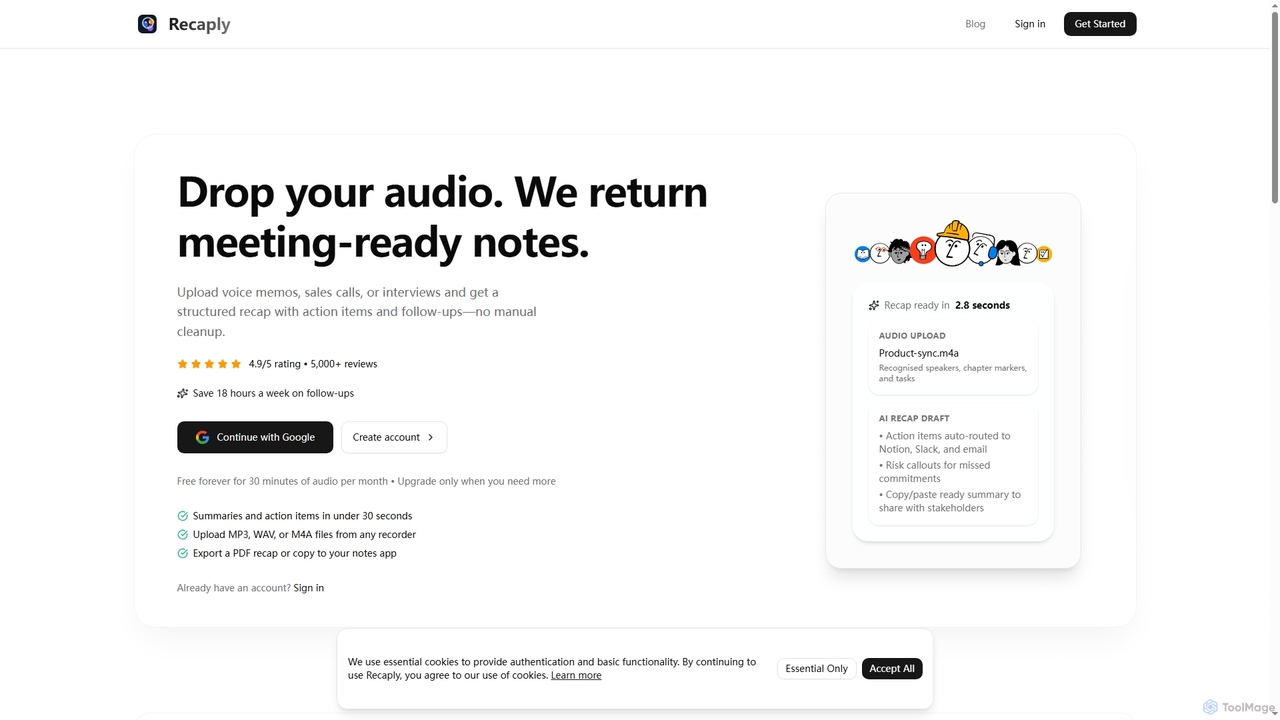
Recaply is an AI-powered tool that transforms voice memos, sales calls, and interviews into structured, actionable notes with summaries, action items, and follow-ups. It streamlines post-meeting tasks, saving significant time on manual cleanup and ensuring team alignment.

Sales Enablement
Visits 5.7KFavorites 88Likes 104
Apprendo
Freemium

Apprendo

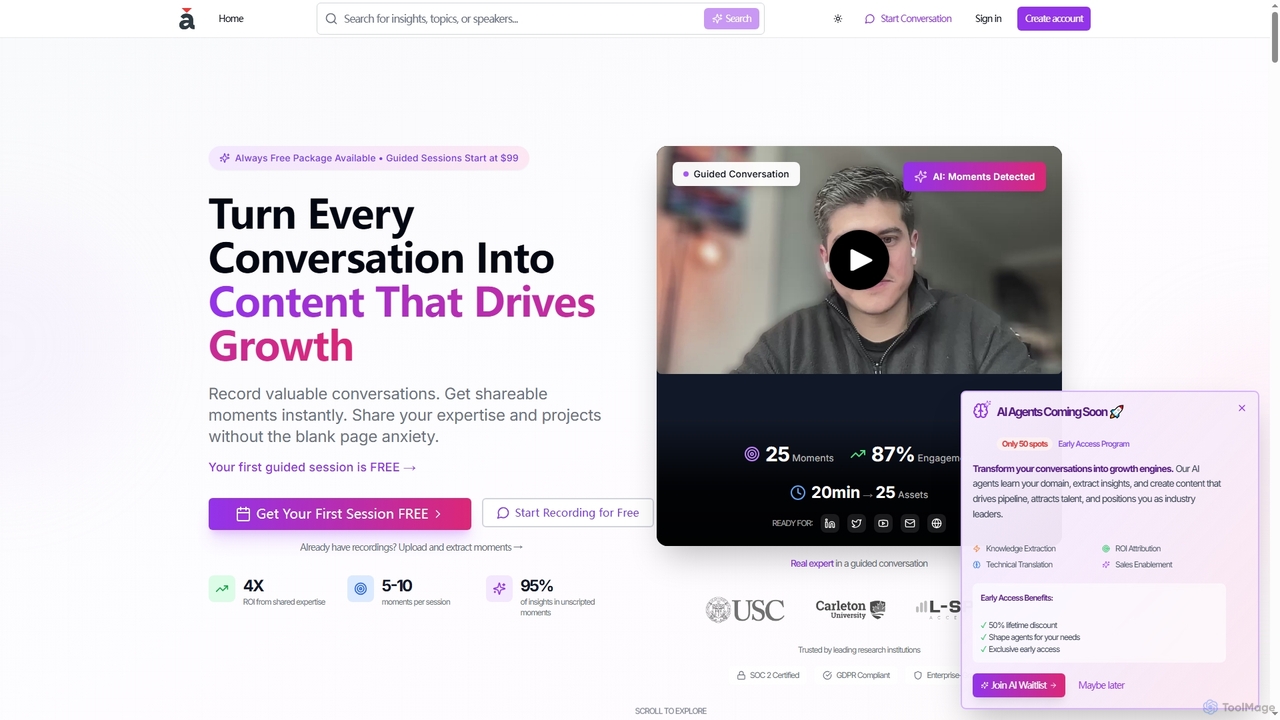
Apprendo is an AI-powered platform that transforms team conversations, meetings, and existing recordings into high-impact content. Designed for R&D teams and experts, it captures valuable insights, extracts shareable moments, and helps disseminate expertise across various platforms to drive growth, talent acquisition, and thought leadership, all while ensuring enterprise-grade security and compliance.

Recording & Editing
Visits 7.1KFavorites 144Likes 139

About Sales Enablement

AI Sales Enablement tools are platforms that use artificial intelligence to provide sales teams with the precise content, insights, and training needed to engage buyers effectively. These tools analyze vast amounts of sales data, including call recordings and CRM activities, to deliver predictive recommendations and automate tasks. The primary value is to shorten sales cycles, increase quota attainment, and ensure consistent, high-impact communication across the entire sales force. By embedding intelligence directly into the sales workflow, they empower representatives to be more prepared, relevant, and efficient in every interaction.

Core Features

  • Conversation Intelligence: Automatically transcribes, analyzes, and surfaces key insights from sales calls and meetings to identify best practices and coaching opportunities.
  • Predictive Content Recommendation: Suggests the most effective sales collateral (case studies, presentations, whitepapers) for a specific deal based on its stage, industry, and buyer persona.
  • AI-Powered Coaching: Offers virtual role-playing and provides automated feedback on practice pitches, helping reps refine their messaging and objection handling skills.
  • Deal Intelligence & Forecasting: Analyzes engagement patterns and historical data to predict deal outcomes, identify at-risk opportunities, and guide sales strategy.

Use Cases

These tools are widely adopted in B2B sectors with complex sales processes, such as technology, financial services, and manufacturing. Sales representatives use them for real-time guidance during calls, sales managers for data-driven coaching, and sales operations teams to measure content effectiveness and optimize the sales process.

How to Choose

When selecting an AI Sales Enablement tool, prioritize its integration capabilities with your existing CRM (e.g., Salesforce, HubSpot). Evaluate the depth of its analytics and the specific AI features that align with your needs, such as conversation intelligence versus content management. Also, consider the user interface's simplicity for sales reps and the platform's scalability to support team growth.

Sales Enablement use cases

1

Real-time Call Coaching for New Sales Reps

A newly hired sales development representative (SDR) is on a live discovery call with a key prospect. The AI Sales Enablement tool, running in the background, transcribes the conversation in real-time. When the prospect raises a common objection about pricing, the AI instantly displays a battle card on the SDR's screen with approved talking points and a relevant customer success story. This immediate guidance helps the new rep handle the objection confidently, keeping the conversation on track and successfully booking a follow-up demo, reducing ramp-up time by weeks.

2

Automating Personalized Follow-up Emails

An account executive has just finished a 45-minute product demo. Instead of spending 20 minutes manually writing a recap email, they use their AI Sales Enablement tool. The tool, which analyzed the call transcript, automatically generates a draft email. This draft summarizes the key pain points discussed, highlights the specific features the prospect was most interested in, and attaches the two case studies mentioned during the call. The executive reviews the draft, makes a minor tweak, and sends a highly personalized, accurate follow-up in under three minutes.

3

Identifying Winning Sales Pitches for Team Training

A sales manager wants to understand why their top-performing reps consistently close more deals. Using the conversation intelligence feature, they analyze all calls associated with closed-won deals from the last quarter. The AI platform identifies common patterns, such as specific phrases used, the talk-to-listen ratio, and how top reps handle competitor mentions. The manager uses these data-backed insights to create a new training module and a 'best practice' call library, enabling the entire team to learn directly from their most successful peers and standardize excellence.

4

Delivering the Perfect Sales Deck within a CRM

An account executive is preparing for a crucial meeting with a prospect in the financial services industry. Instead of searching through a messy shared drive for the right presentation, they open the opportunity record in their CRM. The integrated AI Sales Enablement tool automatically analyzes the record's data (industry, company size, deal stage) and surfaces the most relevant and up-to-date sales deck. It also recommends a specific case study about another financial services client. This ensures the rep uses approved, on-brand materials that are perfectly tailored to the prospect, increasing their credibility and the meeting's effectiveness.

5

Onboarding and Certifying a Global Sales Team

A large enterprise needs to ensure its globally distributed sales team is message-compliant and proficient with a new product launch. They use their AI Sales Enablement platform to deploy standardized training modules. New hires and existing reps must complete AI-powered role-playing scenarios where they pitch the new product to a virtual buyer. The AI scores their performance based on key message inclusion, clarity, and confidence. Managers can review the results on a dashboard, identify reps who need more coaching, and certify that the entire team is ready before they engage with actual customers.

6

Predicting At-Risk Deals for Proactive Intervention

A sales director reviews their team's quarterly forecast in their CRM, but wants a more accurate picture. They turn to their AI Sales Enablement tool's deal intelligence dashboard. The AI has analyzed all communication patterns, meeting frequencies, and stakeholder engagement for each deal. It flags three large deals as 'at-risk' due to a recent decline in prospect email responses and a lack of engagement from key decision-makers, even though they are marked as 'likely to close' in the CRM. This early warning allows the director to intervene, strategize with the account executive, and re-engage the client, potentially saving millions in revenue.

Sales Enablement FAQ

What are AI Sales Enablement tools?

AI Sales Enablement tools are software platforms designed to make sales teams more effective by using artificial intelligence. They go beyond traditional content repositories by actively providing reps with what they need, when they need it. Key functions include analyzing sales calls to provide coaching feedback, recommending the perfect piece of content for a specific buyer, and automating administrative tasks like writing follow-up emails. The ultimate goal is to increase sales productivity and help reps close more deals faster.

How do I choose the right AI Sales Enablement tool?

Choosing the right tool depends on your specific needs. Consider these factors:

  • CRM Integration: Ensure the tool deeply integrates with your existing CRM (like Salesforce or HubSpot) to provide context and minimize workflow disruption.
  • Core Features: Identify your primary goal. Do you need to improve call coaching (Conversation Intelligence) or ensure reps use the right content (Content Management)? Choose a tool that excels in your priority area.
  • User Experience: The tool must be intuitive and easy for your sales reps to adopt. If it's too complex, they won't use it, negating any potential benefit.
  • Analytics & Reporting: Evaluate the quality of insights the platform provides for managers and leadership. It should offer clear data on rep performance, content effectiveness, and overall sales process health.
What's the difference between Sales Enablement tools and a CRM?

A CRM (Customer Relationship Management) system is a database of record for all customer interactions and pipeline data. It answers the question, 'What is happening with our customers?' In contrast, an AI Sales Enablement tool is a system of engagement that integrates with the CRM. It answers the question, 'How can we make our sales interactions more effective?' While a CRM stores data like contact information and deal stages, a Sales Enablement tool uses that data to provide real-time coaching, recommend content, and analyze conversations to improve performance.

What are the key features of AI Sales Enablement platforms?

Most comprehensive platforms include a combination of the following core features:

  • Conversation Intelligence: Recording, transcription, and AI-powered analysis of sales calls to identify trends, track keywords, and provide coaching insights.
  • Content Management & Recommendation: A central repository for sales collateral, with AI that suggests the most relevant asset to a rep based on CRM data.
  • Sales Coaching & Training: Tools for creating training programs, running virtual role-plays, and providing automated feedback to help reps practice and improve.
  • Deal & Pipeline Analytics: Dashboards that provide managers with insights into deal health, forecast accuracy, and team performance by analyzing communication and engagement data.
Who benefits most from using AI Sales Enablement tools?

While the entire organization benefits, specific roles see direct advantages. Sales Representatives benefit from real-time guidance, less administrative work, and easier access to effective content, allowing them to focus on selling. Sales Managers gain data-driven insights to coach their teams more effectively, identify performance gaps, and forecast more accurately. Marketing and Sales Operations teams can finally see which content is actually being used and how it impacts revenue, allowing them to optimize their content strategy and sales processes.