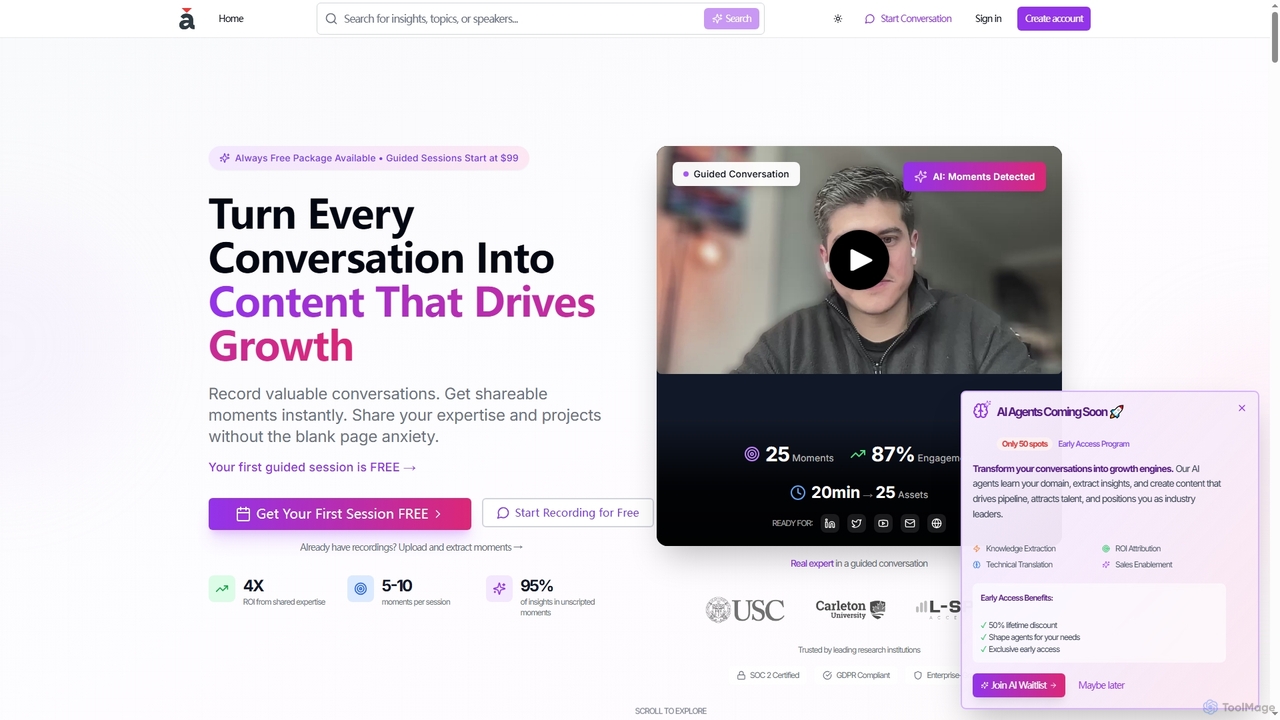
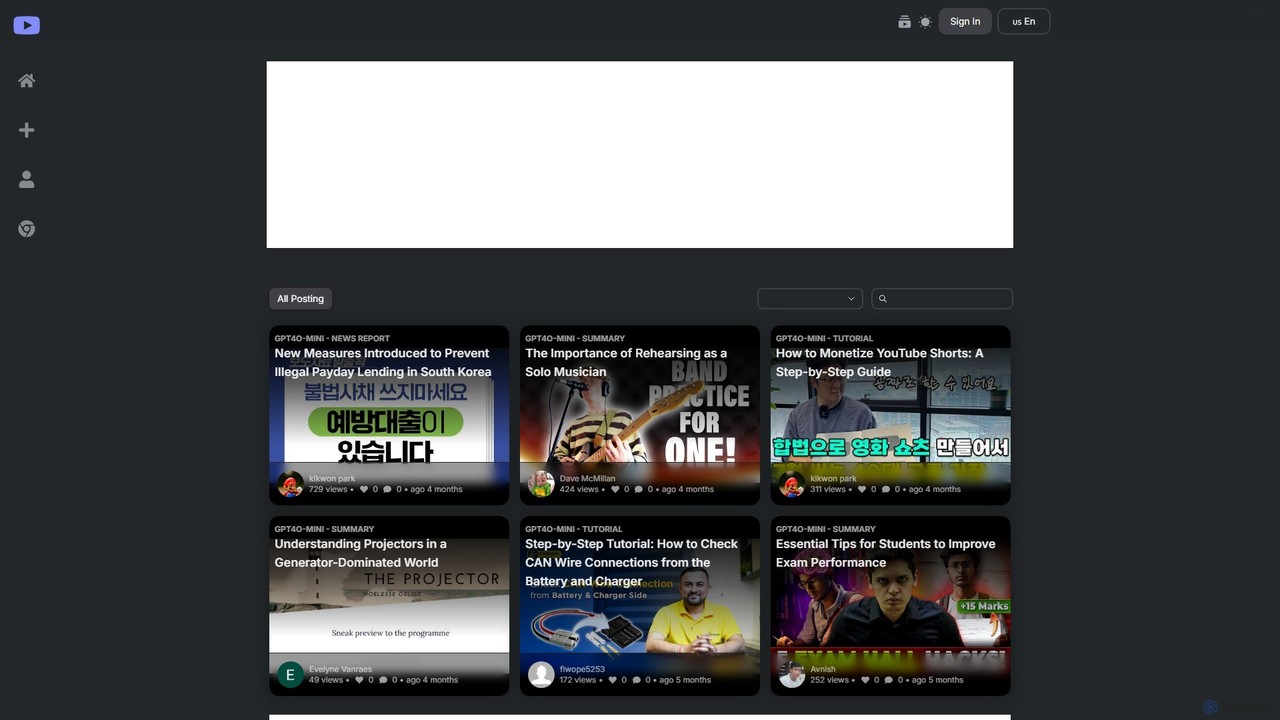
Content Repurposing tools are AI-powered applications designed to transform existing content into multiple new formats. They analyze the core message and structure of a source material, such as a blog post or video, to automatically generate assets like social media posts, video scripts, or summaries. This process allows creators and marketers to maximize the value and reach of their original work across different platforms with significant time savings. By intelligently adapting content, these tools help maintain a consistent publishing schedule and engage diverse audience segments.
Core Features
- Format Conversion: Automatically transforms content from one format to another, such as converting a long-form article into a video script or a podcast episode into a blog post.
- Content Atomization: Breaks down a large piece of content (e.g., a webinar) into smaller, shareable micro-content like clips, quotes, and infographics.
- Multi-Platform Adaptation: Tailors the tone, length, and style of content to fit the specific requirements of different social media platforms like Twitter, LinkedIn, or Instagram.
- Key Insight Extraction: Identifies and extracts the most important points, statistics, or quotes from the source material for use in summaries or promotional assets.
Use Cases
These tools are invaluable for content marketing teams, social media managers, podcasters, and digital educators. For instance, a marketing team can turn a single research report into a month's worth of content, including blog posts, infographics, and social media updates. A YouTuber can automatically generate show notes, a blog article, and short promotional clips from one video.
How to Choose
When selecting a Content Repurposing tool, consider the supported input and output formats (e.g., text, audio, video). Evaluate the quality and accuracy of the AI-generated output and its ability to capture the original nuance. Also, check for integrations with your existing content management systems (CMS) or social media scheduling tools, and assess the level of customization available for controlling the final output.