ToolMage
Sign in

Best 1 Ai Avatars AI tools for Content Creation

Popular Ai Avatars AI tools in Content Creation include VidAmplify, helping you work more efficiently.

VidAmplify
Paid

VidAmplify

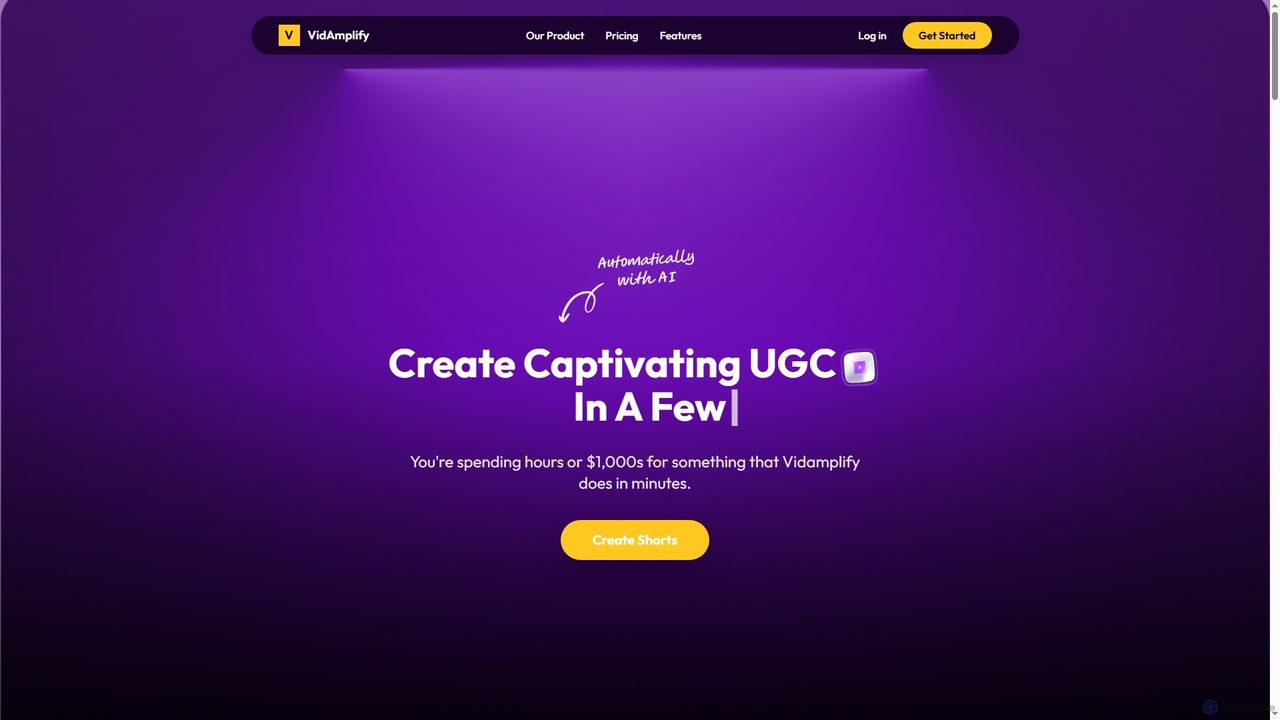
VidAmplify is an AI-powered platform that enables businesses and creators to generate high-quality User-Generated Content (UGC) videos in minutes. It leverages lifelike AI avatars to create engaging static and talking hook videos for ads, product showcases, and testimonials, eliminating the need for cameras, editing skills, or expensive creators.

Automation
Visits 5.3KFavorites 111Likes 109

About Ai Avatars

AI Avatars are digital representations of a person or character generated using artificial intelligence. These tools typically utilize generative models, such as GANs or diffusion models, to create unique, photorealistic, or stylized avatars from text descriptions or user-uploaded photos. Their primary value lies in providing a scalable and efficient method for creating personalized digital identities for marketing, virtual events, customer service, and entertainment. This technology eliminates the need for complex 3D modeling or graphic design skills, enabling rapid creation of diverse and consistent visual personas.

Core Features

  • Photo-to-Avatar Generation: Creates stylized or realistic avatars based on one or more uploaded photographs.
  • Text-to-Avatar Creation: Generates avatars from descriptive text prompts, allowing for imaginative and conceptual characters.
  • Style Customization: Offers a range of artistic styles, such as anime, cartoon, fantasy, cyberpunk, or photorealistic.
  • Expression and Pose Control: Allows users to adjust facial expressions, emotions, and body poses of the generated avatar.
  • AI Video Animation: Animates static avatars to speak from a text script or audio file, creating talking head videos.

Applicable Scenarios

AI Avatars are widely used by marketers to create consistent brand mascots for social media, by educators for producing AI-powered video presenters for training modules, and by developers to give chatbots a visual, more engaging persona. Individuals also use them to create unique profile pictures for social networks and virtual worlds, establishing a distinct digital identity.

Selection Criteria

When choosing an AI Avatar tool, consider the desired output style—whether you need photorealism or artistic interpretations. Evaluate the depth of customization available for features, clothing, and backgrounds. Assess its animation capabilities; determine if you need static images or animated talking avatars. For business use, check for API availability for integration into your own applications or workflows.

Ai Avatars use cases

1

Create a Consistent Social Media Brand Identity

A content creator or small business owner needs a recognizable and professional visual identity across platforms like Instagram, YouTube, and Twitter. Using an AI Avatar generator, they upload a few high-quality photos of themselves. The tool generates dozens of avatars in various styles (e.g., cartoon, professional, fantasy). They select a consistent style to use as their profile picture everywhere, creating a memorable brand image that stands out without requiring a professional photoshoot or graphic designer.

2

Produce AI-Powered Training and Explainer Videos

A corporate training department needs to create a series of instructional videos quickly and on a budget. Instead of hiring actors and a film crew, they use an AI avatar tool with video animation features. A trainer writes the script, selects a professional-looking pre-made avatar, and inputs the text. The AI generates a high-quality video of the avatar presenting the material with realistic lip-syncing. This process allows them to produce and update training content at a fraction of the cost and time of traditional video production.

3

Generate Diverse Visuals for Marketing Campaigns

A marketing team is launching a global campaign and needs visuals that resonate with diverse audiences. Manually creating assets for each demographic is impractical. They use a text-to-avatar generator to create a wide range of characters. By inputting prompts like "professional woman in her 30s, East Asian, in a business suit" or "young male student, Hispanic, wearing a hoodie," they can instantly generate hundreds of high-quality, royalty-free images. This enables hyper-targeted advertising and inclusive marketing at scale.

4

Enhance Chatbot and Virtual Assistant Interactions

A company wants to make its customer service chatbot more engaging and less robotic. A developer integrates an AI avatar generator via an API. Now, instead of just a text box, the chatbot is represented by a friendly, animated avatar that can change expressions based on the conversation's context. This visual element makes the interaction feel more personal and human, improving user experience and satisfaction. The avatar can also be customized to match the company's branding.

5

Prototype Game and Fictional Characters Rapidly

An indie game developer or a writer is in the early stages of creating a new world and its inhabitants. They need to visualize characters quickly to aid the creative process. Using a text-to-avatar tool, they can experiment with prompts like "elven warrior with glowing tattoos" or "cyberpunk detective in a neon-lit alley." The AI provides instant visual feedback, generating multiple character concepts in minutes. This accelerates prototyping and world-building, allowing creators to iterate on character designs without needing advanced artistic skills.

6

Create Personalized Avatars for Virtual Events

An attendee of a virtual conference or a user of a metaverse platform wants a unique digital representation. Instead of using a generic, pre-made avatar, they use an integrated AI avatar tool. By uploading a selfie, the tool generates a 3D-ready or 2D avatar that resembles them but can be customized with different outfits, hairstyles, or fantasy elements. This allows for a higher degree of personalization and self-expression in virtual spaces, making the digital experience more immersive and engaging for all participants.

Ai Avatars FAQ

What are AI Avatars?

AI Avatars are digital characters or personas created by artificial intelligence. Unlike traditional avatars that are manually designed, AI avatars are generated from inputs like photos or text prompts. Key features include rapid generation, a wide variety of artistic styles (from realistic to cartoon), and deep customization. They are commonly used for creating unique social media profiles, producing marketing content, serving as virtual presenters in videos, and enhancing digital interactions.

How to choose the right AI Avatar generator?

To select the best AI Avatar tool for your needs, consider these factors:

  • Input Method: Do you want to generate avatars from your photos or from descriptive text prompts? Some tools specialize in one or the other.
  • Output Style: Determine if you need photorealistic, anime, cartoon, or other specific artistic styles. Check the tool's gallery to see if its output matches your vision.
  • Customization Level: Evaluate how much control you have over details like facial features, clothing, accessories, and backgrounds.
  • Animation Features: If you need avatars for videos, look for tools that offer text-to-speech and lip-syncing animation capabilities.
  • Usage Rights: Always check the terms of service to understand if you have commercial rights to use the generated avatars, especially for business purposes.
What's the difference between AI Avatars and traditional 3D models?

The primary difference lies in creation process, speed, and control. AI Avatars are generated automatically and quickly by an algorithm from simple inputs (photos, text), making them highly accessible. However, user control over the final model is often limited to presets and sliders. Traditional 3D models are manually crafted by skilled artists using complex software like Blender or Maya. This process is slow and expensive but offers complete creative control, making them suitable for high-fidelity applications like blockbuster films and AAA video games where precise rigging and animation are required.

Can AI Avatars be animated to speak?

Yes, many advanced AI Avatar platforms include a feature often called "talking heads" or "AI presenters." These tools can take a static avatar image (either generated by AI or uploaded) and animate it based on a text script or an audio file. The technology uses AI to generate realistic lip movements that sync with the audio, as well as subtle head movements and facial expressions to make the presentation more natural and engaging. This is a popular feature for creating training videos, marketing content, and news reports without a human presenter.

Who can benefit from using AI Avatars?

A wide range of users can benefit from AI Avatars. Here are a few examples:

  • Content Creators & Influencers: To establish a unique and consistent visual brand across social media platforms.
  • Marketers: To create diverse ad creatives, brand mascots, and AI-powered video advertisements without high production costs.
  • Businesses & Educators: To produce engaging training materials, corporate communications, and educational videos efficiently.
  • Developers: To add a visual, human-like interface to chatbots and virtual assistants, improving user engagement.
  • Individuals: To create personalized profile pictures, express themselves in virtual worlds, or simply for creative fun.