ToolMage
Sign in

Best 1 White Label AI tools for Business Solutions

Popular White Label AI tools in Business Solutions include Gostex, helping you work more efficiently.

Gostex

Gostex

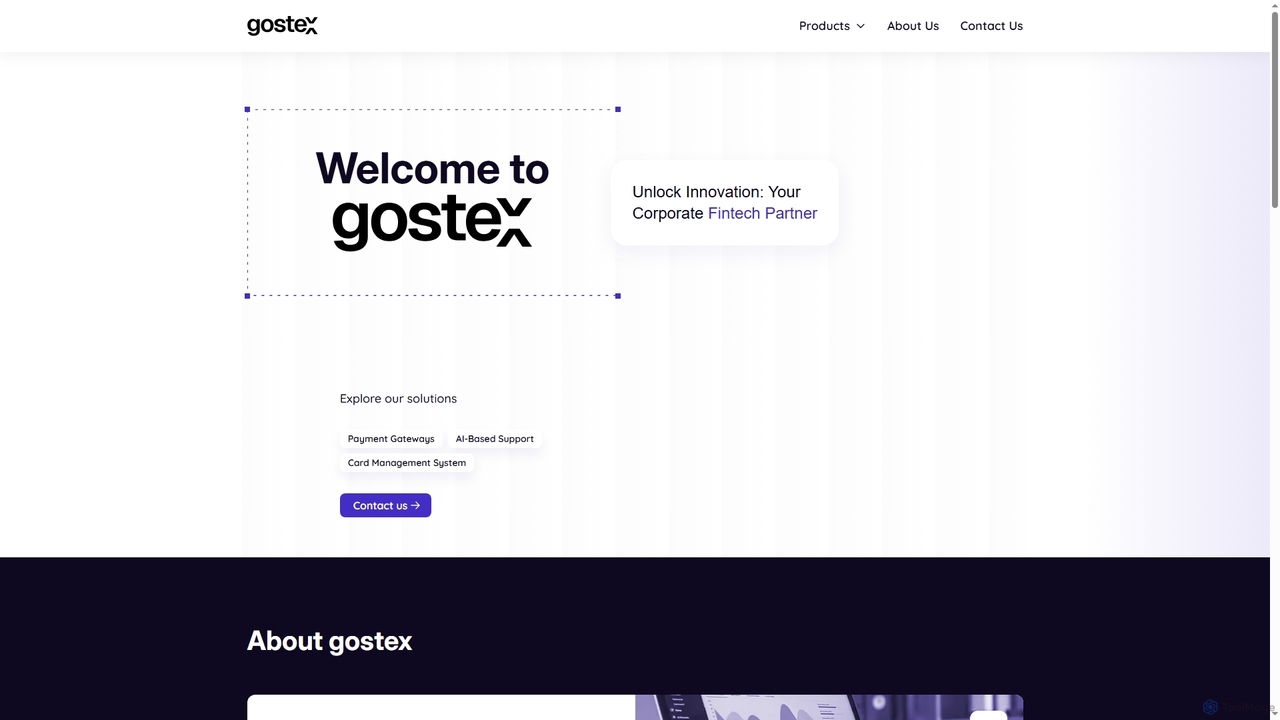
Gostex offers white-label fintech solutions, empowering businesses with customizable payment gateways, AI-based customer support, and robust card management systems. It focuses on enhancing customer experiences, streamlining operations, and ensuring high security and compliance for financial services.

White Label
Visits 5.8KFavorites 144Likes 132

About White Label

White Label AI tools are ready-made software solutions that a company can rebrand and sell as its own product. These platforms are fully developed and maintained by a provider, allowing a reseller to apply their own branding, logo, and domain. This model enables businesses to offer sophisticated AI capabilities to their clients without the significant investment in research, development, and infrastructure. It serves as a powerful business solution for rapidly expanding service offerings and entering new markets with a proven technology.

Core Features

  • Complete Rebranding: Customize the user interface with your own logo, color scheme, and domain name to maintain brand consistency.
  • Multi-Tenant Architecture: Securely manage multiple end-client accounts from a single, centralized dashboard, with data isolated for each client.
  • User and Subscription Management: Onboard new customers, define pricing tiers, and manage billing cycles directly through the reseller portal.
  • Backend Maintenance and Updates: The original provider handles all technical infrastructure, server maintenance, security, and feature updates, ensuring a reliable service.

Use Cases

These tools are widely used by marketing agencies, SaaS companies, and consultants. For instance, a digital marketing agency can offer a white-labeled AI content generation tool to its clients under its own brand. Similarly, a CRM software company can integrate a white-label AI chatbot to enhance its customer support features without diverting its own development resources.

How to Choose

When selecting a White Label AI tool, evaluate the depth of customization offered—is it just a logo swap or a full UI reskin? Assess the integration capabilities, such as API access and webhooks, to ensure it fits your existing ecosystem. Critically review the pricing model (e.g., flat fee, revenue share, per-user cost) and confirm the provider offers reliable technical support and a clear product roadmap.

White Label use cases

1

Marketing Agency Expands Service Offerings

A digital marketing agency wants to offer AI-powered content creation and SEO analysis services to its clients without building the technology in-house. By subscribing to a White Label AI platform, the agency can instantly rebrand a suite of AI tools with its own logo and color scheme. They can then create tiered subscription plans for their clients, offering services like blog post generation, social media caption writing, and keyword research. This allows the agency to add a high-value, recurring revenue stream and position itself as a technology-forward partner, all while the white-label provider handles the complex AI development and maintenance.

2

Launch a Branded AI Content Service for Clients

A digital marketing agency wants to add a new, high-margin service without hiring developers. By using a white-label AI content writer, they can instantly offer AI-powered blog post generation, social media updates, and ad copy creation under their own brand. They customize the platform's interface with their logo and colors, set their own pricing tiers, and manage all their clients from a single dashboard. This allows the agency to generate a new recurring revenue stream and provide more value to clients, strengthening their market position.

3

Integrate an AI Chatbot into an Existing SaaS Platform

A SaaS company providing project management software wants to enhance its product with customer support automation. Instead of building a chatbot from scratch, which would take months and significant resources, they license a white-label AI chatbot. They integrate it into their platform via an API and customize its appearance to match their branding. The chatbot now handles common user queries 24/7, reducing the load on their support team and improving user satisfaction. This integration adds a premium feature to their offering, helping them attract and retain more customers.

4

SaaS Platform Rapidly Integrates AI Features

A project management SaaS company identifies a need for an AI-powered assistant to help users summarize tasks and generate reports. Instead of dedicating a year of development resources to build this feature, they partner with a White Label AI provider. Using the provider's API, they seamlessly integrate the AI assistant into their existing platform's UI. The feature appears as a native part of their software, enhancing user value and competitive advantage almost overnight. This strategy allows them to focus on their core project management functionalities while still delivering cutting-edge AI capabilities to their user base.

5

Build a Niche AI SaaS Business Rapidly

An entrepreneur identifies a market need for an AI tool that generates real estate property descriptions. Instead of spending a year and significant capital on development, they partner with a white-label AI platform. They use the platform's core technology, rebrand it as "RealtyWrite AI," and focus their efforts on marketing to real estate agents. This strategy allows them to launch a fully functional SaaS product in a matter of weeks, test their business idea with minimal risk, and start generating revenue much faster than traditional development would allow.

6

Entrepreneur Launches a Niche AI Service

An entrepreneur with deep industry knowledge in real estate wants to launch an AI tool specifically for writing property descriptions. Lacking a technical team, they opt for a white-label AI writing tool. They rebrand the platform as "RealtyWriter," customize the user interface with real estate-specific terminology and templates, and set their own pricing. This allows them to go to market in a matter of weeks instead of years. They can focus entirely on marketing, sales, and customer relationships within their niche, leveraging a powerful, pre-built AI engine as the backbone of their business.

7

Provide AI-Enhanced Web Design Services

A web development agency offers website building services to small businesses. To differentiate themselves, they partner with a white-label AI website builder. This allows them to offer clients an "AI-powered" design process where the AI generates initial layouts, color palettes, and content suggestions based on the client's industry. The agency then refines these AI-generated designs. This approach speeds up their workflow, allows them to handle more projects simultaneously, and provides a unique selling proposition that attracts tech-savvy clients.

8

Consultants Providing AI-Powered Analytics

A business consultancy firm specializes in optimizing supply chains for retail clients. To enhance their service, they adopt a white-label AI analytics platform. They configure the platform to ingest client data (sales, inventory, logistics) and use the AI's predictive modeling to generate optimization reports. The entire platform, including the client-facing dashboards and reports, is branded with the consultancy's logo. This enables them to provide a sophisticated, data-driven service that appears proprietary, increasing their perceived value and allowing them to command higher fees without becoming a software development company.

9

Deliver Branded AI Analytics Reports to Enterprises

A business consultancy firm specializes in market trend analysis. To enhance their services, they use a white-label AI analytics platform that processes large datasets and identifies key insights. The consultants can upload client data, run complex analyses, and generate comprehensive reports. Crucially, these reports are fully branded with the consultancy's logo and formatting. This allows them to deliver sophisticated, data-driven recommendations quickly, reinforcing their image as a tech-forward, authoritative firm without needing an in-house data science team.

10

Web Agencies Offering AI-Powered Site Builders

A web development agency wants to differentiate itself by offering clients an AI-powered website builder. They partner with a white-label provider that offers an AI site generator. The agency rebrands the tool as their proprietary "InstaSite Builder." When onboarding new clients with smaller budgets, they can now offer a rapid, AI-driven site creation service. The client uses the agency-branded tool to generate a basic website by answering a few questions, and the agency's developers then perform final customizations. This creates a new, lower-cost service tier that attracts a wider range of customers.

11

Expand Service Offerings with a Bundled AI Tool

A web hosting company wants to increase customer lifetime value and reduce churn. They decide to bundle an additional service with their premium hosting plans. They choose a white-label AI email marketing tool and offer it as a free add-on. The tool is presented under the hosting company's brand, creating a more comprehensive service package. This value-add makes their premium plans more attractive, encourages customers to upgrade, and increases loyalty by integrating a useful, branded tool directly into the customer's ecosystem.

12

Educational Platforms Deploying AI Writing Tutors

An online learning platform wants to provide students with an AI-powered writing assistant for instant feedback on essays and assignments. Developing this technology is complex and outside their core focus. They choose a white-label AI writing tutor solution. The tool is integrated directly into their learning management system (LMS), appearing as a native feature called "Writing Coach." Students can submit their drafts and receive immediate suggestions on grammar, clarity, and structure, all within the familiar platform environment. This significantly enhances the educational value of the platform without requiring a dedicated AI research team.

White Label FAQ

What are White Label AI tools?

White Label AI tools are fully developed AI applications that a company can purchase from a provider, rebrand with its own logo and colors, and sell to its customers as its own product. The provider handles the technology, maintenance, and updates, while the reseller focuses on marketing, sales, and customer relationships. This model allows businesses to quickly enter the AI market without the high costs and long timelines of in-house development.

What are White Label AI tools?

White Label AI tools are fully developed, ready-to-use AI software applications that a business can purchase, rebrand with its own logo and identity, and sell to its customers as its own. The original developer handles all the backend technology, maintenance, and updates. This model allows companies, such as marketing agencies or SaaS providers, to quickly offer advanced AI services without the time and expense of building them from scratch. It's essentially a shortcut to launching a new, branded AI product.

How to choose the right White Label AI solution?

Choosing the right solution involves evaluating several key factors. First, assess the level of customization; ensure you can fully rebrand the interface. Second, analyze the feature set and its relevance to your target market. Third, understand the pricing structure—is it a flat fee, per-user, or revenue share, and does it allow for healthy profit margins? Finally, investigate the provider's reliability, support for partners, and their product development roadmap to ensure long-term viability.

What is the difference between a White Label AI tool and using an API?

The main difference lies in completeness and speed to market. A White Label tool is a complete, ready-to-deploy product with a user interface that you can rebrand. An API (Application Programming Interface) is a building block; it provides access to an AI model's capabilities, but you must build your own application, user interface, and infrastructure around it.

  • White Label: Faster to launch, less technical work, but less customization flexibility. Ideal for non-technical teams or businesses wanting to resell a finished product.
  • API: Slower to launch, requires significant development work, but offers complete control over the user experience and feature set. Ideal for development teams integrating AI into an existing product.

What's the difference between White Label AI and using an API?

A White Label AI solution is a complete, ready-to-sell product with a user interface (UI) that you can rebrand. An API (Application Programming Interface) is a backend service that provides access to AI capabilities but requires you to build your own front-end application and UI from scratch. White Label is ideal for quickly launching a full-fledged service with minimal development. An API is better for businesses that need to deeply integrate specific AI functions into their existing, custom-built software.

How do I choose the right White Label AI solution for my business?

To choose the right solution, consider these key factors:

  • Customization Depth: Determine how much you can rebrand the tool. Is it just adding a logo, or can you fully customize the UI, domain, and email notifications?
  • Feature Set: Ensure the tool's core features align perfectly with the needs of your target customers. Check the provider's roadmap for future updates.
  • Pricing Model: Analyze the cost structure. Is it a fixed monthly fee, a percentage of your revenue, or a per-user cost? Model this against your projected sales to ensure profitability.
  • Technical Support: Verify the level of support the provider offers you as a reseller. Quick and reliable support is crucial when your own customers encounter issues.

What are the main advantages of using a White Label AI tool?

The primary advantages are speed and cost-effectiveness. You can launch a sophisticated AI product in weeks instead of months or years, and for a fraction of the cost of building it yourself. Other key benefits include:

  • Focus on Core Business: Allows you to concentrate on marketing and sales, not complex software development.
  • Brand Strengthening: Offering an innovative AI tool under your brand enhances your company's image.
  • New Revenue Streams: Easily add a new, recurring revenue source to your business.
  • Reduced Risk: You are leveraging a proven, tested technology, minimizing development and market risks.

Who typically uses White Label AI platforms?

White Label AI platforms are primarily used by businesses that want to sell an AI product without developing it themselves. Key user groups include:

  • Digital Marketing Agencies: To offer clients services like AI content generation, SEO analysis, or social media management under their own brand.
  • SaaS Companies: To quickly add AI features (like chatbots or analytics) to their existing software, enhancing their product's value.
  • Entrepreneurs and Startups: To launch a niche AI service quickly and test a market without a large upfront investment in technology.
  • Consultants: To provide data-driven insights and automated reports to clients using a branded analytics platform.

What are the main advantages of a White Label AI model?

The primary advantages of using a White Label AI model are speed, cost-efficiency, and focus.

  • Speed to Market: You can launch a sophisticated AI product or feature in weeks or months, rather than the years it might take to build from scratch.
  • Cost Savings: It eliminates the massive upfront costs of research, development, hiring specialized AI talent, and maintaining complex infrastructure.
  • Focus on Core Business: It allows you to concentrate on what you do best—marketing, sales, and customer service—while a dedicated partner handles the technology.
  • Proven Technology: You are leveraging a product that is already developed, tested, and likely used by others, reducing technical risks.

Who is the ideal user for White Label AI tools?

White Label AI tools are ideal for businesses and entrepreneurs who want to offer AI-powered services without building the technology themselves. This includes:

  • Digital Marketing Agencies: To expand their service offerings with AI content creation, SEO, or ad management tools.
  • SaaS Companies: To quickly add new features and value to their existing platforms.
  • Entrepreneurs: To launch new AI-based businesses with low upfront investment and fast time-to-market.
  • Consultants and Coaches: To provide branded, data-driven tools and reports to their clients.