Youper
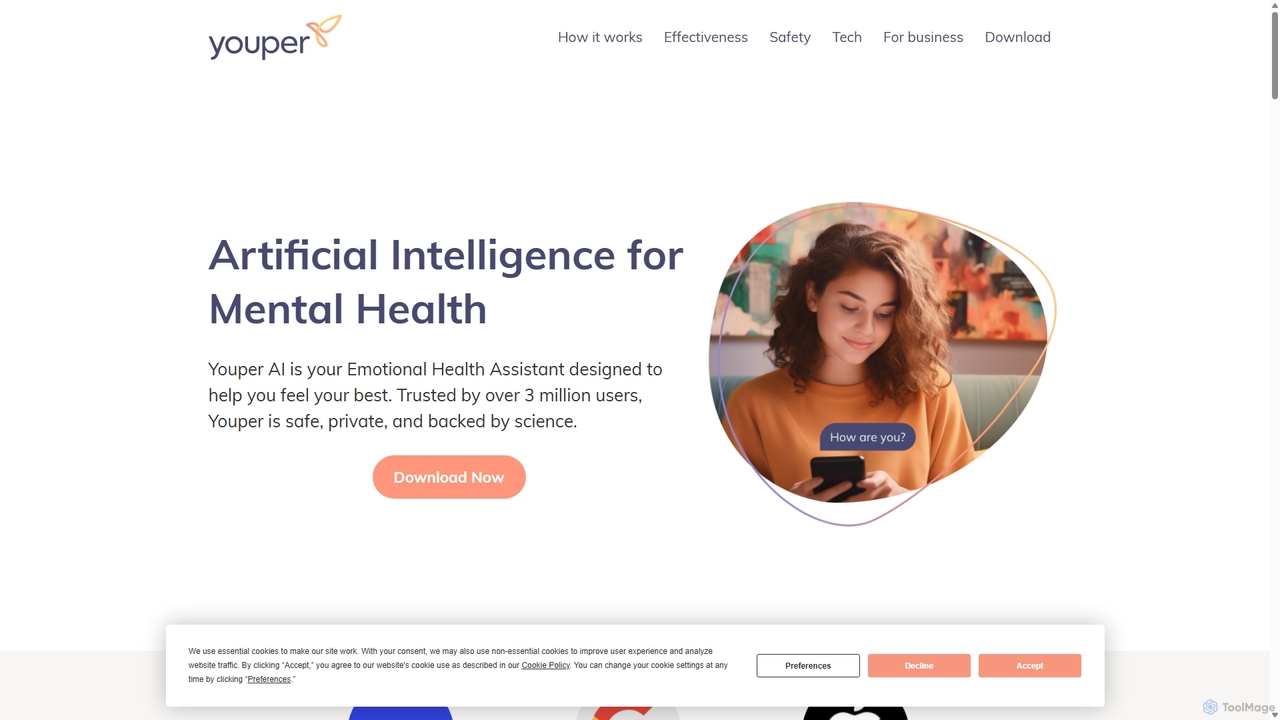
Youper is an AI-powered Emotional Health Assistant designed to help you feel your best. Using evidence-based techniques like …
Youper is an AI-powered Emotional Health Assistant designed to help you feel your best. Using evidence-based techniques like Cognitive Behavioral Therapy (CBT), it engages in supportive conversations to help you manage anxiety, depression, and other emotional challenges. Trusted by millions and clinically validated by researchers at Stanford University, Youper provides accessible, private, and on-demand mental health support.
Steno.ai
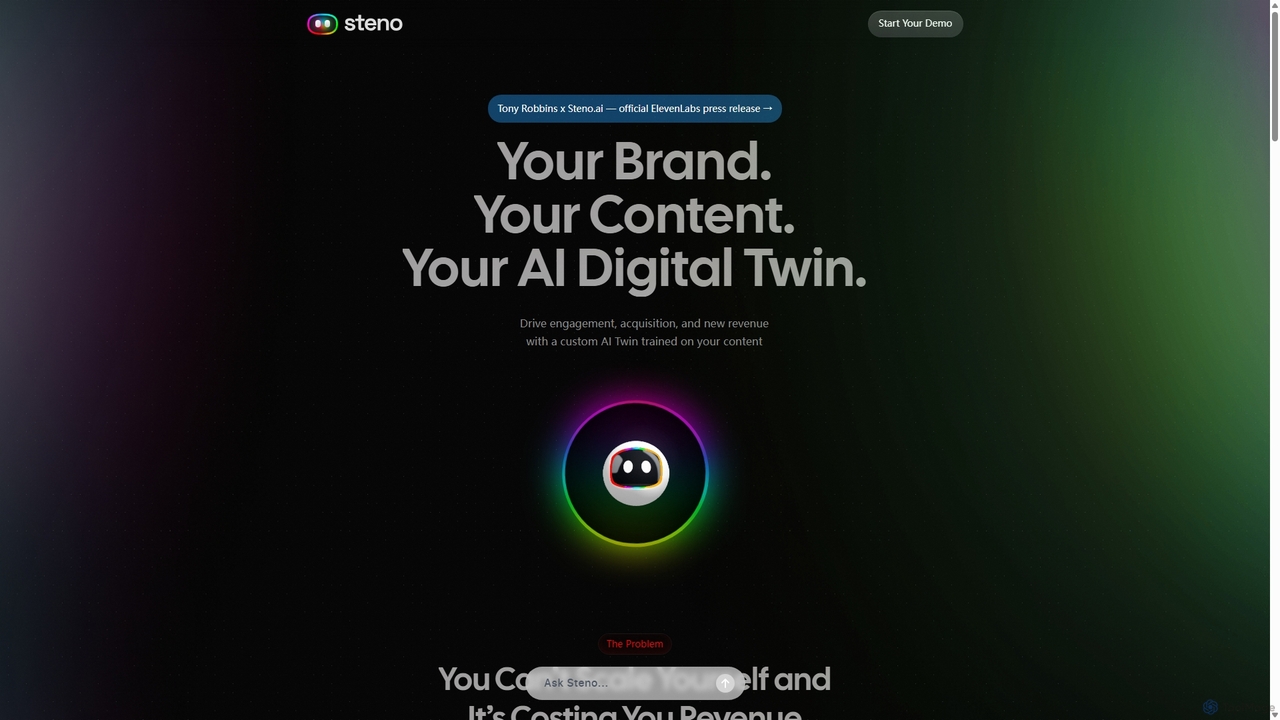
Steno.ai creates a custom AI Digital Twin of you or your brand, trained on your unique content. This …
Steno.ai creates a custom AI Digital Twin of you or your brand, trained on your unique content. This AI twin engages users 24/7 through voice and chat, answering questions, capturing leads, and driving revenue. Easily embeddable on any website, it scales your presence and multiplies human connection, allowing you to have personalized conversations with your audience at scale.
Zaplingo
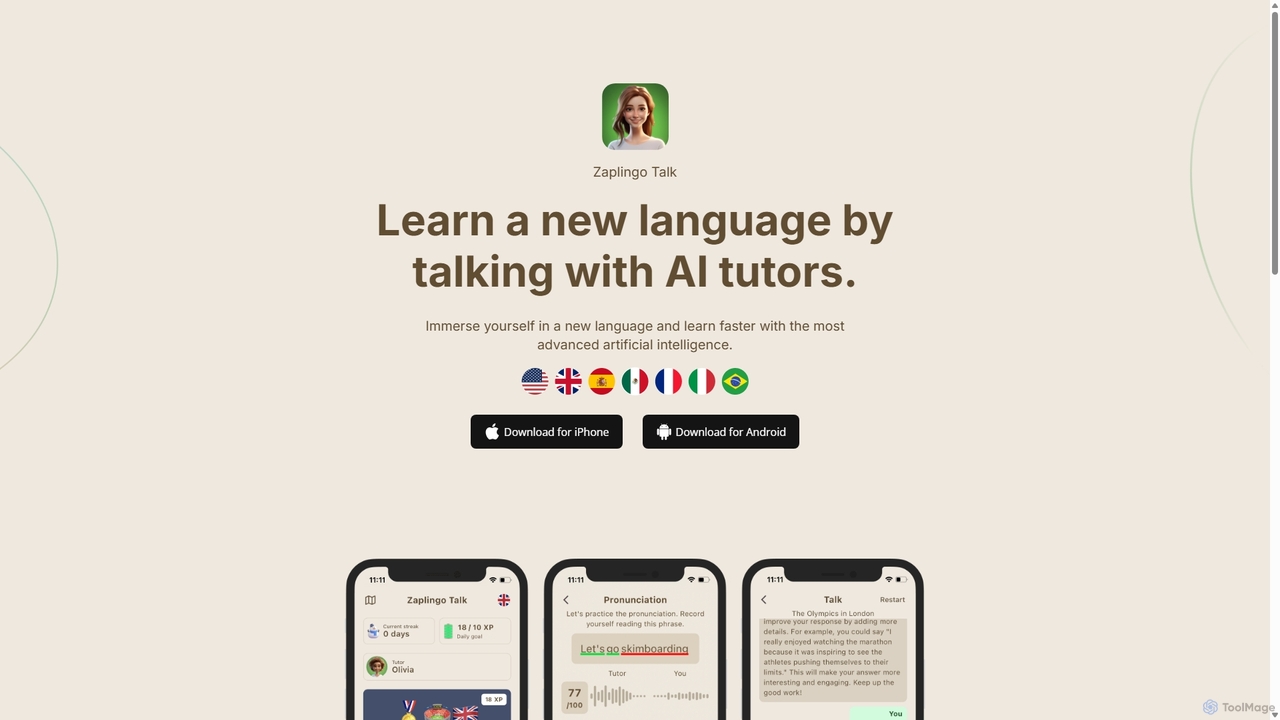
Zaplingo is an AI-powered language tutor available on WhatsApp and Telegram. It helps you practice speaking and improve …
Zaplingo is an AI-powered language tutor available on WhatsApp and Telegram. It helps you practice speaking and improve fluency through realistic conversations with AI tutors. Get instant feedback on pronunciation and grammar in a stress-free environment, supporting languages like English, Spanish, French, and Italian.
getdeltadriven
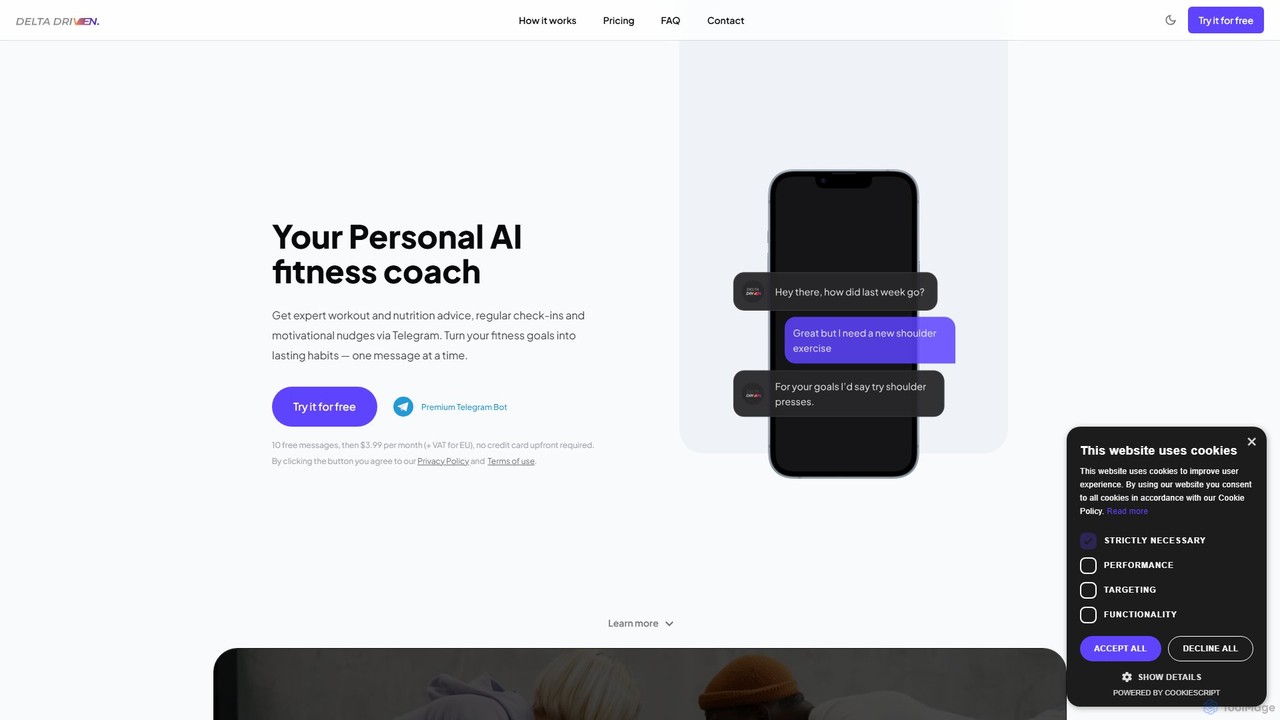
getdeltadriven is an AI-powered personal fitness coach available 24/7 on Telegram. It provides personalized workout plans, nutrition advice, …
getdeltadriven is an AI-powered personal fitness coach available 24/7 on Telegram. It provides personalized workout plans, nutrition advice, and motivational support tailored to your unique goals. Track progress, get calorie estimates from food photos, and build lasting habits with this affordable and accessible pocket trainer.
About Ai Assistants
AI Assistants are a sophisticated category of chatbots designed to proactively perform tasks and provide personalized support for users. Unlike traditional chatbots that primarily react to queries, AI Assistants leverage deep learning and integration with other applications to understand context, anticipate needs, and automate complex workflows. They act as intelligent partners, helping individuals and teams manage schedules, draft communications, and streamline daily operations, ultimately enhancing productivity.
Core Features
- Proactive Task Automation: Automatically performs actions like scheduling meetings, sending reminders, or organizing files based on user behavior and context.
- Cross-Application Integration: Connects with calendars, email clients, and project management tools to execute tasks across different platforms.
- Personalized Recommendations: Learns user preferences and habits to offer relevant suggestions, information, and shortcuts.
- Natural Language Command: Understands and executes complex, multi-step commands given in conversational language.
- Contextual Awareness: Maintains context across conversations and applications to provide more relevant and accurate assistance.
Use Cases
AI Assistants are widely used by professionals for personal productivity, by teams for automating project management workflows, and within software applications to provide intelligent, in-context user guidance. For example, an assistant can summarize a meeting transcript and automatically create follow-up tasks in a project tool.
How to Choose
When selecting an AI Assistant, consider its integration capabilities with your existing tools. Evaluate the depth of its task automation features and its ability to learn and adapt to your specific workflows. Also, review the platform's security protocols for handling personal and company data, and compare pricing models based on your usage frequency and feature requirements.
Ai AssistantsUse Cases
Automating Meeting Workflows
For project managers and team leads, managing meeting follow-ups is time-consuming. An AI Assistant can integrate with video conferencing and project management tools. It automatically transcribes the meeting, identifies key action items and decisions, and creates corresponding tasks in tools like Asana or Jira, assigning them to the correct team members with deadlines. This eliminates manual data entry and ensures accountability.
Intelligent Email Triage and Drafting
Busy executives and sales professionals receive hundreds of emails daily. An AI Assistant can connect to their inbox, automatically categorizing emails by priority, summarizing long threads, and drafting context-aware replies. For instance, it can identify an inquiry about a meeting, check the user's calendar for availability, and draft a response with suggested times, requiring only a quick review and approval from the user.
Personalized Daily Briefing and Scheduling
For any professional looking to start their day organized, an AI Assistant can act as a personal chief of staff. Each morning, it can provide a consolidated briefing that includes the day's calendar events, priority tasks from a to-do list, important unread emails, and relevant news updates. It can also proactively reschedule conflicting appointments by negotiating times with other attendees' assistants.
Streamlining Research and Content Curation
Content creators and researchers can use an AI Assistant to accelerate information gathering. By giving it a topic, the assistant can scan the web, internal documents, and subscription services to find relevant articles, studies, and data points. It then summarizes the key findings, organizes them into a structured brief, and cites the sources, saving hours of manual research and reading.
In-App User Guidance and Onboarding
Software developers and product managers can embed an AI Assistant directly into their applications. This assistant provides proactive, context-sensitive help to new users. For example, if a user is struggling with a complex feature, the assistant can pop up with a short tutorial, suggest the next best action, or answer questions in natural language, improving user onboarding and reducing support tickets.
Managing Personal Tasks and Smart Home Devices
Beyond professional use, AI Assistants excel at managing personal life. A user can verbally ask the assistant to add items to a shopping list, set reminders for appointments, play a specific music playlist, and control smart home devices like lights or thermostats. The assistant centralizes control over various digital and physical aspects of a user's environment, simplifying daily routines.