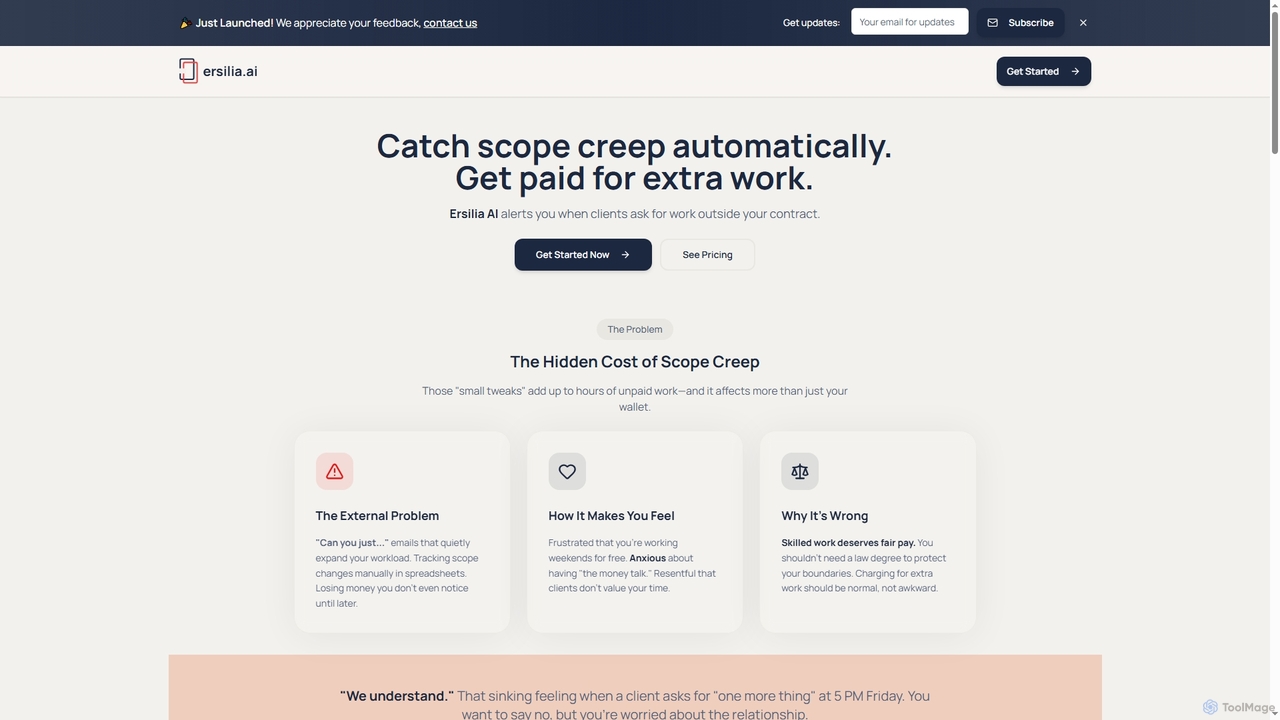
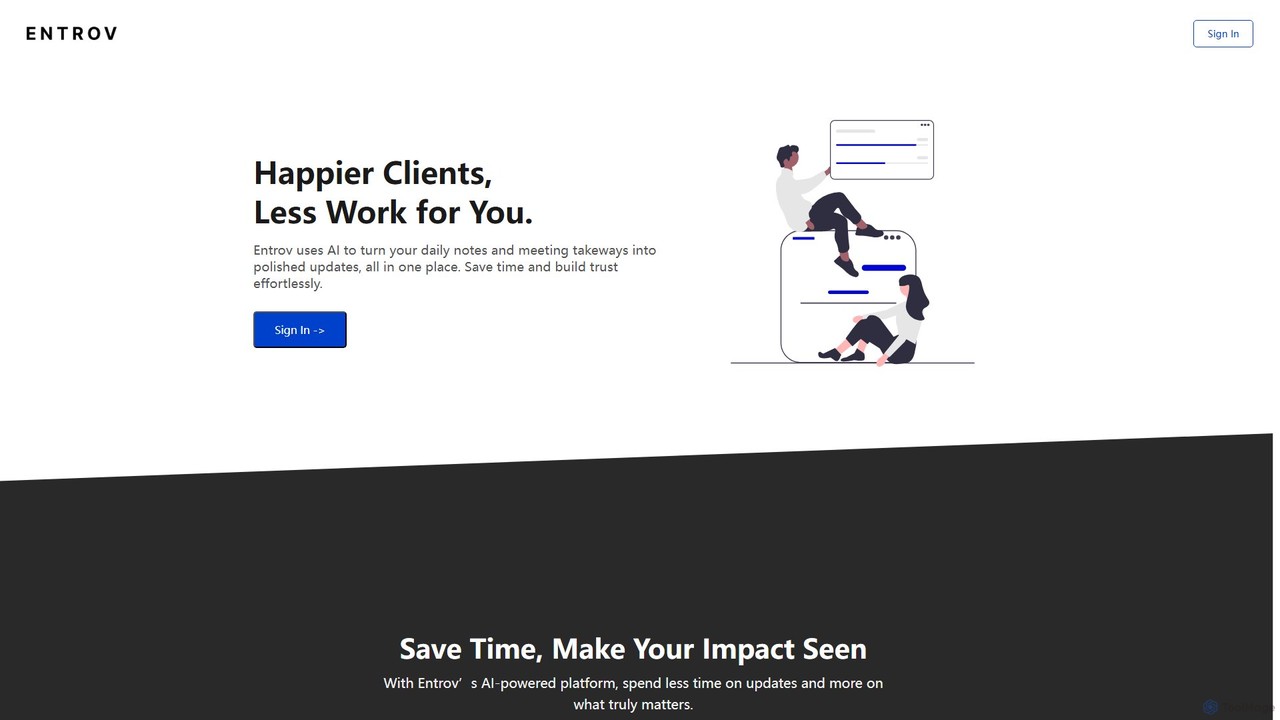
AI Communication tools are a specialized category within client management designed to automate and enhance interactions with customers. These tools leverage Natural Language Processing (NLP) and machine learning to understand, generate, and personalize messages across various channels like email, chat, and social media. They enable businesses to maintain consistent, timely, and context-aware conversations, significantly improving client satisfaction and operational efficiency. By analyzing sentiment and automating responses, these platforms empower teams to focus on high-value interactions.
Core Features
- Automated Messaging Workflows: Design and deploy sequences of personalized emails or messages triggered by client actions or time intervals.
- Sentiment Analysis: Automatically analyze the emotional tone of incoming client messages to prioritize urgent issues and gauge satisfaction.
- AI-Powered Response Generation: Assist agents by drafting contextually appropriate replies to common client inquiries, speeding up response times.
- Multichannel Inbox: Consolidate conversations from various platforms (email, web chat, social media) into a single, unified view for agents.
- Conversation Summarization: Use AI to generate concise summaries of long email threads or chat histories for quick context.
Use Cases
These tools are frequently used by customer support teams, sales representatives, and account managers in industries like SaaS, e-commerce, and professional services. Common applications include automating client onboarding sequences, triaging support tickets based on urgency, and executing personalized lead nurturing campaigns at scale.
How to Choose
When selecting an AI Communication tool, consider its integration capabilities with your existing CRM or helpdesk software. Evaluate the range of supported channels to ensure they match your clients' preferences. Assess the sophistication of its automation and AI features, from simple rule-based triggers to advanced conversational AI. Finally, review the analytics and reporting functions to measure performance and gain insights into client interactions.