Cloud Computing Best in category 1 results Kubernetes Tools AI Tool

Popular AI tools in the Kubernetes Tools field of Cloud Computing include Raven, etc., helping you quickly improve efficiency.

Raven

Raven

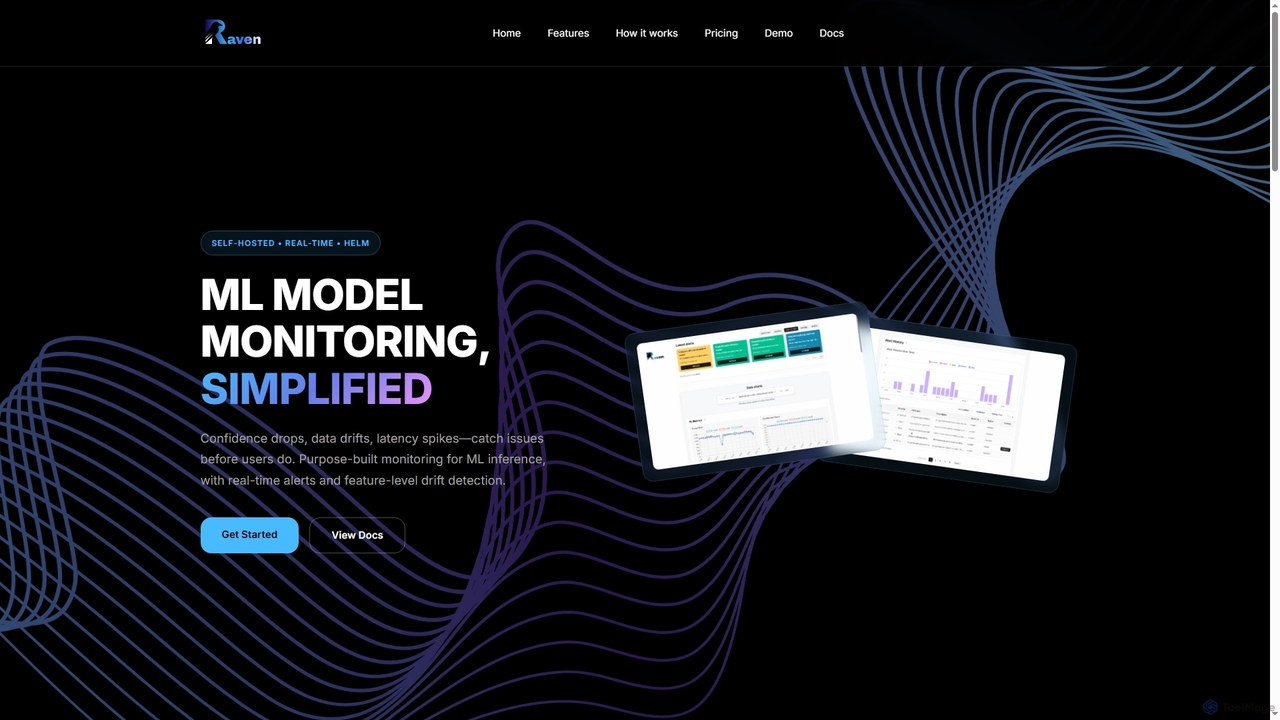
Raven is a self-hosted, real-time ML model monitoring platform designed to simplify observability for AI pipelines. It detects …

5.5K

About Kubernetes Tools

Kubernetes Tools are a specialized category of software solutions designed to enhance the management, deployment, and scaling of containerized applications within Kubernetes environments. These tools streamline complex operations, improve observability, and ensure the reliability of cloud-native infrastructure. As a vital part of the Cloud Computing ecosystem, they empower developers, DevOps engineers, and SREs to efficiently orchestrate and maintain their container workloads, reducing operational overhead and accelerating development cycles.

Core Features

  • Cluster Management: Automate the provisioning, scaling, and lifecycle management of Kubernetes clusters across various cloud providers or on-premises.
  • Monitoring & Observability: Provide real-time insights into cluster health, application performance, logs, and metrics for proactive issue detection and resolution.
  • CI/CD Integration: Facilitate seamless integration with continuous integration and continuous delivery pipelines for automated application deployments and updates.
  • Security & Compliance: Implement robust security policies, scan for vulnerabilities, and ensure compliance with industry standards across the Kubernetes stack.
  • Cost Optimization: Analyze resource utilization and recommend adjustments to reduce cloud infrastructure costs for Kubernetes workloads.

Applicable Scenarios

Organizations managing large-scale microservices architectures leverage Kubernetes Tools to automate deployments and ensure high availability. DevOps teams utilize them for continuous integration and delivery, streamlining the path from code commit to production. Site Reliability Engineers (SREs) depend on these tools for deep observability, quickly identifying and resolving performance bottlenecks and system failures in complex distributed systems.

Selection Criteria

When choosing Kubernetes Tools, consider their integration capabilities with your existing cloud infrastructure and CI/CD pipelines. Evaluate the breadth and depth of features, such as advanced monitoring, security scanning, or specific GitOps functionalities. Assess the community support and vendor reliability, alongside the pricing model and scalability to match your growing operational needs. Ease of use and a clear learning curve are also crucial for team adoption.

Kubernetes ToolsUse Cases

1

Automating Multi-Cluster Application Deployment

DevOps engineers managing applications across multiple Kubernetes clusters use these tools to define deployment strategies (e.g., GitOps) and automate rollouts. This ensures consistent application versions, reduces manual errors, and accelerates release cycles, allowing for rapid iteration and reliable updates across diverse environments.

2

Automating Application Deployment with GitOps

DevOps engineers leverage Kubernetes Tools that implement GitOps principles to automate the deployment and management of applications. By defining desired states in Git repositories, these tools ensure that cluster configurations and application versions are continuously synchronized, enabling rapid, consistent, and auditable deployments across environments, significantly reducing manual errors and deployment times.

3

Real-time Monitoring and Troubleshooting of Microservices

Site Reliability Engineers (SREs) leverage Kubernetes monitoring tools to gain deep insights into the health and performance of their microservices. These tools collect metrics, logs, and traces, enabling proactive identification of bottlenecks, rapid diagnosis of issues, and efficient troubleshooting, minimizing downtime and improving application stability.

4

Real-time Monitoring of Cluster Health

Site Reliability Engineers (SREs) utilize Kubernetes monitoring tools to gain real-time visibility into the health and performance of their clusters and applications. These tools collect metrics, logs, and traces from various components, allowing SREs to proactively identify resource bottlenecks, application errors, and potential outages, ensuring high availability and optimal performance of critical services.

5

Enhancing Kubernetes Cluster Security and Compliance

Security teams utilize Kubernetes security tools to enforce policies, scan for vulnerabilities, and ensure compliance with industry standards. These tools provide runtime protection, network segmentation, and audit trails, safeguarding containerized workloads from threats and maintaining regulatory adherence within the dynamic Kubernetes ecosystem.

6

Managing Multi-Cloud Kubernetes Deployments

Platform engineers in large enterprises use Kubernetes management tools to orchestrate and govern applications deployed across multiple Kubernetes clusters, spanning different cloud providers or hybrid environments. These tools provide a unified control plane, simplifying policy enforcement, resource allocation, and application lifecycle management, which is crucial for complex, distributed architectures.

7

Optimizing Resource Utilization and Cost Management

Cloud architects and finance teams employ Kubernetes cost optimization tools to analyze resource consumption and identify inefficiencies. By providing granular visibility into CPU, memory, and network usage per pod or namespace, these tools help right-size clusters, prevent over-provisioning, and reduce cloud infrastructure expenses significantly.

8

Enhancing Container Security and Compliance

Security teams employ Kubernetes security tools to enforce robust security policies, scan container images for vulnerabilities, and monitor runtime behavior for suspicious activities. These tools help ensure compliance with regulatory standards by providing audit trails, access controls, and network segmentation, protecting sensitive data and preventing unauthorized access within the Kubernetes ecosystem.

9

Streamlining CI/CD Pipelines for Containerized Apps

Development teams integrate Kubernetes CI/CD tools to automate the build, test, and deployment processes for containerized applications. These tools facilitate continuous integration and continuous delivery directly to Kubernetes clusters, accelerating developer workflows, improving code quality, and ensuring faster time-to-market for new features.

10

Optimizing Cloud Resource Costs for Workloads

FinOps practitioners and cloud architects use Kubernetes cost optimization tools to analyze resource consumption patterns of their containerized applications. These tools provide insights into underutilized resources, recommend right-sizing of pods and nodes, and identify opportunities to leverage spot instances or reserved capacity, leading to substantial reductions in cloud infrastructure expenses.

11

Managing Service Mesh for Advanced Traffic Control

Network engineers and platform teams use Kubernetes service mesh tools to manage inter-service communication, traffic routing, and policy enforcement. This enables advanced capabilities like A/B testing, canary deployments, and circuit breaking, enhancing the resilience, observability, and security of distributed applications.

12

Streamlining Microservices Troubleshooting

Developers and support teams rely on Kubernetes debugging and observability tools to quickly diagnose and resolve issues within complex microservices architectures. These tools offer distributed tracing, log aggregation, and interactive dashboards, enabling engineers to pinpoint the root cause of failures, understand service dependencies, and accelerate the mean time to resolution (MTTR) for application problems.

Kubernetes ToolsFrequently Asked Questions