ToolMage
Sign in

Best 4 Coaching AI tools

Popular Coaching AI tools include SOLOaide, SwingSight, InstructorHub, and Northstar AI, helping you work more efficiently.

Northstar AI
Freemium

Northstar AI

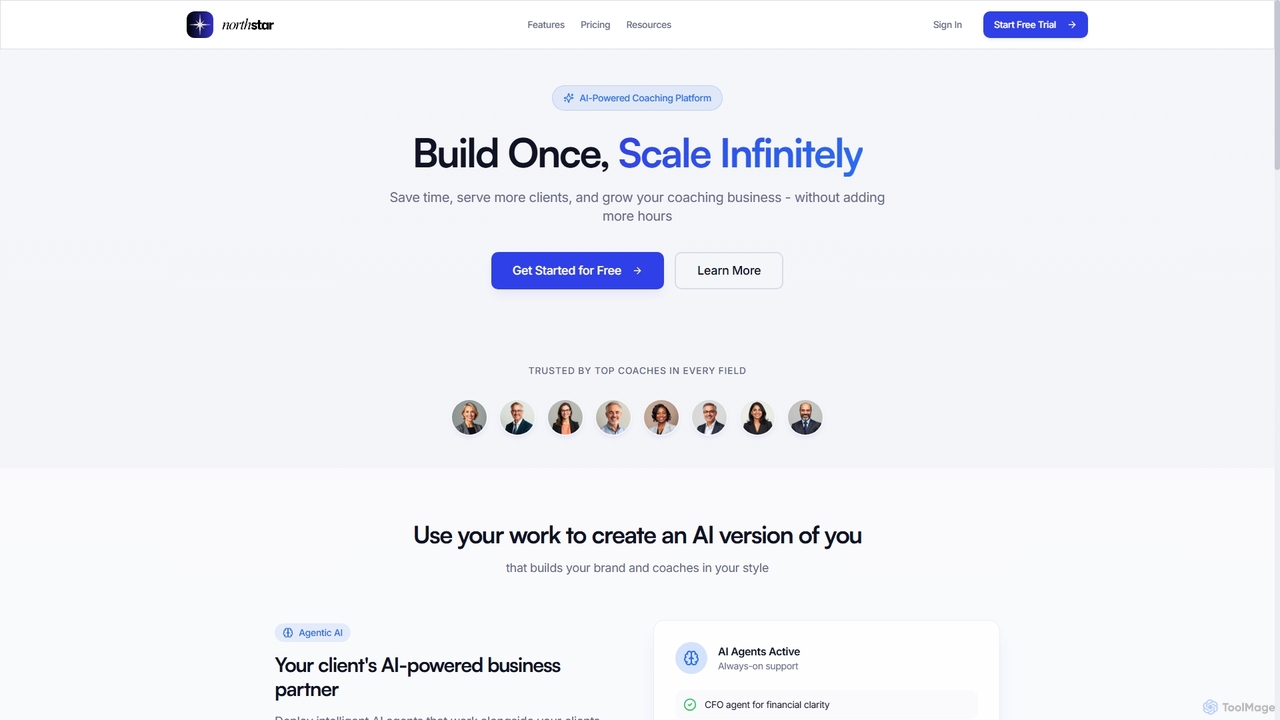
Northstar AI is an AI-powered coaching platform designed to help coaches scale their business, save time, and serve more clients by creating a personalized AI version of themselves. It leverages proprietary content to deliver tailored guidance, offers 24/7 client support, and provides valuable audience insights, all while ensuring data privacy and IP protection.

Scaling
Visits 3.4KFavorites 23Likes 25
SOLOaide

SOLOaide

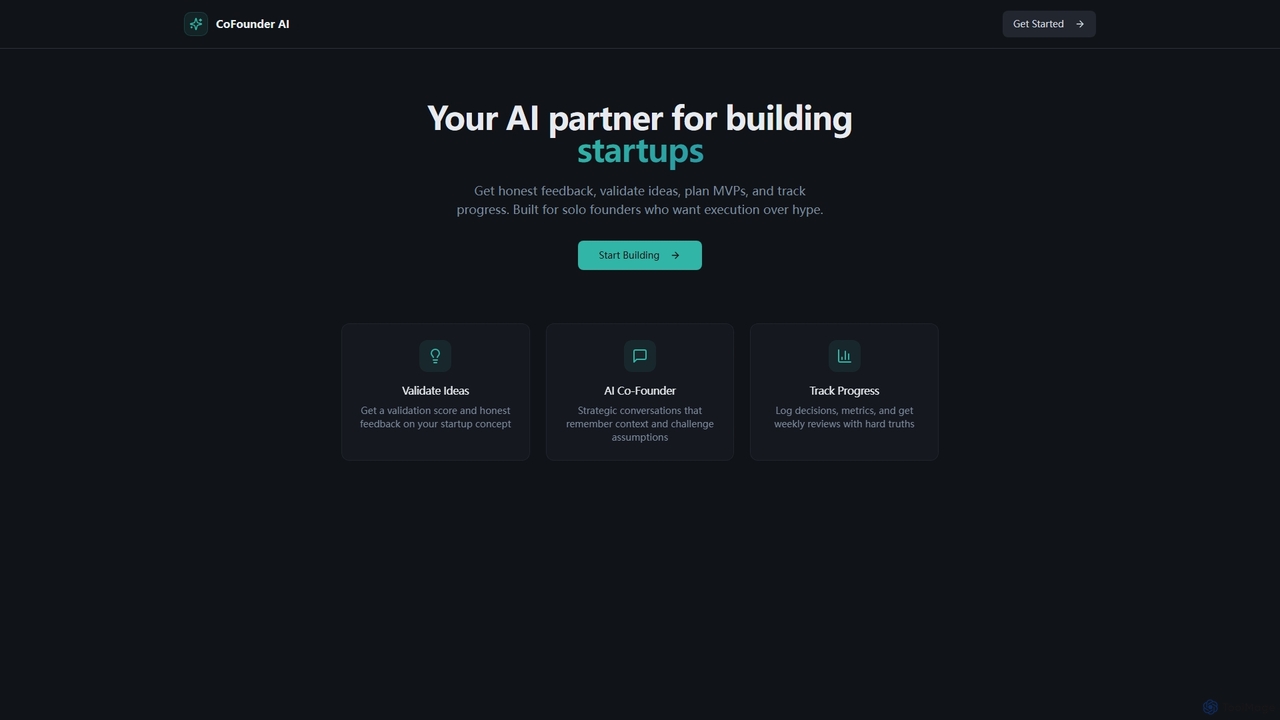
SOLOaide is an AI partner designed for solo founders to navigate the startup journey. It offers features to validate ideas with honest feedback, engage in strategic conversations as an AI Co-Founder, and track progress by logging decisions, metrics, and receiving weekly reviews.

Business Insights
Visits 4.1KFavorites 18Likes 20
SwingSight
Freemium

SwingSight

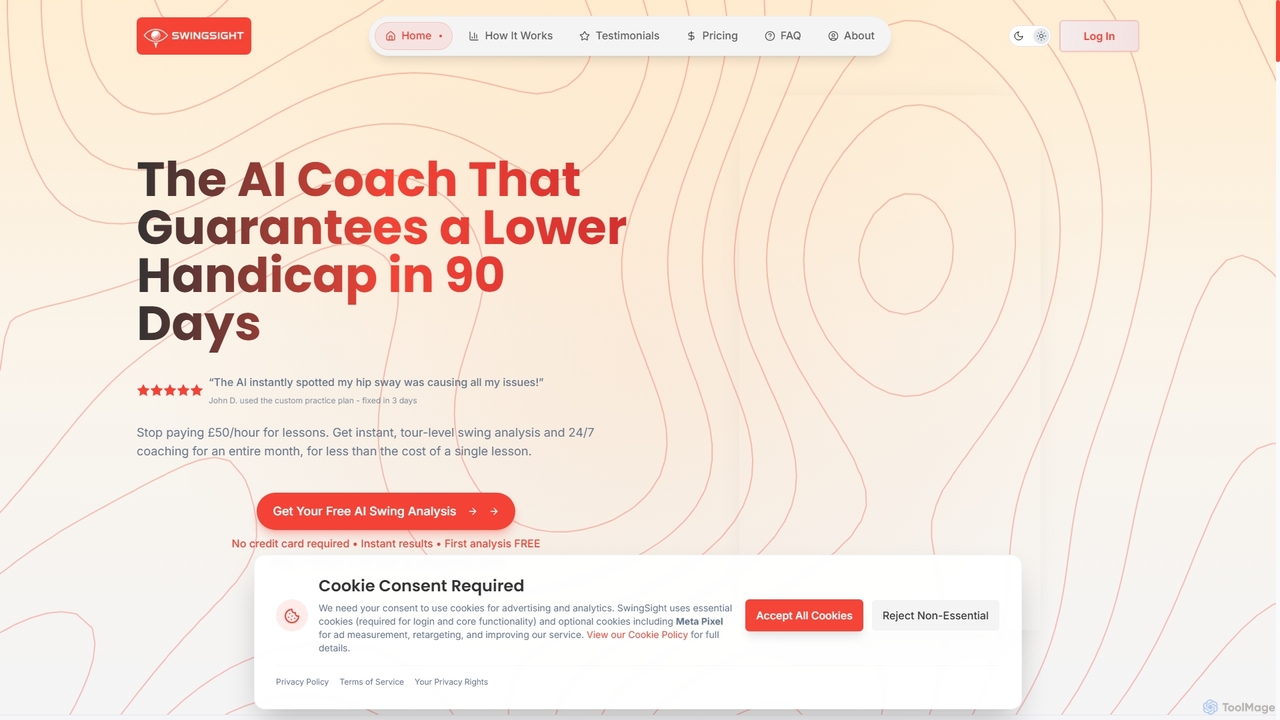
SwingSight is an AI-powered golf coaching system that provides instant, tour-level swing analysis, personalized practice plans, and a 24/7 AI golf coach. It helps golfers of all levels identify flaws, track progress, and lower their handicap significantly, offering a cost-effective alternative to traditional lessons with a 90-day money-back guarantee.

Performance Tracking
Visits 3.5KFavorites 105Likes 124
InstructorHub
Freemium

InstructorHub

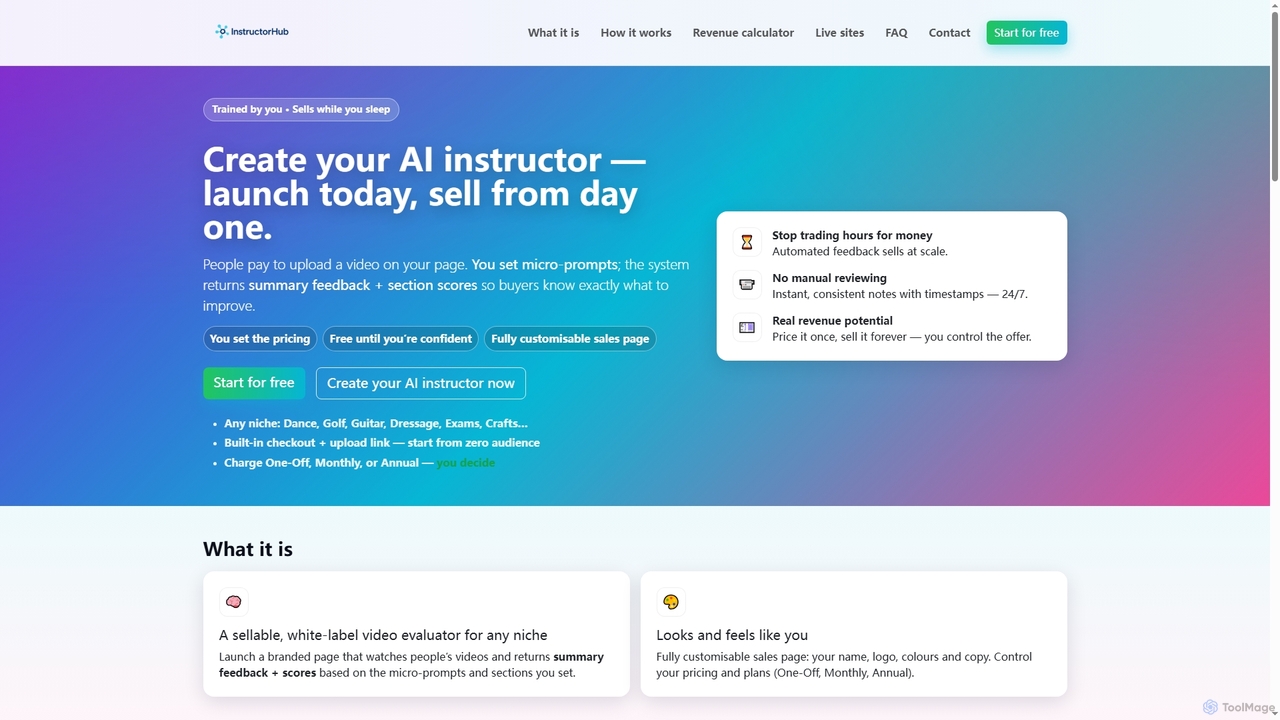
InstructorHub is an AI-powered platform that enables experts to create their own virtual instructors. It analyzes user-submitted videos, provides personalized feedback with scores and timestamps, and allows instructors to monetize their expertise through one-off, monthly, or annual plans. Ideal for any skill demonstrable via video, from dance to golf.

Monetization
Visits 3.5KFavorites 110Likes 118

About Coaching

AI Coaching tools are intelligent platforms that use artificial intelligence to provide personalized guidance, feedback, and skill development support. These tools leverage technologies like Natural Language Processing (NLP) and machine learning to analyze user performance, simulate real-world scenarios, and offer actionable insights. They are designed to help individuals and teams achieve specific goals, from improving sales pitches to developing leadership skills. The primary value lies in offering scalable, consistent, and data-driven coaching that is available on-demand.

Core Features

  • Personalized Goal Tracking: Sets and monitors progress towards specific, measurable goals tailored to the user's needs.
  • Real-time Performance Analysis: Provides instant feedback on communication skills, such as tone, clarity, and word choice during practice sessions.
  • Interactive Simulations: Offers role-playing scenarios to practice difficult conversations, presentations, or sales negotiations in a safe environment.
  • Customized Learning Paths: Generates tailored content and exercises based on the user's performance and identified areas for improvement.
  • Data-driven Insights: Delivers analytics and reports that highlight progress, strengths, and persistent challenges over time.

Use Cases

AI Coaching tools are widely used in corporate settings for sales enablement, leadership development, and customer service training. Sales teams use them to refine their pitches, while new managers practice leadership skills. They are also valuable for individuals seeking to improve public speaking, prepare for job interviews, or build better personal habits.

How to Choose

When selecting an AI Coaching tool, consider the specific skill you want to develop, as platforms often specialize in areas like sales or communication. Evaluate the quality and mechanism of the feedback provided—whether it's real-time or summary-based. Also, assess its integration capabilities with your existing tools (e.g., CRM, calendar) and review its data privacy and security policies to ensure user information is protected.

Featured tool rankings

Coaching use cases

1

Improving Sales Pitch Delivery with AI Feedback

A sales representative uses an AI coaching tool to practice their product pitch before a crucial client meeting. They record their presentation, and the AI provides immediate, objective feedback. The analysis highlights areas for improvement, such as reducing filler words like 'um' and 'ah', maintaining a more consistent speaking pace, and using stronger, more persuasive language. The tool might also offer a transcript with sentiment analysis, showing which parts of the pitch resonated positively. By rehearsing with the AI coach, the representative builds confidence and refines their delivery, leading to a more impactful and successful client presentation.

2

Developing Leadership Skills for New Managers

A newly promoted manager uses an AI coaching platform to navigate challenging workplace conversations. The tool offers interactive role-playing simulations where they can practice scenarios like giving constructive feedback to a direct report or delegating tasks effectively. After each simulation, the AI provides a detailed breakdown of their communication style, suggesting alternative phrasing for better clarity and empathy. It also offers micro-learning modules on topics like active listening and conflict resolution. This continuous, private practice helps the manager build the confidence and competence needed to lead their team successfully, without the pressure of real-world consequences.

3

Mastering Public Speaking with AI Analysis

A professional preparing for a major conference presentation uses an AI coaching tool to rehearse. They upload their slides and practice their speech in front of their webcam. The AI analyzes not only their words but also their non-verbal cues, such as eye contact, posture, and hand gestures. It provides a report highlighting moments of high and low engagement, tracks vocal metrics like pitch variation and pace, and even flags jargon that might confuse the audience. This comprehensive feedback allows the speaker to identify and correct distracting habits, ensuring their final presentation is clear, confident, and engaging for the audience.

4

Enhancing Customer Service Communication

A customer support team integrates an AI coaching tool into their workflow to improve agent communication quality. The AI analyzes call transcripts and chat logs in near real-time, flagging instances where an agent's tone could be more empathetic or where their explanation of a complex issue was unclear. Instead of waiting for a weekly review with a manager, agents receive immediate, private feedback and suggestions for improvement. The platform also identifies common customer issues across the team, allowing managers to create targeted training modules addressing these specific challenges, leading to higher customer satisfaction scores and more efficient problem resolution.

5

Preparing for Job Interviews with Mock AI Sessions

A job seeker uses an AI coaching tool to prepare for an important interview. They can select the industry and role they are applying for, and the AI generates a list of relevant behavioral and technical questions. During a mock interview session, the AI records their answers and provides feedback on several dimensions: the clarity of their responses, the use of the STAR (Situation, Task, Action, Result) method, their speaking pace, and even their on-camera presence. This allows the candidate to practice answering tough questions under pressure and receive objective feedback that a friend or family member might not be able to provide, significantly boosting their confidence and preparedness.

6

Building Effective Habits for Personal Productivity

An individual aiming to improve their time management and focus uses a personal AI coach. They set goals within the app, such as 'dedicate 90 minutes to deep work each morning' or 'reduce social media usage by 50%'. The AI coach acts as an accountability partner, sending personalized reminders and motivational prompts. It tracks their progress through integrations with calendars or browser extensions and provides weekly reports visualizing their achievements and areas needing more attention. The AI can also suggest productivity techniques like the Pomodoro Technique and help schedule focused work blocks, making the process of building positive habits more structured and data-driven.

Coaching FAQ

What are AI Coaching tools?

AI Coaching tools are software platforms that use artificial intelligence to provide personalized feedback, guidance, and skill development. They simulate the role of a human coach by using technologies like machine learning and Natural Language Processing (NLP) to analyze user performance and offer data-driven insights. Key functions often include real-time communication analysis, goal tracking, interactive role-playing simulations, and customized learning paths to help users improve in areas like sales, leadership, public speaking, or personal productivity.

How do I choose the right AI Coaching tool?

To choose the right AI Coaching tool, consider these factors:

  • Coaching Focus: Identify the specific skill you want to improve. Some tools specialize in sales communication, others in leadership, public speaking, or general productivity.
  • Feedback Mechanism: Evaluate how the tool provides feedback. Is it real-time analysis during a practice session, or a summary report afterward? Does it analyze text, voice, and video?
  • Integration Capabilities: Check if it can connect with your existing workflow tools, such as your CRM, calendar, or communication platforms like Slack and Teams.
  • Data Privacy and Security: Review their policies to understand how your performance data is stored, used, and protected.
  • User Experience: Look for a tool with an intuitive interface that makes it easy to practice, track progress, and understand the feedback provided.
What is the difference between AI coaching and human coaching?

The main difference lies in scalability, accessibility, and the nature of the feedback. AI coaching is highly scalable, available 24/7, and provides objective, data-driven feedback consistently. It excels at repetitive practice and analyzing specific performance metrics. Human coaching offers deep emotional intelligence, empathy, and nuanced advice based on life experience, which AI cannot fully replicate. Human coaches can adapt their approach based on subtle cues and build a personal relationship. Often, the two are complementary: AI can be used for frequent practice and skill drills, while a human coach provides strategic guidance and mentorship.

Who can benefit from AI Coaching tools?

A wide range of individuals and organizations can benefit from AI Coaching tools. This includes:

  • Sales Teams: To practice pitches, handle objections, and improve communication skills for higher conversion rates.
  • Corporate Leaders and Managers: To develop leadership skills, practice difficult conversations, and learn effective delegation.
  • Customer Service Agents: To improve empathy, clarity, and problem-solving skills in customer interactions.
  • Job Seekers: To prepare for interviews by practicing answers to common questions and receiving feedback on their delivery.
  • Students and Professionals: To master public speaking, improve writing skills, or build productive personal habits.

Essentially, anyone looking for a scalable, data-driven way to practice and improve a specific skill can find value in AI coaching.

Are AI Coaching tools effective?

Yes, AI coaching tools can be highly effective, particularly for targeted skill development and practice. Their effectiveness stems from providing a safe, private environment for repetitive practice, offering objective, data-driven feedback that is free from human bias, and being available on-demand for continuous learning. Studies and user reports often show improvements in areas like communication clarity, sales performance, and presentation skills. However, their effectiveness is maximized when used for their intended purpose—skill practice and reinforcement—and they may be best used in conjunction with human mentorship for strategic and complex personal development.