Community Best in category 1 results Indie Makers AI Tool

Popular AI tools in the Indie Makers field of Community include Indie Goodies, etc., helping you quickly improve efficiency.

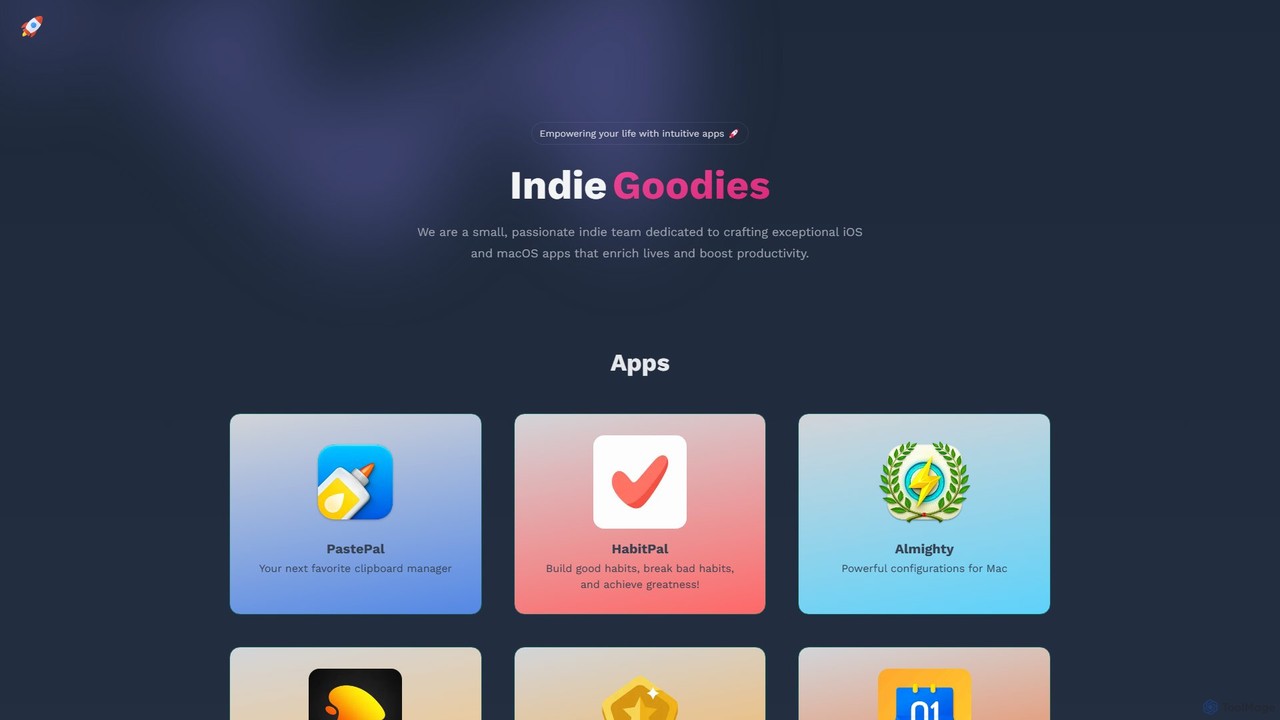
Indie Goodies

Indie Goodies

A comprehensive platform by an indie team, offering a suite of high-quality macOS & iOS apps and curated …

49.6K

About Indie Makers

Indie Makers communities are platforms designed for independent developers, solo founders, and creators to connect, share knowledge, and support each other. These tools function as specialized social networks or forums focused on the journey of building and launching digital products. They facilitate transparent discussions on topics like product validation, marketing strategies, and revenue growth, often centered around the 'build in public' movement. For creators working alone, these communities provide invaluable peer feedback, motivation, and a network of like-minded individuals.

Core Features

  • Product Showcase & Launchpads: Dedicated spaces to announce new products, gather initial feedback, and attract early adopters.
  • Knowledge Sharing Forums: Sections for discussing technical stacks, growth hacking, monetization models, and business operations.
  • 'Build in Public' Journals: Features allowing members to publicly document their progress, share metrics like MRR, and maintain accountability.
  • Networking & Collaboration: Tools to find co-founders, beta testers, or partners for joint ventures.
  • Expert AMAs & Mentorship: Organized sessions with successful founders who share their experiences and answer questions.

Use Cases

These platforms are essential for solo developers validating a new SaaS idea, bootstrapped founders seeking scalable marketing tactics, and designers looking for feedback on a new app's UI/UX. They also serve creators who want to build an audience before launching by sharing their development journey transparently.

How to Choose

When selecting an Indie Maker community, consider the platform's primary focus (e.g., SaaS, mobile, AI tools), the activity level and culture of its members, and the quality of moderation. Evaluate whether its features align with your goals, such as finding a co-founder, launching a product, or simply learning from others. The signal-to-noise ratio is a key factor; a smaller, highly-engaged community can be more valuable than a large, noisy one.

Indie MakersUse Cases

1

Validating a New Product Idea Before Development

A solo developer has an idea for a new AI-powered scheduling tool but is unsure about market demand. Instead of spending months building it, they join an indie maker community. They create a detailed post outlining the problem, the proposed solution, and the target audience. Within days, they receive dozens of comments from other experienced founders and potential users, providing critical feedback on the feature set, pricing ideas, and potential competitors. This process helps them refine the concept or pivot early, saving significant time and resources.

2

Launching a Micro-SaaS and Getting First Users

A creator has just finished building her micro-SaaS for social media analytics. To get her first users, she leverages a community with a product launch feature. She prepares a compelling launch page with screenshots, a demo video, and a special offer for the community members. On launch day, her product is featured on the homepage, driving initial traffic. Community members upvote the product, leave reviews, and share it on their own networks. This initial momentum helps her acquire the first 100 paying customers and gather crucial feedback for future updates.

3

Finding a Technical Co-founder for a Project

A non-technical entrepreneur has a validated business idea and initial funding but lacks the skills to build the product. They join an indie maker community with a dedicated 'collaboration' or 'looking for co-founder' section. They post their project, detailing the market opportunity, business plan, and the type of technical partner they are seeking. An experienced full-stack developer, who is looking for a new challenge with strong business direction, sees the post. They connect, discuss their visions and skills, and decide to team up to build the company together.

4

Documenting Progress with a 'Build in Public' Log

A founder is building a new AI writing assistant. To build an audience and maintain motivation, she starts a 'build in public' thread in a popular indie community. Every week, she posts updates on development progress, challenges she faced, user feedback she received, and key metrics like website visitors and sign-ups. This transparency attracts followers who are interested in her journey and product. By the time she launches, she already has a waiting list of hundreds of engaged potential customers who feel connected to the product's story.

5

Getting Expert Advice on a Growth Strategy

A maker's product has achieved product-market fit, but growth has stalled. They are unsure whether to invest in SEO, paid ads, or content marketing. They post a detailed question in an indie maker community, sharing their current metrics, budget, and target audience. Several successful founders who have scaled similar products respond with actionable advice. One provides a step-by-step guide to starting SEO for SaaS, while another shares their experience with cost-effective paid ad campaigns. This peer-to-peer mentorship provides more specific and relevant advice than a generic blog post could.

6

Joining an Accountability Group for Motivation

Working solo can be isolating and it's easy to lose focus. A freelance developer wants to launch her first product but struggles with procrastination. Within a larger indie maker community, she finds a post about forming a small 'accountability pod'. She joins a group of four other makers from different time zones. They set up a private chat group where they share their goals for the week every Monday and post a summary of their progress every Friday. This simple structure of peer accountability provides the external motivation she needs to stay on track and consistently ship features.

Indie MakersFrequently Asked Questions