Community Best in category 2 results Social Impact AI Tool

Popular AI tools in the Social Impact field of Community include drawerrr、ConquerortheCrown, etc., helping you quickly improve efficiency.

Free
ConquerortheCrown

ConquerortheCrown

ConquerortheCrown is a global initiative providing grants, mentorship, and resources to individuals and early-stage startups with innovative ideas …

3.1K
Free
drawerrr

drawerrr

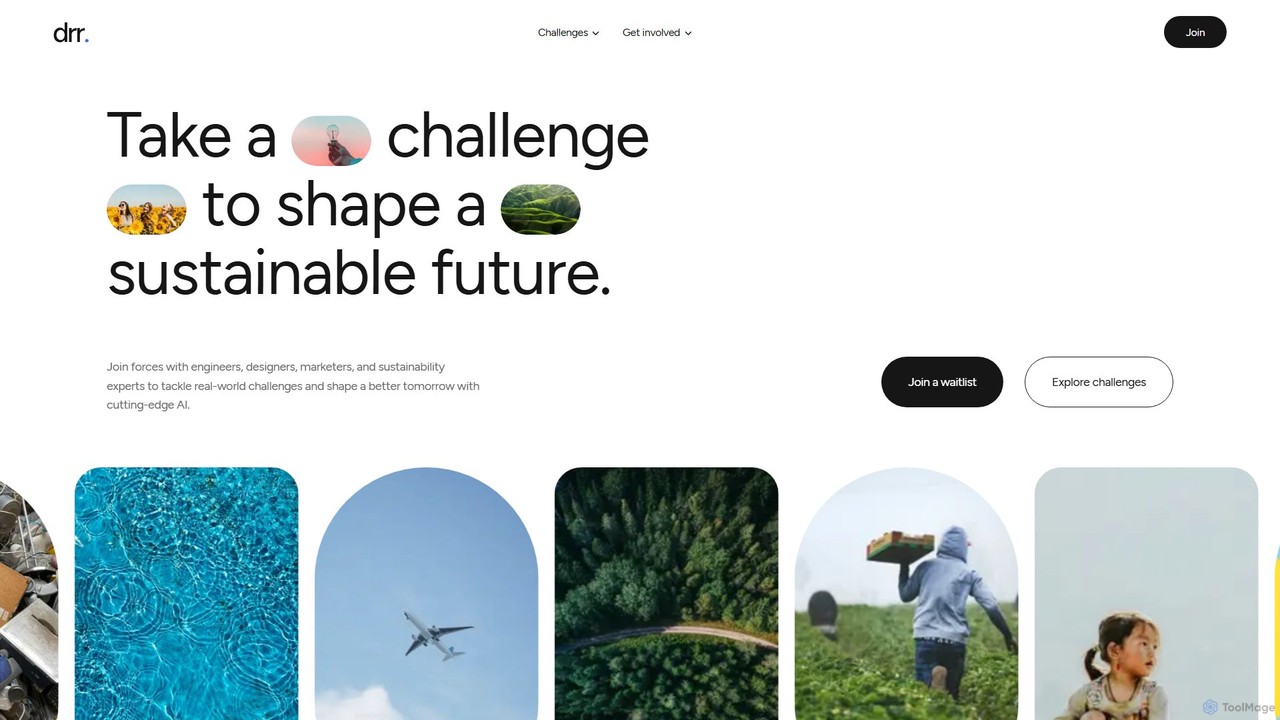
drawerrr is a collaborative innovation platform that hosts challenges focused on solving real-world sustainability issues. It connects engineers, …

5.5K

About Social Impact

Social Impact AI tools are a specialized category of applications designed to address critical social, environmental, and humanitarian challenges. These tools leverage machine learning, data analysis, and predictive modeling to generate actionable insights and automate solutions for positive societal change. They are primarily used to enhance the effectiveness of non-profits, research institutions, and public sector organizations in areas like public health, conservation, and education. By processing vast datasets, these tools help identify at-risk populations, optimize resource allocation, and measure the real-world impact of interventions.

Core Features

  • Predictive Analytics for Good: Forecasts events such as disease outbreaks, climate-related disasters, or food shortages to enable proactive responses.
  • Resource Optimization: Uses algorithms to determine the most effective distribution of aid, medical supplies, or educational materials.
  • Impact Measurement & Reporting: Analyzes data to quantify the effectiveness of social programs and generate transparent reports for stakeholders.
  • Data-driven Insights for Policy: Processes large-scale public and environmental data to inform evidence-based policymaking.
  • Accessibility Solutions: Develops technologies that assist individuals with disabilities or provide essential services to remote communities.

Use Cases

These tools are crucial for non-governmental organizations (NGOs), government agencies, public health officials, and environmental scientists. For instance, an NGO might use a Social Impact AI tool to map areas most vulnerable to famine based on crop yield data and climate forecasts. A public health organization could use one to predict the spread of a virus and optimize vaccine distribution accordingly.

How to Choose

When selecting a Social Impact AI tool, prioritize ethical considerations, including data privacy and algorithmic fairness, to protect vulnerable populations. Evaluate the tool's transparency and the ability to explain its decision-making process. Also consider its scalability to handle large-scale societal problems, its capacity for integration with existing data sources, and whether its impact metrics align with your organization's mission.

Social ImpactUse Cases

1

Early Warning Systems for Natural Disasters

Disaster management agencies use Social Impact AI to analyze real-time satellite imagery, weather patterns, and seismic sensor data. By identifying subtle precursors to events like floods, wildfires, or earthquakes, these systems can issue timely warnings to vulnerable communities. This allows for earlier evacuations, better prepositioning of emergency supplies, and more coordinated response efforts, ultimately saving lives and reducing property damage. The AI models continuously learn from new data to improve the accuracy of their predictions over time.

2

Optimizing Humanitarian Aid Distribution

Non-profit organizations and relief agencies leverage AI to optimize the distribution of food, water, and medical supplies in crisis zones. The AI analyzes data on population density, infrastructure damage from satellite imagery, and real-time supply chain logistics. It then recommends the most efficient delivery routes and distribution points to ensure aid reaches the most vulnerable populations quickly and equitably. This data-driven approach avoids bottlenecks and ensures that limited resources have the maximum possible impact on the ground.

3

AI-Powered Medical Diagnostics in Underserved Regions

Healthcare workers in remote or low-resource areas use AI tools to diagnose diseases from medical images. For example, an AI application on a smartphone can analyze a retinal scan for signs of diabetic retinopathy or an X-ray for tuberculosis with high accuracy. This technology acts as a crucial decision-support tool, enabling general practitioners to make specialist-level diagnoses without needing expensive equipment or immediate access to a radiologist. It significantly improves early detection rates and access to care for millions.

4

Monitoring Deforestation and Wildlife Poaching

Environmental conservation groups employ AI to analyze vast amounts of satellite and drone imagery. The AI models are trained to detect patterns associated with illegal logging, such as new roads in protected forests, or to identify poaching activities by tracking animal movements and detecting anomalies. This allows for near real-time alerts to be sent to park rangers, enabling faster intervention. By automating the monitoring process, these tools provide a scalable solution to protect biodiversity and combat environmental crime across large, remote areas.

5

Personalized Learning for At-Risk Students

Educational non-profits and public schools deploy AI-driven platforms to provide personalized learning experiences for students in underserved communities. These tools adapt to each student's individual learning pace and style, identifying knowledge gaps and providing customized exercises and content. By offering tailored support, the AI helps close educational disparities and provides teachers with valuable insights into student performance, allowing them to focus their attention where it's needed most. This approach fosters greater student engagement and improves long-term academic outcomes.

6

Analyzing Public Sentiment for Policy Making

Government agencies and think tanks use Social Impact AI to analyze public sentiment on a large scale. By applying natural language processing (NLP) to social media, news articles, and public forums, these tools can identify key citizen concerns, track public opinion on new policies, and detect emerging social issues. This provides policymakers with a real-time, data-backed understanding of the public mood, enabling them to design more responsive and effective public services and legislation that better reflect the needs and priorities of the community.

Social ImpactFrequently Asked Questions