
ToolMage
Sign in

Best 1 Price Comparison AI tools for Consumer Tools

Popular Price Comparison AI tools in Consumer Tools include valuemycar, helping you work more efficiently.

valuemycar
Free

valuemycar

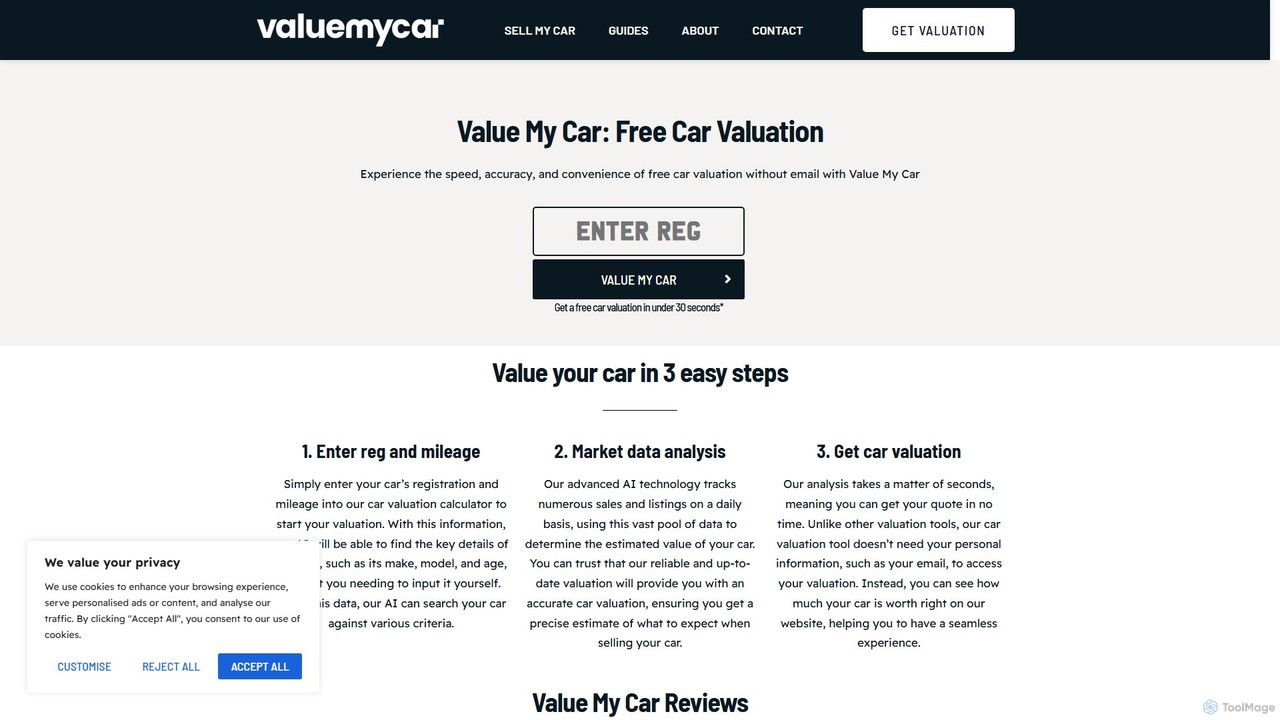
valuemycar is a free, AI-powered tool for instant car valuations in the UK. Simply enter your vehicle's registration and mileage to receive an accurate, data-driven estimate in under 30 seconds. The service is privacy-focused, requiring no email or personal information to view your car's market value, helping you make informed decisions when selling or buying.

Price Comparison
Visits 9.7KFavorites 147Likes 141

About Price Comparison

AI Price Comparison tools are intelligent applications that use machine learning to automate the tracking, comparison, and analysis of product prices across numerous online retailers. They go beyond simple price lists by analyzing historical data, current market trends, and even shipping costs to identify the true best value. These tools empower consumers to make data-driven purchasing decisions, ensuring they never miss a deal or overpay for a product. Their core advantage lies in providing predictive insights and personalized alerts, saving users both time and money.

Core Features

  • Dynamic Price Tracking: Actively monitors product prices across thousands of websites and sends real-time alerts when a price drops.
  • Price History Charts: Visualizes historical price data, allowing users to spot trends and determine the optimal time to buy.
  • Comprehensive Deal Analysis: Evaluates offers by factoring in price, shipping fees, taxes, and seller ratings to calculate the total cost.
  • Automated Coupon Finder: Scans the web for relevant discount codes and automatically applies the best one at checkout.
  • Multi-Retailer Comparison: Aggregates listings for the same product from various sellers on a single, easy-to-view dashboard.

Applicable Scenarios

These tools are essential for any online shopper, from individuals making one-time major purchases like electronics or appliances to families managing weekly budgets. They are particularly valuable during high-demand shopping seasons like Black Friday or Prime Day, helping users navigate flash sales and limited-time offers effectively.

Selection Criteria

When choosing a price comparison tool, consider its retailer coverage—does it include your favorite stores? Evaluate the quality of its browser extension for ease of use. Also, check the customization options for price alerts and the depth and accuracy of its price history data to ensure it meets your specific shopping needs.

Price Comparison use cases

1

Planning a Major Electronics Purchase

A tech enthusiast is looking to buy a new high-end laptop. Instead of manually checking multiple websites daily, they use an AI price comparison tool to set up a tracker for the specific model. The tool monitors prices across retailers like Amazon, Best Buy, and the manufacturer's own site. By viewing the price history chart, the user notices the price typically drops mid-month. They set a price alert for 15% below the current price. A few weeks later, they receive a notification about a flash sale, allowing them to purchase the laptop at the lowest price it has been in six months, saving over $300.

2

Optimizing Holiday Season Shopping

A family is preparing for holiday gift shopping. They create a shared wishlist within a price comparison app, adding items from various online stores. The AI tool automatically tracks each item on the list. As Black Friday approaches, the app sends notifications not just for individual price drops, but also for special bundle deals that offer better value. It also finds and applies an extra 10% off coupon code at checkout for one of the retailers, maximizing savings across all purchases and helping the family stay within their holiday budget without the stress of constant manual checking.

3

Finding the Best Time to Book Travel

A couple is planning a vacation and needs to book flights and a hotel. They use an AI-powered travel comparison tool that specializes in predicting fare fluctuations. Instead of just showing current prices, the tool analyzes historical pricing data and demand trends to provide a recommendation: 'Book Now' or 'Wait'. The tool predicts a 70% chance of prices dropping in the next two weeks. They decide to wait and set an alert. Ten days later, they get a notification that fares have dropped by 20%, saving them a significant amount on their travel expenses.

4

Automated Coupon Application at Checkout

A student is shopping online for textbooks from various stores. They aren't an avid bargain hunter and don't have time to search for discount codes. They have a browser extension from an AI price comparison tool installed. When they proceed to the checkout page on a bookstore's website, the extension automatically activates. It cycles through a database of dozens of potential coupon codes, testing each one in the background. Within seconds, it identifies and applies a valid 'STUDENT20' code, instantly reducing the total price by 20% without any manual effort from the user.

5

Comparing Subscription Service Tiers

A small business owner needs to choose a project management software. Different providers offer multiple subscription tiers with varying features and pricing. Using an AI comparison tool, they can input their core requirements, such as 'team size of 10' and 'Gantt chart functionality'. The tool then analyzes various plans, not just by monthly cost, but by the value provided. It highlights a mid-tier plan from a lesser-known provider that is 15% cheaper than the market leader's basic plan but includes more features relevant to the owner's needs, preventing them from overpaying for a brand name or unnecessary features.

6

Securing the Best Deal on Everyday Groceries

A budget-conscious individual uses a grocery price comparison app to manage their weekly shopping. They upload their shopping list, and the AI tool scans the weekly flyers and online prices of several local supermarkets like Walmart, Kroger, and Safeway. The app then presents a breakdown, showing which store offers the lowest total price for the entire basket. It also highlights specific items that are significantly cheaper at one store versus another, allowing the user to potentially split their shopping trip or prioritize one store to maximize savings on their everyday essentials.

Price Comparison FAQ

What are AI Price Comparison tools?

AI Price Comparison tools are advanced applications that use machine learning algorithms to find the best deals for consumers online. Unlike simple price scrapers, they analyze multiple factors such as price history, shipping costs, seller reputation, and even predict future price drops. They function as intelligent shopping assistants that automate the process of tracking products, finding coupons, and ensuring you purchase at the optimal time and price.

How to choose the right AI Price Comparison tool?

Choosing the right tool depends on your shopping habits. Consider these factors:

  • Retailer Coverage: Ensure the tool supports the stores you frequently shop at.
  • Platform Availability: Look for a tool with both a mobile app for on-the-go shopping and a browser extension for seamless desktop use.
  • Feature Set: Do you need simple price drop alerts, or more advanced features like price history charts and predictive analysis?
  • User Interface: The tool should be easy to navigate and allow you to set up trackers and alerts with minimal effort.
How are AI price comparison tools different from manually searching?

The key difference is automation and scale. Manually searching is time-consuming and limited to a few websites you know. An AI tool can monitor thousands of retailers simultaneously, 24/7. Furthermore, AI tools provide data-driven insights that are impossible to get manually, such as historical price trends to judge if a 'sale' price is actually a good deal. They also automate the discovery and application of coupon codes, a task that can be tedious and often fruitless when done by hand.

Can these tools really predict future price drops?

Many advanced AI price comparison tools can forecast price trends with a reasonable degree of accuracy. They do this by analyzing vast amounts of historical data for a specific product or category, identifying seasonal patterns and sales cycles. While it's a prediction and not a guarantee, these forecasts are powerful for planning major purchases. For example, they can suggest whether it's better to buy a new TV now or wait until closer to a major sporting event when prices are likely to fall.

Are AI Price Comparison tools free to use?

Most consumer-facing price comparison tools are free. They typically generate revenue through affiliate partnerships with retailers; when you click a link from their platform and make a purchase, they earn a small commission at no extra cost to you. Some advanced tools, particularly those aimed at businesses or offering deep market analytics, may operate on a subscription model. For the average shopper, the free versions provide more than enough functionality for effective deal-hunting.