ToolMage
Sign in

Best 4 Consumer Tools

Popular Consumer Tools include valuemycar, WellnessLens, CleanTableAI, and SuppMan, helping you work more efficiently.

SuppMan
Freemium

SuppMan

SuppMan is an AI-powered tool that analyzes supplement labels against over 680,000 peer-reviewed studies from PubMed and NIH. It provides clear, evidence-based insights in seconds, helping users identify properly dosed ingredients, detect 'snake oil' products, and make informed health decisions.

Research Assistant
Visits 6.4KFavorites 56Likes 58
WellnessLens
Freemium

WellnessLens

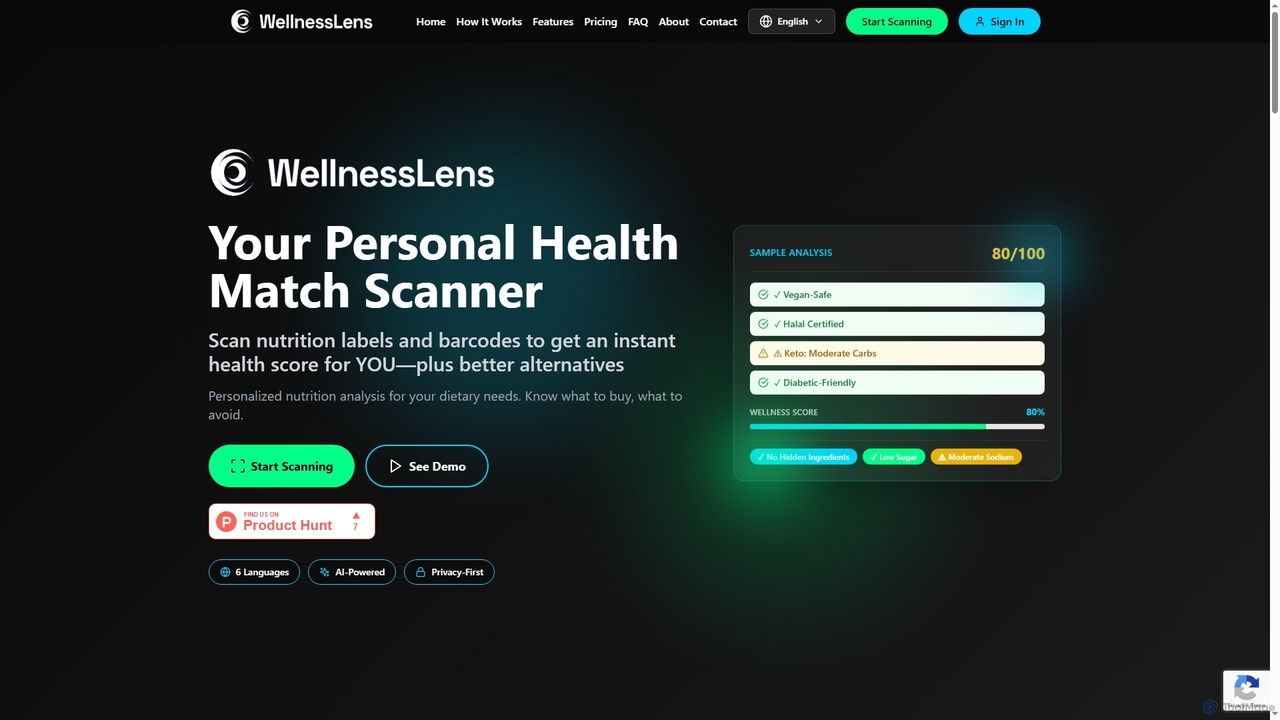
WellnessLens is an AI-powered food scanner that provides instant, personalized nutrition analysis for various dietary needs like Vegan, Keto, and Diabetic. It helps users understand food labels, detect allergens, and receive real-time food safety alerts, empowering healthier eating choices for individuals and families.

Product Analysis
Visits 6.5KFavorites 90Likes 76
CleanTableAI
Freemium

CleanTableAI

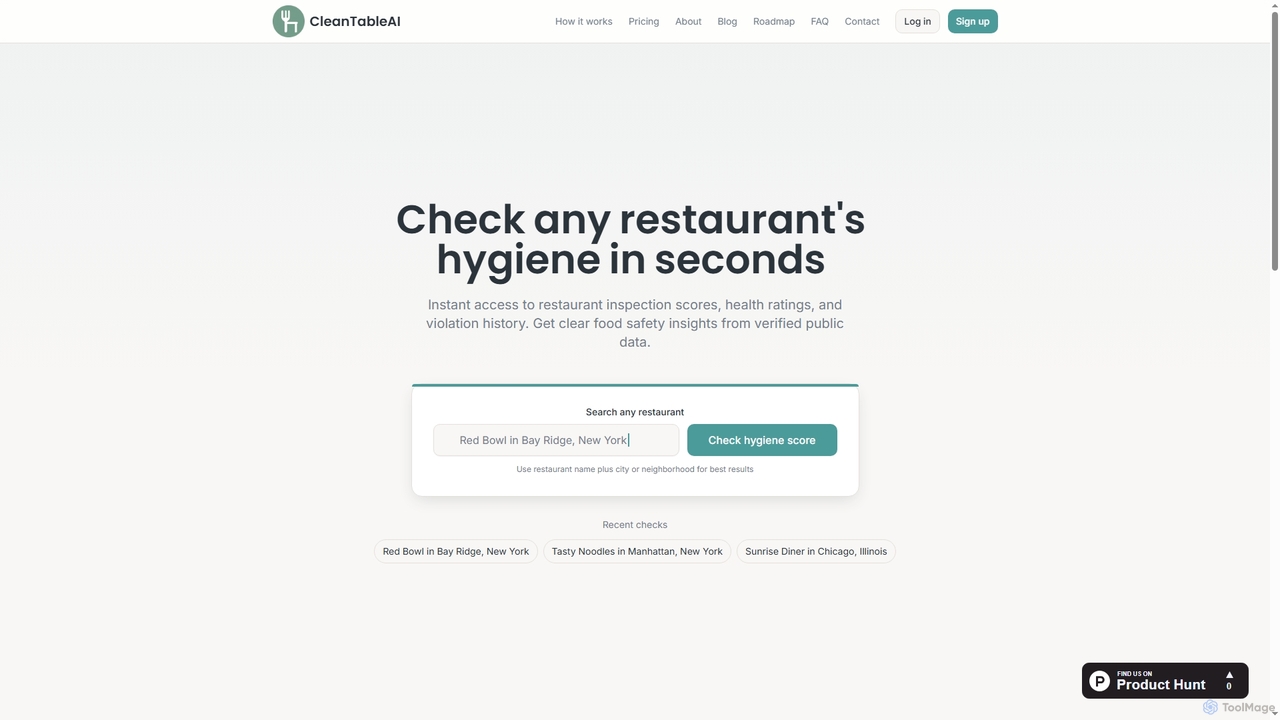
CleanTableAI is an AI-powered tool providing instant access to restaurant hygiene inspection scores, health ratings, and violation history. It transforms complex public food safety data into clear, easy-to-understand insights, helping diners make informed choices about where to eat.

Information Access
Visits 6.5KFavorites 126Likes 123
valuemycar
Free

valuemycar

valuemycar is a free, AI-powered tool for instant car valuations in the UK. Simply enter your vehicle's registration and mileage to receive an accurate, data-driven estimate in under 30 seconds. The service is privacy-focused, requiring no email or personal information to view your car's market value, helping you make informed decisions when selling or buying.

Price Comparison
Visits 10.8KFavorites 163Likes 152

About Consumer Tools

Consumer Tools are AI-powered applications designed to simplify and enhance everyday tasks for individuals. Leveraging technologies like natural language processing, machine learning, and computer vision, these tools automate routine activities, offer personalized recommendations, and provide intelligent assistance across various aspects of daily life. They empower users to manage personal finances, create content, learn new skills, and optimize their time with greater ease and efficiency.

Core Features

  • Personalized Recommendations: AI algorithms analyze user preferences and behavior to suggest relevant products, content, or services.
  • Automated Task Assistance: Tools can schedule appointments, manage emails, or organize digital files without manual intervention.
  • Content Generation & Enhancement: AI helps create text, images, or videos, or refines existing content for better quality.
  • Smart Search & Information Retrieval: Advanced search capabilities quickly find and summarize information from vast datasets.
  • Language Translation & Communication Aids: Real-time translation and intelligent grammar checks facilitate global communication.

Applicable Scenarios

Individuals use AI Consumer Tools for personal productivity, creative pursuits, and lifestyle management. This includes automating household chores with smart home devices, generating social media captions for personal brands, or receiving tailored fitness plans based on health data.

How to Choose

When selecting AI Consumer Tools, prioritize ease of use and an intuitive interface for a smooth experience. Evaluate the tool's privacy policy and data security measures, especially for sensitive information. Consider its integration capabilities with your existing apps and devices, and assess the overall cost-effectiveness and reliability of its AI functionalities.

Consumer Tools use cases

1

Personalized Travel Planning

A frequent traveler uses an AI consumer tool to plan their next vacation. By analyzing past travel preferences, budget, and desired activities, the AI suggests personalized itineraries, recommends flights and accommodations, and even identifies local attractions. This saves hours of research and ensures a trip tailored to individual tastes, optimizing both time and expenses.

2

Automated Smart Home Management

A homeowner leverages AI-powered smart home devices to automate daily routines. The AI learns their schedule, adjusting lighting, thermostat, and security systems automatically. For example, it can turn off lights when no one is home, pre-heat the house before arrival, or alert to unusual activity, enhancing comfort, security, and energy efficiency without constant manual input.

3

Generating Creative Content for Social Media

A social media enthusiast or small business owner uses an AI content generator to quickly create engaging posts. Inputting a few keywords or a brief concept, the AI can generate catchy captions, relevant hashtags, or even design simple graphics. This significantly reduces the time spent on content creation, allowing for more consistent online presence and audience engagement.

4

Streamlining Personal Finance Tracking

An individual seeking better financial management utilizes an AI budgeting app. The tool automatically categorizes transactions, tracks spending habits, and provides insights into financial health. It can identify areas for savings, predict future cash flow, and send personalized alerts for upcoming bills, helping users achieve financial goals with minimal effort.

5

Learning New Languages with AI Tutors

A student or professional wanting to learn a new language employs an AI language learning platform. The AI adapts lessons to their learning style and pace, provides real-time feedback on pronunciation and grammar, and simulates conversational practice. This personalized approach accelerates language acquisition and builds confidence more effectively than traditional methods.

6

Enhancing Digital Photos and Videos

A hobby photographer or vlogger uses AI-powered editing tools to improve their media. The AI can automatically enhance image quality, remove unwanted objects, apply professional-grade filters, or stabilize shaky video footage. This allows users to achieve high-quality results quickly, even without extensive editing skills, making their visual content more appealing.

Consumer Tools FAQ

What are AI Consumer Tools?

AI Consumer Tools are software applications or devices that integrate artificial intelligence to assist individuals with various daily tasks. They leverage AI capabilities like machine learning, natural language processing, and computer vision to automate processes, offer personalized insights, and enhance user experiences across personal productivity, entertainment, and lifestyle management.

How do AI Consumer Tools benefit daily life?

AI Consumer Tools significantly benefit daily life by simplifying complex tasks, saving time, and providing personalized assistance. They can automate routine chores, offer tailored recommendations for shopping or entertainment, help manage personal finances, and even facilitate learning new skills, ultimately leading to increased efficiency, convenience, and an improved quality of life.

What should I consider when choosing an AI Consumer Tool?

When choosing an AI Consumer Tool, consider its ease of use and intuitive interface, as consumer tools should be accessible to everyone. Evaluate its core functionalities to ensure they meet your specific needs, check its privacy policy and data security practices, and assess its compatibility with your existing devices and software ecosystems. Also, compare pricing models and user reviews for reliability.

Are AI Consumer Tools safe to use, especially with personal data?

The safety of AI Consumer Tools, particularly regarding personal data, varies by provider. Reputable tools employ robust encryption, adhere to data protection regulations (like GDPR), and clearly outline their data usage policies. Always review the privacy policy, understand what data is collected and how it's used, and choose tools from trusted developers to ensure your personal information is handled securely.

What are some common types of AI Consumer Tools available today?

Common types of AI Consumer Tools include virtual personal assistants (e.g., Siri, Alexa), smart home devices (e.g., thermostats, security cameras), personalized recommendation engines (e.g., for streaming services, e-commerce), language translation apps, AI-powered photo and video editors, and personal finance management tools. These tools aim to make technology more intuitive and helpful in everyday scenarios.