
Paid
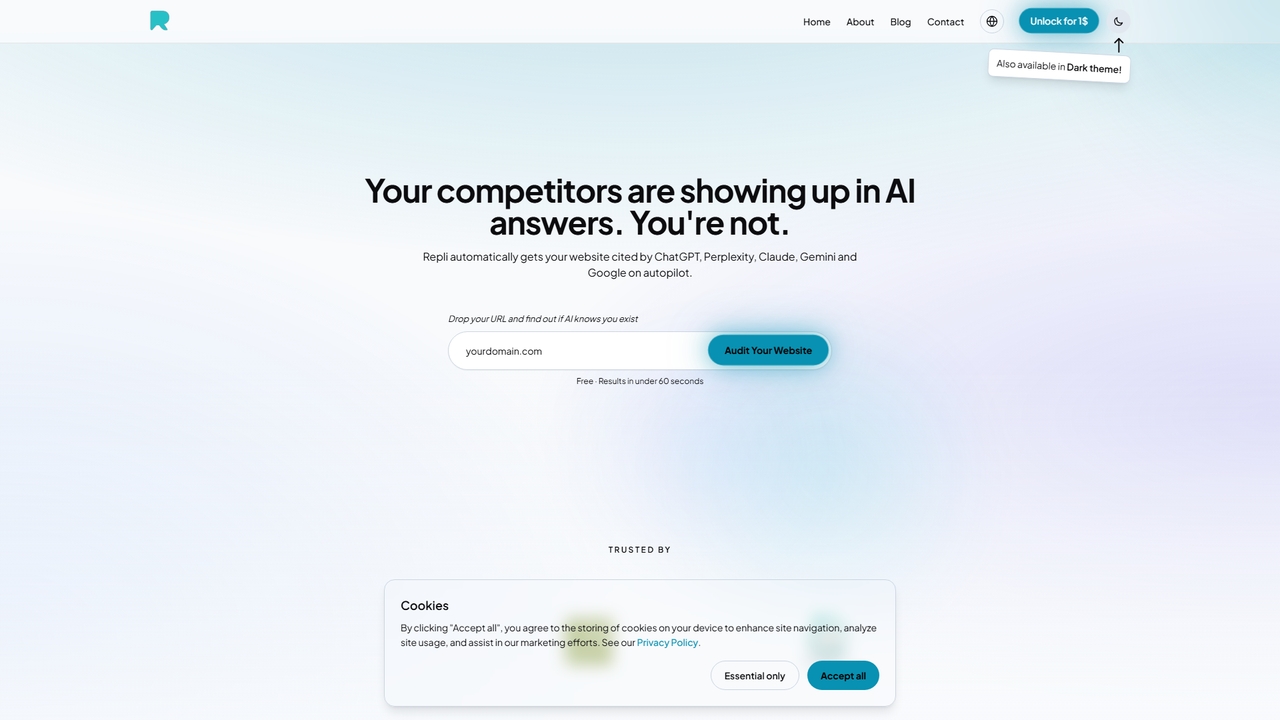
Popular Content Marketing AI tools include LocalHQ, Repli, BrightKeyword, BlogBuddy, and Pixo Labs, helping you work more efficiently.
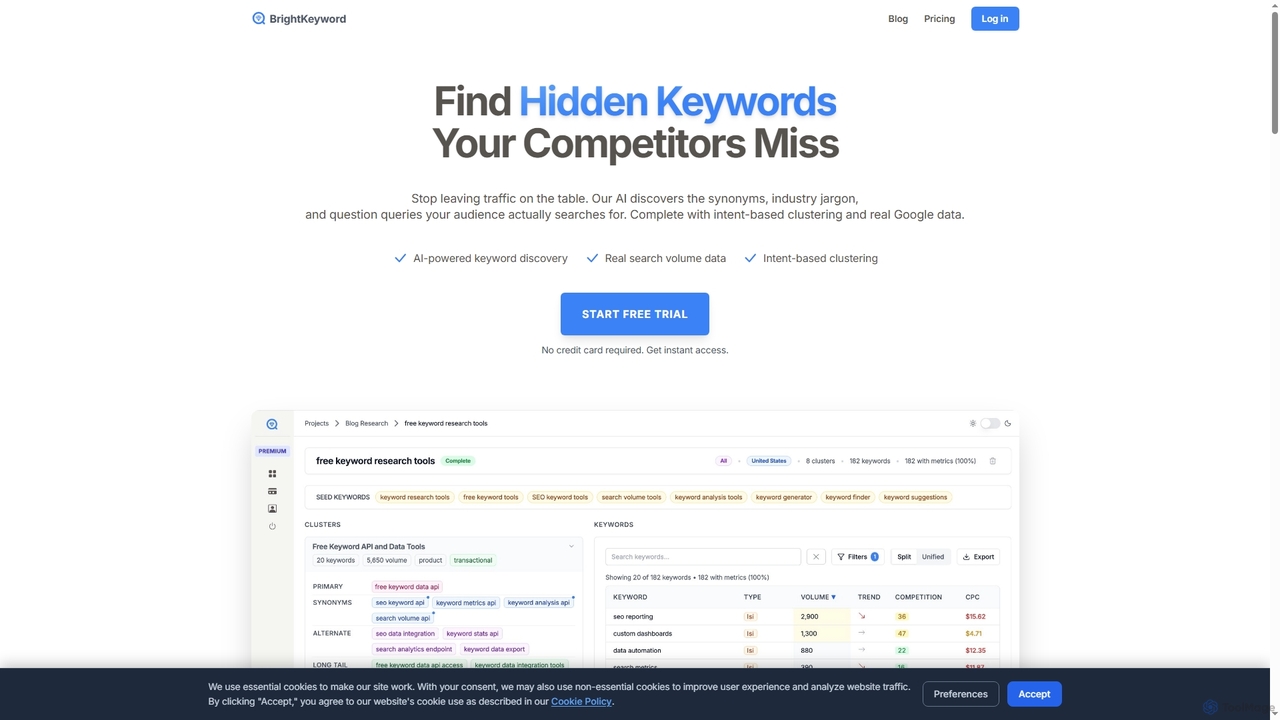
BrightKeyword is an AI-powered keyword research tool designed to uncover hidden synonyms, industry jargon, and question queries that traditional tools miss. It provides intent-based clustering and real Google search data to help SEO professionals, content marketers, and agencies discover high-opportunity keywords and build effective content strategies.
Market Research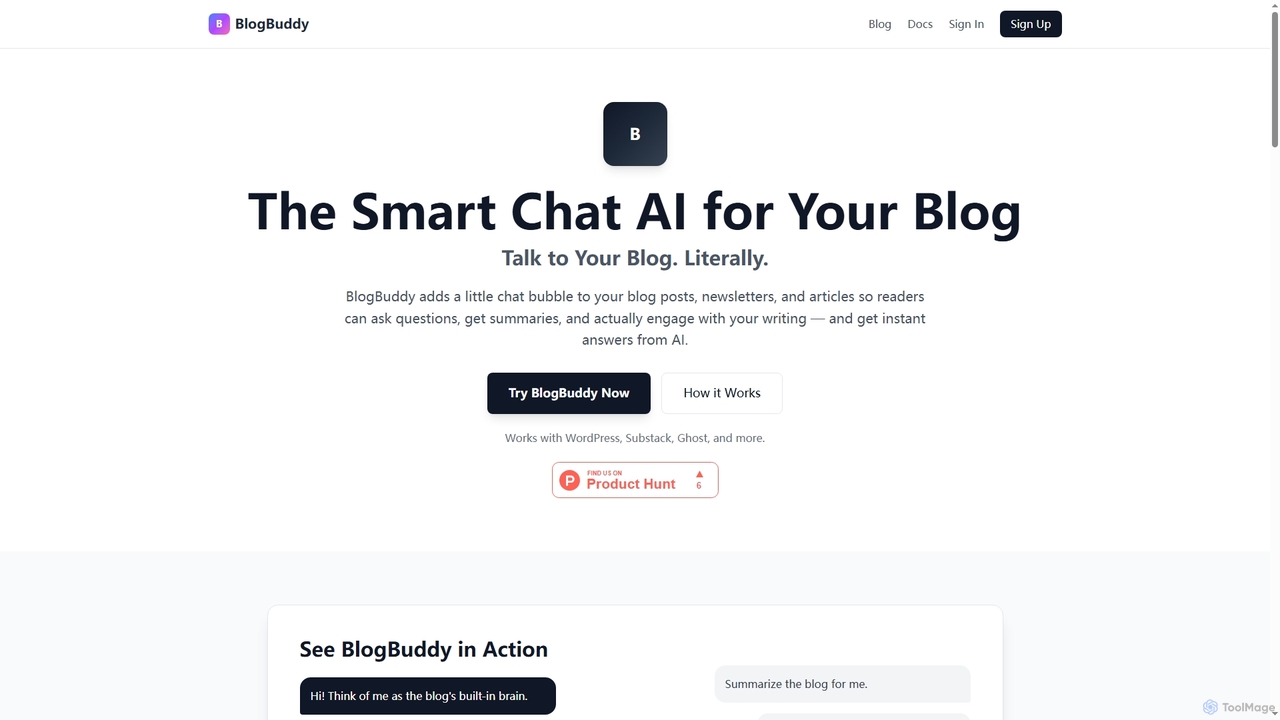
BlogBuddy is an AI-powered chat widget that transforms blog posts, newsletters, and articles into interactive experiences. It allows readers to ask questions, get instant summaries, and receive clarifications on complex topics directly from an AI, enhancing engagement and understanding without leaving the page.
Engagement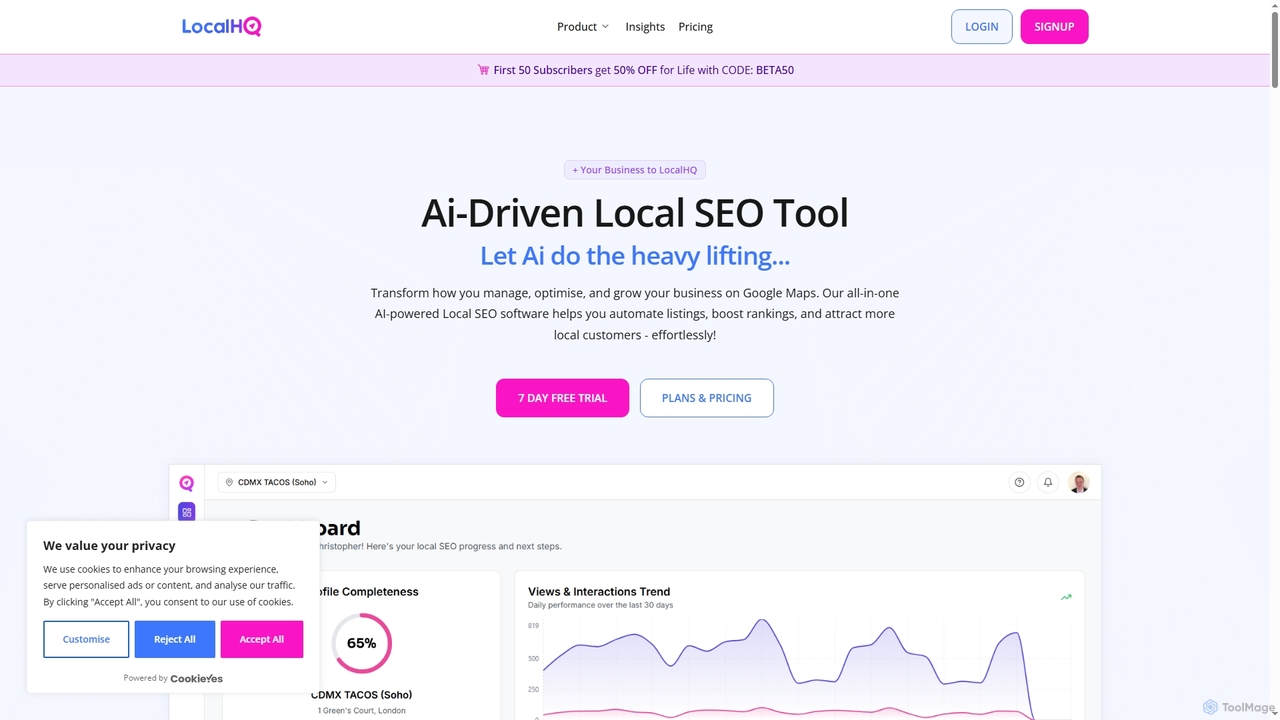
LocalHQ is an AI-powered local SEO software designed to transform how businesses manage, optimize, and grow their presence on Google Maps and Search. It automates Google Business Profile listings, review responses, content scheduling, and provides powerful analytics to boost local rankings and attract more customers effortlessly. Ideal for single or multi-location businesses, it simplifies complex local SEO tasks with intelligent automation and data-driven insights.
Performance Tracking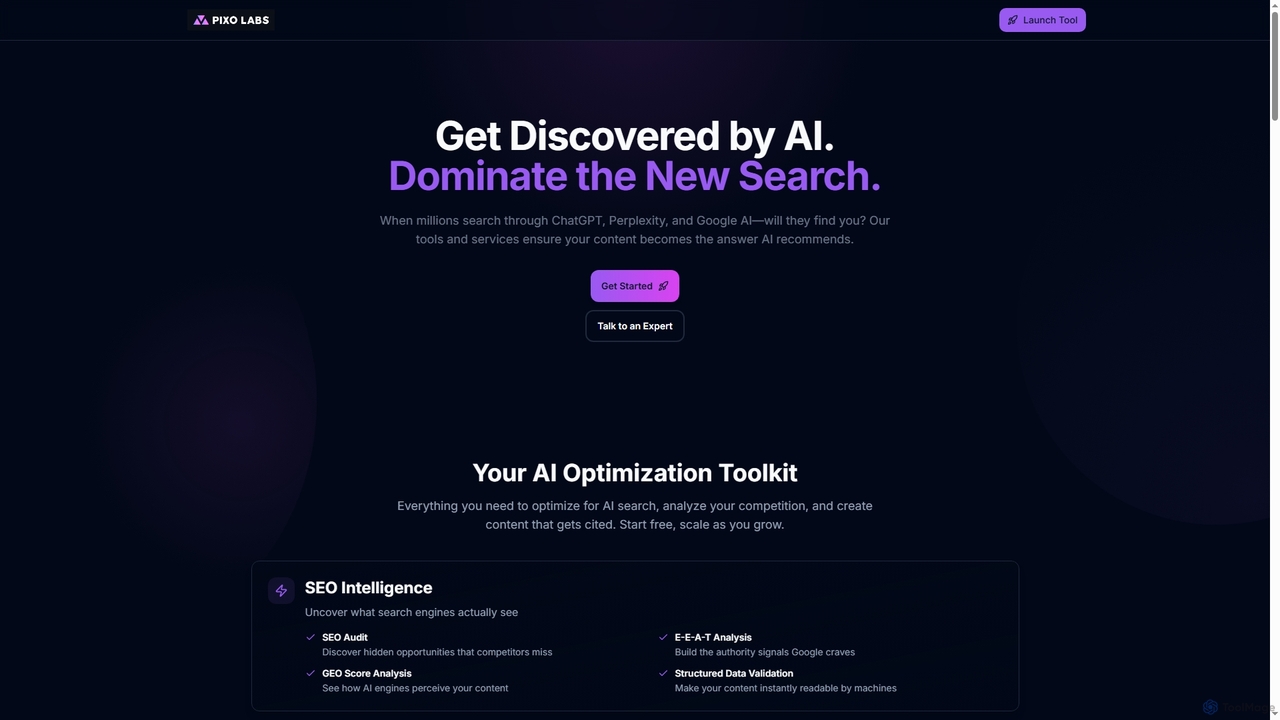
Pixo Labs is an AI-first platform and service designed to help businesses dominate the new era of generative search. It provides a comprehensive toolkit for AI search optimization, competitive analysis, and content creation, ensuring content is recommended by AI platforms like ChatGPT, Perplexity, and Google AI.
Content StrategyContent Marketing AI tools are AI-powered solutions designed to streamline and enhance various aspects of content creation, distribution, and optimization. Leveraging advanced natural language processing (NLP), machine learning, and data analytics, these tools automate repetitive tasks, generate creative ideas, and provide data-driven insights. They empower marketers and content creators to produce high-quality, engaging content more efficiently, personalize experiences for target audiences, and ultimately drive better marketing outcomes, ensuring content strategies are both innovative and impactful.
Content Marketing AI tools are invaluable for marketing teams, individual content creators, and agencies looking to scale their content efforts without compromising quality. They are extensively used to accelerate content production cycles, maintain brand consistency across diverse platforms, and ensure content resonates with specific audience segments. From small businesses aiming to establish a robust online presence to large enterprises managing complex global campaigns, these tools provide a significant competitive edge by automating mundane tasks and freeing up creative resources for strategic thinking.
When selecting a Content Marketing AI tool, consider its core functionalities, such as the quality of its AI content generation, the depth of its SEO capabilities, and the sophistication of its analytics. Evaluate its integration capabilities with your existing marketing stack, including CMS, CRM, and social media management platforms, to ensure a seamless workflow. Assess its ease of use and the learning curve for your team, as well as the availability of customer support. Finally, compare pricing models, scalability options, and the tool's ability to adapt to your evolving content marketing needs and industry trends.
Content strategists and bloggers can leverage AI tools to quickly draft high-quality, SEO-optimized blog posts. By inputting target keywords, desired tone, and a brief outline, the AI can generate full articles, saving hours of research and writing. This allows teams to increase publishing frequency, capture more organic traffic, and maintain a consistent content calendar without sacrificing quality.
Social media managers can use AI to rapidly produce diverse and engaging content for platforms like Instagram, Facebook, and LinkedIn. The tools can generate compelling captions, relevant hashtags, and even suggest visual ideas based on a given topic or campaign. This streamlines the content creation process, ensures brand voice consistency, and helps maintain an active and dynamic social media presence.
Email marketers can utilize AI to craft highly personalized email content for different audience segments. Based on user behavior, purchase history, or demographic data, the AI can generate tailored subject lines, body copy, and calls-to-action. This significantly boosts open rates, click-through rates, and conversion rates by delivering messages that truly resonate with individual recipients.
Marketing teams can maximize the value of their existing long-form content, such as whitepapers or webinars, by using AI to repurpose it into various formats. AI tools can automatically extract key insights to create social media snippets, infographic texts, short video scripts, or executive summaries. This extends the reach and lifespan of valuable content across different channels and audience preferences.
Digital marketers can employ AI to analyze the performance of their published content across various metrics like engagement, conversions, and SEO rankings. The AI identifies underperforming content, pinpoints reasons for low engagement, and suggests concrete improvements, such as keyword adjustments, structural changes, or new topic ideas. This data-driven approach ensures continuous content optimization and better ROI.
Content strategists and marketing directors can use AI to inform and refine their overall content strategy. By analyzing market trends, competitor content, and audience search queries, AI tools can identify content gaps, suggest new topic clusters, and predict content performance. This enables the creation of a more robust, data-backed content roadmap that aligns with business objectives and market opportunities.
Content Marketing AI tools are software solutions that use artificial intelligence to assist with content creation, optimization, and distribution. They leverage technologies like NLP and machine learning to automate tasks, generate creative content, analyze data, and personalize marketing messages. Their primary goal is to enhance efficiency, improve content quality, and drive better engagement and conversions for businesses.
AI tools significantly aid content creation by automating various stages. They can generate initial drafts for articles, social media posts, and ad copy, saving considerable time. Furthermore, they assist with brainstorming ideas, suggesting relevant keywords for SEO, ensuring grammatical correctness, and adapting content to different tones and styles. This allows human creators to focus on strategic oversight and creative refinement.
The main benefits include increased efficiency in content production, allowing for higher volume and faster turnaround. AI enhances content quality through data-driven insights and optimization suggestions, leading to better SEO performance and audience engagement. It also enables hyper-personalization of content, reduces human error, and frees up creative teams to focus on strategic initiatives rather than repetitive tasks.
To choose the right tool, first assess your specific needs: do you prioritize content generation, SEO optimization, analytics, or personalization? Look for tools with strong core functionalities in your priority areas. Consider integration capabilities with your existing marketing stack, ease of use, and the quality of customer support. Finally, evaluate pricing models and ensure the tool can scale with your business growth.
No, AI tools are designed to augment, not replace, human content marketers. While AI excels at automating repetitive tasks, generating initial drafts, and analyzing data, it lacks the nuanced understanding of human emotion, cultural context, and strategic creativity that human marketers possess. The most effective approach is a hybrid one, where AI handles the heavy lifting and data analysis, while humans provide strategic direction, creative oversight, and emotional intelligence.