
Content Optimization Best in category 1 results Seo AI Tool

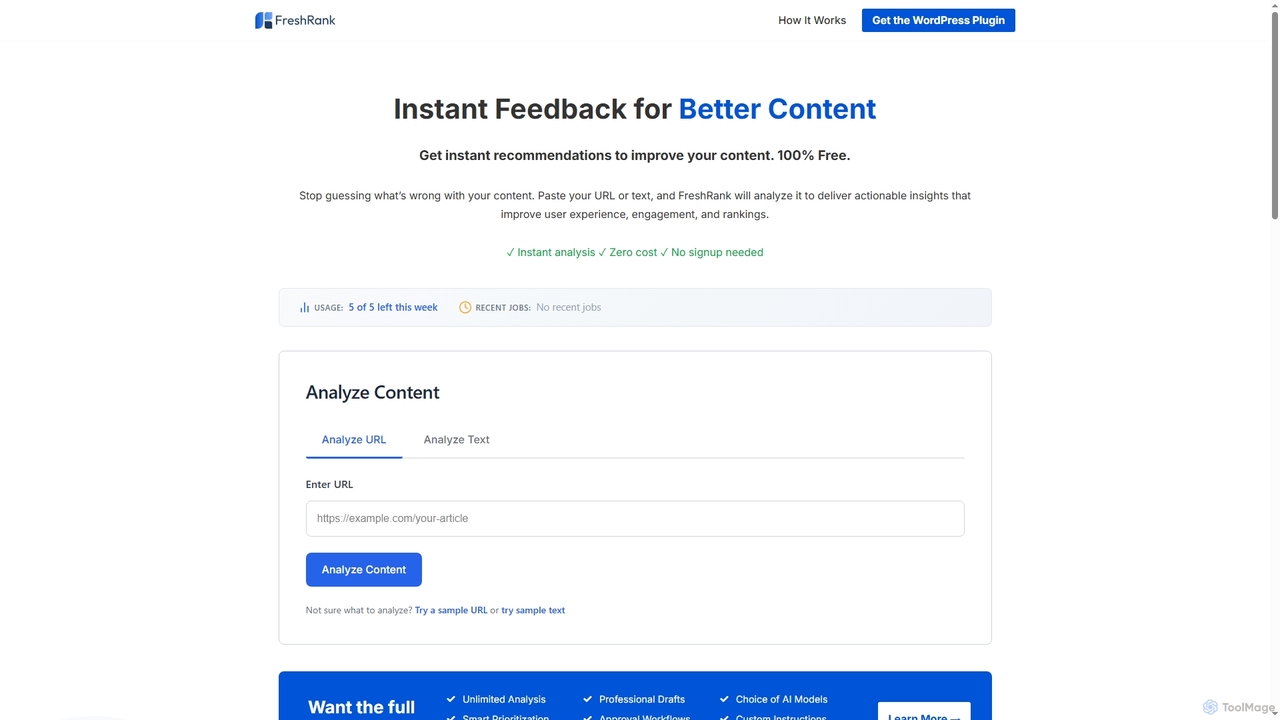
Popular AI tools in the Seo field of Content Optimization include FreshRank, etc., helping you quickly improve efficiency.

FreshRank

FreshRank

FreshRank is a free AI-powered content optimization tool that provides instant, actionable recommendations to improve your content for …

2.4K

About Seo

AI SEO tools are a specialized category of software designed to automate and enhance search engine optimization tasks using artificial intelligence. They leverage machine learning and natural language processing to analyze data, identify opportunities, and generate optimized content at scale. These tools help marketers and content creators improve their website's visibility on search engines by providing data-driven insights for keyword research, content creation, and technical audits. As a key part of a modern content optimization strategy, they move beyond manual analysis to predictive and automated workflows.

Core Features

  • AI Keyword Research & Clustering: Automatically discovers relevant keywords and groups them into semantic clusters for targeted content creation.
  • Content Brief Generation: Creates detailed content outlines based on analysis of top-ranking competitors and SERP data.
  • Real-time Content Optimization: Provides on-page SEO suggestions, readability scores, and keyword usage recommendations as you write.
  • Automated Technical Audits: Scans websites to identify technical SEO issues like broken links, slow page speed, and crawl errors.
  • Internal Link Suggestions: Analyzes site structure and recommends relevant internal linking opportunities to improve link equity distribution.

Use Cases

AI SEO tools are widely used by digital marketing agencies, in-house SEO teams, content marketers, and e-commerce businesses. They are essential for developing competitive content strategies, scaling content production efficiently, and maintaining the technical health of large, complex websites.

How to Choose

When selecting an AI SEO tool, consider the scope of its features—whether it's an all-in-one suite or specialized for content or technical SEO. Evaluate the accuracy and freshness of its data sources for keyword and competitor analysis. Also, check its integration capabilities with platforms like Google Search Console and WordPress, and assess the user interface's suitability for your team's expertise.

SeoUse Cases

1

Automating Keyword Clustering for Pillar Pages

An SEO manager for a B2B SaaS company needs to create a comprehensive pillar page strategy. They use an AI SEO tool to input a broad topic like 'project management software.' The tool analyzes thousands of related queries, automatically groups them into semantically related clusters (e.g., 'Gantt chart features,' 'Kanban board comparisons,' 'pricing models'), and suggests a hub-and-spoke content structure. This saves dozens of hours of manual spreadsheet work and ensures complete topical coverage for establishing authority.

2

Generating Data-Driven Content Briefs at Scale

A content marketing agency needs to produce 20 high-quality blog posts for a client each month. The content strategist uses an AI SEO tool to generate detailed briefs for each topic. The tool analyzes the top 10 search results, identifying key subtopics, common questions from 'People Also Ask' sections, recommended word count, and important entities to include. This provides writers with a clear, SEO-focused roadmap, improving content quality and first-draft ranking potential significantly.

3

Optimizing Existing Content for Higher Rankings

A content editor notices a blog post is stuck on page two of Google. They paste the content into an AI SEO tool's content optimizer. The tool compares it against current top-ranking pages and provides real-time suggestions, such as adding specific LSI keywords, improving readability with shorter sentences, and answering related questions to increase topical depth. After implementing the data-backed changes, the article's relevance score increases, leading to improved rankings and traffic.

4

Conducting Automated Weekly Technical SEO Audits

An e-commerce site manager is responsible for a website with thousands of product pages. Manually checking for technical issues is impossible. They set up an AI SEO tool to perform automated weekly crawls. The tool flags critical issues like 404 errors, duplicate content, missing alt text, and slow-loading pages, presenting them in a prioritized dashboard. This allows the technical team to proactively fix problems that could harm search visibility and user experience before they escalate.

5

Identifying Internal Linking Opportunities

A website has hundreds of articles, but the internal linking is inconsistent. An SEO specialist uses an AI tool to analyze the entire site. The tool identifies 'orphan pages' with no internal links and suggests relevant contextual linking opportunities. For example, it might recommend linking from a high-authority blog post about 'email marketing' to a newer, relevant article on 'newsletter templates,' improving site navigation and passing authority to boost the new page's ranking potential.

6

Performing Competitor Content Gap Analysis

A marketing team wants to find content topics their competitors rank for, but they don't. They input their domain and three main competitor domains into an AI SEO tool. The tool performs a gap analysis, generating a prioritized list of valuable keywords that competitors are ranking for on the first page. This provides a ready-made list of proven content ideas to target, helping to capture market share and attract relevant traffic that was previously going to rivals.

SeoFrequently Asked Questions