Copywriting Best in category 4 results Product Descriptions AI Tool

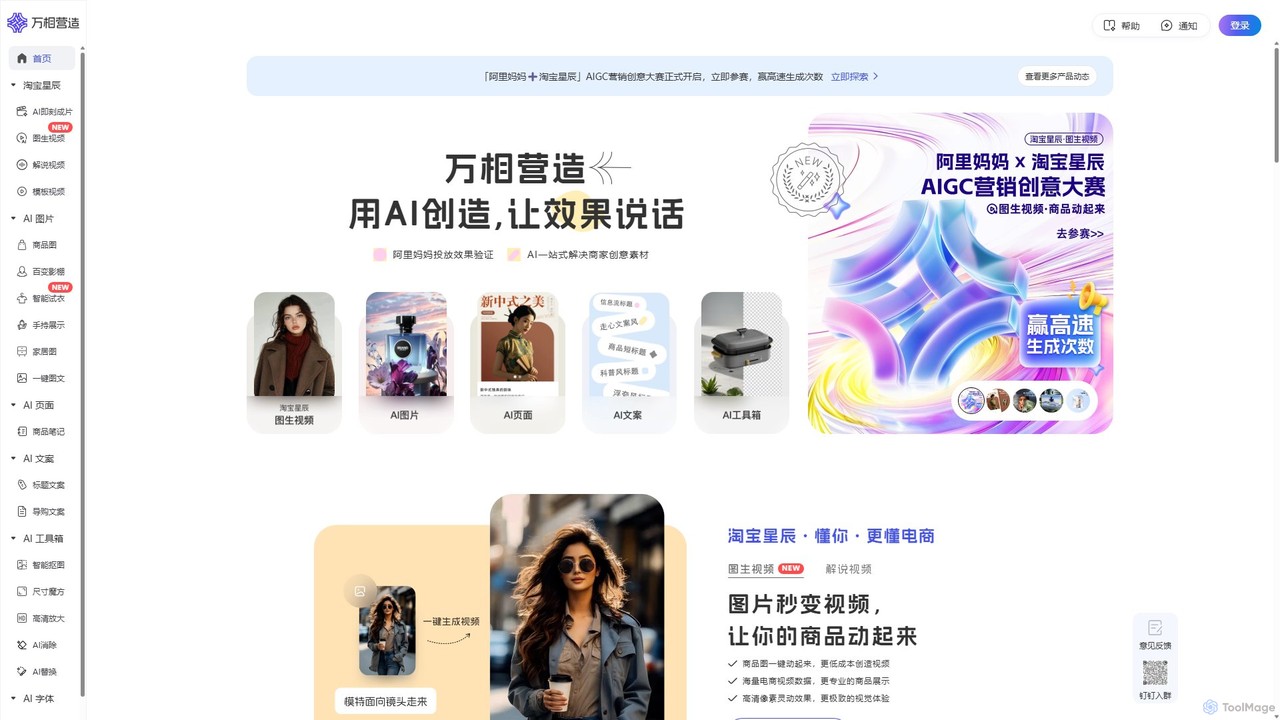
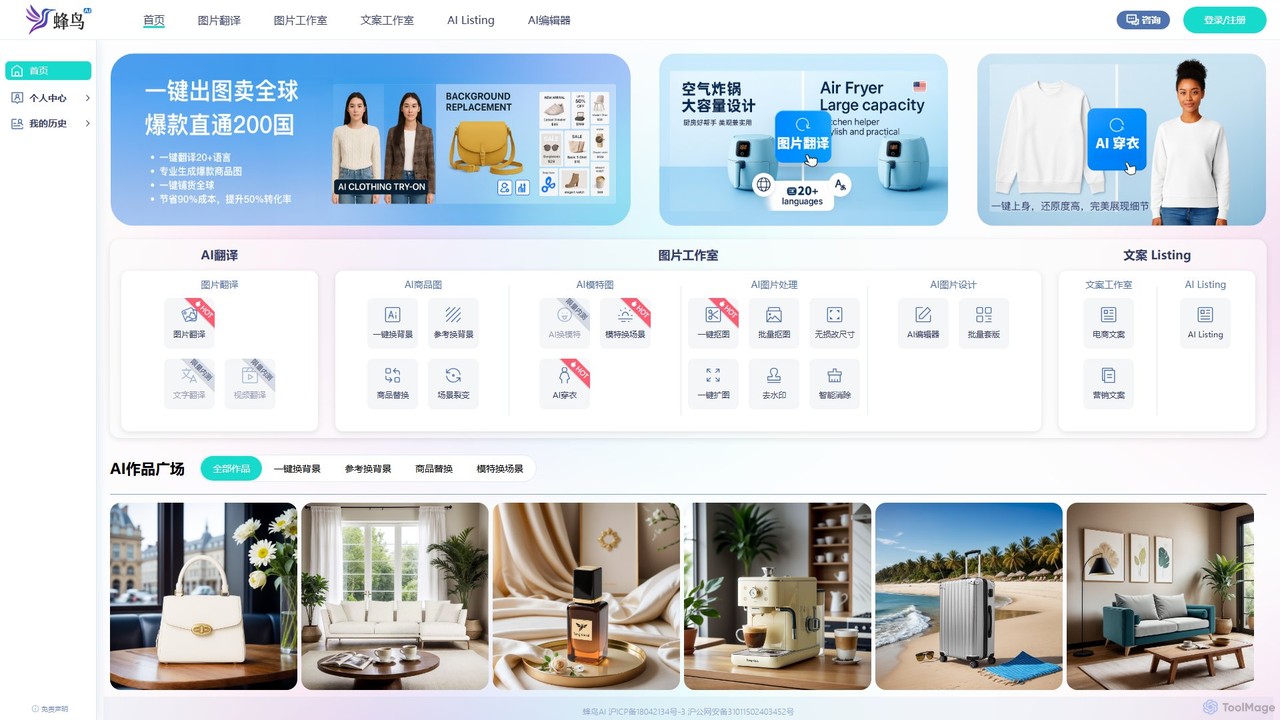
Popular AI tools in the Product Descriptions field of Copywriting include PagePilot、Wanxiang Create、Fengniao AI、Instantgen AI, etc., helping you quickly improve efficiency.

Fengniao AI

Fengniao AI

Fengniao AI is an all-in-one AI-powered content creation platform for e-commerce. It enables users to instantly generate high-quality …

3.6K
PagePilot

PagePilot

PagePilot is an AI-powered platform designed for Shopify merchants, especially dropshippers, to create high-converting product pages, landing pages, …

181.6K
Instantgen AI

Instantgen AI

Instantgen AI is an all-in-one content creation suite designed to accelerate your workflow. It generates high-quality social media …

3.2K
Wanxiang Create

Wanxiang Create

Wanxiang Create (万相营造) is an all-in-one AI-powered creative suite by Alibaba, designed for e-commerce merchants. It streamlines the …

95.8K

About Product Descriptions

AI Product Description tools are specialized applications that use natural language generation (NLG) to automatically create compelling and accurate copy for e-commerce products. These tools analyze product data such as titles, attributes (color, material), and images to generate unique, SEO-friendly text tailored to a specific brand voice. They are crucial for online retailers seeking to scale operations, improve conversion rates, and maintain consistency across large inventories. Unlike general copywriting tools, they offer features for bulk generation and direct integration with e-commerce platforms like Shopify or Amazon.

Core Features

  • Attribute-Based Generation: Creates descriptions from structured data like size, material, and technical specifications.
  • Brand Voice Customization: Allows users to define and maintain a consistent tone, from professional to witty or luxurious.
  • SEO Keyword Integration: Seamlessly incorporates target keywords to improve product visibility in search engine results.
  • Bulk Creation & Variants: Generates thousands of descriptions simultaneously and provides multiple versions for A/B testing.
  • E-commerce Platform Integration: Connects directly with platforms like Shopify, WooCommerce, and Magento for a streamlined workflow.

Use Cases

These tools are primarily used by e-commerce managers, marketplace sellers (on Amazon, Etsy), and digital marketing agencies. They are particularly valuable for businesses in sectors with large catalogs, such as fashion, electronics, home goods, and dropshipping, where manually writing unique descriptions for every item is impractical.

How to Choose

When selecting a tool, consider its integration capabilities with your e-commerce platform. Evaluate the level of control over brand voice and tone. Assess its ability to handle various data inputs (e.g., spreadsheets, URLs) and its scalability. Finally, compare pricing models—whether they are based on the number of products, words generated, or a flat subscription fee.

Product DescriptionsUse Cases

1

Launch an E-commerce Store with Speed

A startup fashion brand needs to launch its online store with over 500 unique products. Manually writing each description would take weeks. Using an AI product description tool, the marketing team uploads a spreadsheet with product names, colors, materials, and sizes. The tool generates compelling, on-brand descriptions for the entire catalog in under an hour. This accelerates the time-to-market significantly, allowing the brand to start selling weeks earlier and ensuring all listings are optimized for search engines from day one.

2

Optimize Marketplace Listings for SEO

An Amazon seller notices their electronics products are not ranking well for key search terms. Their existing descriptions are generic and lack persuasive detail. They use an AI tool to rewrite the descriptions for their top 50 products. The tool is prompted to include specific long-tail keywords, structure the output into five benefit-oriented bullet points, and adopt a trustworthy, technical tone. After updating the listings, they observe a measurable increase in organic traffic and a higher conversion rate within a month, as the new copy better addresses customer pain points and search intent.

3

A/B Test Copy to Increase Conversion Rates

A direct-to-consumer brand selling kitchen gadgets wants to improve the conversion rate on its best-selling blender page. The marketing team is unsure whether a story-driven or a feature-focused description performs better. They use an AI tool to generate two distinct versions. Version A tells a story about making healthy family smoothies, while Version B lists technical specifications and performance benefits in clear bullet points. By running an A/B test, they discover that Version B increases conversions by 15%. This data-driven insight allows them to apply the winning format across other product pages.

4

Refresh Product Descriptions for Seasonal Campaigns

A cosmetics company is preparing for the holiday season and needs to update descriptions for 100+ gift sets. Instead of manually editing each one, they use an AI tool. They create a 'holiday' tone profile that adds festive language like 'the perfect gift' and 'sparkle this season'. The tool then rewrites the existing descriptions, infusing them with the new seasonal tone while retaining core product information. This process takes a few hours instead of days, freeing up the marketing team to focus on other campaign strategies and ensuring a consistent holiday message across the site.

5

Automate Content for Dropshipping Businesses

A dropshipper adds 20-30 new products to their Shopify store daily from various suppliers. The supplier descriptions are often poorly written and duplicated across many other stores, which is bad for SEO. They set up an automation where new products added to their store trigger an AI description generator. The tool automatically pulls the product title and attributes, rewrites the description in the store's unique brand voice, and publishes it. This ensures every product has unique, high-quality content moments after being added, improving SEO and customer trust without any manual effort.

6

Localize Product Descriptions for Global Markets

An online retailer is expanding from the US to the German and Japanese markets. A direct translation of their product descriptions would sound unnatural and miss cultural nuances. They use an advanced AI tool that supports multiple languages. The tool doesn't just translate; it generates new descriptions from the core product data specifically for each market. It adapts idioms, adjusts the tone to be more formal for the Japanese market, and incorporates locally relevant keywords. This results in high-quality, localized listings that resonate with international customers and perform better in local search engines.

Product DescriptionsFrequently Asked Questions