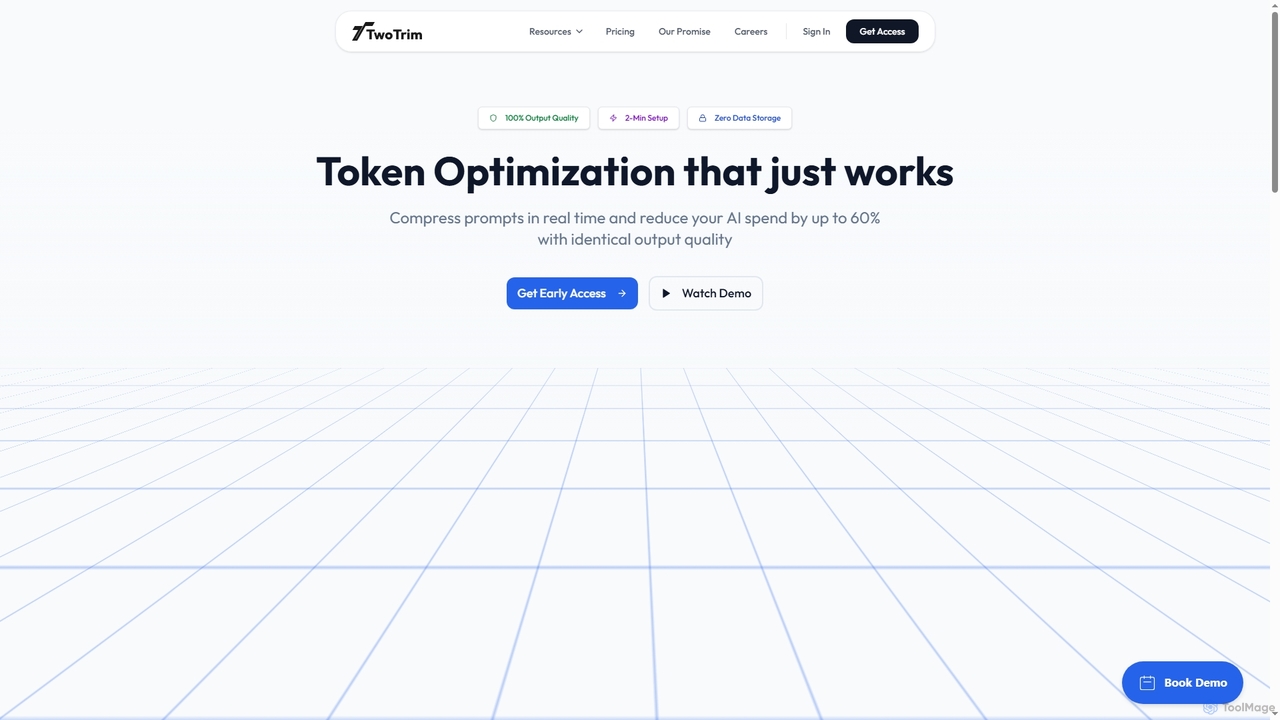
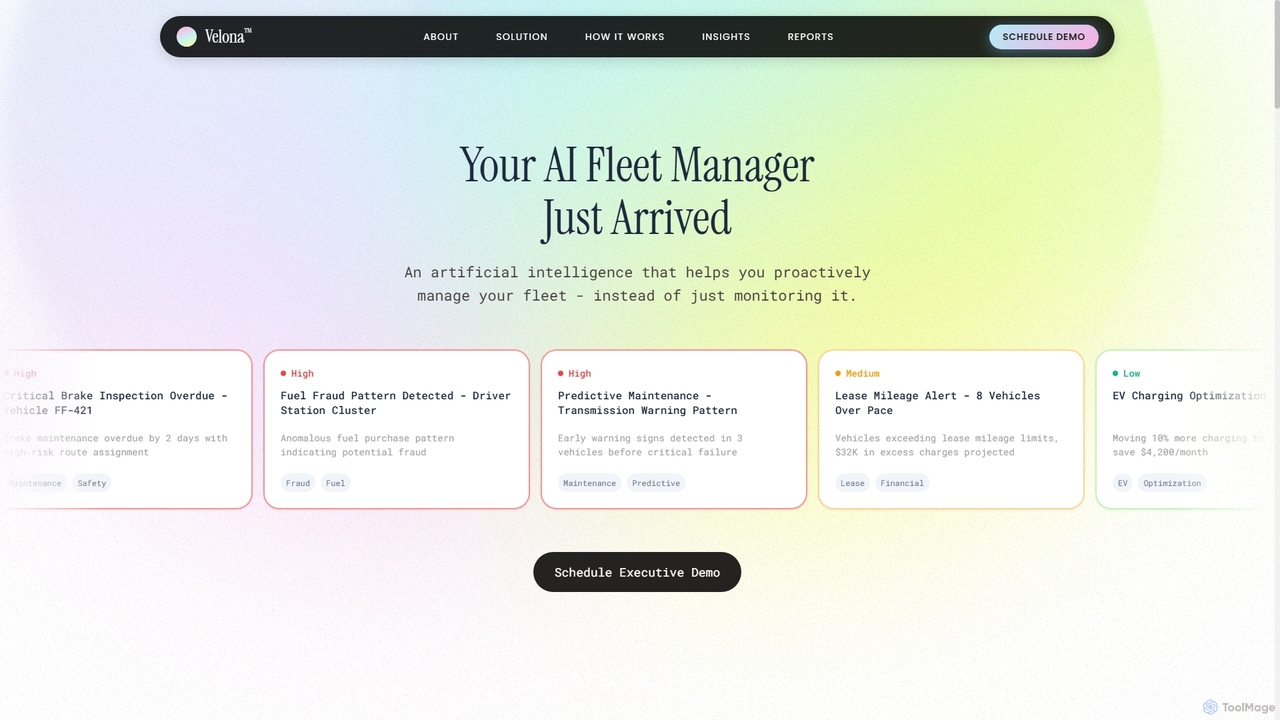
Cost Optimization tools are AI-powered platforms designed to analyze financial and operational data to identify and implement savings opportunities. They utilize machine learning algorithms for predictive forecasting, anomaly detection in spending, and in-depth analysis of resource utilization. These tools empower businesses to reduce waste, optimize budgets, and enhance financial efficiency across areas like cloud infrastructure, SaaS subscriptions, and supply chain management. Unlike traditional analysis methods, they provide proactive, data-driven recommendations to prevent cost overruns before they occur.
Core Features
- Cloud Cost Management: Monitors usage of cloud services (e.g., AWS, Azure, GCP) and suggests actions like instance resizing or terminating idle resources.
- Predictive Budget Forecasting: Uses historical data to accurately project future expenses and identify potential budget deviations.
- Spending Anomaly Detection: Automatically flags unusual transactions or consumption patterns that may indicate waste, fraud, or inefficiency.
- Automated Savings Recommendations: Generates specific, actionable advice for cost reduction, from optimizing software licenses to renegotiating supplier contracts.
- Resource Allocation Optimization: Recommends the most cost-effective distribution of resources, such as marketing spend across channels or compute power for different tasks.
Applicable Scenarios
These tools are essential for organizations with significant variable expenses, particularly in technology and operations. Key users include FinOps teams managing cloud spend, IT managers overseeing SaaS portfolios, CFOs aiming for budget accuracy, and operations directors optimizing supply chain logistics. They are valuable in industries like tech, e-commerce, manufacturing, and finance.
Selection Criteria
When choosing a Cost Optimization tool, consider its integration capabilities with your existing systems (cloud providers, ERPs). Evaluate the scope of analysis—whether it's limited to cloud costs or covers all enterprise spending. Assess the level of automation for implementing recommendations and the customizability of its reporting dashboards to match your specific KPIs.