ToolMage
Sign in

Best 7 Customer Relationship Management AI tools

Popular Customer Relationship Management AI tools include Ergo, ASPR, DIRO, Runstack, Timber POS, MechMate, and Odus, helping you work more efficiently.

MechMate
Paid

MechMate

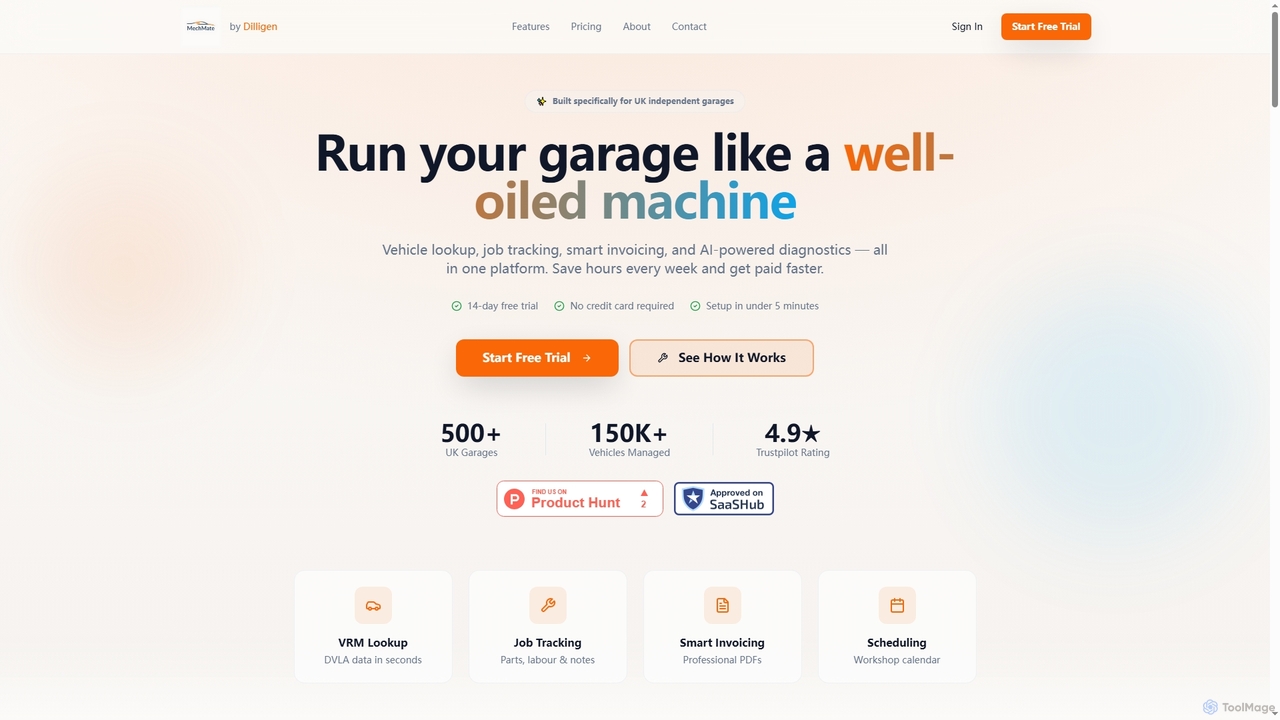
MechMate is a comprehensive garage management software designed specifically for independent UK mechanics. It streamlines operations with features like vehicle lookup, job tracking, smart invoicing, AI diagnostics, and workshop scheduling, helping garages save time and get paid faster.

3D
Visits 5.7KFavorites 58Likes 54
ASPR
Paid

ASPR

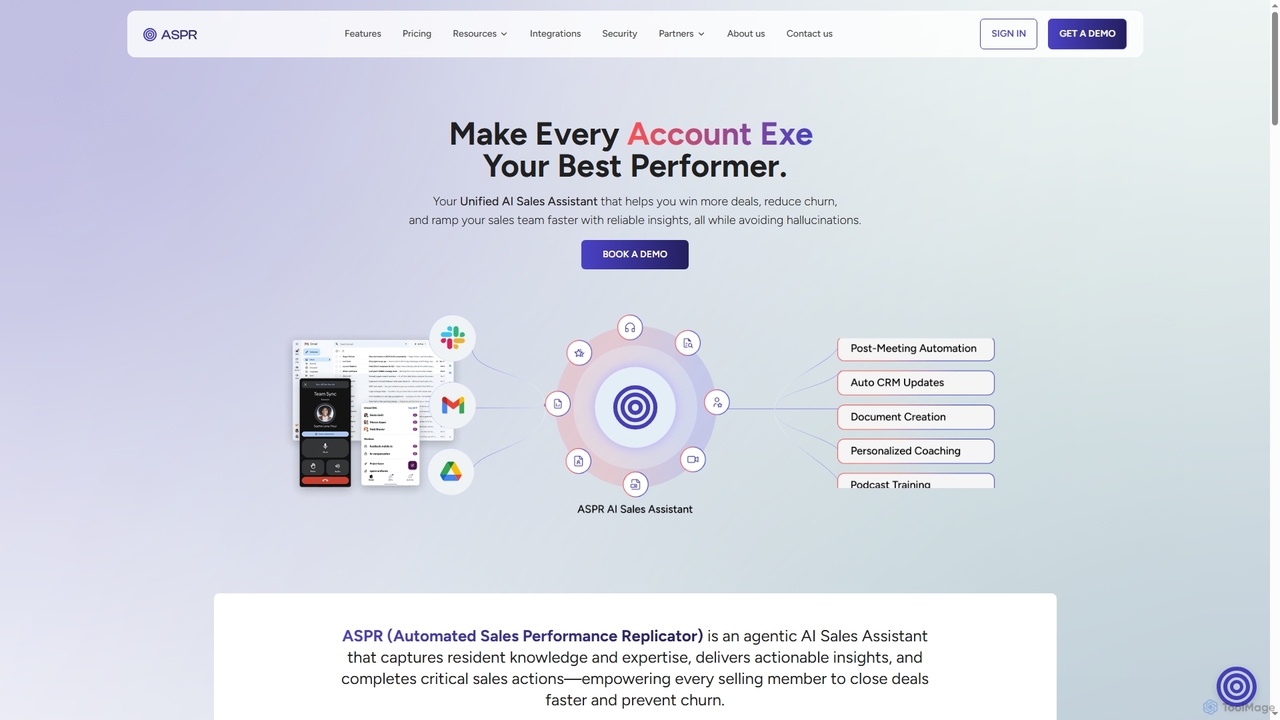
ASPR is an agentic AI Sales Assistant designed to accelerate revenue by unifying sales operations. It captures resident knowledge, delivers actionable insights, and automates critical sales actions, helping teams win more deals, reduce churn, and ramp up faster, all while avoiding hallucinations.

Crm Automation
Visits 9KFavorites 57Likes 48
Runstack

Runstack

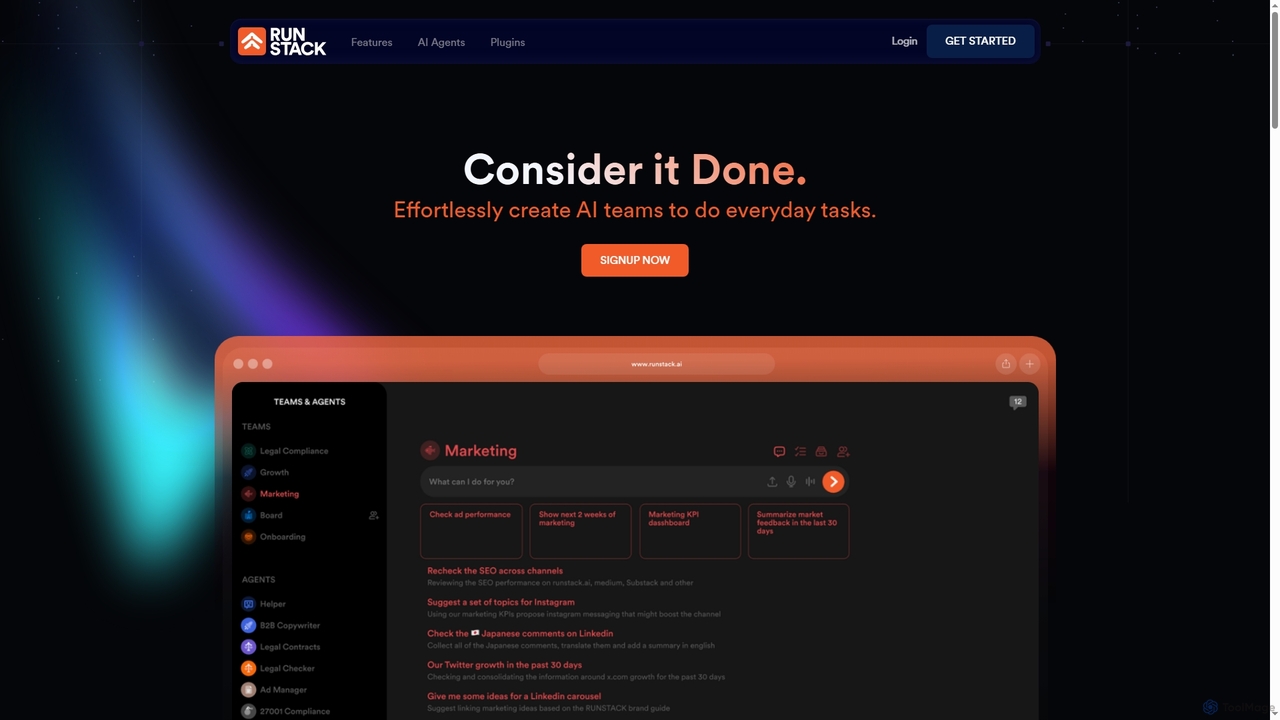
Runstack is an innovative AI agent platform that empowers businesses to effortlessly create custom AI assistants. By simply describing tasks in plain English, users can deploy intelligent agents to automate workflows, integrate with over 50 business tools, and handle complex operations across various departments, from sales and marketing to finance and project management.

Sales Automation
Visits 6.1KFavorites 81Likes 83
Odus

Odus

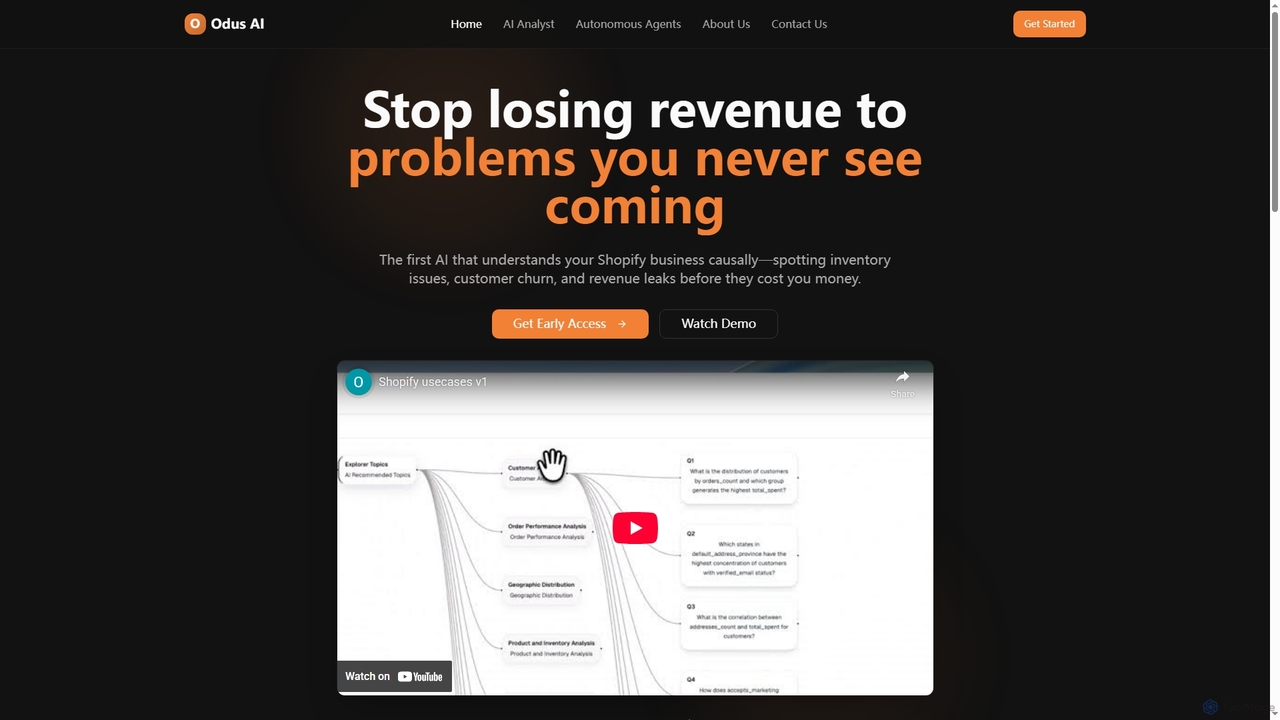
Odus is an advanced AI platform for Shopify merchants, offering an AI Analyst for instant, natural language insights and Autonomous Agents that proactively protect revenue by detecting issues like inventory problems, customer churn, and revenue leaks 24/7.

Retention
Visits 5.7KFavorites 82Likes 69
Timber POS
Paid

Timber POS

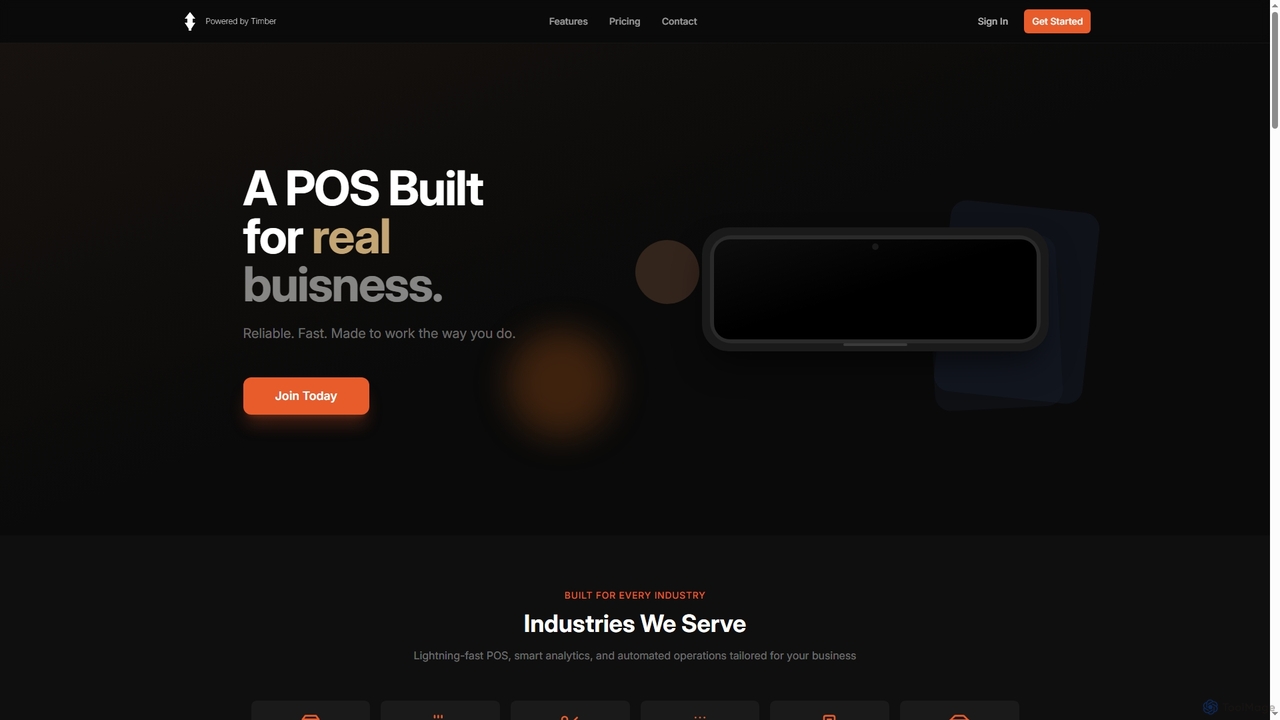
Timber POS is a reliable and lightning-fast point of sale system designed for small businesses across various industries. It offers smart analytics, automated operations, and flexible hardware compatibility, enabling businesses to manage sales, inventory, and customer relationships efficiently, both in-store and online.

Loyalty Programs
Visits 5.8KFavorites 84Likes 78
DIRO
Freemium

DIRO

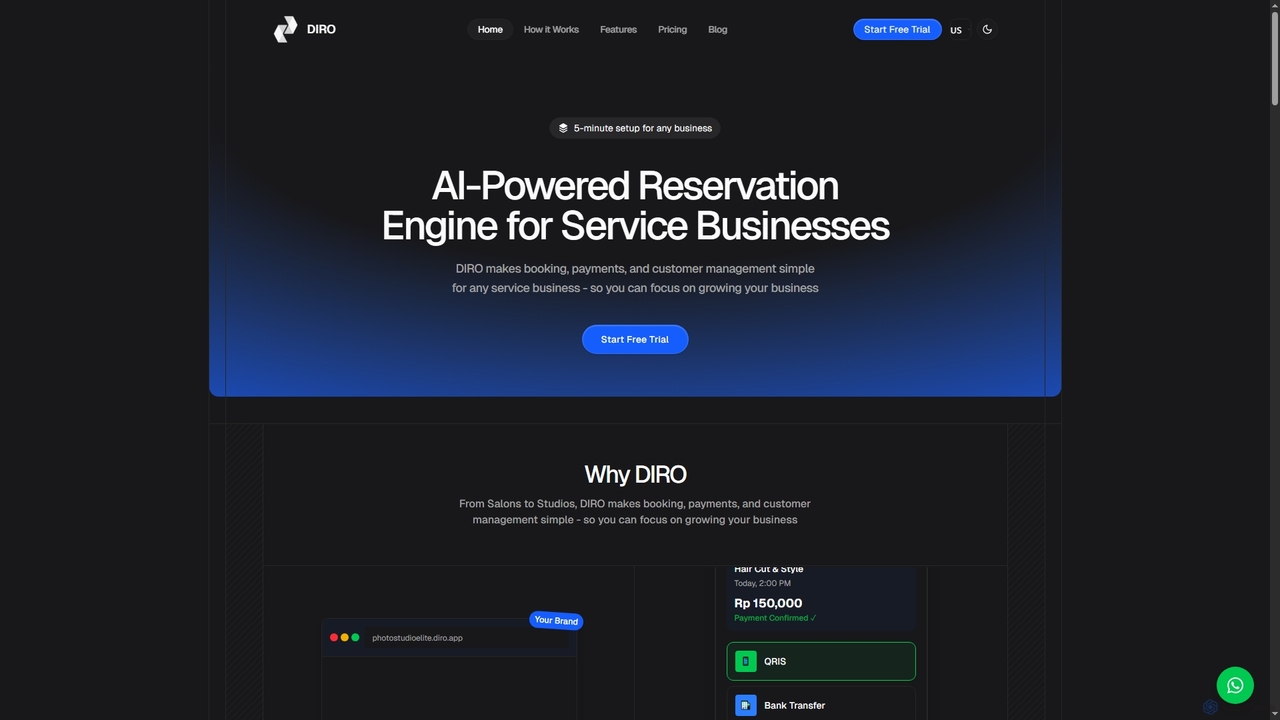
DIRO is an AI-powered reservation engine for service businesses, simplifying online booking, payments, and customer management. It enables businesses to create branded booking sites, reduce no-shows with automated reminders, manage staff, and gain insights, allowing them to focus on growth and enhance client loyalty.

3D
Visits 7KFavorites 119Likes 126
Ergo

Ergo

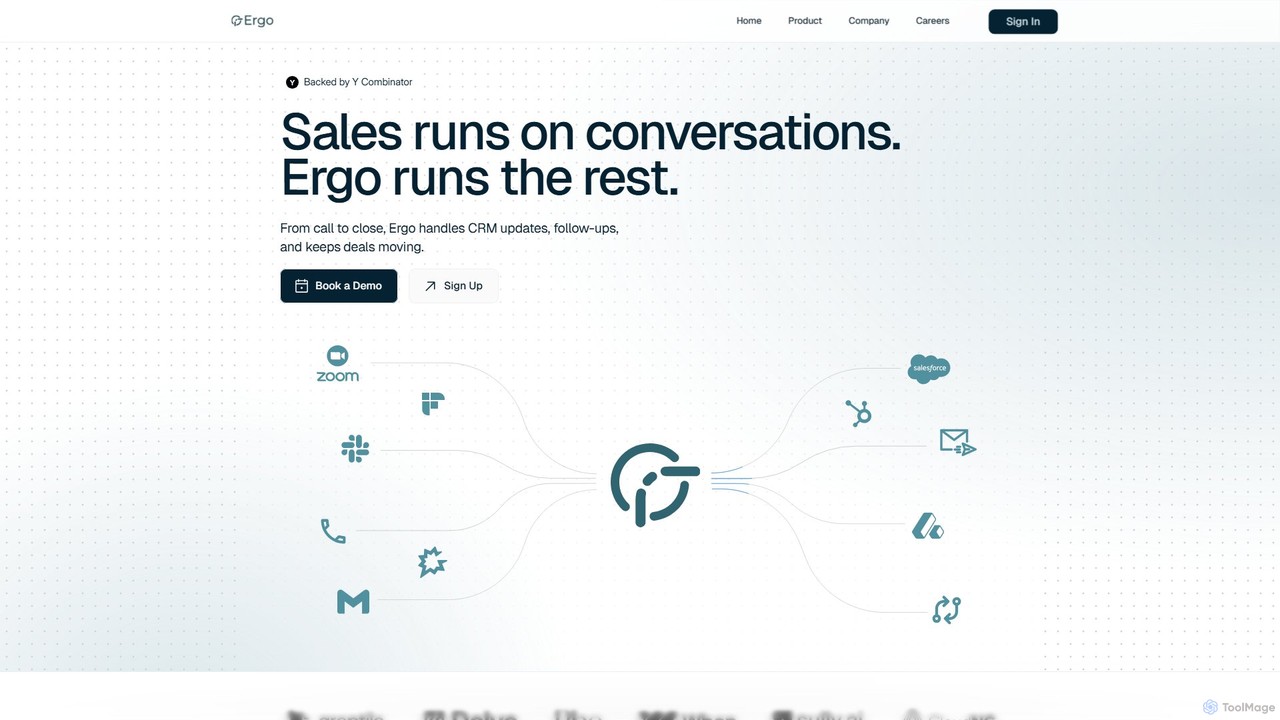
Ergo is a Y Combinator-backed AI sales automation platform that eliminates manual administrative work. It automatically updates your CRM, drafts personalized follow-up emails after calls, and revives stale deals, allowing sales teams to focus on building relationships and closing deals faster.

Sales Intelligence
Visits 14.4KFavorites 148Likes 154

About Customer Relationship Management

AI Customer Relationship Management (CRM) tools are platforms that leverage artificial intelligence to automate and enhance interactions with current and potential customers. These systems use machine learning to analyze vast amounts of customer data, predict behaviors, and personalize communications across all touchpoints. By doing so, they enable businesses to build stronger relationships, improve sales efficiency, and deliver superior, data-driven customer service. Key advantages include predictive lead scoring, automated data entry, and intelligent workflow recommendations that guide teams toward the most effective actions.

Core Features

  • Predictive Lead Scoring: Automatically ranks leads based on their likelihood to convert, using historical data and engagement patterns.
  • Sentiment Analysis: Analyzes customer emails, chats, and calls to gauge emotion and urgency, helping prioritize support tickets.
  • AI-Powered Chatbots: Provides 24/7 customer support, qualifies leads, and schedules meetings without human intervention.
  • Sales Forecasting: Uses AI algorithms to analyze pipeline data and historical performance for more accurate revenue predictions.
  • Automated Data Entry: Captures and logs customer interactions from emails, calls, and calendars automatically, reducing manual work.

Use Cases

AI CRM tools are widely used by sales, marketing, and customer service teams in various industries, including technology, retail, and finance. Sales teams use them to prioritize high-value leads and automate follow-ups. Marketing departments leverage them for creating hyper-personalized campaigns. Customer support centers deploy AI chatbots to handle routine inquiries, freeing up agents for complex issues.

How to Choose

When selecting an AI CRM, consider the specific AI features you need, such as lead scoring versus sentiment analysis. Evaluate its integration capabilities with your existing software stack (e.g., marketing automation, ERP). Assess the platform's scalability to grow with your business and ensure its data security protocols meet your compliance standards. Finally, consider the user interface and the level of training required for your team.

Customer Relationship Management use cases

1

Automating Sales Lead Prioritization

A sales manager for a B2B software company uses an AI CRM to automatically score and prioritize hundreds of incoming leads each week. The system analyzes lead sources, company size, job titles, and website engagement to assign a 'hot', 'warm', or 'cold' status. This allows the sales team to immediately focus on the most promising opportunities, reducing response times from hours to minutes and increasing the lead-to-opportunity conversion rate by a significant margin.

2

Enhancing Customer Support with AI Chatbots

An e-commerce company integrates its AI CRM's chatbot onto its website and messaging apps. The chatbot handles over 60% of incoming customer queries, such as order status checks, return policy questions, and product information requests, 24/7. For complex issues, the chatbot seamlessly transfers the conversation, along with the full context and customer history, to a human agent. This reduces agent workload, improves customer satisfaction with instant answers, and ensures support availability outside of business hours.

3

Personalizing Marketing Campaigns at Scale

A marketing team for a direct-to-consumer brand uses its AI CRM to analyze customer purchase history, browsing behavior, and demographic data. The AI segments the audience into micro-clusters and recommends specific products and messaging for each group. This allows the team to run highly personalized email and social media campaigns automatically, resulting in higher engagement rates, increased average order value, and a stronger sense of brand loyalty among customers.

4

Predicting Customer Churn for Proactive Retention

A subscription-based service provider uses its AI CRM's predictive analytics to identify customers at high risk of churning. The model analyzes factors like declining usage, recent support tickets, and payment history. The customer success team receives automated alerts for at-risk accounts, allowing them to proactively reach out with special offers, additional training, or support calls. This data-driven approach helps reduce churn rates and increases overall customer lifetime value.

5

Streamlining Data Entry and Activity Logging

A field sales representative uses their AI CRM's mobile app to manage their day. After a client call, the app automatically logs the call duration and uses voice-to-text to transcribe notes. When they send a follow-up email, the CRM automatically captures it and links it to the contact's record. This automation saves the representative several hours per week on manual data entry, allowing them to spend more time selling and ensuring that the CRM data is always accurate and up-to-date for the entire team.

6

Generating Accurate Sales Forecasts

A sales director needs to provide a quarterly revenue forecast to the executive board. Instead of relying on manual spreadsheets and subjective estimates from reps, they use the AI forecasting module in their CRM. The AI analyzes the current pipeline, historical conversion rates for each sales stage, deal size, and even the sentiment of recent communications. The system generates a more accurate and objective forecast, highlighting deals that are at risk and those most likely to close, enabling more confident strategic planning.

Customer Relationship Management FAQ

What is an AI Customer Relationship Management (CRM) tool?

An AI Customer Relationship Management (CRM) tool is a software platform that uses artificial intelligence to enhance traditional CRM functions. It goes beyond simple data storage by actively analyzing customer data to provide predictive insights, automate repetitive tasks, and personalize customer interactions. Key features often include predictive lead scoring, AI-powered chatbots for service, and sentiment analysis of communications.

How is an AI CRM different from a standard CRM?

A standard CRM primarily acts as a system of record, a database for storing customer information and tracking interactions. An AI CRM adds an intelligence layer on top of that data. It uses AI to analyze the stored information to provide actionable insights, such as predicting which deals will close, identifying at-risk customers, and recommending the next best action for a salesperson to take. In essence, a standard CRM tells you what happened, while an AI CRM tells you what is likely to happen next and what you should do about it.

Who can benefit from using AI CRM tools?

A wide range of roles and departments can benefit from AI CRM tools.

  • Sales Teams: To prioritize leads, automate follow-ups, and get accurate sales forecasts.
  • Marketing Departments: To segment audiences, personalize campaigns, and analyze customer behavior.
  • Customer Service Agents: To get instant context on customer issues and use chatbots to handle routine queries.
  • Business Leaders: To gain data-driven insights into customer health, market trends, and overall business performance.

How do I choose the right AI CRM tool?

Choosing the right AI CRM involves several key steps. First, clearly define your business goals: are you trying to increase sales efficiency, improve customer retention, or personalize marketing? Next, identify the specific AI features that support these goals, such as lead scoring or chatbots. Evaluate integration capabilities with your existing tools. Also, consider the scalability of the platform to ensure it can grow with your business. Finally, request demos and trials to assess the user-friendliness and get feedback from your team before making a final decision.

What are the key features to look for in an AI CRM?

When evaluating AI CRM tools, look for features that align with your business needs. Some of the most impactful features include:

  • Predictive Analytics: For lead scoring, sales forecasting, and churn prediction.
  • Natural Language Processing (NLP): To power intelligent chatbots and analyze sentiment in customer communications.
  • Automation: For tasks like data entry, activity logging, and scheduling follow-ups.
  • Personalization Engines: To recommend products or content for marketing campaigns.
  • Robust Reporting and Dashboards: To visualize AI-driven insights and track performance.