Customer Service Best in category 2 results Analytics AI Tool

Popular AI tools in the Analytics field of Customer Service include Hear、TranscriptionAI, etc., helping you quickly improve efficiency.

Hear

Hear

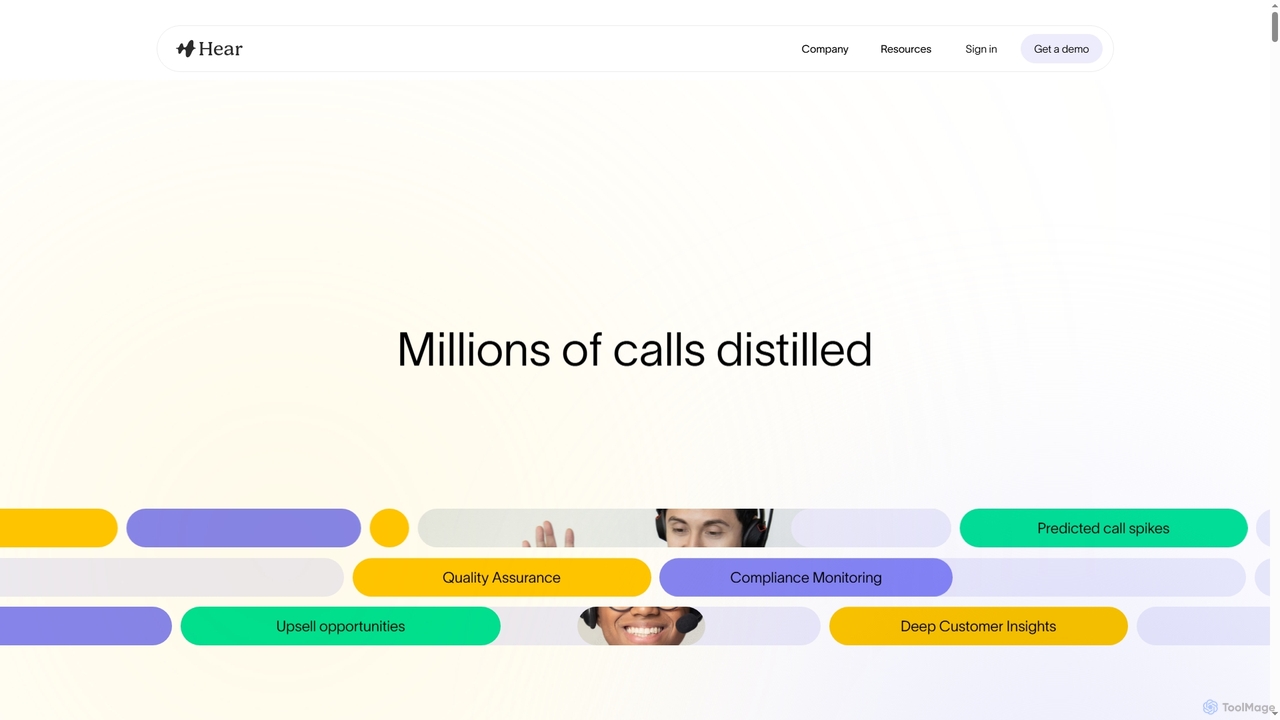
Hear is an AI-powered contact center intelligence platform that transforms customer interactions into actionable insights. It helps CX …

14.4K
TranscriptionAI

TranscriptionAI

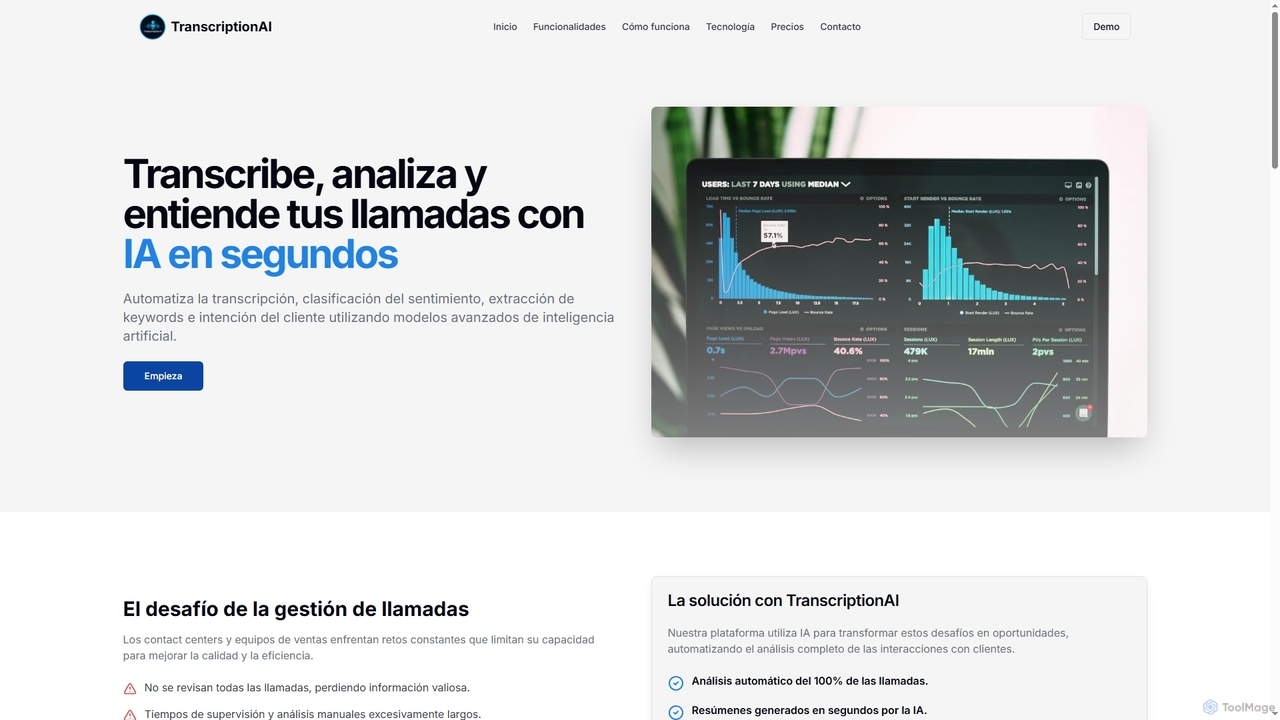
TranscriptionAI is an advanced AI-powered platform designed to automate the transcription, analysis, and understanding of business calls. It …

2.7K

About Analytics

Analytics tools in customer service are AI-powered solutions designed to process, analyze, and interpret vast amounts of customer interaction data. These tools leverage advanced natural language processing (NLP) and machine learning to extract actionable insights from conversations, feedback, and operational metrics. Their primary value lies in transforming raw customer data into strategic intelligence, enabling businesses to understand customer behavior, identify pain points, optimize service delivery, and ultimately enhance the overall customer experience.

Core Features

  • Sentiment Analysis: Automatically detects and quantifies customer emotions and attitudes from text and speech.
  • Interaction Transcription & Summarization: Converts spoken conversations into text and generates concise summaries of interactions.
  • Root Cause Analysis: Identifies underlying reasons for customer issues by analyzing patterns across support tickets and feedback.
  • Agent Performance Monitoring: Evaluates agent effectiveness, compliance, and efficiency based on interaction quality and outcomes.
  • Predictive Analytics: Forecasts future customer behavior, such as churn risk or potential issue escalation, based on historical data.

Use Cases

These tools are crucial for customer service managers, CX strategists, and call center supervisors seeking to move beyond reactive support. They are used to pinpoint recurring issues across thousands of customer interactions, optimize agent training programs by identifying skill gaps, and proactively address customer dissatisfaction before it leads to churn.

How to Choose

When selecting an AI Analytics tool for customer service, consider its integration capabilities with existing CRM and ticketing systems, the sophistication of its AI models (e.g., NLP accuracy, sentiment granularity), the flexibility of its reporting and visualization dashboards, and its adherence to data privacy and security standards. Scalability and customization options for specific business needs are also vital.

AnalyticsUse Cases

1

Identify Customer Pain Points

Customer service managers use AI analytics to automatically scan thousands of support tickets and chat logs, identifying recurring themes and common frustrations that indicate systemic issues with products or services. This allows for proactive problem-solving and product improvement by pinpointing areas needing immediate attention, leading to a significant reduction in repeat complaints.

2

Identify Customer Pain Points

A Customer Service Manager uses AI Analytics to automatically process thousands of support tickets, call transcripts, and customer feedback forms. The tool identifies recurring issues, common keywords, and negative sentiment spikes related to specific product features or service processes. This allows the manager to pinpoint systemic pain points, prioritize product improvements, and reduce future inbound contact volume.

3

Predict Customer Churn Risk

Marketing and retention teams leverage predictive analytics to identify customers showing early signs of dissatisfaction or disengagement based on interaction history, sentiment analysis, and behavioral patterns. This enables targeted outreach and personalized offers to prevent churn before it occurs, potentially saving a significant portion of at-risk customer revenue.

4

Optimize Agent Performance & Training

A Call Center Supervisor leverages AI Analytics to evaluate agent interactions at scale. The tool transcribes calls, analyzes agent tone, adherence to scripts, and customer sentiment during conversations. It highlights areas where agents excel or struggle, providing data-driven insights for personalized coaching, targeted training modules, and improved overall agent effectiveness, leading to higher customer satisfaction.

5

Optimize Agent Performance

Call center supervisors utilize AI analytics to evaluate agent conversations for adherence to scripts, empathy, and resolution efficiency. Insights help in identifying training needs, improving agent coaching, and enhancing overall service quality, leading to a measurable increase in first-call resolution rates and customer satisfaction scores.

6

Predict & Prevent Customer Churn

A Customer Success Team Lead utilizes AI Analytics to monitor customer health scores. The tool analyzes interaction frequency, sentiment shifts in recent support tickets, product usage patterns, and feedback across various touchpoints. By identifying early warning signs of dissatisfaction or disengagement, the team can proactively intervene with personalized offers or support, significantly reducing churn rates.

7

Enhance Product Feedback Loop

Product development teams analyze customer feedback from various channels (reviews, social media, support interactions) using AI analytics to pinpoint desired features, usability issues, and market demands. This directly informs product roadmap decisions, ensuring that new features and improvements are aligned with actual customer needs, accelerating product innovation cycles.

8

Enhance Self-Service Content

A Knowledge Base Manager employs AI Analytics to understand gaps in self-service resources. The tool analyzes customer search queries on the website, chatbot interactions, and common questions asked in support tickets that aren't resolved by existing FAQs. This insight enables the manager to create highly relevant and effective knowledge base articles, reducing the need for live agent assistance.

9

Personalize Customer Journeys

E-commerce businesses employ AI analytics to understand individual customer preferences, purchase history, and interaction patterns. This data is used to deliver highly personalized recommendations, offers, and support experiences across different touchpoints, significantly increasing conversion rates and customer loyalty by making each interaction feel unique and relevant.

10

Real-time Service Channel Monitoring

A Digital Customer Experience Lead uses AI Analytics dashboards to monitor customer sentiment and emerging issues across chat, social media, and email channels in real-time. The tool provides instant alerts for significant negative sentiment spikes or trending topics, allowing the team to quickly address widespread problems, manage brand reputation, and maintain consistent service quality across all digital touchpoints.

11

Automate Compliance Monitoring

Financial services or healthcare providers use AI analytics to automatically monitor customer interactions for compliance with regulatory requirements and internal policies. This ensures adherence to standards and reduces legal risks by flagging non-compliant conversations or identifying potential fraud patterns, saving countless hours of manual review and ensuring regulatory integrity.

12

Personalize Customer Interactions

A CX Strategist integrates AI Analytics with CRM data to build comprehensive customer profiles. By analyzing past interactions, preferences, and sentiment, the tool helps agents understand individual customer context and emotional state before an interaction. This enables more personalized, empathetic, and effective support, leading to stronger customer relationships and increased loyalty.

AnalyticsFrequently Asked Questions