ToolMage
Sign in

Best 13 Contact Center AI tools for Customer Support

Popular Contact Center AI tools in Customer Support include Nextiva, Convoso, NICE, Datamatics, Ringflow, Glia, BSG AI CPaaS, Tactful, deepijatel, and Samespace, helping you work more efficiently.

tryvium
Paid

tryvium

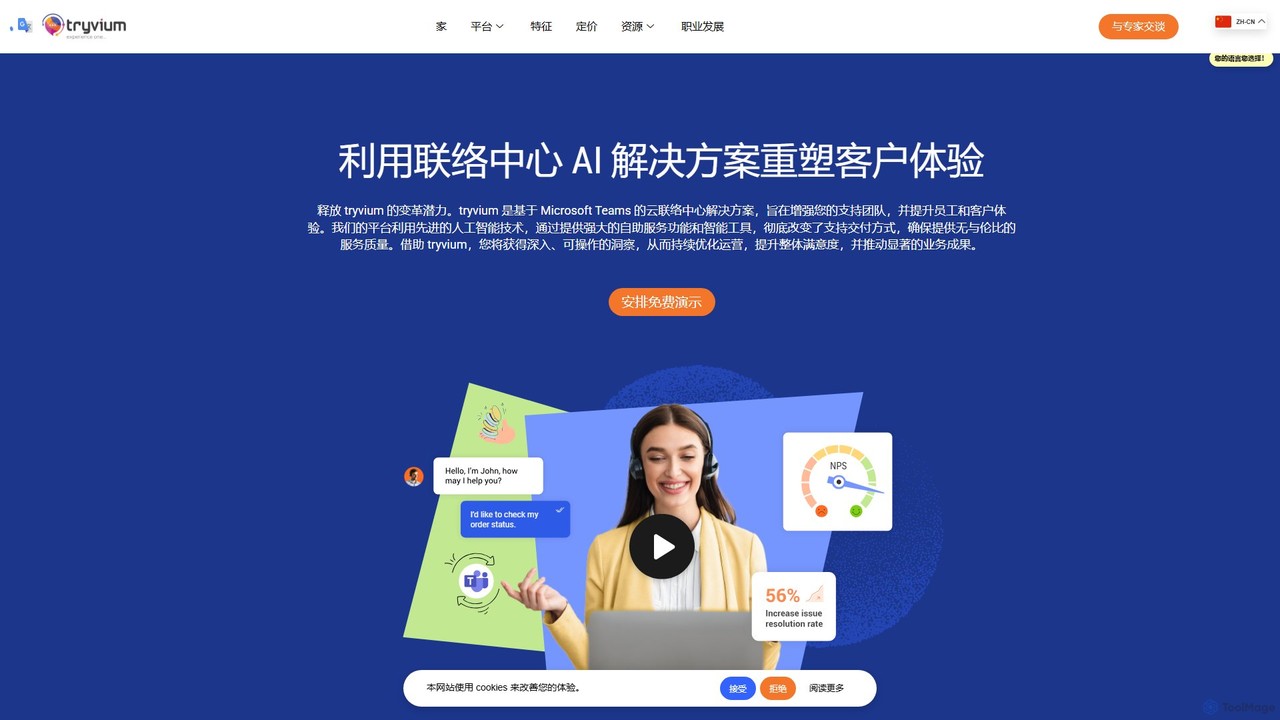
tryvium is an AI-powered solution for contact centers, designed to automate customer interactions and enhance agent productivity through advanced multilingual capabilities. It offers AI chatbots, real-time agent assistance, and powerful analytics to deliver seamless global customer support.

Conversational Ai
Visits 7.6KFavorites 127Likes 134
Glia
Paid

Glia

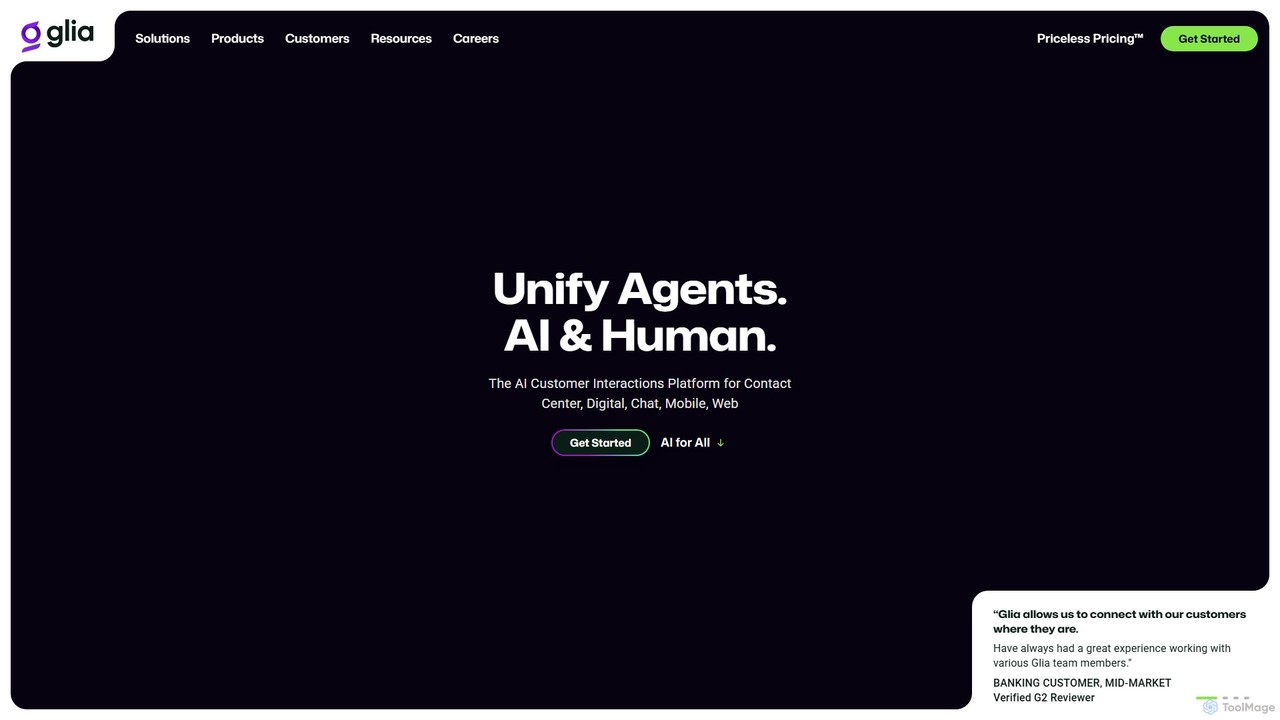
Glia is an AI-powered contact center platform that unifies AI and human agents across voice and digital channels. Its ChannelLess® architecture provides seamless customer interactions, while its "AI for All" suite enhances productivity for agents, managers, and executives. It's specifically designed for regulated industries like finance and insurance, offering predictable, usage-free pricing.

Contact Center
Visits 54.5KFavorites 95Likes 111
Tactful
Paid

Tactful

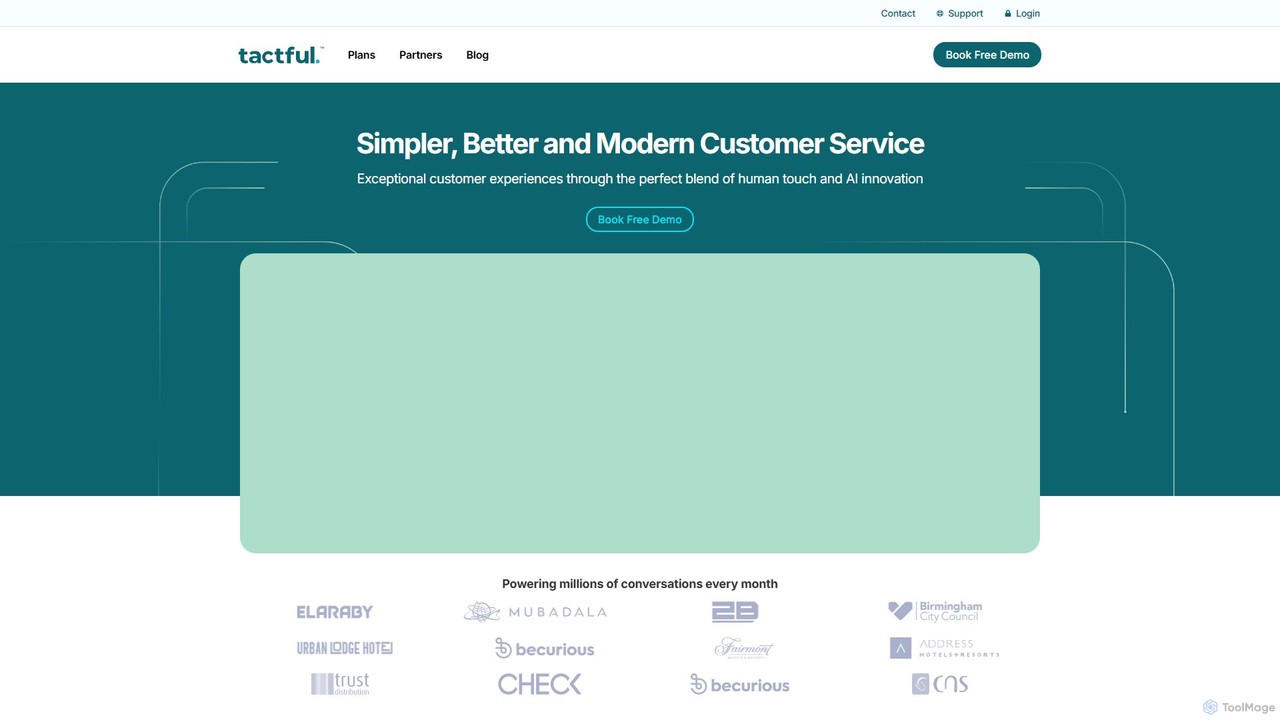
Tactful is an AI-powered, next-generation customer service platform that unifies communications across all channels. It combines human agents with AI innovation, featuring a no-code automation studio, intelligent chatbots, and smart routing to enhance agent productivity and deliver exceptional customer experiences at scale.

Conversational Ai
Visits 21KFavorites 157Likes 142
Datamatics
Paid

Datamatics

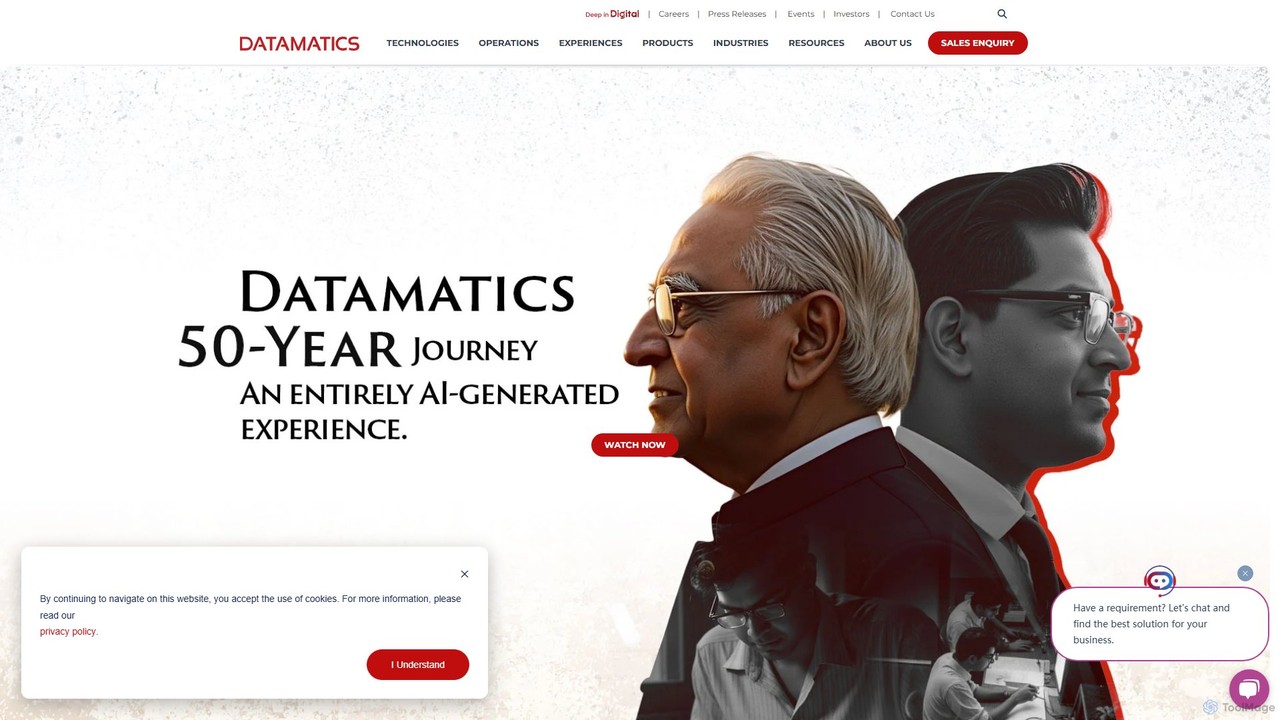
Datamatics is an enterprise-grade platform offering a suite of Digital Technologies, Operations, and Experiences. It leverages AI-powered Intelligent Automation, including RPA (TruBot) and IDP (TruCap+), to enhance productivity, transform finance operations, and elevate customer experiences for global enterprises.

Document Processing
Visits 112.9KFavorites 114Likes 133
Convoso
Paid

Convoso

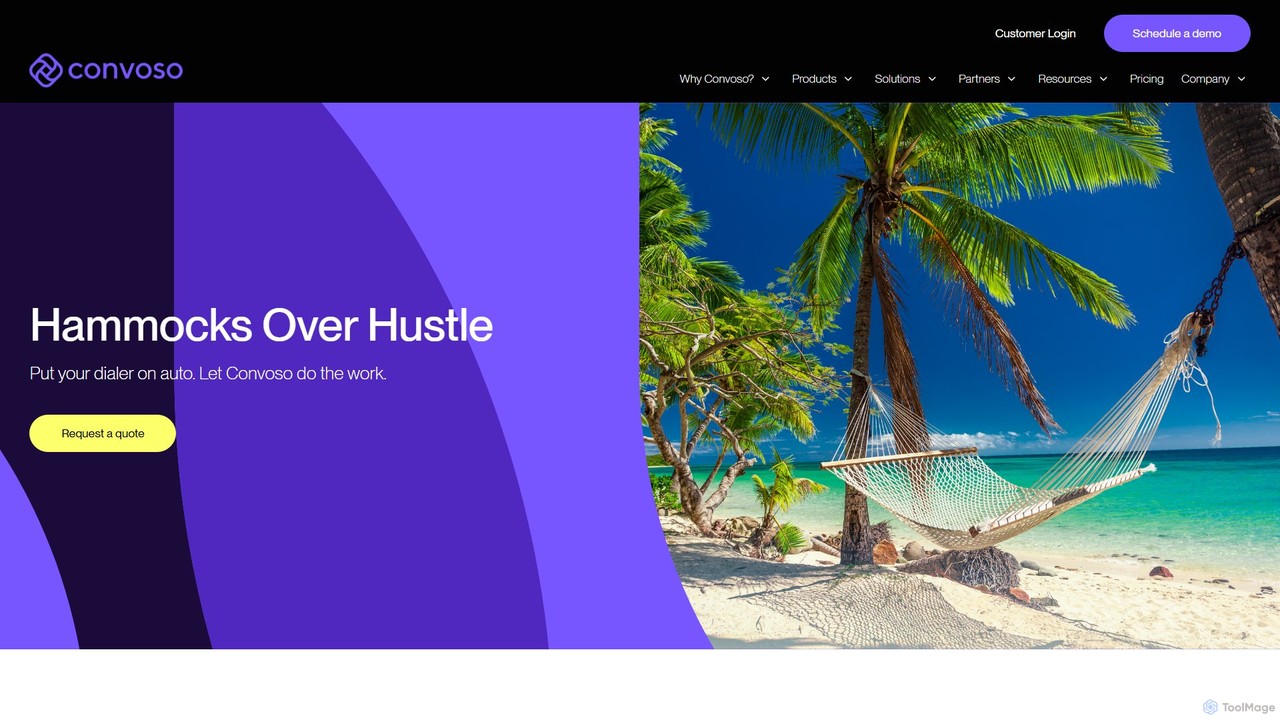
Convoso is a leading AI-powered contact center platform designed for sales teams to boost growth. It enhances agent productivity and increases contact rates through its advanced predictive dialer, workflow automation, and robust compliance tools, ultimately driving more conversations and revenue.

Contact Center
Visits 482KFavorites 130Likes 135
BSG AI CPaaS
Paid

BSG AI CPaaS

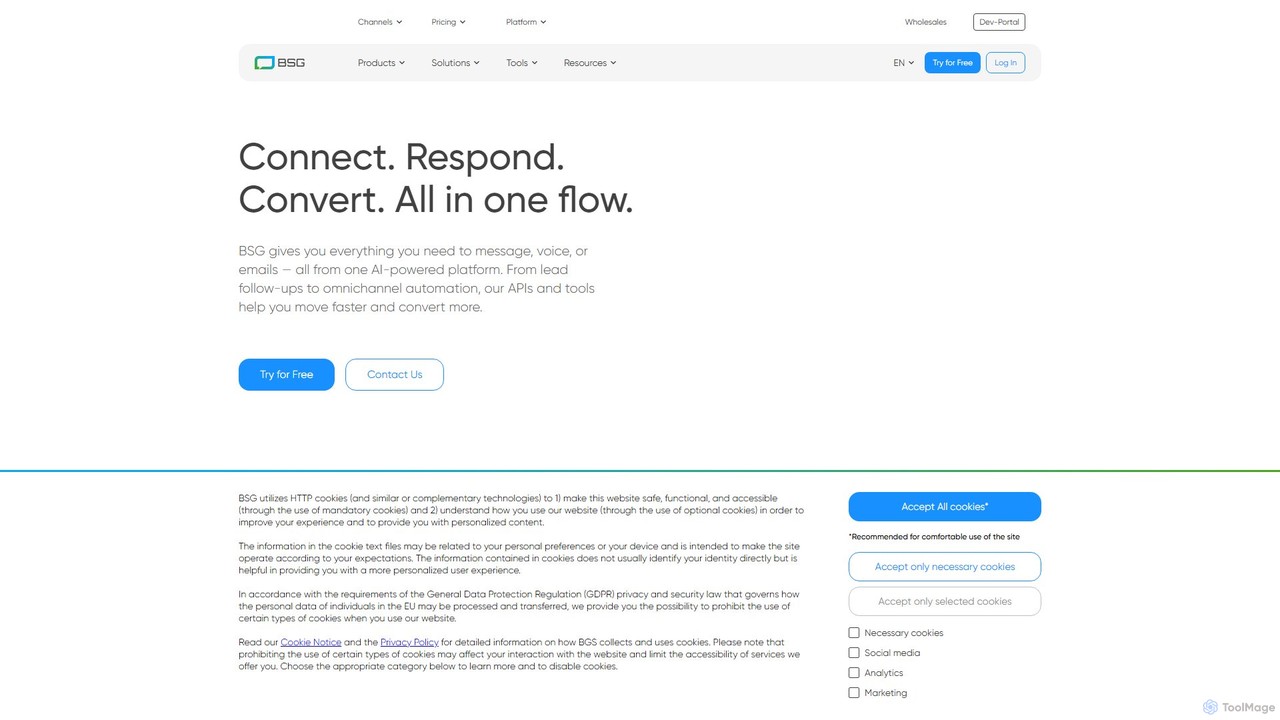
BSG is an AI-powered Communications Platform as a Service (CPaaS) providing global, multi-channel messaging solutions. It enables businesses to integrate SMS, AI Voice Bots, RCS, and Viber messaging into their applications via robust APIs for enhanced customer engagement, security, and marketing.

Contact Center
Visits 28.5KFavorites 111Likes 115
islucid
Paid

islucid

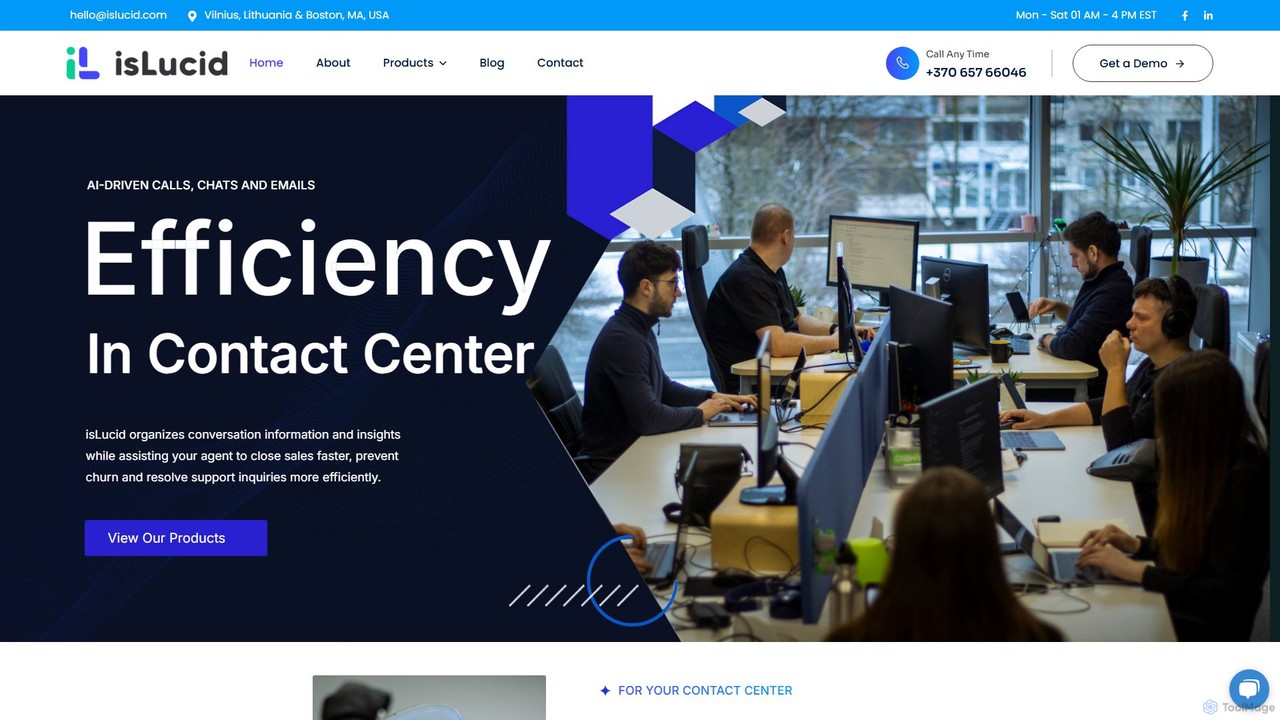
islucid is an AI-powered platform for sales and customer success teams, designed to enhance contact center efficiency. It analyzes conversations across calls, chats, and emails to provide real-time insights, automate tasks, and assist agents. Key features include churn prediction, sentiment analysis, real-time AI assistance, and multilingual support, helping businesses close sales faster and improve customer retention.

Contact Center
Visits 6.2KFavorites 152Likes 169
NICE
Paid

NICE

NICE is a leading global provider of AI-powered cloud customer experience (CX) solutions. Its flagship platform, CXone, offers a unified suite of tools for contact centers, including omnichannel routing, workforce engagement management, analytics, and automation. NICE helps organizations of all sizes create frictionless customer journeys, improve agent performance, and drive operational efficiency through purpose-built AI.

Analytics
Visits 469.1KFavorites 136Likes 113
Ringflow
Paid

Ringflow

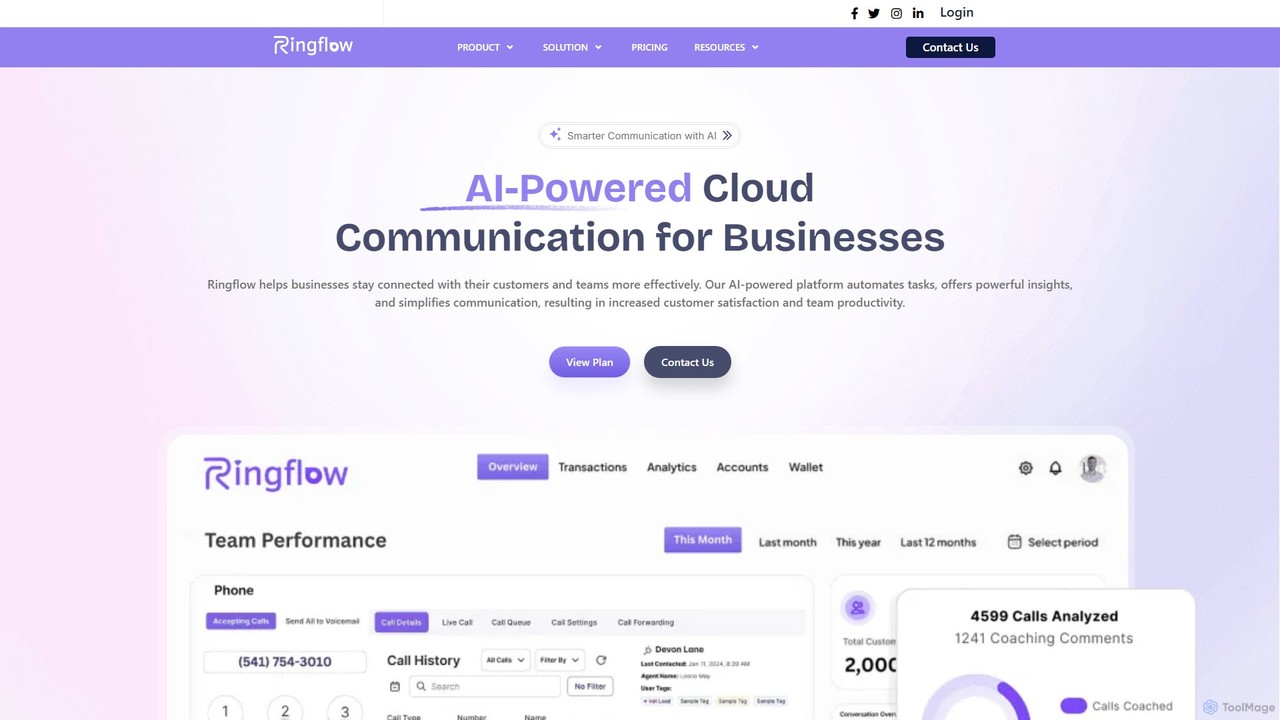
Ringflow is an AI-powered cloud communication platform for businesses, unifying voice, video, and messaging into a single, intelligent system. It enhances team productivity and customer satisfaction with features like a smart dialer, real-time analytics, and AI-driven call summaries.

Voip
Visits 68KFavorites 112Likes 120
Hostcomm
Paid

Hostcomm

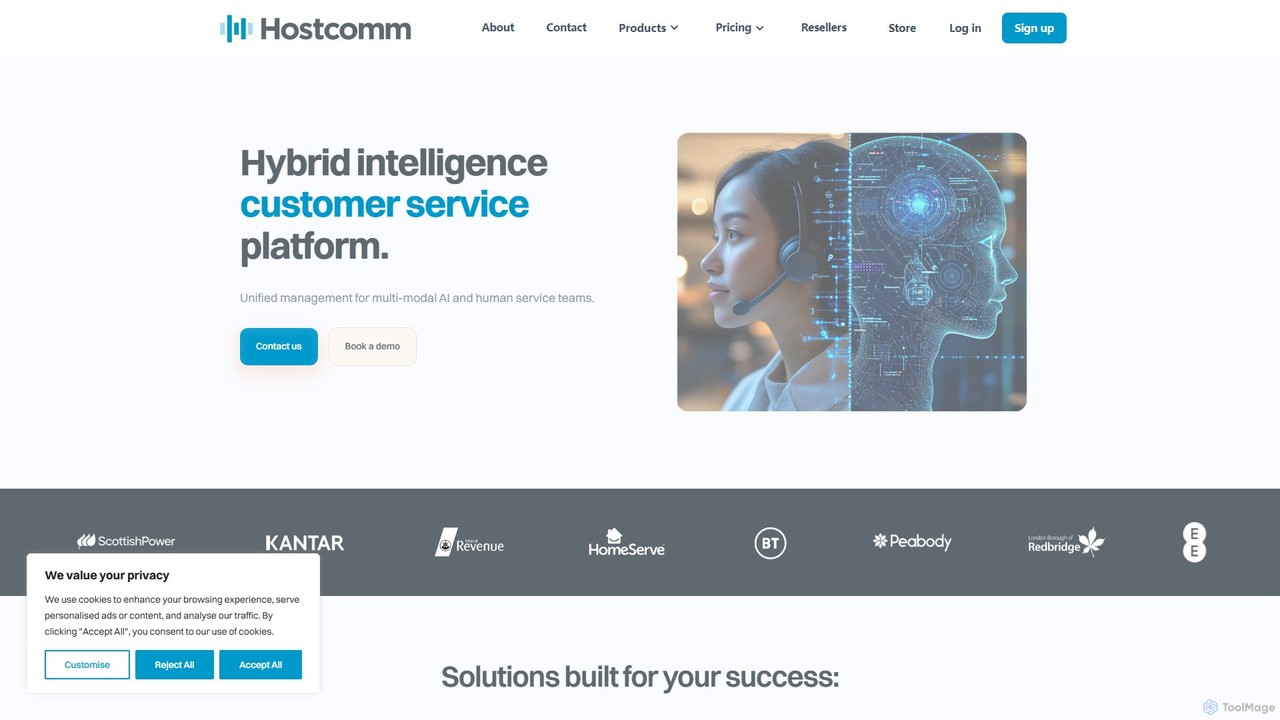
Hostcomm is a hybrid intelligence customer service platform that unifies AI and human agents. It offers multi-modal AI agents (voice, chat, email), remote visual assistance, and contact center automation to reduce costs, improve customer experience, and increase operational efficiency.

Ai Chatbots
Visits 7.5KFavorites 134Likes 126
Nextiva
Paid

Nextiva

Nextiva is an AI-powered unified communications platform that combines business phone (VoIP), video conferencing, team collaboration, and customer relationship management (CRM) into a single, integrated solution. It's designed to help businesses of all sizes streamline communication, enhance productivity, and improve customer engagement through intelligent automation and data-driven insights.

Unified Communications
Visits 842.4KFavorites 108Likes 115
deepijatel
Paid

deepijatel

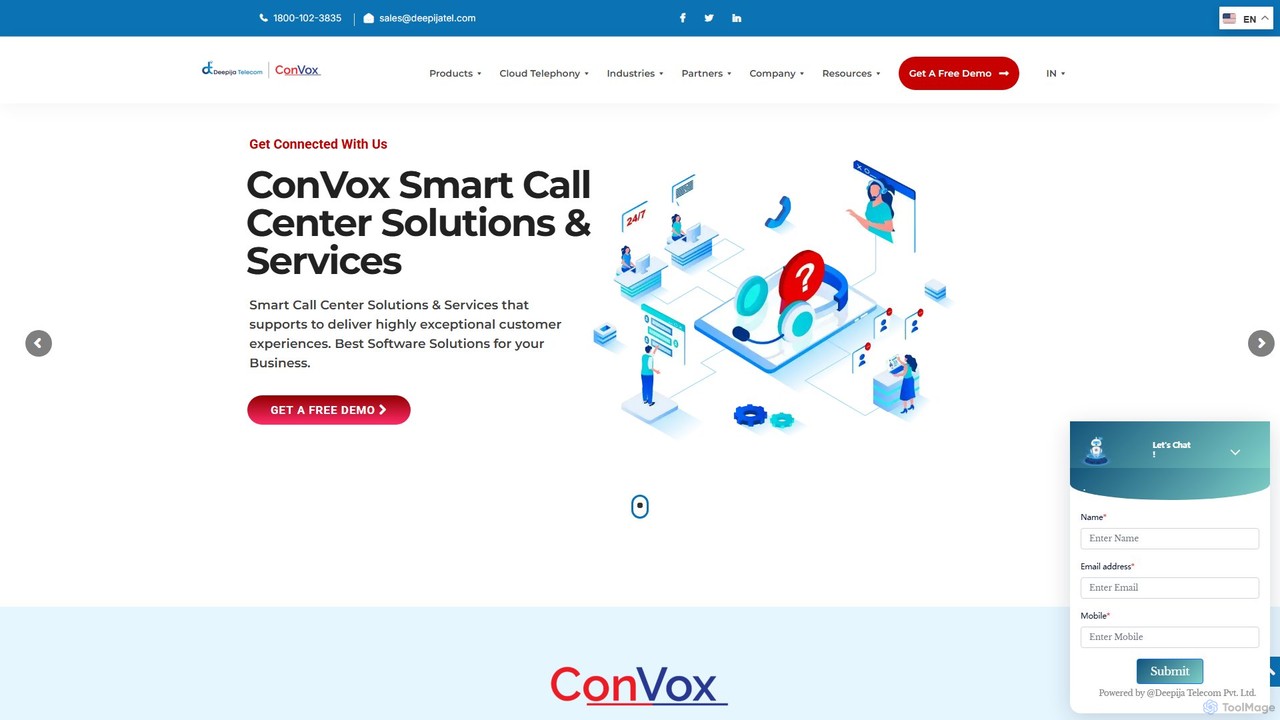
Deepijatel offers the ConVox suite, an AI-powered, omnichannel contact center solution designed to streamline customer communication. It integrates voice, chat, email, and social media into a single platform, featuring a predictive dialer, IVR, voice bots, CRM, and ticketing system to boost agent productivity and enhance customer experience.

Telephony
Visits 12.6KFavorites 150Likes 171
Samespace
Paid

Samespace

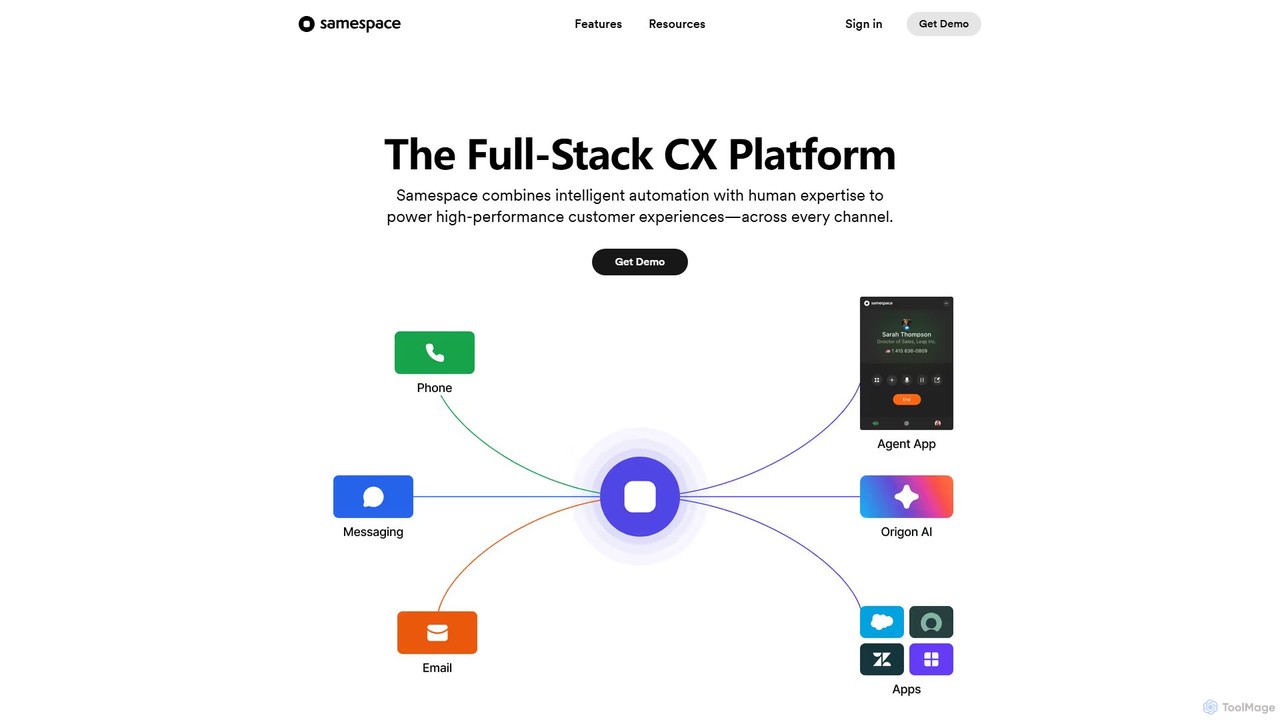
Samespace is a full-stack AI-powered Customer Experience (CX) platform that unifies intelligent automation with human expertise. It provides an all-in-one solution for contact centers, featuring AI agents, a no-code workflow builder, and advanced analytics to optimize customer interactions across every channel.

Contact Center
Visits 10.7KFavorites 107Likes 103

About Contact Center

Contact Center tools are comprehensive platforms designed to manage customer interactions across multiple channels from a centralized hub. They integrate voice, email, live chat, social media, and other digital channels into a unified agent workspace, providing a true omnichannel experience. This enables businesses to deliver consistent service, maintain a complete customer interaction history, and optimize agent performance. Modern solutions leverage AI for intelligent routing, chatbot automation, and sentiment analysis to enhance both customer satisfaction and operational efficiency.

Core Features

  • Omnichannel Routing: Intelligently directs customer inquiries from any channel to the most appropriate and available agent.
  • Unified Agent Desktop: Provides a single interface for agents to handle all communications and view a complete customer history.
  • AI-Powered Automation: Deploys interactive voice response (IVR) and chatbots to resolve common issues and gather initial information.
  • Performance Analytics: Offers dashboards and reports on key metrics like wait times, resolution rates, and agent productivity.
  • Workforce Management (WFM): Includes tools for agent scheduling, forecasting contact volumes, and monitoring quality assurance.

Use Cases

These platforms are essential for customer service, sales, and technical support departments in mid-to-large enterprises. Industries such as retail, finance, healthcare, and telecommunications rely on contact center tools to manage high volumes of customer interactions and maintain high standards of service quality and compliance.

How to Choose

When selecting a Contact Center tool, evaluate the channels it supports, its integration capabilities with your CRM and other business systems, and its scalability to handle future growth. Also consider the depth of its analytics, the sophistication of its AI and automation features, and its overall ease of use for both agents and administrators.

Featured tool rankings

Contact Center use cases

1

Managing Omnichannel E-commerce Support

An e-commerce support team uses a contact center platform to handle post-purchase inquiries. A customer's question about order status via Facebook Messenger, a follow-up email, and a subsequent phone call are all linked to a single profile. This gives the agent full context to resolve the issue on the first contact, preventing the customer from having to repeat information and improving overall satisfaction.

2

Streamlining Financial Client Support

A bank uses its contact center to guide new clients through account setup. An AI-powered IVR handles initial identity verification securely. The call is then routed to a specialized agent who can answer complex questions, view the client's application in the integrated CRM, and complete the onboarding process in a single, efficient interaction, ensuring both compliance and a positive customer experience.

3

Automating Tier-1 Technical Support

A software company implements a contact center with an integrated AI chatbot on its support portal. The chatbot instantly resolves common 'how-to' questions and password resets 24/7. For complex technical issues, the bot collects diagnostic information and creates a ticket, which is then intelligently routed to a Tier-2 engineer with the right expertise, significantly reducing average resolution time and freeing up human agents.

4

Centralizing Patient Appointment Management

A hospital network uses a contact center solution to manage patient calls. The system routes calls based on the clinic location or specialty selected by the patient via IVR. Agents can access the integrated Electronic Health Record (EHR) system to schedule appointments, answer billing questions, and provide pre-visit instructions, ensuring a secure, compliant, and seamless patient experience from a single point of contact.

5

Executing Proactive Outbound Sales Campaigns

A sales team utilizes the contact center's predictive dialer for an outbound campaign. The system automatically dials numbers from a list and connects agents only to live answers, maximizing their talk time. After the call, the agent logs the outcome, and the CRM is automatically updated. Managers can monitor call recordings for quality assurance and track campaign success through real-time dashboards.

6

Managing High-Volume Crisis Communications

During a product recall, a company uses its contact center to handle a surge in public inquiries. A pre-recorded IVR message provides key information and directs callers to a dedicated website. Agents are equipped with updated scripts and FAQs on their unified desktop to ensure consistent and accurate messaging across phone, email, and social media, helping to manage the brand's reputation effectively during a critical time.

Contact Center FAQ

What is a Contact Center tool?

A Contact Center tool is a software platform that centralizes and manages customer communications from various channels like phone, email, chat, and social media. Unlike a traditional call center that only handles voice, it provides a unified system for omnichannel support, agent management, and performance analytics, creating a single, coherent customer experience.

What's the difference between a Contact Center and a Help Desk?

A Contact Center focuses on managing real-time and asynchronous interactions across multiple channels (voice, chat, email, social). A Help Desk is typically more focused on ticketing and issue tracking, primarily through email or a web portal. Contact Centers are built for high-volume, immediate communication and an omnichannel customer journey, while Help Desks excel at managing the lifecycle of a support request or IT ticket.

How do I choose the right Contact Center software?

To choose the right software, evaluate these key factors:

  • Channels Supported: Ensure it covers all the ways your customers contact you (voice, email, chat, social, etc.).
  • CRM Integration: Check for seamless, deep integration with your existing customer database.
  • Scalability: Confirm it can grow with your team and contact volume without performance issues.
  • Reporting & Analytics: Assess the depth of insights it provides on agent performance and customer satisfaction.
  • Automation & AI: Look for features like intelligent routing, IVR, and chatbots to improve efficiency.
What are the key features of a modern Contact Center?

Modern contact centers go beyond basic call handling. Key features include omnichannel routing to direct inquiries to the right agent, a unified agent desktop for a 360-degree customer view, AI-powered automation (like chatbots and IVR) for self-service, advanced analytics for performance tracking, and integrated workforce management (WFM) tools for scheduling and quality assurance.

Who benefits most from using Contact Center software?

Businesses with a high volume of customer interactions across multiple channels benefit the most. This includes industries like e-commerce, finance, telecommunications, and healthcare. Key roles that benefit are customer service managers who need to monitor performance, support agents who require efficient tools to handle inquiries, and business leaders focused on improving customer satisfaction and operational efficiency.