Customer Support Best in category 4 results Quality Assurance AI Tool

Popular AI tools in the Quality Assurance field of Customer Support include Solidroad、Intryc、Pitch Patterns、Voiceops, etc., helping you quickly improve efficiency.

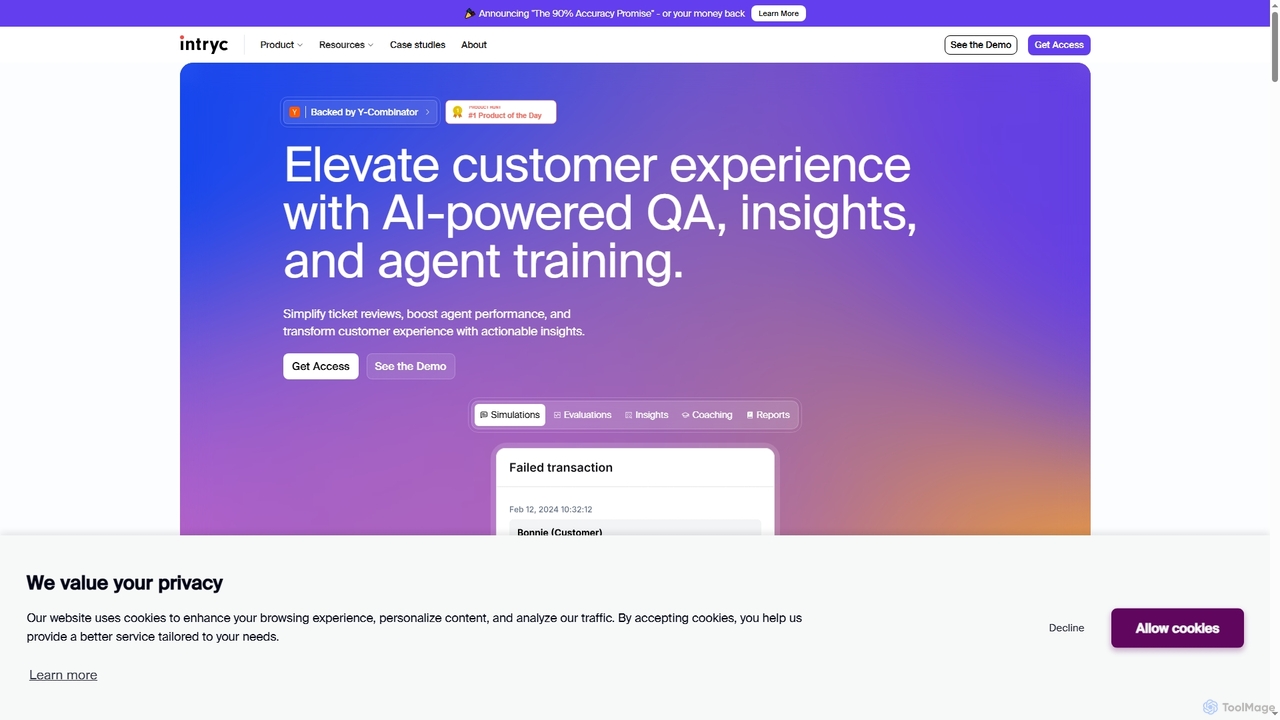
Intryc

Intryc

Intryc is an all-in-one AI platform designed to elevate customer experience by automating quality assurance, providing deep insights, …

5.4K
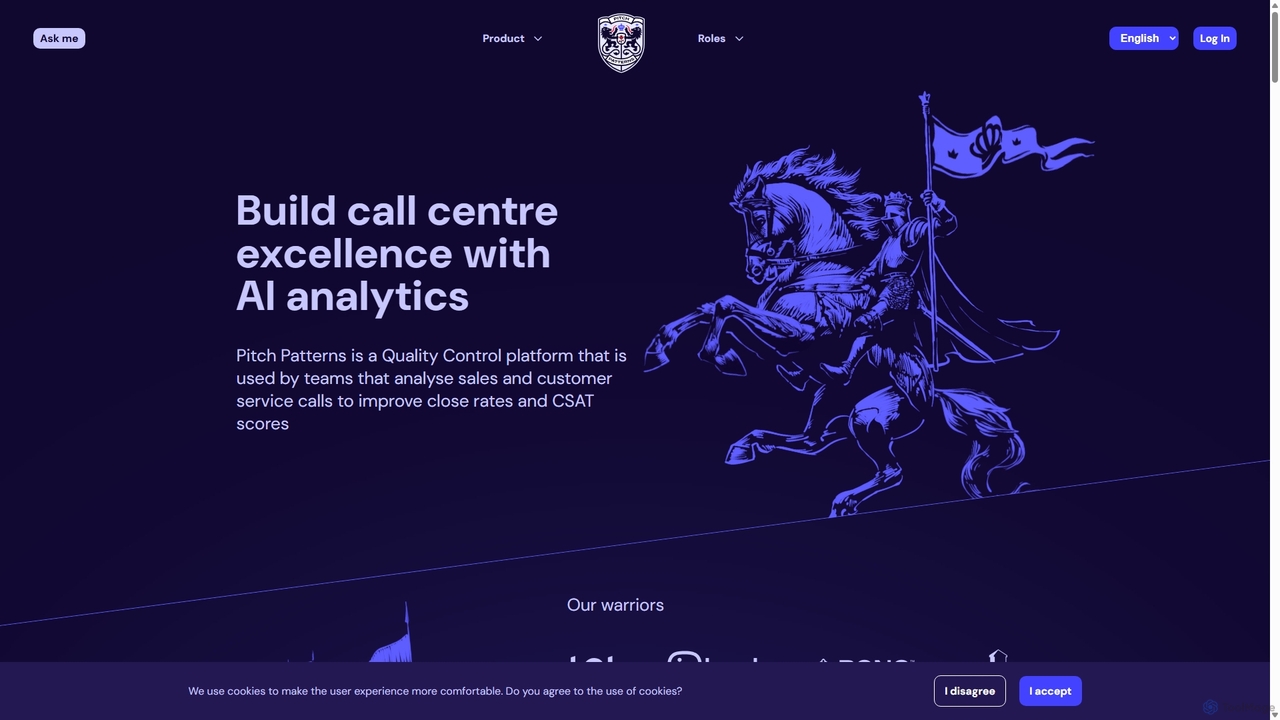
Pitch Patterns

Pitch Patterns

Pitch Patterns is an AI-powered Quality Control platform designed for call centers. It analyzes sales and customer service …

3.2K
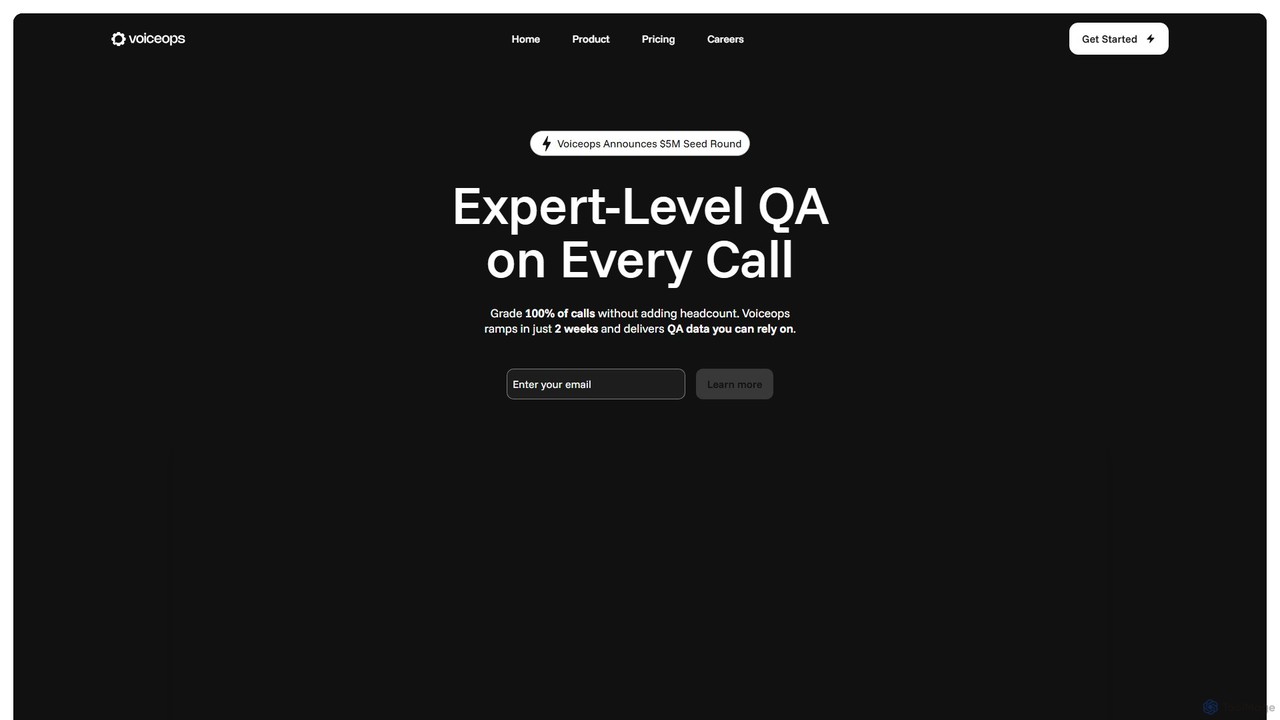
Voiceops

Voiceops

Voiceops is an AI-powered conversation intelligence platform designed for B2C companies. It analyzes 100% of customer calls to …

3.1K
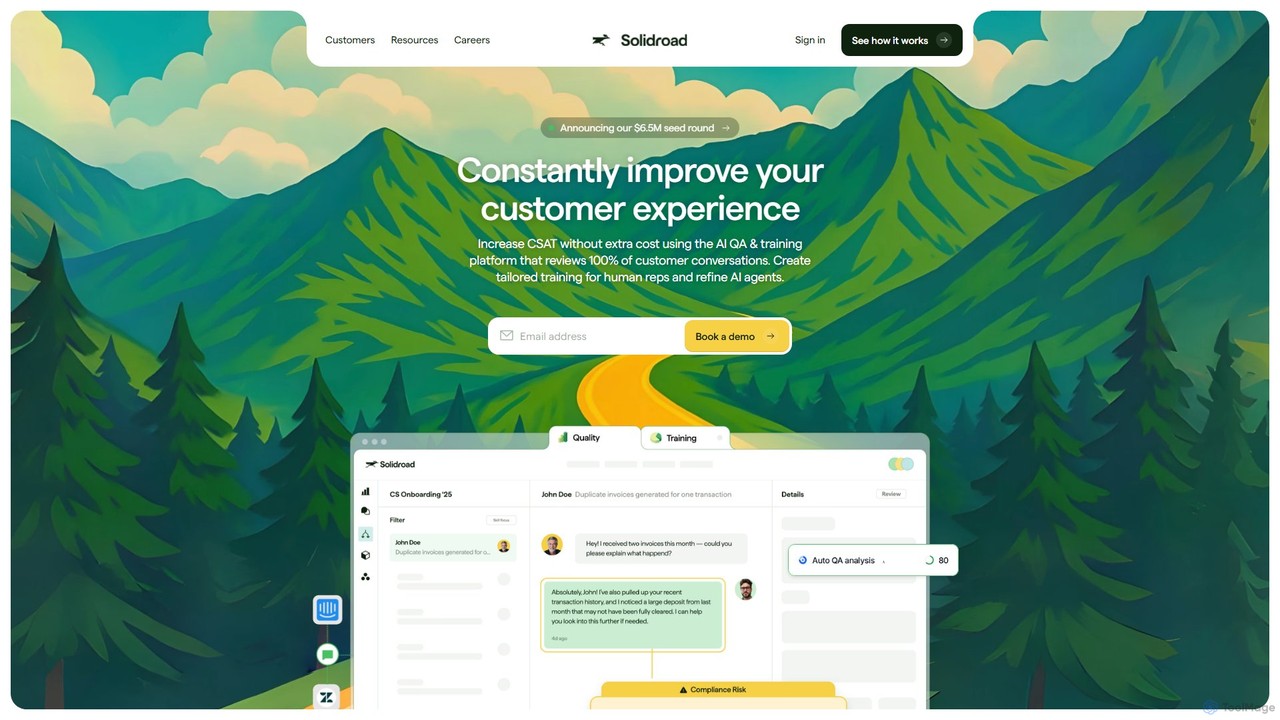
Solidroad

Solidroad

Solidroad is an AI-powered Quality Assurance (QA) and training platform for customer experience (CX) teams. It automatically reviews …

155.0K

About Quality Assurance

AI Quality Assurance tools are a specialized category of software designed to automatically analyze and evaluate customer support interactions. Leveraging technologies like Natural Language Processing (NLP) and sentiment analysis, these tools systematically score conversations across channels like chat, email, and phone calls. Their primary value lies in providing objective, scalable, and consistent monitoring of service quality, agent performance, and compliance adherence. This data-driven approach helps businesses identify coaching opportunities and improve the overall customer experience.

Core Features

  • Automated Interaction Scoring: Automatically grades 100% of customer conversations based on customizable scorecards and key performance indicators.
  • Sentiment and Emotion Analysis: Detects and tracks customer and agent sentiment throughout an interaction to pinpoint moments of frustration or satisfaction.
  • Compliance Monitoring: Scans conversations to flag non-compliant language, missed disclosures, or violations of internal policies.
  • Topic & Trend Identification: Aggregates data from all interactions to identify emerging customer issues, common complaints, and product feedback.
  • Data-Driven Agent Coaching: Generates targeted feedback and performance reports for agents, highlighting specific areas for improvement.

Use Cases

These tools are primarily used in contact centers and customer support departments across industries like finance, e-commerce, SaaS, and telecommunications. Key users include Quality Assurance specialists, team leaders, support managers, and compliance officers who need to monitor and enhance service delivery at scale.

How to Choose

When selecting an AI Quality Assurance tool, consider its integration capabilities with your existing helpdesk or CRM. Evaluate the flexibility of its scoring system and the ability to customize scorecards. Assess its language support and accuracy for your specific markets. Finally, examine the depth of its analytics and reporting features to ensure they align with your coaching and performance management goals.

Quality AssuranceUse Cases

1

Automate Call Center Quality Audits

A Quality Assurance manager in a large contact center uses an AI tool to move beyond manually sampling 2-3% of calls. The system automatically analyzes and scores 100% of agent interactions against a complex scorecard covering empathy, problem resolution, and compliance. This provides a complete and unbiased view of team performance, instantly highlighting top performers and identifying agents who need targeted coaching on specific skills, ultimately improving First Contact Resolution (FCR) rates by 15%.

2

Ensure Regulatory Compliance in Financial Services

A compliance officer at a financial institution deploys an AI QA tool to monitor all customer communications for adherence to strict industry regulations. The tool automatically flags any conversation where agents fail to provide mandatory disclosures or use prohibited language. This proactive monitoring reduces the risk of costly fines and legal issues, providing a verifiable audit trail and ensuring consistent compliance across the entire support team without manual oversight.

3

Improve New Agent Onboarding and Ramp-Up Time

A support team lead uses an AI QA platform to accelerate the training of new hires. Instead of relying solely on peer shadowing and random call reviews, the AI analyzes all of a new agent's early interactions. It identifies recurring mistakes, such as incorrect product information or procedural errors, and provides specific, data-backed feedback. This allows for personalized coaching plans, reducing the average agent ramp-up time from 6 weeks to 4 weeks.

4

Identify Root Causes of Customer Dissatisfaction

A product manager for a SaaS company uses the topic and sentiment analysis features of an AI QA tool. By filtering for all conversations with a high negative sentiment score, they can quickly identify common themes and pain points. The tool reveals that 25% of negative interactions are related to a confusing user interface in a new feature. This direct, unfiltered customer feedback allows the product team to prioritize a UI redesign, directly addressing a major source of customer frustration.

5

Standardize Service Quality Across Global Teams

A multinational e-commerce company with support teams in three different continents uses an AI QA tool to enforce a unified quality standard. The platform applies the same objective scorecard to all interactions, regardless of the agent's location or language. Dashboards provide a centralized view of quality metrics, allowing global support leadership to compare performance across regions, share best practices from high-performing teams, and ensure a consistent brand experience for all customers worldwide.

6

Proactively Identify Customer Churn Risks

A subscription-based service manager sets up alerts in their AI QA tool to flag conversations with extremely high negative sentiment or mentions of keywords like "cancel," "refund," or "disappointed." When a conversation is flagged, it is immediately routed to a senior retention specialist. This proactive intervention allows the team to address critical issues in near real-time, turning a negative experience into a positive one and significantly reducing the monthly customer churn rate.

Quality AssuranceFrequently Asked Questions