getmaxify
getmaxify is an all-in-one AI-powered platform for CRM, marketing, and sales. It combines over 25 tools to help …
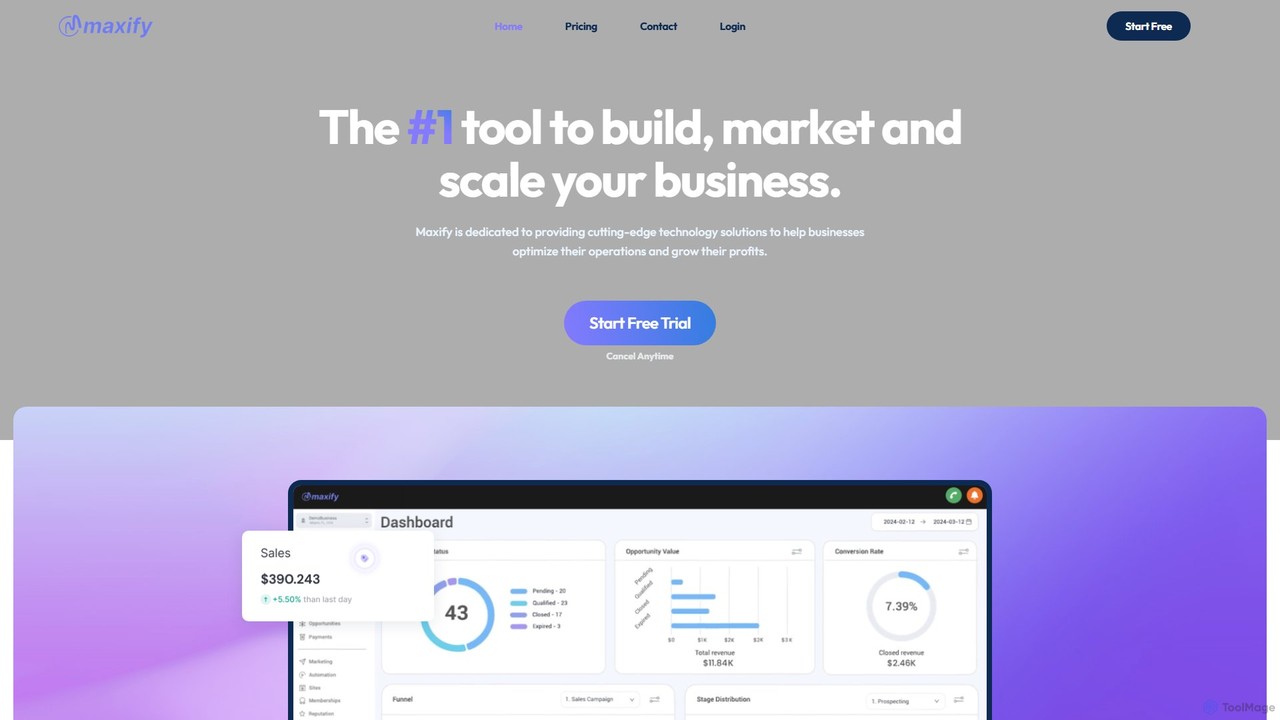
getmaxify is an all-in-one AI-powered platform for CRM, marketing, and sales. It combines over 25 tools to help businesses streamline communication, automate workflows, and scale operations. With its 'Genius Automation', users can automate repetitive tasks, manage customer relationships, and generate content, all from a single, intuitive dashboard.
About Unified Inbox
A Unified Inbox is a centralized platform that consolidates customer conversations from multiple channels like email, social media, live chat, and SMS into a single, manageable interface. These tools leverage AI to automatically tag, prioritize, and route inquiries, ensuring no message is overlooked. By providing a complete, chronological view of every customer interaction, a Unified Inbox empowers support and sales teams to deliver faster, more consistent, and context-aware service. This approach significantly improves team efficiency and enhances the overall customer experience.
Core Features
- Multi-Channel Aggregation: Consolidates messages from email, social media DMs, live chat, SMS, and more into one view.
- AI-Powered Automation: Uses AI for intelligent ticket routing, sentiment analysis, automated tagging, and generating reply suggestions.
- Collaborative Workspace: Enables team members to assign conversations, leave internal notes, and avoid duplicate responses with collision detection.
- Unified Customer Profiles: Creates a single view of a customer's entire communication history across all integrated channels.
- Performance Analytics: Provides dashboards and reports to track team performance, response times, and customer satisfaction.
Use Cases
Unified Inboxes are essential for customer-facing teams in sectors like e-commerce, SaaS, and hospitality. Customer support agents use them to manage inquiries without constantly switching between platforms. Social media managers track brand mentions and direct messages, while sales teams can manage leads from various sources to ensure timely follow-ups.
How to Choose
When selecting a Unified Inbox, first evaluate its channel integration capabilities to ensure it supports all your communication touchpoints. Assess the sophistication of its AI and automation features for routing and response assistance. Consider its collaboration tools, such as conversation assignment and internal notes, for team workflows. Finally, check its integration potential with your existing CRM or helpdesk systems for a seamless data flow.

Unified InboxUse Cases
Streamlining E-commerce Customer Support
An e-commerce support team uses a unified inbox to manage customer inquiries from various channels. When a customer asks about their order status via an Instagram DM, the agent sees the message alongside previous email inquiries and live chat sessions from the same person. The AI automatically tags the conversation as 'Order Status'. The agent can quickly access the order history from the integrated Shopify panel within the inbox, provide an accurate update, and resolve the issue in minutes without switching applications, significantly reducing response time.
Coordinating Sales Leads from Multiple Sources
A SaaS company's sales team manages leads coming from their website's contact form, LinkedIn messages, and direct emails. Using a unified inbox, all new leads are automatically funneled into one view and assigned to sales representatives based on territory rules. A representative can see a lead's entire interaction history, leave internal notes for colleagues, and use AI-suggested templates to respond quickly. This prevents leads from being missed and ensures a consistent and professional follow-up process, improving conversion rates.
Managing Social Media Community Engagement
A social media manager for a consumer brand is responsible for monitoring comments, mentions, and DMs across Facebook, Twitter, and Instagram. The unified inbox aggregates all these interactions, allowing the manager to respond to customer feedback, answer questions, and engage with user-generated content from one dashboard. The tool's sentiment analysis feature helps prioritize negative comments for immediate attention, enabling proactive reputation management and fostering a positive online community.
Centralizing Property Management Communications
A property management company handles inquiries from tenants and prospective renters via email, SMS, and a portal on their website. A unified inbox brings all these communications together. When a tenant reports a maintenance issue via SMS, a ticket is automatically created and assigned to the maintenance team. The property manager can track the status of the request, communicate with the tenant, and view the entire conversation history in one place, ensuring timely service and maintaining clear records for all properties.
Collaborative Support for High-Value B2B Clients
An account management team for a B2B software company uses a shared unified inbox to support enterprise clients. When a client emails a complex technical question, the primary account manager can see it, add an internal note tagging a technical support specialist, and assign the conversation to them. The specialist can then respond with the correct information while the account manager remains aware of the conversation's progress. This collaborative workflow ensures that high-value clients receive accurate and expert responses quickly, improving client satisfaction and retention.
Managing Public Relations During a Crisis
During a service outage, a company's PR team uses a unified inbox to monitor and respond to a surge of inquiries across social media, news outlet emails, and support tickets. The AI automatically tags all outage-related messages for easy tracking. The team can use pre-approved templates for consistent messaging and assign specific high-profile inquiries to senior members. This centralized command center allows the team to manage communications efficiently, provide timely updates, and control the narrative during a critical event.