Customer Support Best in category 1 results Voice Assistants AI Tool

Popular AI tools in the Voice Assistants field of Customer Support include Verbalyze, etc., helping you quickly improve efficiency.

Verbalyze

Verbalyze

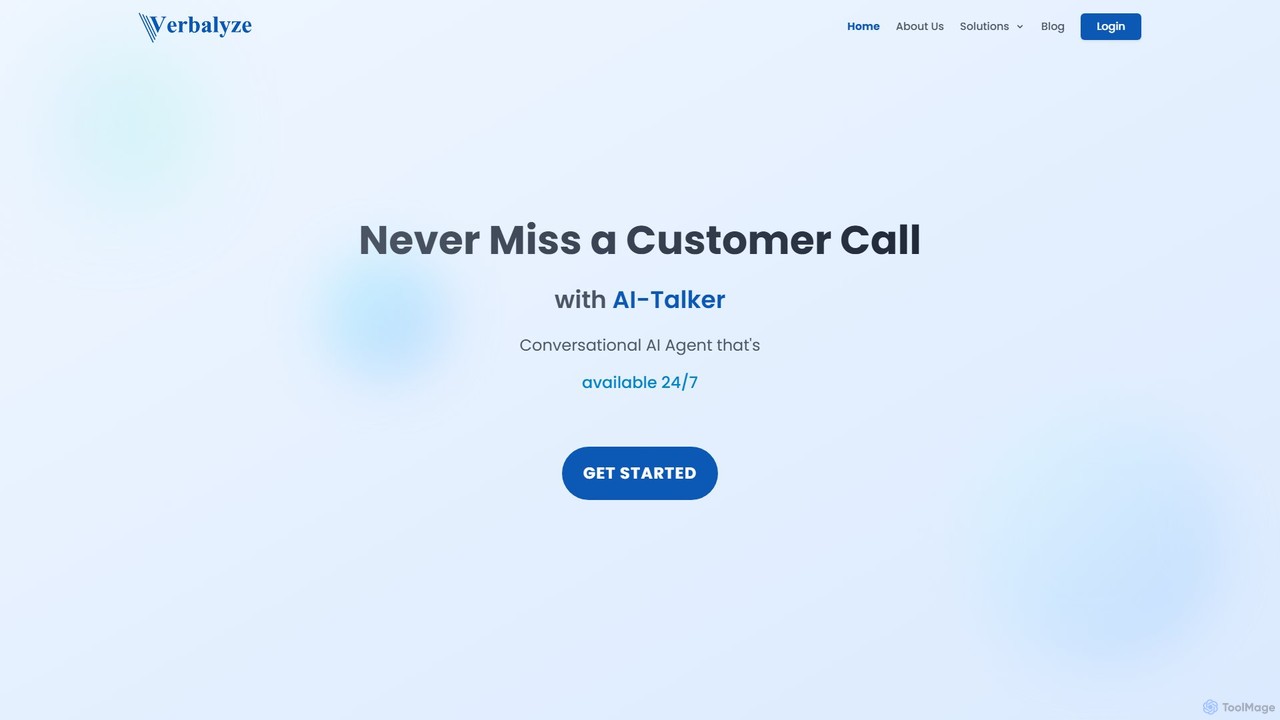
Verbalyze provides an advanced conversational AI agent, AI-Talker, to automate and enhance customer interactions across phone, web, and …

31

About Voice Assistants

Voice Assistants are AI-powered tools designed to understand spoken commands, process natural language, and respond verbally to users, often serving as a key component within broader customer support strategies. Leveraging advanced speech recognition and natural language processing (NLP) technologies, these assistants automate interactions, provide information, and execute tasks through voice. They enhance accessibility and efficiency, offering instant, hands-free assistance across various platforms and devices.

Core Features

  • Speech Recognition & NLP: Accurately converts spoken language into text and interprets user intent.
  • Contextual Understanding: Maintains conversational context to provide relevant and coherent responses.
  • Task Automation: Executes predefined actions like booking appointments or retrieving information.
  • Multilingual Support: Interacts with users in multiple languages, broadening accessibility.
  • Integration Capabilities: Connects with CRM, knowledge bases, and other business systems for comprehensive support.

Applicable Scenarios

Voice Assistants are widely adopted in customer service centers to handle routine inquiries, reducing agent workload and wait times. They are also integrated into mobile applications for hands-free navigation and support, and used in smart devices to provide instant information or control functions. Businesses utilize them to offer 24/7 support, ensuring continuous customer engagement.

How to Choose

When selecting a Voice Assistant, prioritize accuracy in speech recognition and natural language understanding, as this directly impacts user satisfaction. Evaluate its integration capabilities with your existing CRM, knowledge base, and other essential business systems. Consider scalability to handle varying user volumes and the level of customization available for voice, persona, and specific conversational flows to align with your brand.

Voice AssistantsUse Cases

1

Automate Customer Service Hotlines

For businesses with high call volumes, voice assistants can act as the first point of contact on phone lines. They greet callers, understand their initial query through natural speech, and either provide immediate answers to common questions (like store hours or order status) or intelligently route complex issues to the appropriate human agent, significantly reducing wait times and operational costs.

2

Enhance In-App User Experience with Voice

Mobile app developers can integrate voice assistants to offer hands-free navigation and support. Users can speak commands to search for products, fill out forms, or access help documentation without typing. This improves accessibility for users with disabilities and provides a more intuitive, efficient interaction, especially when users are multitasking or on the go.

3

Provide Instant FAQ Answers via Voice

Companies can deploy voice assistants to power their self-service knowledge bases. Customers can simply ask questions about products, services, or policies, and the voice assistant will retrieve and articulate the most relevant answers from the company's FAQ database. This empowers users to find solutions quickly and independently, reducing the need for direct human intervention for routine queries.

4

Deliver Real-time Order Updates

E-commerce businesses can leverage voice assistants to provide instant updates on order status and shipping tracking. Customers can verbally inquire about their recent purchases, and the assistant will access backend systems to provide real-time information, such as "Your order 12345 is out for delivery." This enhances customer satisfaction by offering convenient, immediate access to critical information.

5

Streamline Appointment Management

Healthcare providers, service businesses, and consultants can use voice assistants to automate appointment scheduling, rescheduling, and sending reminders. Users can verbally request to book a time slot, and the assistant will check availability and confirm the appointment. This reduces administrative burden, minimizes no-shows, and offers a flexible booking experience for clients.

6

Offer Multilingual Customer Support

For global businesses, voice assistants equipped with multilingual capabilities can serve a diverse customer base without requiring a large, multilingual human support team. The assistant can detect the user's language and respond accordingly, providing consistent support in various languages. This expands market reach and significantly improves the customer experience for non-native speakers.

Voice AssistantsFrequently Asked Questions