Fitwoody
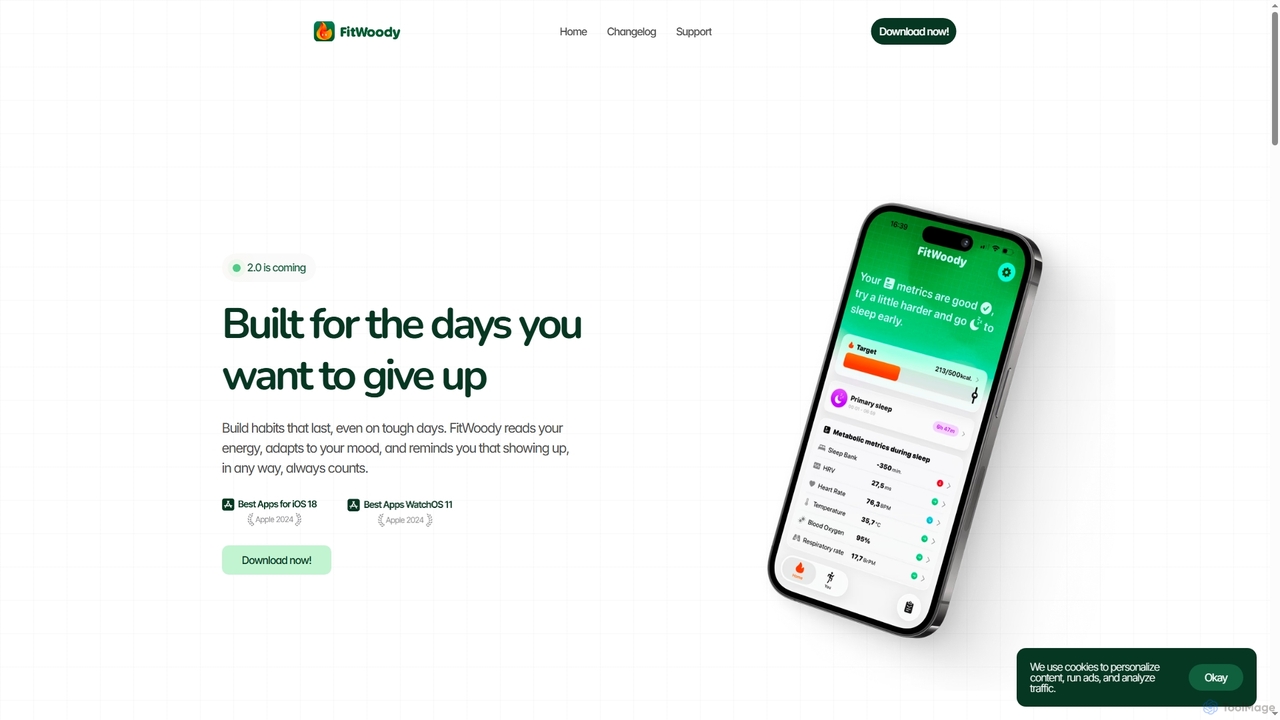
Fitwoody is an intelligent fitness app that builds lasting habits by adapting to your unique energy and mood. …
Fitwoody is an intelligent fitness app that builds lasting habits by adapting to your unique energy and mood. It translates complex health data from wearables into simple, actionable guidance, helping you train smarter, recover better, and achieve your goals without guilt.
About Health Metrics
Health Metrics tools are a specialized category of AI data analysis software designed to interpret biological and lifestyle data. They leverage machine learning algorithms to analyze inputs from wearables, medical devices, and health apps, identifying patterns, predicting health risks, and providing personalized insights. The primary value of these tools is their ability to translate complex physiological data into actionable recommendations for improving personal well-being, managing chronic conditions, or optimizing physical performance. They bridge the gap between raw data collection and meaningful health understanding.
Core Features
- Biometric Data Integration: Seamlessly syncs data from sources like smartwatches, fitness trackers, and continuous glucose monitors (CGMs).
- Pattern Recognition & Anomaly Detection: Identifies trends, cycles, and significant deviations from an individual's baseline health data.
- Predictive Risk Assessment: Uses historical data to forecast potential health issues, such as burnout risk, metabolic changes, or sleep disorders.
- Personalized Recommendations: Generates tailored advice on exercise, nutrition, sleep, and stress management based on unique user data.
- Data Visualization: Presents complex health information through intuitive dashboards, charts, and reports for easy comprehension.
Use Cases
These tools are widely used by individuals for personal health optimization, athletes for performance tuning, and clinicians for remote patient monitoring. In corporate wellness programs, they help track team health trends anonymously. Researchers also utilize them to analyze large-scale biometric datasets for public health studies.
How to Choose
When selecting a Health Metrics tool, consider its compatibility with your existing devices. Evaluate the depth and specificity of the analytics provided—whether it's for general wellness, athletic performance, or chronic disease management. Prioritize tools with strong data privacy policies and security compliance (like HIPAA). Finally, assess the user interface for clarity and the actionability of the insights it delivers.
Health MetricsUse Cases
Optimizing Athletic Training and Recovery
A professional cyclist uses a health metrics platform to analyze data from their smartwatch and heart rate monitor. The AI analyzes heart rate variability (HRV), sleep stages (deep, REM), and daily strain scores. Based on a low HRV score and poor sleep quality after an intense training session, the tool recommends a light recovery day instead of a scheduled high-intensity workout. This data-driven adjustment helps prevent overtraining, reduces injury risk, and ensures the athlete's performance peaks for competitions.
Managing Chronic Conditions with Predictive Alerts
A person with Type 2 diabetes uses an AI health tool connected to their continuous glucose monitor (CGM). The tool's algorithm learns their individual glucose patterns in response to meals, exercise, and medication. It can then predict potential hyperglycemic or hypoglycemic events 30-60 minutes in advance. The user receives an alert on their phone, allowing them to take proactive measures, such as adjusting their insulin dose or consuming a small snack, thereby improving their time-in-range and reducing long-term complication risks.
Monitoring Workplace Stress and Burnout
A corporate wellness manager implements an AI health metrics platform for employees who opt-in. The platform analyzes anonymized and aggregated data on sleep duration, resting heart rate, and activity levels. The AI identifies a trend of decreasing sleep quality and increasing resting heart rates across a specific department. This insight prompts management to investigate workload and stress factors, leading to the implementation of mental health workshops and flexible work hours, proactively addressing potential burnout before it impacts productivity and employee retention.
Remote Monitoring for Elderly Care
A family caregiver uses an AI-powered health monitoring system for an elderly parent living alone. The system uses ambient sensors and a wearable device to track activity levels, sleep patterns, and heart rate. The AI establishes a baseline of normal daily routines. If it detects a significant deviation, such as prolonged inactivity during the day or an unusually high resting heart rate at night, it sends an alert to the caregiver's phone. This allows for a quick check-in and potential early intervention, providing peace of mind and enhancing the safety of the elderly individual.
Personalizing Nutrition and Diet Plans
A nutritionist uses an AI health metrics tool with their clients. The client logs their meals and wears a device that tracks energy expenditure and sleep. The AI analyzes how different foods impact the client's energy levels, sleep quality, and recovery scores. For example, it might identify that a high-carb dinner correlates with poor deep sleep for a specific client. Based on this personalized data, the nutritionist can create a highly effective and tailored diet plan, moving beyond generic advice to recommendations grounded in the client's unique physiology.
Analyzing Data in Public Health Research
A team of university researchers uses an AI health metrics tool to analyze a large, anonymized dataset from thousands of wearable device users. Their goal is to study the relationship between physical activity patterns and sleep quality across different demographics. The AI platform can process the vast amount of data efficiently, identifying subtle correlations that would be difficult to spot manually. The findings, such as identifying the optimal time of day for exercise to improve sleep in older adults, can contribute valuable insights to public health guidelines.