Data Collection Best in category 2 results Web Scraping AI Tool

Popular AI tools in the Web Scraping field of Data Collection include Browser Cash、922proxy, etc., helping you quickly improve efficiency.

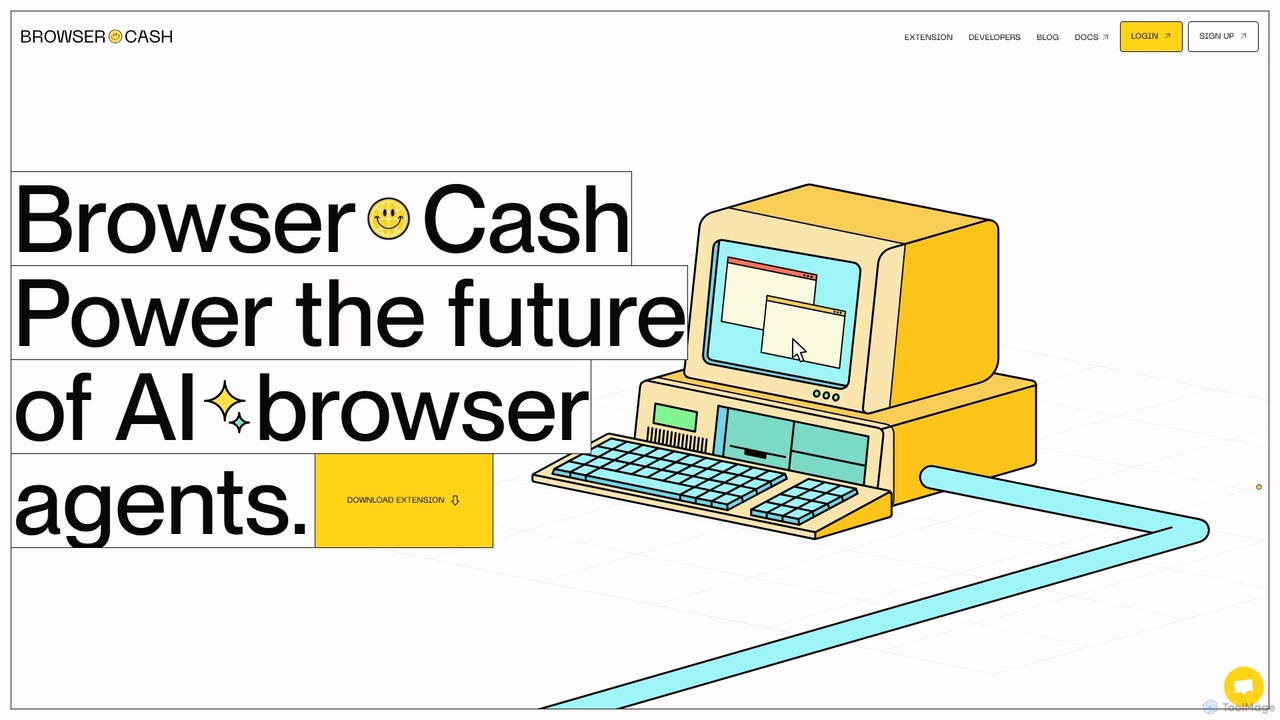
Browser Cash

Browser Cash

Browser Cash is a decentralized AI browser network that allows users to earn rewards by contributing their browser's …

11.6K
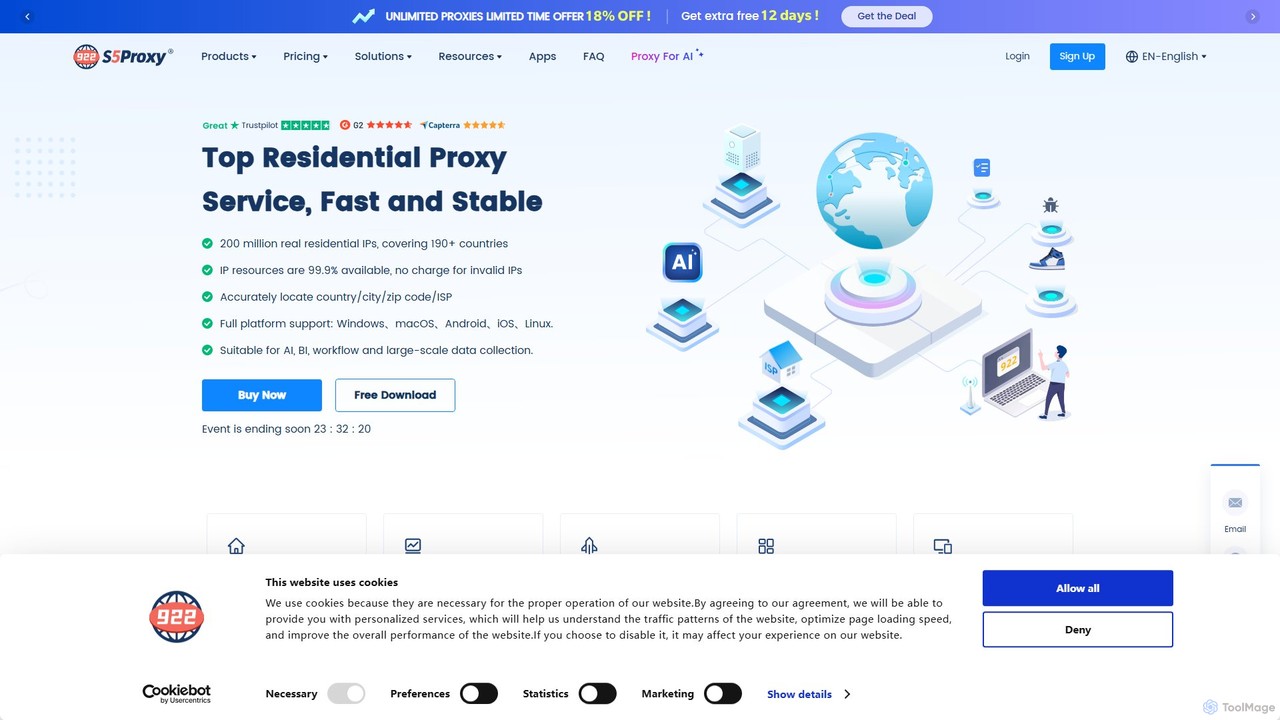
922proxy

922proxy

922proxy is a leading residential proxy service provider, offering over 200 million real residential IPs across 190+ countries. …

5.0K

About Web Scraping

Web Scraping tools are AI-powered solutions designed to automatically extract structured and unstructured data from websites. These tools leverage advanced algorithms to navigate web pages, identify relevant information, and collect it efficiently. They are invaluable for businesses and researchers needing to gather large volumes of public data for analysis, market intelligence, and content aggregation. Their primary value lies in automating the tedious and time-consuming process of manual data collection, transforming raw web content into usable datasets.

Core Features

  • Automated Data Extraction: Automatically collects text, images, links, and other elements from specified web pages.
  • Dynamic Content Handling: Capable of interacting with JavaScript-rendered content, forms, and infinite scrolling pages.
  • Anti-Blocking Mechanisms: Employs techniques like IP rotation, CAPTCHA solving, and user-agent spoofing to bypass anti-scraping measures.
  • Structured Output: Exports extracted data into various formats such as CSV, JSON, Excel, or directly into databases.
  • Scheduler & Monitoring: Allows users to schedule scraping tasks and monitor their progress and data quality.

Applicable Scenarios

Web Scraping tools are widely used across various sectors. E-commerce businesses utilize them for competitor price monitoring and product trend analysis. Marketing professionals employ them for lead generation and social media sentiment analysis. Researchers and data scientists use them to gather public datasets for academic studies or machine learning model training. These tools streamline the process of acquiring external data that is publicly available but not offered via official APIs.

How to Choose

When selecting a Web Scraping tool, consider its ease of use (GUI vs. code-based), scalability for large-scale projects, and anti-blocking capabilities to handle complex websites. Evaluate the output formats it supports and its integration options with other data analysis platforms. Finally, assess the pricing model based on your data volume needs and the customer support available for troubleshooting.

Web ScrapingUse Cases

1

Competitor Price Monitoring

E-commerce businesses use web scraping tools to regularly extract product prices, discounts, and stock levels from competitors' websites. This enables them to adjust their own pricing strategies dynamically, maintain competitiveness, and identify market trends. The automation saves countless hours compared to manual checks, providing real-time market insights.

2

Market Research & Trend Analysis

Marketing analysts deploy these tools to gather data on consumer sentiment, product reviews, and emerging trends from forums, social media, and news sites. By analyzing this aggregated data, businesses can identify new opportunities, understand customer needs, and refine their product development and marketing campaigns.

3

Lead Generation for Sales Teams

Sales and marketing teams leverage web scraping to collect contact information (emails, phone numbers, company details) from industry directories, professional networking sites, and public company profiles. This automates the process of building targeted prospect lists, significantly accelerating outbound sales efforts and expanding their reach.

4

Real Estate Market Analysis

Real estate professionals and investors use web scraping to collect property listings, rental prices, historical sales data, and neighborhood demographics from various real estate portals. This comprehensive data helps them identify investment opportunities, assess property values, and understand market supply and demand dynamics more accurately.

5

Content Aggregation for News Portals

News organizations and content platforms utilize web scraping to automatically gather articles, headlines, and multimedia content from diverse news sources and blogs. This allows them to curate and present a broad range of information to their audience, keeping their platforms updated with fresh and relevant content without manual input.

6

Academic Research Data Collection

Researchers in various fields, from social sciences to economics, use web scraping to collect large datasets from public government portals, academic journals, and specialized databases. This provides them with the necessary empirical evidence for studies, statistical analysis, and the validation of hypotheses, supporting robust academic inquiry.

Web ScrapingFrequently Asked Questions