Midex
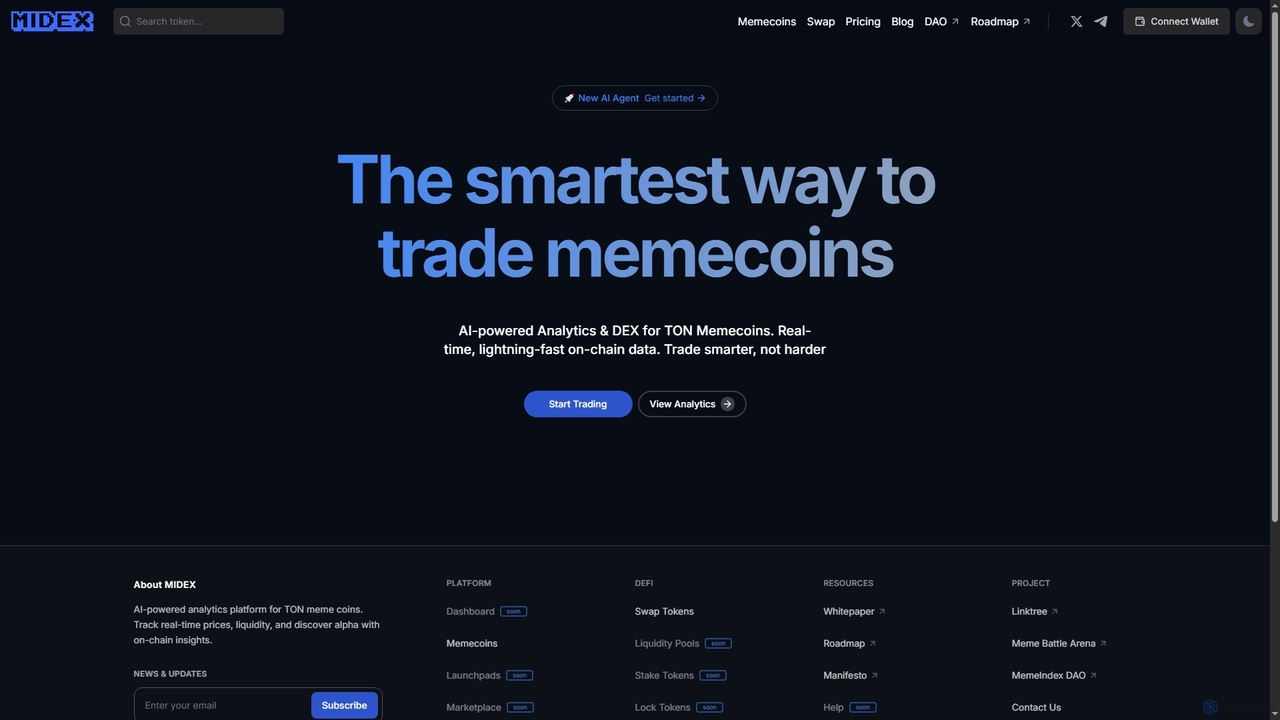
Midex is an AI-powered memecoin trading terminal and analytics platform designed for the TON blockchain. It provides real-time, …
Midex is an AI-powered memecoin trading terminal and analytics platform designed for the TON blockchain. It provides real-time, lightning-fast on-chain data and advanced AI agents to help traders make smarter decisions, optimize strategies, and manage their portfolios in the volatile memecoin market.
Baltex
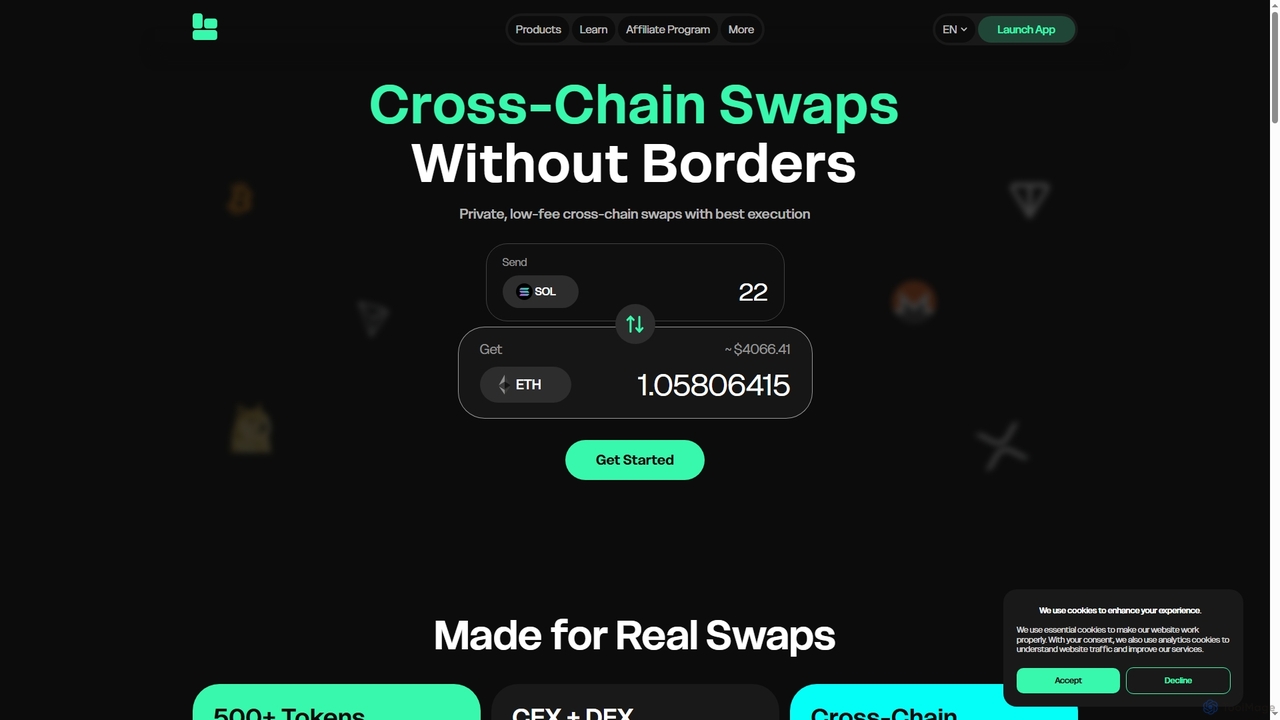
Baltex is a leading cross-chain terminal for instant, secure, and private cryptocurrency swaps. It integrates CEX and DEX …
Baltex is a leading cross-chain terminal for instant, secure, and private cryptocurrency swaps. It integrates CEX and DEX routes, supporting over 500 tokens across 20+ networks, including fiat-to-crypto conversions without KYC for decentralized trades.
About Dex
Dex (Decentralized Exchange) are peer-to-peer cryptocurrency trading platforms operating directly on a blockchain, forming a core component of Decentralized Finance (DeFi). These innovative platforms enable users to swap digital assets without the need for a central intermediary, maintaining full control over their funds and private keys. By leveraging smart contracts and often Automated Market Makers (AMMs), Dexes facilitate transparent, censorship-resistant, and permissionless trading, offering a robust alternative to traditional centralized exchanges for a wide array of digital assets.
Core Features
- Non-Custodial Trading: Users retain direct control and ownership of their private keys and assets throughout the entire trading process, eliminating counterparty risk associated with centralized custodians.
- Automated Market Makers (AMMs): Many modern Dexes utilize AMMs to facilitate trades via algorithmically managed liquidity pools, rather than relying on traditional order books and buyers/sellers. This ensures continuous liquidity.
- Liquidity Pools: Users contribute cryptocurrency pairs to shared pools, becoming "liquidity providers" and earning a portion of trading fees as a reward. This mechanism underpins the trading functionality of AMM-based Dexes.
- Token Swaps: Seamlessly exchange one cryptocurrency token for another directly from a connected Web3 wallet, often with minimal slippage on highly liquid pairs. This is a primary function for asset rebalancing and accessing new tokens.
- Transparency & Auditability: All transactions and smart contract interactions are recorded on the public blockchain, offering unparalleled transparency and auditability for every trade and liquidity event.
- Censorship Resistance: As decentralized protocols, Dexes are inherently resistant to single points of failure or censorship, allowing users to trade freely without external interference.
Use Cases
Dexes are primarily utilized by cryptocurrency traders, investors, and DeFi participants seeking greater autonomy, privacy, and access to a wider, often more nascent, range of tokens. They are ideal for swapping assets within the broader DeFi ecosystem, participating in yield farming strategies, or trading newly launched tokens before they are listed on centralized exchanges. Their decentralized nature strongly appeals to those prioritizing self-custody, privacy, and censorship resistance in their financial activities, enabling direct interaction with blockchain-based markets.
How to Choose
When selecting a Dex, several critical factors should be considered to ensure a secure and efficient trading experience. Evaluate the supported blockchain networks and the breadth of available token pairs, as this dictates your trading options. Assess the depth of liquidity pools, as higher liquidity generally leads to lower slippage and better execution prices. Pay close attention to the associated transaction fees (gas fees) and the platform's trading fee structure. Furthermore, review the user interface for intuitiveness and ease of use, scrutinize security audits of the underlying smart contracts, and gauge the community support and ongoing development activity around the platform to ensure its long-term reliability and innovation.

DexUse Cases
Trading Newly Launched or Niche Tokens
Crypto enthusiasts and early adopters often use Dexes to access newly launched tokens or niche cryptocurrencies that are not yet available on centralized exchanges. By connecting their Web3 wallet, users can directly swap established cryptocurrencies for these emerging assets, participating in early-stage projects and potentially benefiting from future growth. This provides a direct gateway to the cutting edge of the crypto market without intermediary approval.
Providing Liquidity and Earning Trading Fees
Investors looking to earn passive income can become liquidity providers on a Dex. By depositing a pair of cryptocurrencies into a liquidity pool, they contribute to the platform's trading infrastructure. In return, liquidity providers earn a share of the trading fees generated from all swaps occurring within that pool. This strategy allows users to put their idle assets to work, supporting the decentralized ecosystem while generating yield.
Decentralized Asset Swaps for Portfolio Rebalancing
Users managing a diverse cryptocurrency portfolio can utilize Dexes for quick and efficient asset rebalancing. Instead of transferring funds to a centralized exchange, executing trades, and then withdrawing, they can perform direct, non-custodial swaps between various tokens within their wallet. This streamlines the process, reduces counterparty risk, and maintains full control over assets, making portfolio adjustments seamless and secure.
Participating in Yield Farming and Staking
Dexes are foundational to many yield farming and staking strategies within the broader DeFi ecosystem. Users can provide liquidity to specific pools and then stake their resulting Liquidity Provider (LP) tokens in other protocols to earn additional rewards. This multi-layered approach allows sophisticated DeFi participants to maximize returns on their digital assets, leveraging the composability of decentralized applications.
Arbitrage Opportunities Across Exchanges
Experienced traders often monitor price discrepancies for the same cryptocurrency across different Dexes or between Dexes and centralized exchanges. Dexes enable rapid, permissionless execution of arbitrage trades, allowing users to buy an asset on one platform where it's cheaper and immediately sell it on another where it's more expensive. This requires quick decision-making and understanding of gas fees but can be a profitable strategy.
Maintaining Privacy and Censorship Resistance in Trading
Individuals prioritizing privacy and freedom from censorship in their financial transactions frequently opt for Dexes. Unlike centralized exchanges that typically require extensive Know Your Customer (KYC) verification, Dexes allow users to trade directly from their self-custodied wallets without revealing personal identity. This ensures a higher degree of anonymity and resilience against external regulatory or governmental interference.