Best of the Year 2 results Decentralized Finance AI Tools

Popular AI tools in the Decentralized Finance field include Baltex、Midex, etc., helping you quickly improve efficiency.

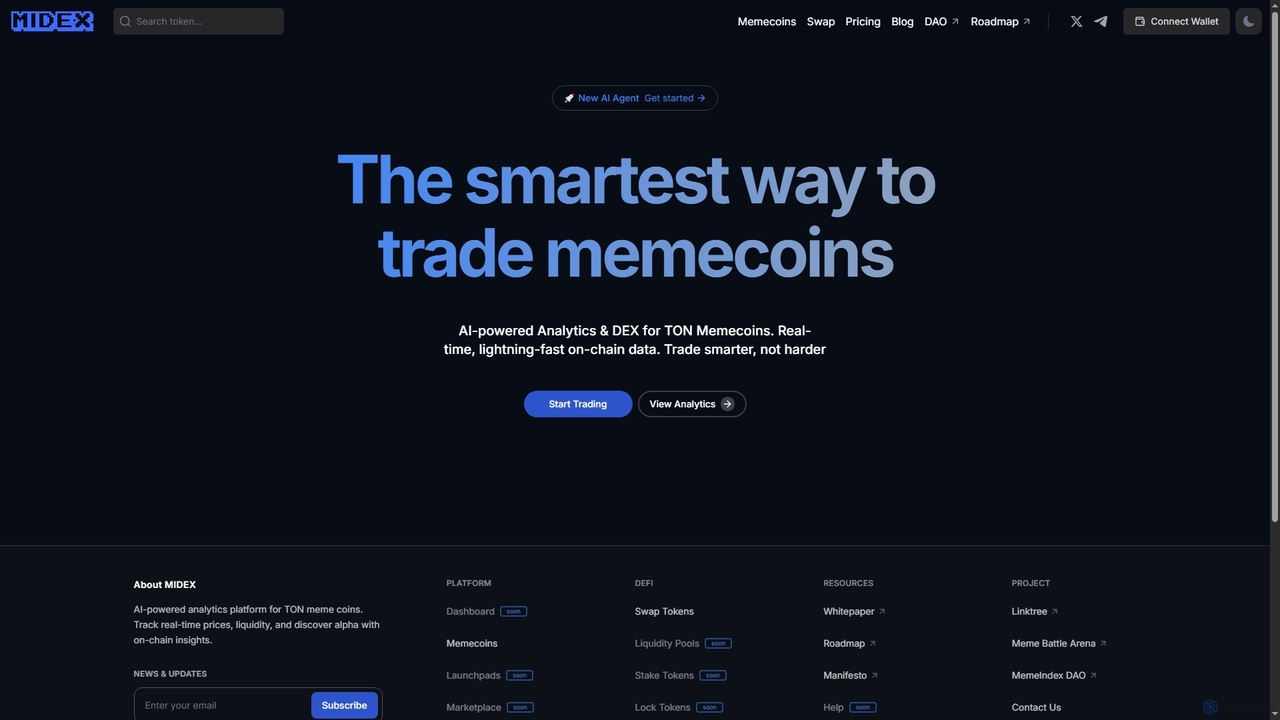
Midex

Midex

Midex is an AI-powered memecoin trading terminal and analytics platform designed for the TON blockchain. It provides real-time, …

2.9K
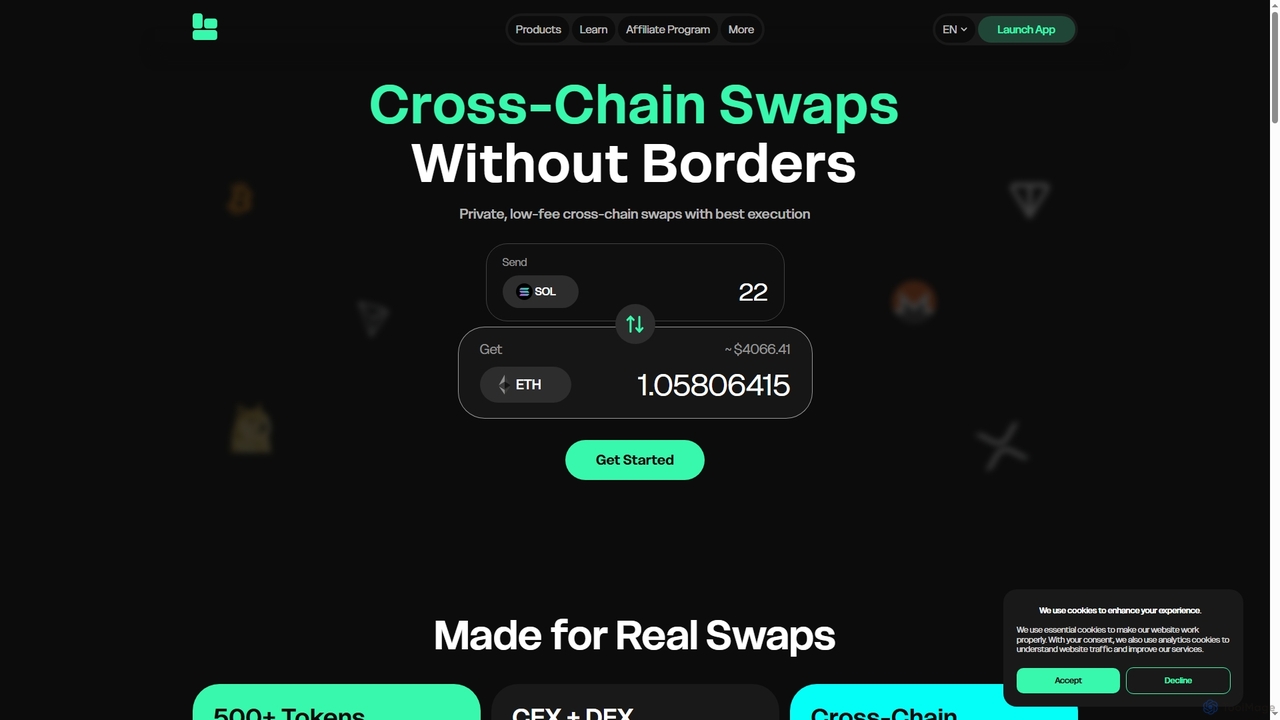
Baltex

Baltex

Baltex is a leading cross-chain terminal for instant, secure, and private cryptocurrency swaps. It integrates CEX and DEX …

19.0K

About Decentralized Finance

Decentralized Finance (DeFi) refers to a blockchain-based form of finance that does not rely on central financial intermediaries such as brokerages, exchanges, or banks. Instead, DeFi utilizes smart contracts on blockchains, primarily Ethereum, to enable peer-to-peer financial services. These innovative tools offer open, transparent, and accessible financial products like lending, borrowing, and trading to anyone with an internet connection, fostering a more inclusive global financial system.

Core Features

  • Decentralized Exchanges (DEXs): Facilitate direct cryptocurrency trading between users without intermediaries.
  • Lending & Borrowing Protocols: Enable users to lend their crypto assets to earn interest or borrow by providing collateral.
  • Yield Farming: Users provide liquidity to DeFi protocols to earn rewards, often in the form of governance tokens.
  • Stablecoins: Cryptocurrencies pegged to stable assets like the US dollar, reducing volatility in DeFi transactions.
  • Decentralized Insurance: Offers protection against smart contract bugs or other risks within the DeFi ecosystem.

Use Cases

DeFi tools are widely adopted by individuals seeking greater financial autonomy and developers building innovative financial applications. They are used for accessing capital without traditional credit checks, earning passive income on crypto holdings, and participating in global markets with reduced barriers to entry.

How to Choose

When selecting DeFi platforms, prioritize security through audited smart contracts and robust community support. Evaluate the platform's liquidity, transaction fees, and user interface for ease of use. Consider the specific financial services offered and their alignment with your investment goals and risk tolerance.

Decentralized FinanceUse Cases

1

Peer-to-Peer Crypto Lending

An individual with idle cryptocurrency assets can lend them out on a DeFi protocol to earn interest, bypassing traditional banks. Borrowers can access capital by providing crypto collateral, often at competitive rates and without extensive credit checks, making finance more accessible globally.

2

Direct Cryptocurrency Trading on DEXs

A crypto trader can use a Decentralized Exchange (DEX) to swap tokens directly from their non-custodial wallet, maintaining full control over their assets. This eliminates the need for a centralized exchange, reducing counterparty risk and enhancing privacy for digital asset transactions.

3

Earning Passive Income through Yield Farming

An investor can provide liquidity to a DeFi protocol's liquidity pool by depositing a pair of cryptocurrencies. In return, they earn a share of transaction fees and often receive additional governance tokens, effectively "farming" yield from their digital assets.

4

Utilizing Stablecoins for Global Remittances

An individual or business can use stablecoins to send value across borders quickly and cheaply, avoiding the volatility of other cryptocurrencies and the high fees/delays of traditional banking systems. This is particularly useful for international payments and remittances.

5

Participating in Decentralized Governance

Holders of governance tokens for a DeFi protocol can vote on important decisions, such as protocol upgrades, fee structures, or treasury management. This empowers the community to shape the future direction of the platform, embodying true decentralization.

6

Accessing Decentralized Insurance for Smart Contracts

A user concerned about potential vulnerabilities in a DeFi protocol's smart contracts can purchase decentralized insurance. This provides a safety net, offering payouts in the event of a smart contract exploit or other covered risks, adding a layer of security to DeFi investments.

Decentralized FinanceFrequently Asked Questions