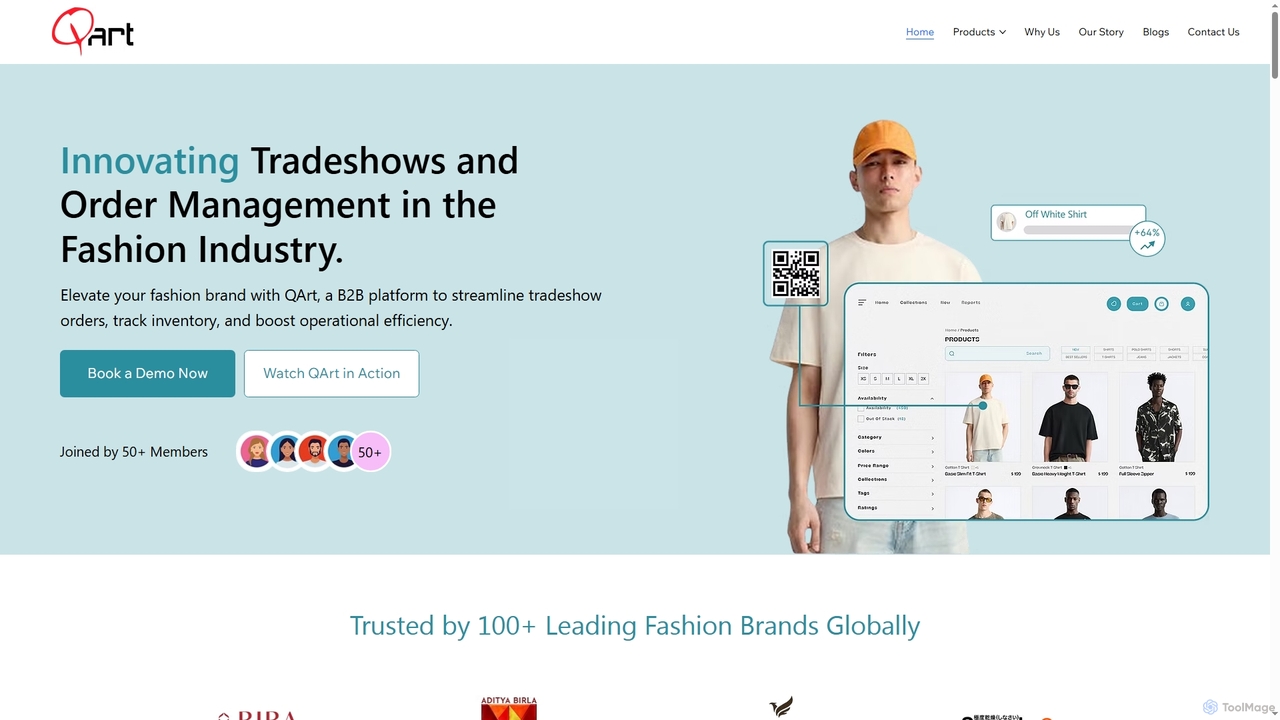
QArt
QArt is an advanced B2B platform designed for the fashion industry, streamlining tradeshow orders, managing inventory, and enhancing …
QArt is an advanced B2B platform designed for the fashion industry, streamlining tradeshow orders, managing inventory, and enhancing operational efficiency. It leverages AI for digital asset management, demand forecasting, and intelligent sales recommendations, empowering fashion brands to connect with retailers, automate workflows, and drive growth.
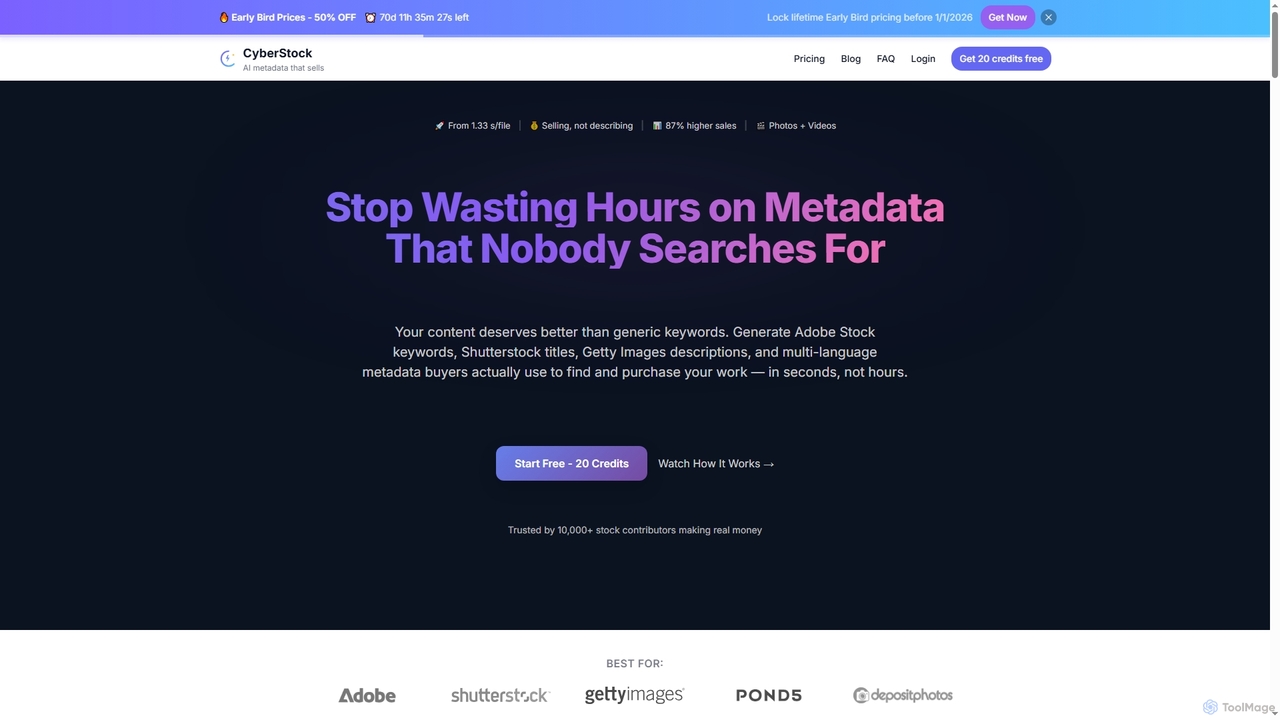
CyberStock
CyberStock is an AI-powered metadata generator designed for stock contributors, automating the creation of SEO-optimized keywords, titles, and …
CyberStock is an AI-powered metadata generator designed for stock contributors, automating the creation of SEO-optimized keywords, titles, and descriptions for platforms like Adobe Stock, Shutterstock, and Getty Images. It processes photos and videos rapidly, leveraging market data to enhance content visibility and sales.
About Digital Asset Management
Digital Asset Management (DAM) are AI-powered tools that centralize, organize, and distribute an organization's digital assets. These systems leverage AI for automated tagging, intelligent search, and streamlined workflows, enabling efficient management of various media types. They significantly improve brand consistency, accelerate content creation cycles, and ensure compliance across all digital touchpoints.
Core Features
- Centralized Storage: Securely stores and manages diverse digital files, from images and videos to documents and audio.
- AI-Powered Metadata & Tagging: Automatically categorizes assets with relevant keywords, descriptions, and attributes for enhanced searchability.
- Version Control & History: Tracks all changes, allowing users to revert to previous versions and maintain a clear audit trail.
- Access Control & Permissions: Manages user roles and granular permissions to ensure secure and appropriate access to assets.
- Workflow Automation: Streamlines asset review, approval, and distribution processes, reducing manual effort and accelerating time-to-market.
Applicable Scenarios
Marketing teams utilize DAM to manage campaign assets, ensuring brand consistency across channels. Creative agencies use it for collaborative client projects, handling large volumes of visual content. E-commerce businesses leverage DAM to organize product media, facilitating faster product launches and updates.
How to Choose
When selecting a DAM solution, consider its scalability to accommodate future asset growth and its integration capabilities with existing tools like CMS, CRM, and design software. Evaluate the robustness of its AI features for automation and search, and assess its security protocols and compliance certifications. User experience and pricing models are also crucial factors for long-term adoption.
Digital Asset ManagementUse Cases
Streamlining Marketing Campaign Asset Management
Marketing teams often juggle hundreds of assets for various campaigns. A DAM system allows marketing managers to centralize all visuals, videos, copy, and brand guidelines. By using AI-powered tagging, assets are easily searchable and shareable, ensuring brand consistency across all channels (social media, email, web) and accelerating campaign deployment by up to 30%.
Automating Product Media Organization for E-commerce
E-commerce businesses manage vast libraries of product images, videos, and 3D models. A DAM system automates the categorization, tagging, and distribution of these assets, linking them directly to product SKUs. This reduces manual data entry errors, ensures consistent product presentation across platforms, and can cut the time required for new product launches by half.
Enhancing Creative Workflow for Design Agencies
Design agencies handle numerous client projects, each with unique brand assets and revision cycles. A DAM system provides robust version control, collaborative review tools, and secure sharing capabilities. This enables designers to easily access the latest approved assets, streamline feedback loops with clients, and ensure all deliverables meet brand guidelines, significantly improving project efficiency and client satisfaction.
Ensuring Brand Compliance Across Global Teams
Large enterprises with global operations face challenges in maintaining consistent brand messaging. A DAM system acts as a single source of truth for all approved brand assets, including logos, fonts, and templates. It enforces usage policies and provides controlled access, preventing unauthorized use of outdated or off-brand materials, thereby safeguarding brand integrity and reducing compliance risks across diverse markets.
Facilitating Content Creation and Distribution for Publishers
Publishing houses manage vast archives of articles, images, and multimedia content. A DAM system enables editors and journalists to quickly search, retrieve, and reuse existing content, reducing duplication of effort. It also streamlines the distribution of content to various platforms (web, print, mobile) while ensuring proper licensing and rights management, leading to faster content cycles and broader reach.
Managing Digital Archives and Historical Media
Institutions like museums, libraries, and historical societies possess extensive collections of digitized artifacts, historical photos, and archival footage. A DAM system provides robust long-term storage, advanced metadata capabilities for detailed cataloging, and secure access protocols. This ensures the preservation of valuable cultural heritage, facilitates academic research, and enables controlled public access to historical media, safeguarding these assets for future generations.