Digital Marketing Best in category 2 results Search Engine Optimization AI Tool

Popular AI tools in the Search Engine Optimization field of Digital Marketing include Anthroly、AEOptimer, etc., helping you quickly improve efficiency.

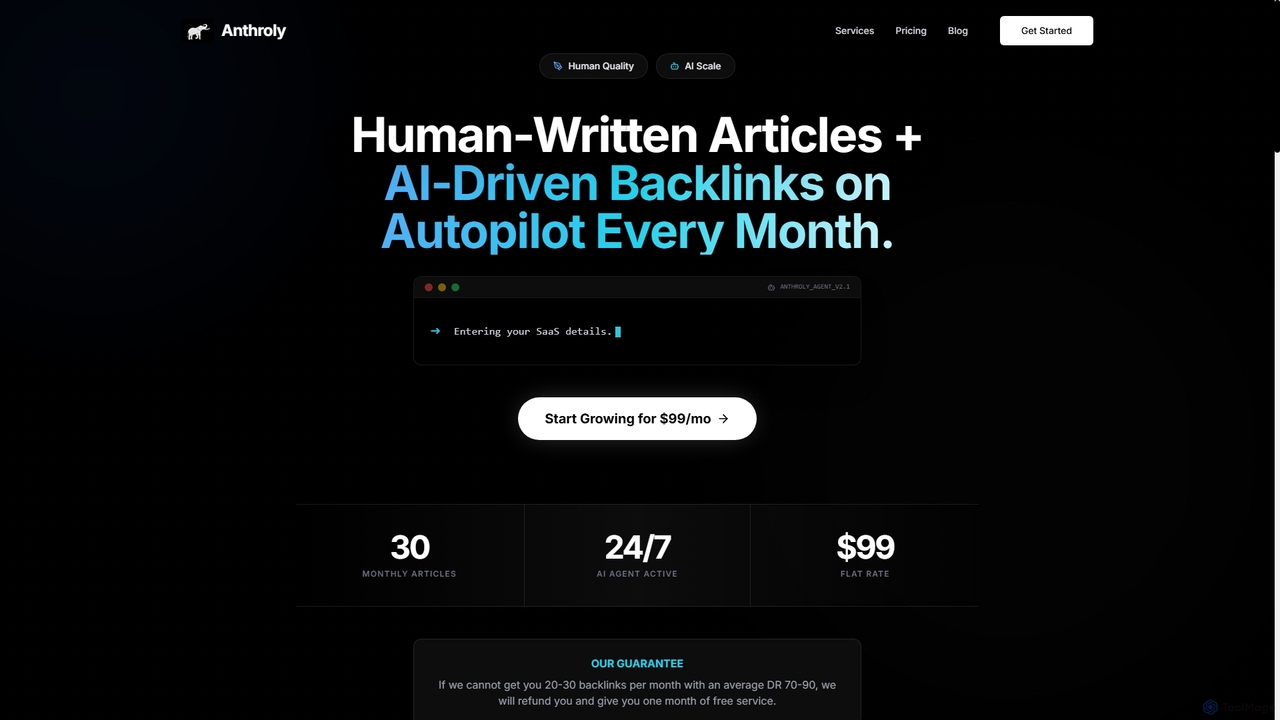
Anthroly

Anthroly

Anthroly is a hybrid AI-powered platform that combines human-written, high-quality content with automated AI-driven backlink generation. It offers …

3.8K
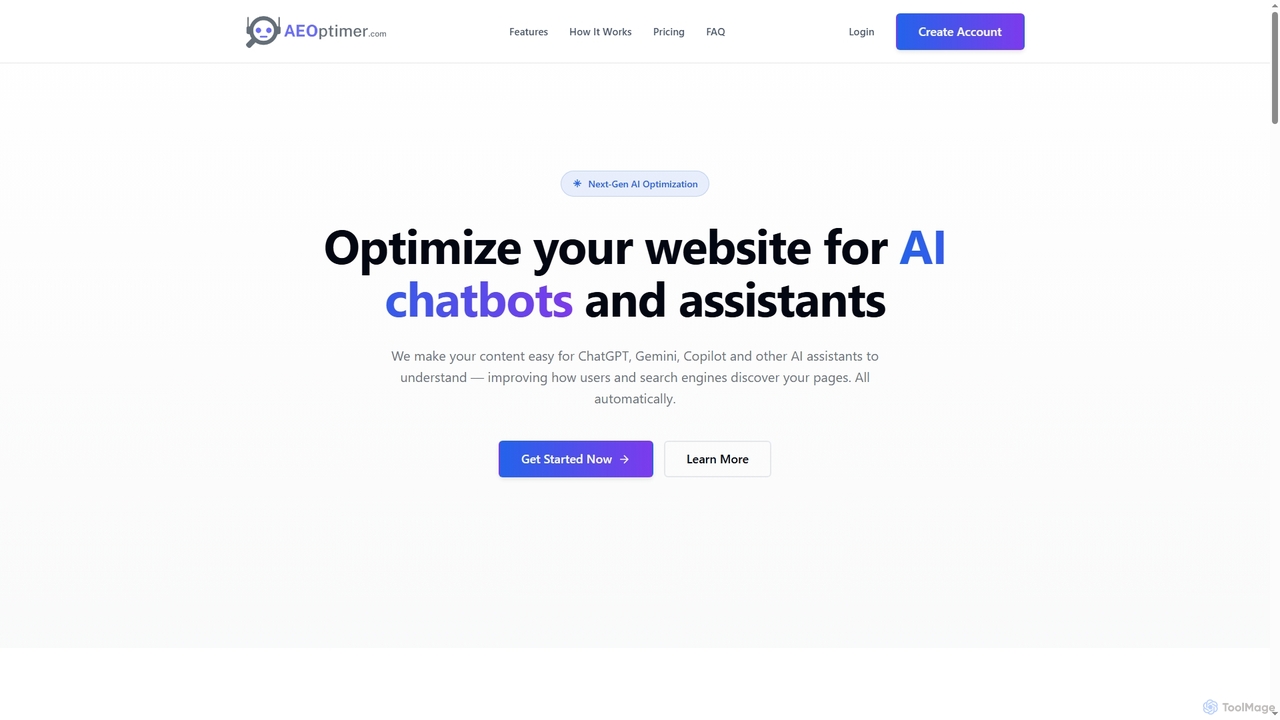
AEOptimer

AEOptimer

AEOptimer is a SaaS platform that automates website content optimization for enhanced visibility in both traditional search engines …

2.8K

About Search Engine Optimization

AI Search Engine Optimization (SEO) tools are a class of software that leverages artificial intelligence to automate and enhance the process of improving a website's visibility on search engines. These tools utilize machine learning and natural language processing (NLP) to analyze vast amounts of data, identify patterns, and generate actionable insights. They help users conduct advanced keyword research, optimize content for search intent, and perform technical audits more efficiently. By automating complex analyses, AI SEO tools empower marketers and website owners to make data-driven decisions that can lead to higher rankings and increased organic traffic.

Core Features

  • AI Keyword Clustering: Automatically groups thousands of keywords into topically relevant clusters based on search intent, simplifying content strategy.
  • Content Optimization Scoring: Provides real-time analysis and scores for content based on top-ranking competitors, offering suggestions for improvement.
  • Predictive Rank Tracking: Uses historical data and machine learning to forecast future keyword ranking performance and traffic potential.
  • Automated Technical Audits: Employs AI-powered crawlers to continuously monitor a site for technical issues like broken links, crawl errors, and page speed problems.
  • Natural Language Generation (NLG): Creates SEO-friendly metadata, product descriptions, or content outlines based on target keywords.

Applicable Scenarios

These tools are widely used by SEO specialists, content marketing teams, digital agencies, and e-commerce managers. For instance, an agency might use AI to quickly audit a new client's website and build a strategic roadmap. A content team can use it to generate data-backed content briefs, ensuring every article is optimized from the start. E-commerce sites leverage these tools to automate the optimization of thousands of product pages.

Selection Criteria

When choosing an AI SEO tool, consider the scope of its features—whether it's an all-in-one platform or specialized for content or technical SEO. Evaluate the accuracy and source of its data, as well as its integration capabilities with essential platforms like Google Analytics and Search Console. Also, assess the user interface's complexity and the level of automation provided to ensure it aligns with your team's technical skills and workflow.

Search Engine OptimizationUse Cases

1

Generate AI-Powered Content Briefs

A content strategist for a B2B SaaS company needs to create a pillar page for a new feature. Instead of spending hours manually researching competitors, they input the target keyword into an AI SEO tool. The tool analyzes the top 20 ranking pages and instantly generates a comprehensive brief. This brief includes recommended word count, key subheadings to cover, related questions people ask, and important entities (people, places, concepts) to mention. This data-driven approach ensures the writer creates content that meets search intent, significantly increasing its chances of ranking well upon publication.

2

Automate Keyword Clustering for Site Architecture

An SEO manager for a large e-commerce site is planning a new category section with hundreds of potential products. They export a list of 5,000 relevant keywords from a traditional tool. Using an AI SEO tool, they upload this list. The AI analyzes the search intent behind each keyword and automatically groups them into dozens of logical, topic-based clusters. This process, which would take days manually, is completed in minutes. The manager can now use these clusters to define the site's URL structure, category pages, and subcategory pages, ensuring a logical architecture that search engines can easily understand.

3

Perform Automated Technical SEO Audits

A technical SEO specialist at a digital agency is responsible for monitoring the health of 20 client websites. Manually auditing each site weekly is impractical. They set up an AI SEO tool to automatically crawl each site on a schedule. The tool's AI identifies critical issues that a standard crawler might miss, such as detecting orphan pages (pages with no internal links), identifying JavaScript rendering problems, and flagging pages with thin or duplicate content at scale. The specialist receives a prioritized report via email, allowing them to focus their efforts on the most impactful issues first, saving dozens of hours per month.

4

Optimize Content in Real-Time for Higher Rankings

A freelance blogger is writing an article on a competitive topic. They use an AI SEO tool that integrates with their writing editor. As they write, the tool provides a real-time optimization score based on factors like keyword usage, semantic relevance, readability, and inclusion of terms used by top competitors. It suggests adding specific LSI keywords, improving sentence structure for clarity, and ensuring the content covers the topic comprehensively. This live feedback loop helps the blogger craft a highly optimized piece of content from the first draft, reducing editing time and improving the article's potential to rank quickly.

5

Generate SEO-Optimized Metadata at Scale

An e-commerce store with over 10,000 product pages has inconsistent and unoptimized meta titles and descriptions. Manually rewriting them all would take months. The store manager uses an AI SEO tool with Natural Language Generation (NLG) capabilities. They create a template incorporating product attributes like name, brand, and category. The AI then automatically generates unique, compelling, and keyword-rich meta titles and descriptions for every single product. This allows the store to quickly improve its click-through rate (CTR) from search results across its entire product catalog.

6

Predict SEO Outcomes and Prioritize Tasks

A marketing director is planning the SEO budget for the next quarter. They need to justify the investment by forecasting potential returns. Using a predictive AI SEO tool, they can model different scenarios. For example, they can input a list of articles they plan to update and the tool will forecast the likely increase in organic traffic and conversions over the next three to six months. This allows the director to prioritize the tasks with the highest expected ROI, allocate resources more effectively, and present a data-backed business case to senior management for their proposed SEO initiatives.

Search Engine OptimizationFrequently Asked Questions