Content Creation Best in category 7 results Blog Writing AI Tool

Popular AI tools in the Blog Writing field of Content Creation include Blogify、WPAutoBlog、Bloggr、Juice.ai、Anthroly、Wilde、Revenuesurf, etc., helping you quickly improve efficiency.

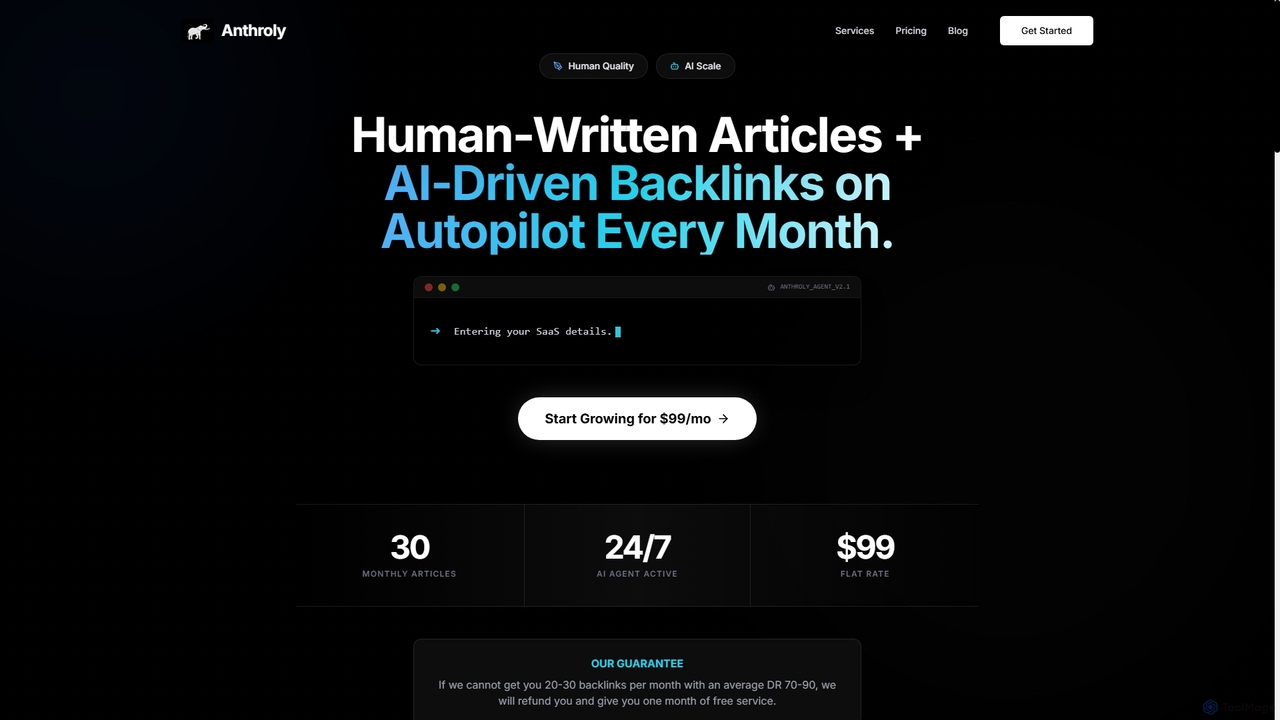
Anthroly

Anthroly

Anthroly is a hybrid AI-powered platform that combines human-written, high-quality content with automated AI-driven backlink generation. It offers …

4.0K
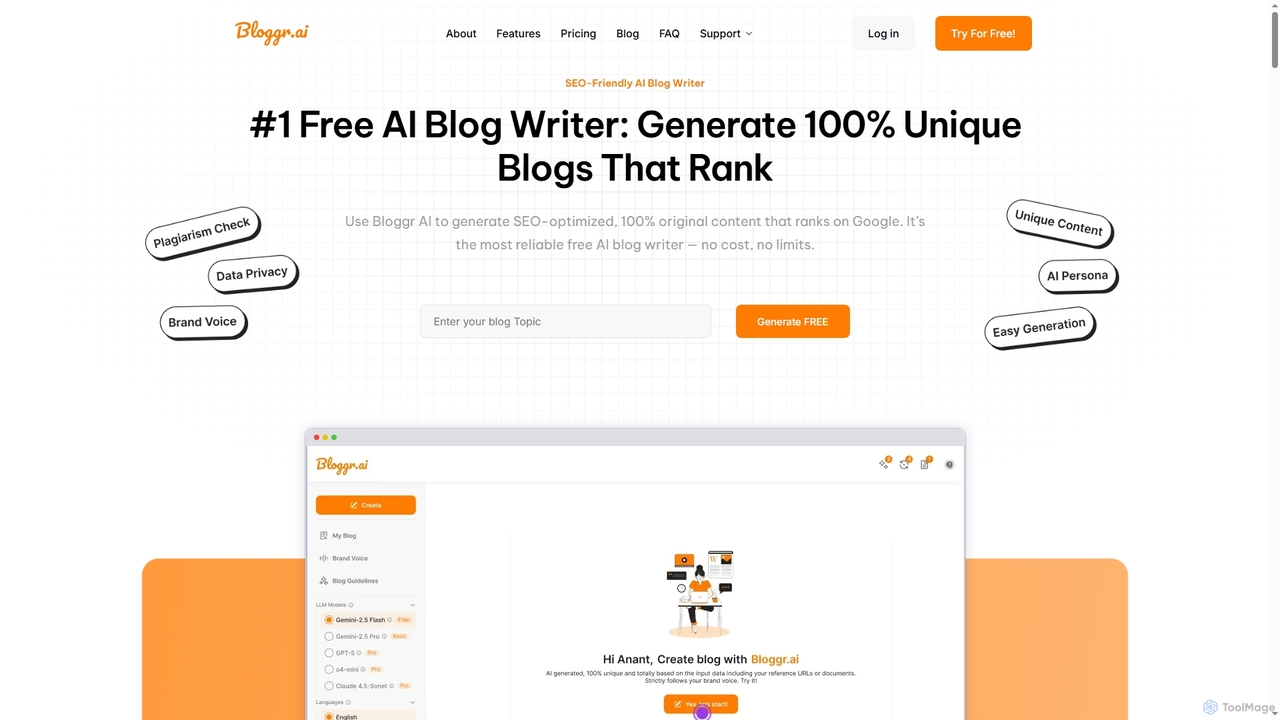
Bloggr

Bloggr

Bloggr is a free AI blog writer designed to generate 100% unique, SEO-optimized content that ranks on Google. …

5.6K
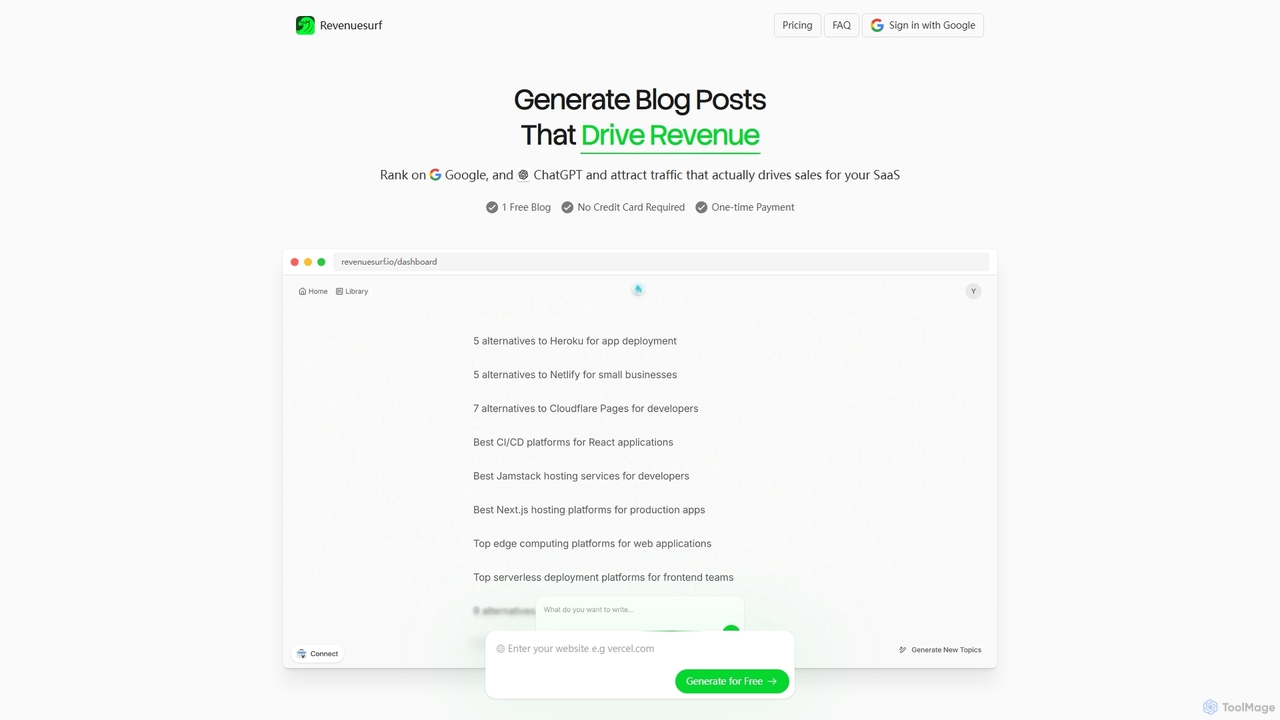
Revenuesurf

Revenuesurf

Revenuesurf is an AI blog post generator specifically designed for SaaS companies to create high-intent, solution-aware content. It …

3.1K
Blogify

Blogify

Blogify is an AI-powered platform that automates blog creation by repurposing content from over 40 sources like YouTube …

20.4K
Juice.ai

Juice.ai

Juice.ai is an AI-powered digital marketing agency that automates your SEO for just $9.99/month. It handles everything from …

5.5K
Wilde

Wilde

Wilde is an AI-powered content creation platform specializing in generating long-form, SEO-optimized blog posts in both English and …

3.1K
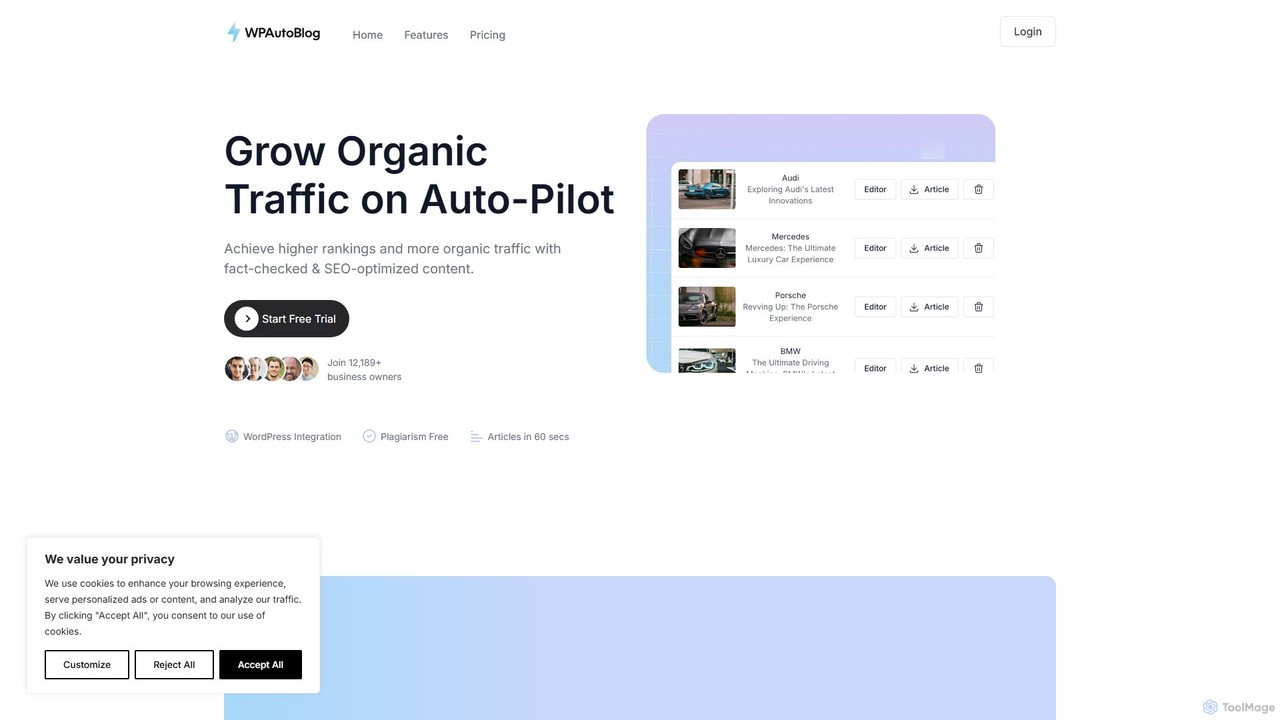
WPAutoBlog

WPAutoBlog

WPAutoBlog is an AI-powered article writer designed to fully automate content creation for WordPress websites. It seamlessly integrates …

16.0K

About Blog Writing

AI Blog Writing tools are specialized applications that leverage large language models (LLMs) to automate and assist in the creation of blog content. These tools analyze prompts, keywords, and existing data to generate structured outlines, draft entire articles, and optimize text for search engines. They are designed to streamline the content creation workflow, from initial idea generation to final publication. This enables creators and marketers to produce high-quality, relevant content at a significantly faster pace.

Core Features

  • SEO Optimization: Suggests and integrates relevant keywords, generates meta descriptions, and analyzes content for search engine ranking factors.
  • Outline Generation: Creates logical, well-structured outlines for blog posts based on a given topic or title.
  • Content Drafting & Expansion: Writes complete paragraphs or entire sections of an article from a simple prompt or outline point.
  • Tone and Style Adaptation: Allows users to adjust the writing style to match specific brand voices, from professional to casual.
  • Plagiarism & Fact-Checking: Includes features to check for content originality and, in some advanced tools, verify factual accuracy against web sources.

Use Cases

These tools are widely used by content marketing teams to scale their content production, SEO specialists to create keyword-targeted articles, and solo bloggers to maintain a consistent publishing schedule. Businesses also use them to develop thought leadership pieces and product-related content, ensuring a steady stream of information for their audience.

How to Choose

When selecting an AI Blog Writing tool, evaluate the quality and coherence of the generated text. Assess the depth of its SEO features, such as keyword research and on-page analysis. Consider its integration capabilities with platforms like WordPress or Google Docs, and examine the level of control it offers over language, tone, and formatting to ensure it aligns with your brand's specific needs.

Blog WritingUse Cases

1

Scale SEO-Optimized Blog Content Production

A content marketer for a SaaS company is tasked with increasing organic traffic by 50% in six months. They use an AI Blog Writing tool to accelerate their workflow. By inputting target keywords and competitor URLs, the tool generates comprehensive, SEO-friendly outlines. The marketer then uses the AI to draft initial sections, which they enrich with internal data and expert insights. This process allows them to increase their publishing frequency from two to eight high-quality articles per week, systematically targeting a wider range of keywords and significantly boosting their search engine visibility.

2

Maintain a Consistent Publishing Schedule for a Niche Blog

A solo entrepreneur runs a niche blog about sustainable urban gardening. To build authority and a loyal audience, they need to publish consistently, but often face writer's block. They use an AI Blog Writing tool as a creative partner. By inputting a broad topic like 'balcony composting', the tool suggests several article angles, such as '5 Common Composting Mistakes' or 'A Beginner's Guide to Vermicomposting'. It helps generate an outline and first draft, which the blogger then personalizes with their own experiences and photos, ensuring they can publish a fresh, valuable post every week without fail.

3

Develop In-Depth Thought Leadership Articles

A B2B marketing team aims to establish their company as an industry leader. They use an AI Blog Writing tool to structure complex, long-form articles. The team provides the AI with key data points, internal research findings, and quotes from their executives. The tool helps organize this information into a coherent narrative with logical sections, introductions, and conclusions. This allows the human experts to focus on providing unique insights and analysis, rather than spending time on basic article structure and flow, resulting in high-impact thought leadership content published more efficiently.

4

Create High-Converting Product Review Posts

An affiliate marketer specializes in reviewing tech gadgets. To stand out, their reviews need to be detailed and well-structured. They use an AI Blog Writing tool to streamline the creation of review posts. After testing a product, they input their findings, key features, and pros/cons into the tool. The AI generates a structured article including an introduction, feature breakdowns, comparison tables with competitors, and a concluding summary. This allows the marketer to produce comprehensive, easy-to-read reviews quickly, focusing their time on hands-on testing rather than writing, ultimately increasing their affiliate conversions.

5

Repurpose Video Content into Blog Articles

A content creator has a successful YouTube channel with dozens of in-depth tutorials. To reach a new audience and improve SEO, they decide to repurpose this video content into blog posts. They use an AI tool that can process video transcripts. After uploading a transcript, the AI restructures the conversational dialogue into a well-organized article, adding headings, bullet points for key takeaways, and a concise summary. The creator then adds screenshots from the video and publishes the post. This strategy allows them to double their content output with minimal extra effort, driving traffic from both search engines and their existing video audience.

6

Generate Blog Topic Ideas and Outlines for a Content Calendar

A content manager is planning the editorial calendar for the next quarter. They need to generate a list of fresh, relevant topics that align with their company's pillars. They use an AI Blog Writing tool's ideation feature. By inputting a core theme, such as 'customer retention strategies', the tool generates dozens of potential blog titles, questions, and related keywords. The manager selects the most promising ideas, and for each one, the AI instantly creates a detailed outline. This process transforms a week-long brainstorming and planning session into a single afternoon, providing a structured and data-informed content calendar ready for execution.

Blog WritingFrequently Asked Questions