E Commerce Best in category 1 results Customer Service AI Tool

Popular AI tools in the Customer Service field of E Commerce include Stylo, etc., helping you quickly improve efficiency.

Stylo

Stylo

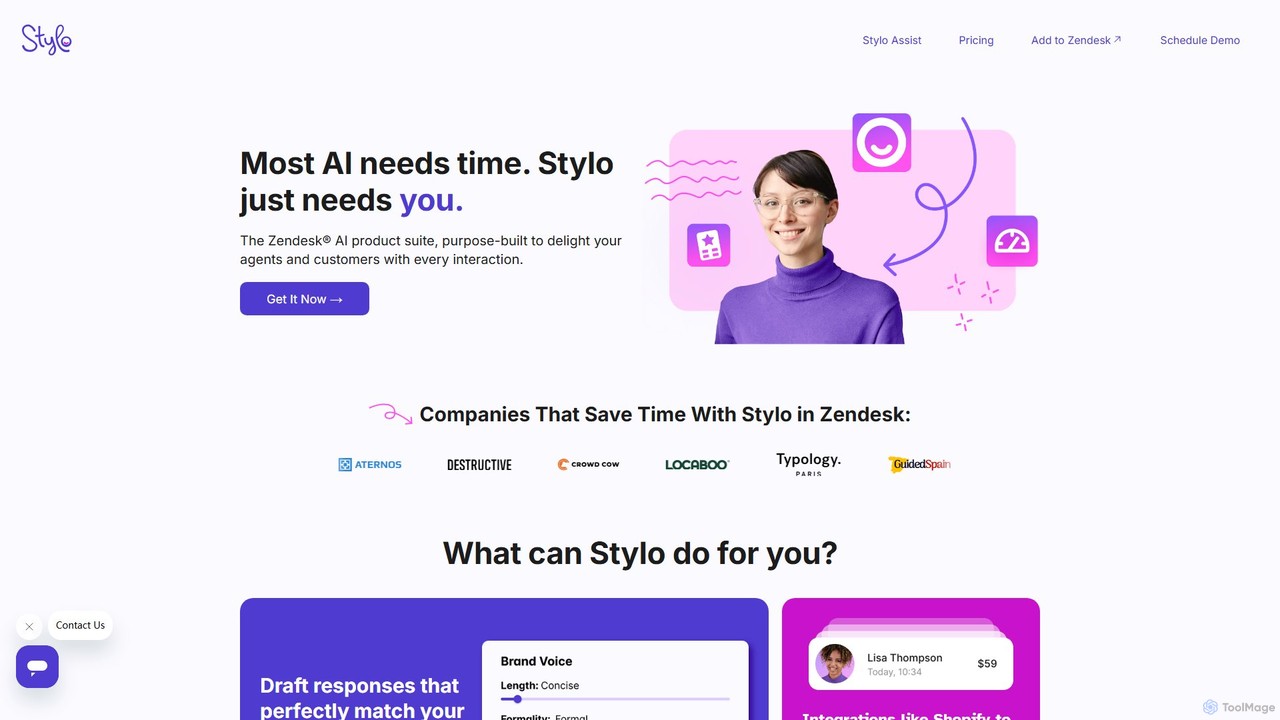
Stylo is the #1 AI assistant for Zendesk, designed to supercharge customer support teams. It automates repetitive tasks, …

5.8K

About Customer Service

AI Customer Service tools are a class of software designed to automate and enhance customer interactions, particularly within the e-commerce ecosystem. Leveraging technologies like Natural Language Processing (NLP) and machine learning, these tools can understand, interpret, and respond to customer inquiries in real-time across various channels. Their primary value lies in providing 24/7 support, instantly resolving common issues like order tracking, and personalizing the customer journey. This allows online businesses to scale their support operations efficiently while improving customer satisfaction and loyalty.

Core Features

  • AI-Powered Chatbots: Provide instant, automated responses to frequently asked questions about orders, shipping, and products.
  • Automated Ticket Routing: Intelligently analyzes incoming queries and assigns them to the appropriate agent or department.
  • Sentiment Analysis: Gauges the emotional tone of customer messages to prioritize urgent or negative feedback.
  • Agent Assist: Offers real-time response suggestions and relevant knowledge base articles to human support agents.
  • Proactive Engagement: Initiates conversations with website visitors to offer assistance or promotions, helping to convert sales.

Use Cases

These tools are essential for online retailers, D2C brands, and marketplace sellers. Common applications include handling order status inquiries, automating the returns and exchange process, providing personalized product recommendations, and gathering customer feedback at scale. They are particularly effective during peak shopping seasons for managing high volumes of customer queries.

How to Choose

When selecting an AI Customer Service tool, evaluate its integration capabilities with your e-commerce platform (e.g., Shopify, WooCommerce). Assess the sophistication of its NLP for understanding user intent and supporting multiple languages. Also consider its scalability to handle traffic spikes, the level of customization for workflows, and the quality of its analytics for measuring performance.

Customer ServiceUse Cases

1

Automate Order Tracking and Status Updates

For an online fashion retailer, an AI chatbot on the website and messaging apps can instantly answer 'Where is my order?' inquiries. By integrating with the logistics system, it provides real-time tracking information, delivery estimates, and shipment history. This self-service option frees up human agents from repetitive tasks, reduces response times from hours to seconds, and improves overall customer satisfaction.

2

Streamline Product Returns and Exchanges

An AI customer service tool can guide users through the return process 24/7. It can ask for the order number, identify the item, present return options (e.g., refund, exchange for a different size), generate a shipping label, and update the customer's account automatically. This automated, self-service workflow improves operational efficiency and provides a convenient, hassle-free experience for the customer.

3

Provide Proactive Sales and Support on Product Pages

An e-commerce store selling electronics can deploy an AI chatbot that triggers when a user spends more than 60 seconds on a high-value product page. The bot can proactively ask, 'Do you have any questions about the specifications?' or offer a limited-time discount. This engagement can clarify doubts, overcome purchase hesitation, and convert browsing visitors into buyers, directly increasing sales revenue.

4

Provide 24/7 Multilingual Support for Global Stores

A global cosmetics brand uses an AI customer service platform to offer support in multiple languages. The AI automatically detects the user's browser language and provides assistance on product ingredients, shipping policies, and payment issues around the clock. This allows the brand to cater to an international customer base and provide a consistent service experience across different time zones without needing a large, multilingual human support team.

5

Analyze Customer Feedback for Service Optimization

A subscription box company uses an AI tool with sentiment analysis to scan all incoming support tickets, reviews, and social media mentions. It identifies and categorizes common complaints (e.g., 'damaged packaging,' 'late delivery') and positive feedback. This provides the operations and product teams with structured, actionable insights to improve packaging, adjust delivery partners, or enhance product features, ultimately improving the overall customer experience.

6

Assist Human Agents During High-Traffic Periods

During a Black Friday sale, an online gadget store uses an AI Agent Assist tool. The AI handles initial inquiries, gathers customer information like order numbers, and then routes complex issues to human agents with a full conversation summary and suggested replies. This hybrid approach allows the human team to handle more complex cases efficiently, reducing customer wait times and preventing agent burnout during peak seasons.

Customer ServiceFrequently Asked Questions