ToolMage
Sign in

Best 81 Help Desk AI tools for Customer Support

Popular Help Desk AI tools in Customer Support include Salesforce, Breeze Copilot, Freshworks, JustCall, Missive, Re:amaze, Pylon, Richpanel, Front, and DevRev, helping you work more efficiently.

Pullse
Paid

Pullse

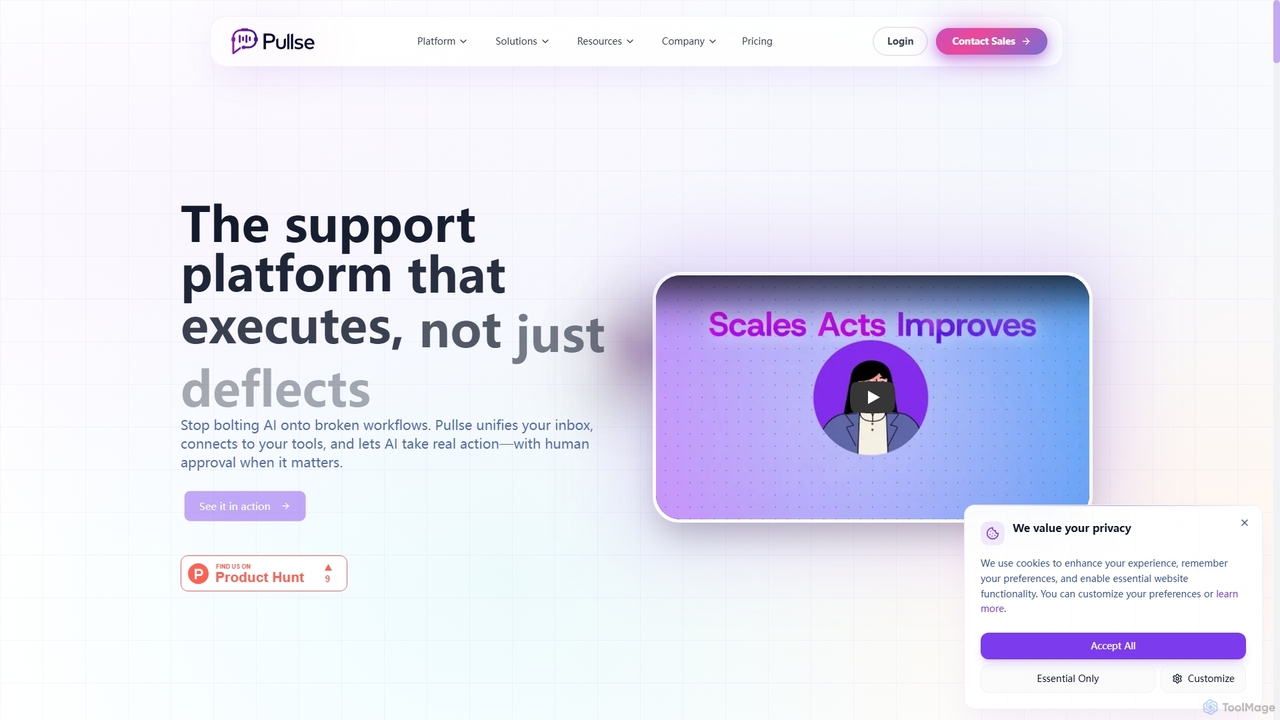
Pullse is an AI-powered customer support platform designed to execute tasks, not just deflect tickets. It unifies your inbox, connects to business tools, and allows AI agents and copilots to take real actions like processing refunds and updating orders, all with human approval and complete audit trails.

Customer Relationship Management
Visits 6.3KFavorites 78Likes 109
Saple

Saple

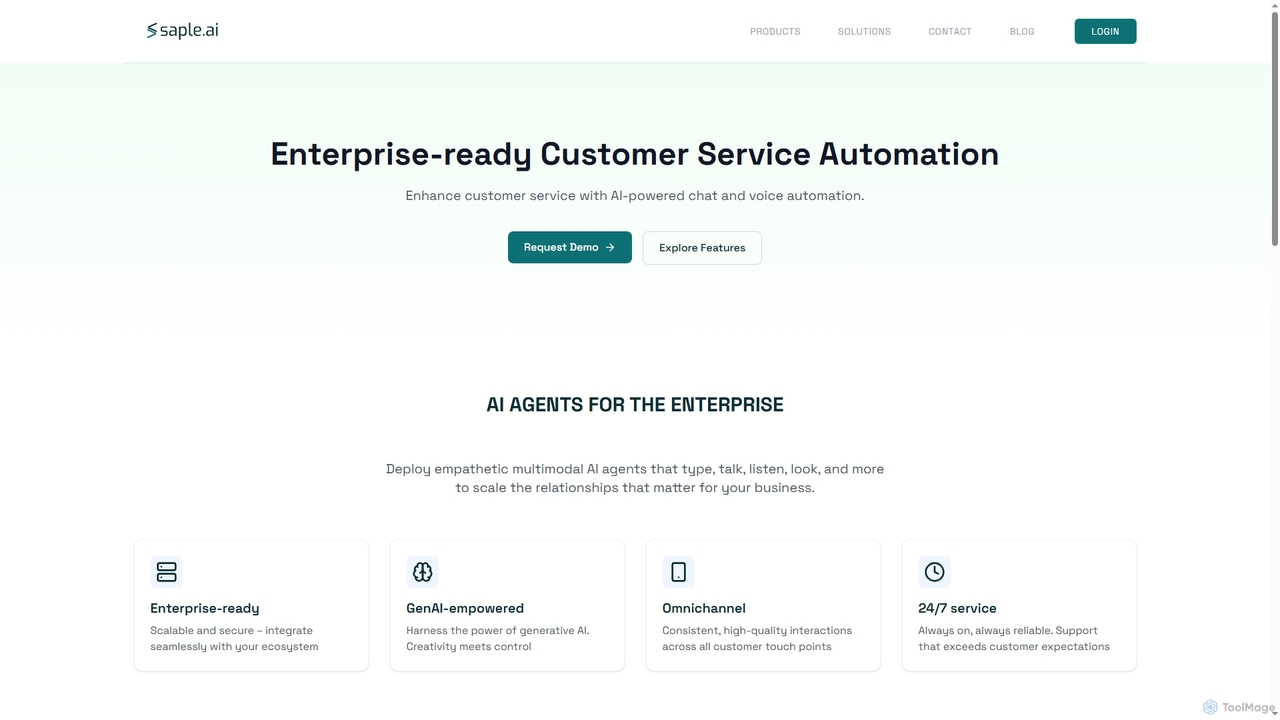
Saple is an enterprise-grade AI platform designed to automate and enhance customer service. It deploys multimodal AI agents for chat and voice, provides an Agent Assist copilot to empower human representatives, and offers omnichannel solutions to ensure consistent customer experiences.

Chatbot
Visits 8.8KFavorites 180Likes 153
Hirecsr
Paid

Hirecsr

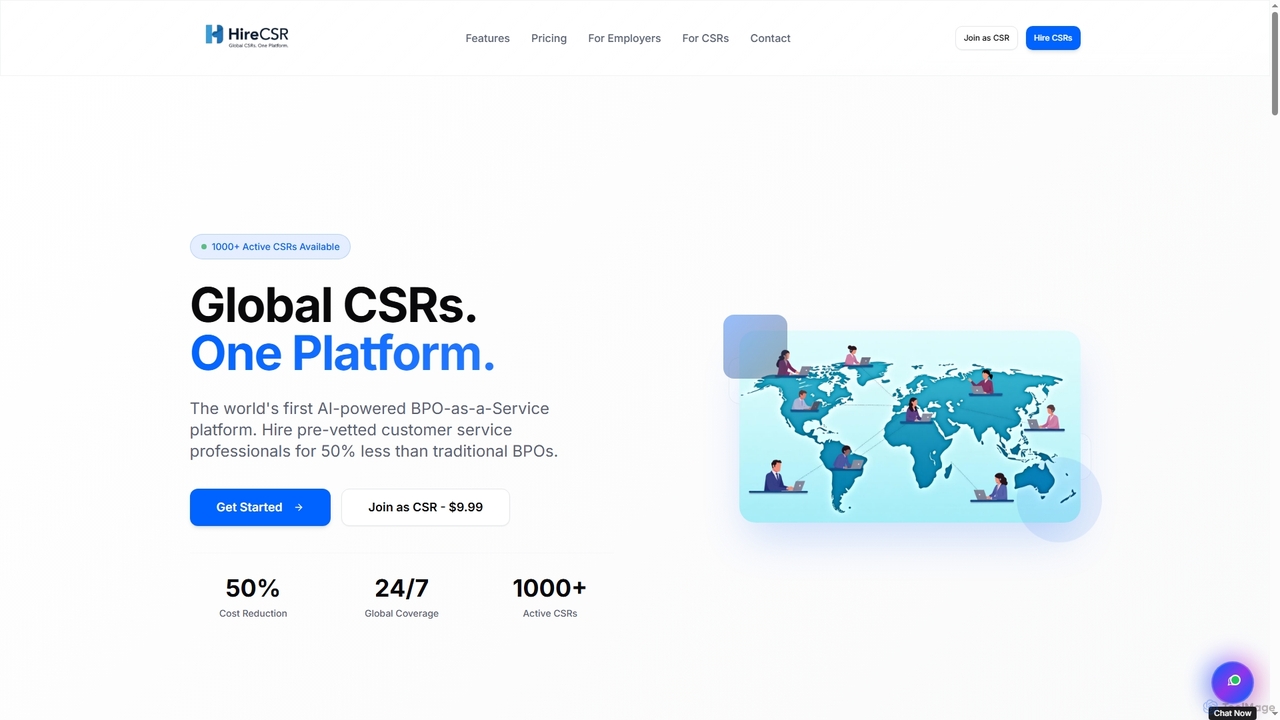
Hirecsr is an AI-powered BPO-as-a-Service platform connecting companies with vetted global customer service representatives (CSRs). It leverages AI to manage hiring, training, quality assurance, and performance monitoring, offering premium support at up to 50% lower cost than traditional BPOs.

Help Desk
Visits 6.4KFavorites 143Likes 157
Evidah
Paid

Evidah

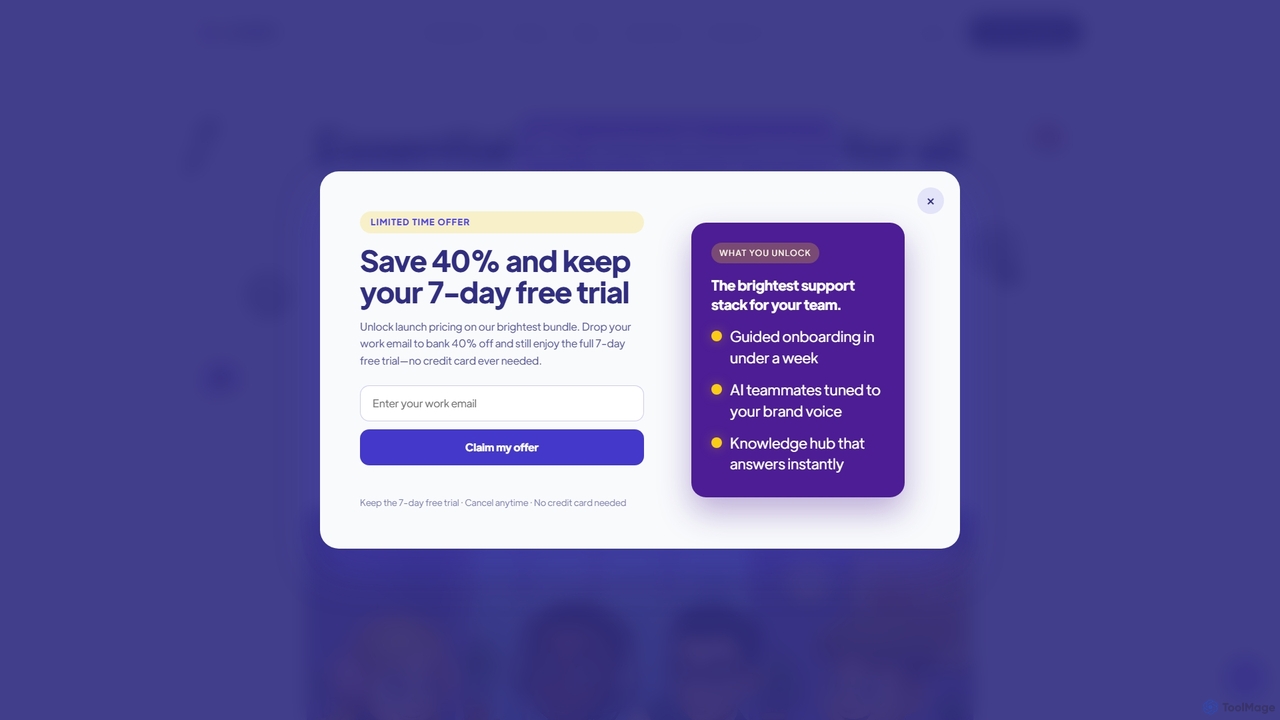
Evidah provides a team of specialized AI Employees to automate customer support and business operations 24/7. It integrates a knowledge base, help desk, live chat, and training insights into a single platform, allowing businesses to hire AI agents for specific tasks or bundle them for a complete solution.

Help Desk
Visits 6.3KFavorites 144Likes 134
Legendary Email
Free

Legendary Email

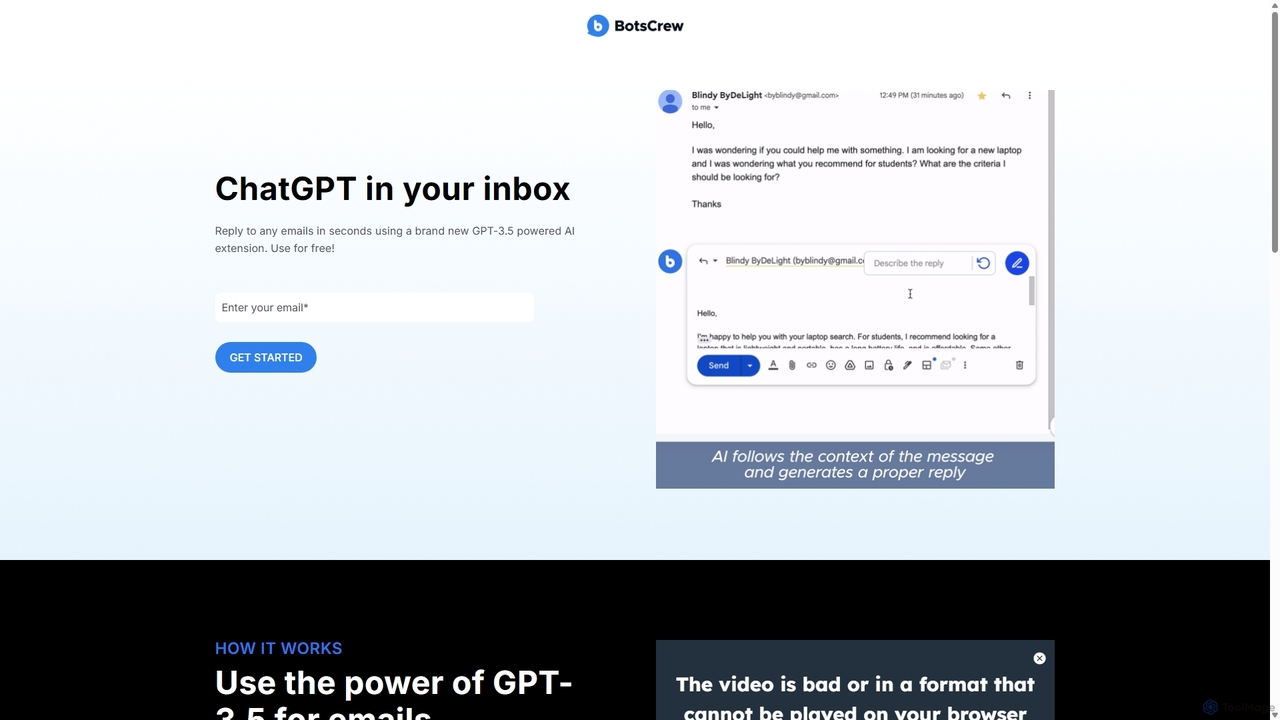
Legendary Email is a free, GPT-3.5 powered browser extension that integrates directly into your inbox, CRM, or ticketing system. It analyzes email context to instantly draft professional, relevant replies. Ideal for sales, customer support, and anyone looking to enhance email productivity and communication quality.

Help Desk
Visits 6.3KFavorites 133Likes 147
SalezRobot
Paid

SalezRobot

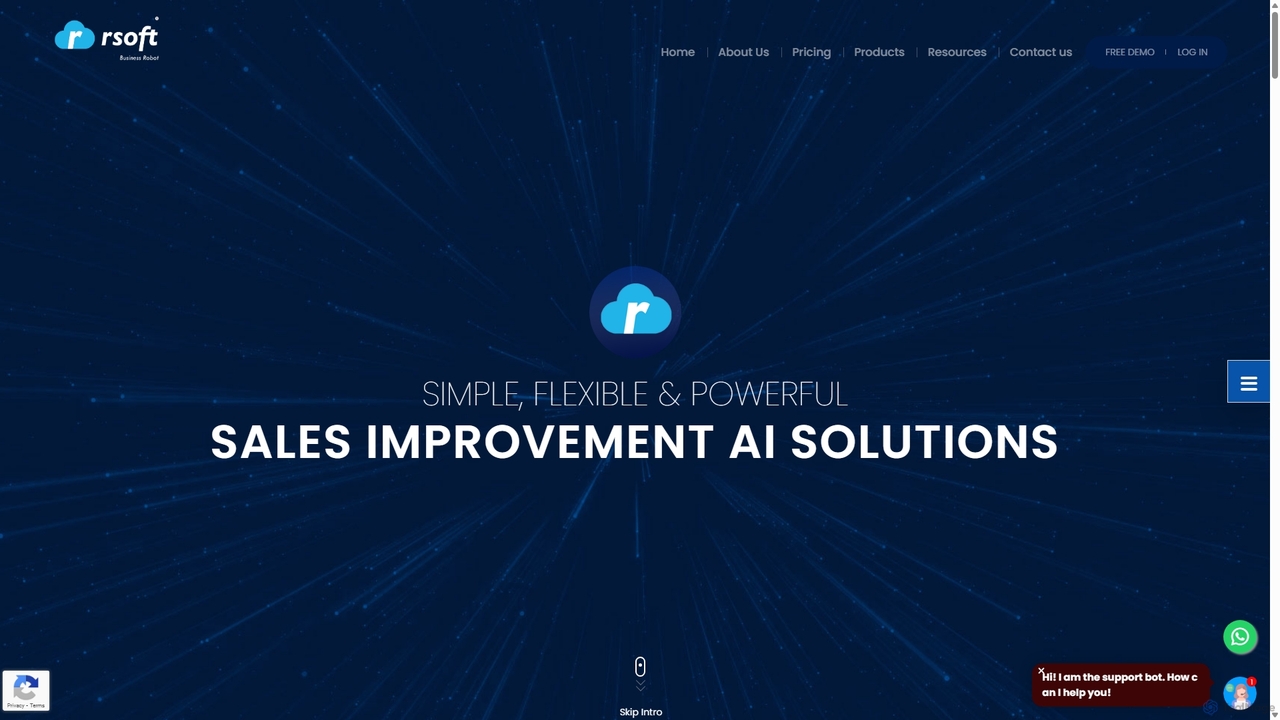
SalezRobot is an AI-powered sales improvement and CRM platform designed to automate the entire sales lifecycle. It streamlines pre-sales lead capture, sales process management, and post-sales customer support. With integrated tools like WhatsApp Business API, IVR, and AI chatbots, SalezRobot helps teams increase productivity, maximize sales opportunities, and enhance customer satisfaction through intelligent automation and insightful analytics.

Help Desk
Visits 6.3KFavorites 129Likes 121
Salesforce
Freemium

Salesforce

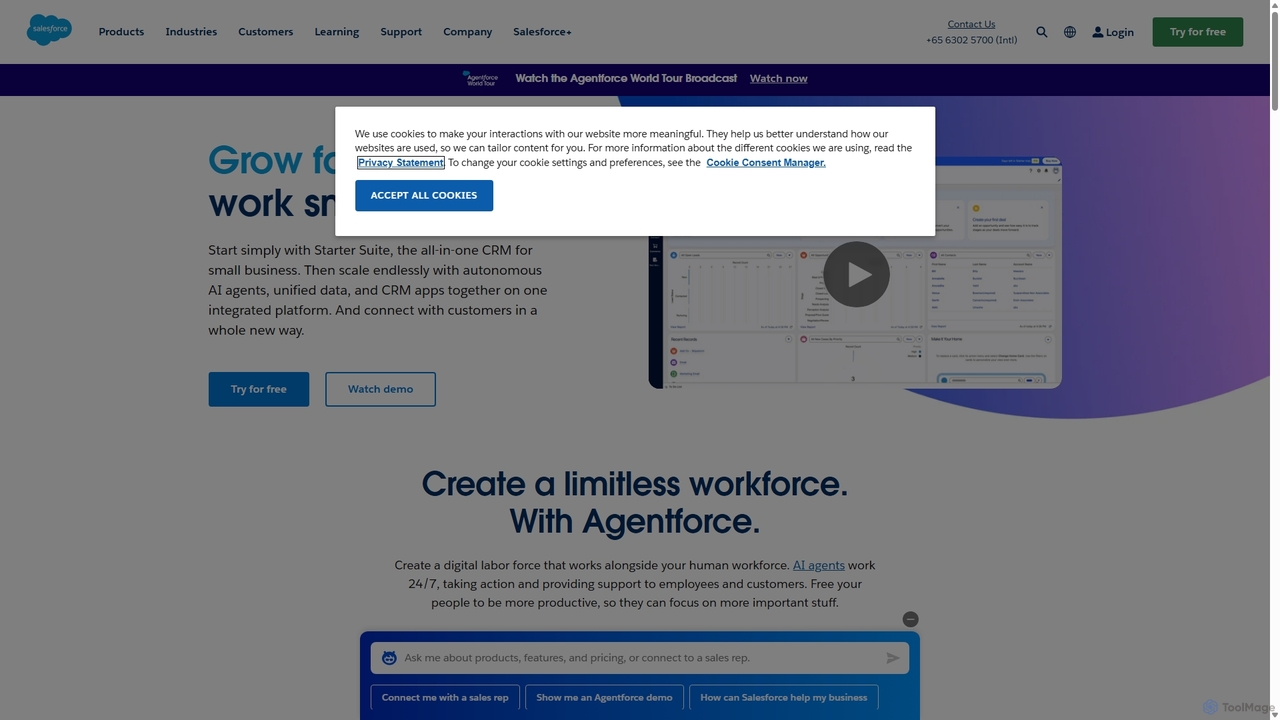
Salesforce is the world's #1 AI-powered Customer Relationship Management (CRM) platform. It helps businesses of all sizes connect with their customers in a whole new way by unifying sales, service, marketing, commerce, and IT on a single, shared platform called Customer 360. With integrated AI like Einstein and Agentforce, it provides intelligent insights and automation to drive efficiency and growth.

Sales Automation
Visits 76.7MFavorites 128Likes 123
Cohere
Freemium

Cohere

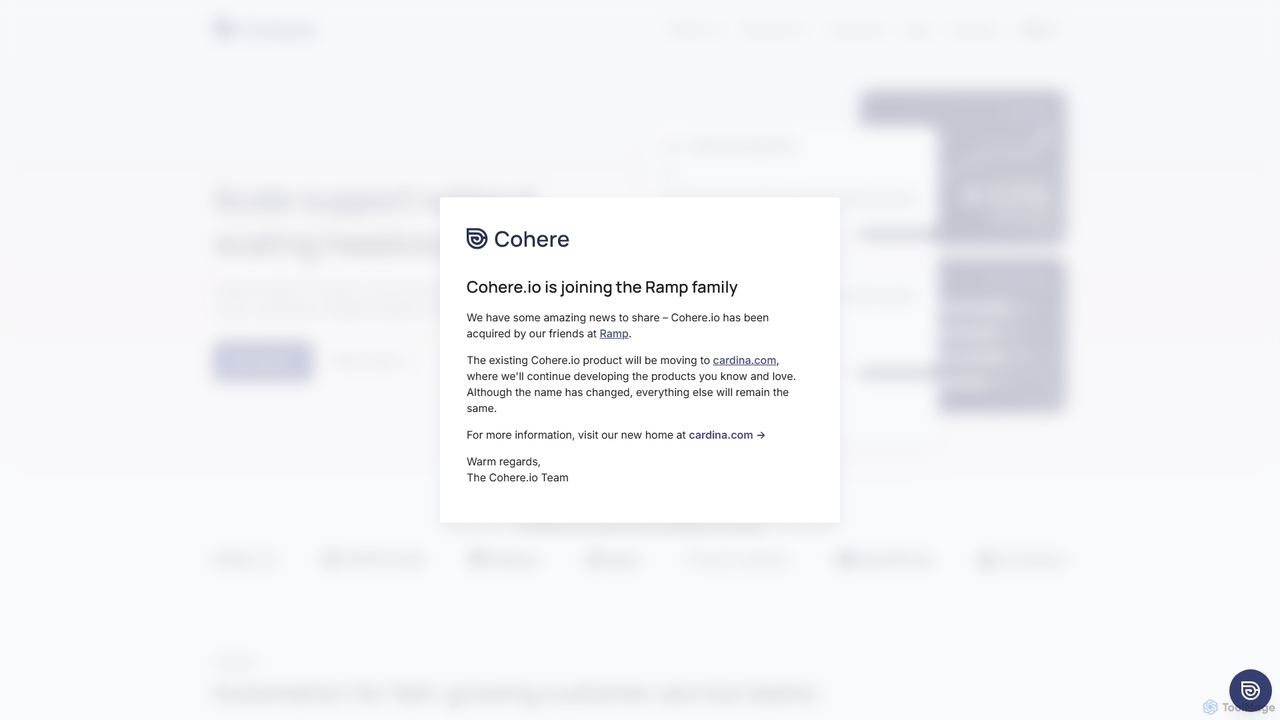
Cohere is an AI-powered customer experience platform designed to help support teams resolve tickets faster and reduce costs. It combines secure cobrowsing, generative AI, and automation to provide instant, personalized answers, guide users through resolutions, and scale support without increasing headcount.

Chatbots
Visits 12KFavorites 145Likes 143
Pylon
Paid

Pylon

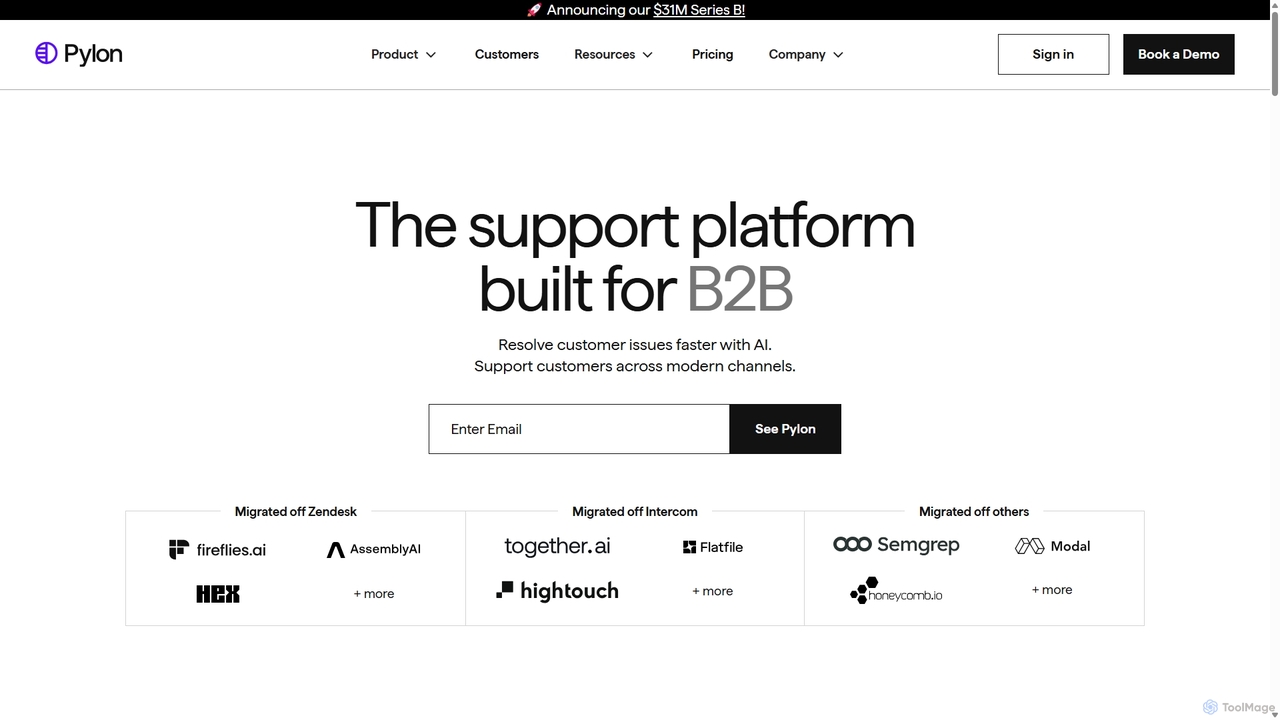
Pylon is an AI-powered customer support platform built specifically for B2B companies. It unifies conversations from all channels like Slack, Teams, email, and chat into a single view. Pylon uses AI agents and assistants to automate ticket routing, draft replies, manage knowledge bases, and provide deep account intelligence, helping teams resolve issues faster and manage customer relationships proactively.

Customer Relationship Management
Visits 358.1KFavorites 142Likes 142
Kesem.ai
Paid

Kesem.ai

Kesem.ai is an AI-powered knowledge platform for customer-facing teams. It centralizes information from sources like Confluence, Slack, and Jira, enabling sales engineers, customer success, and support teams to get instant, accurate answers to complex product and technical questions. This streamlines workflows, accelerates sales cycles, and improves customer satisfaction by providing a single source of truth.

Enterprise Search
Visits 6.3KFavorites 106Likes 126
Truffle
Freemium

Truffle

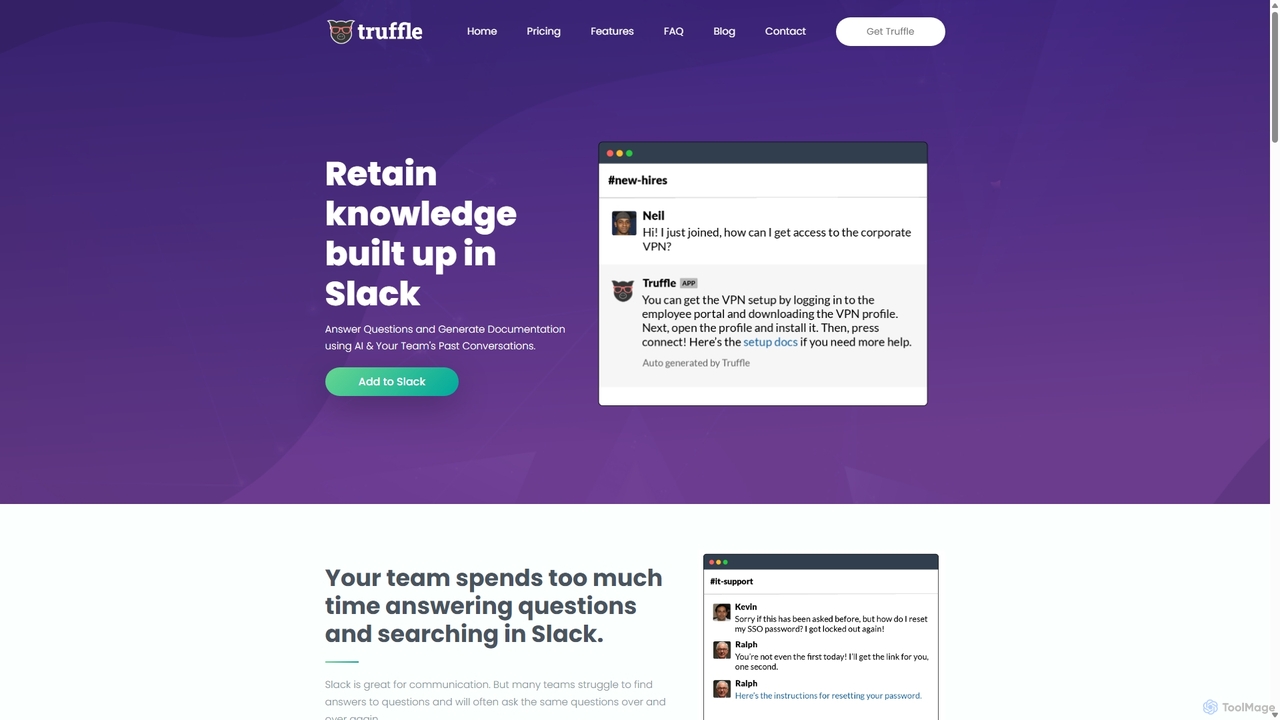
Truffle is an AI-powered Slack bot that automatically builds a knowledge base from your team's past conversations. It instantly answers repetitive questions, saving time for HR, IT, and product teams, and making information accessible to everyone.

Team Collaboration
Visits 6.3KFavorites 146Likes 155
Mailbutler
Freemium

Mailbutler

Mailbutler is an AI-powered email extension for Apple Mail, Gmail, and Outlook that enhances your inbox. It offers features like email tracking, AI-driven smart compose and summarization, collaborative tools for teams, and professional signature marketing to boost productivity and streamline communication.

Help Desk
Visits 59.6KFavorites 139Likes 156
WowTo
Freemium

WowTo

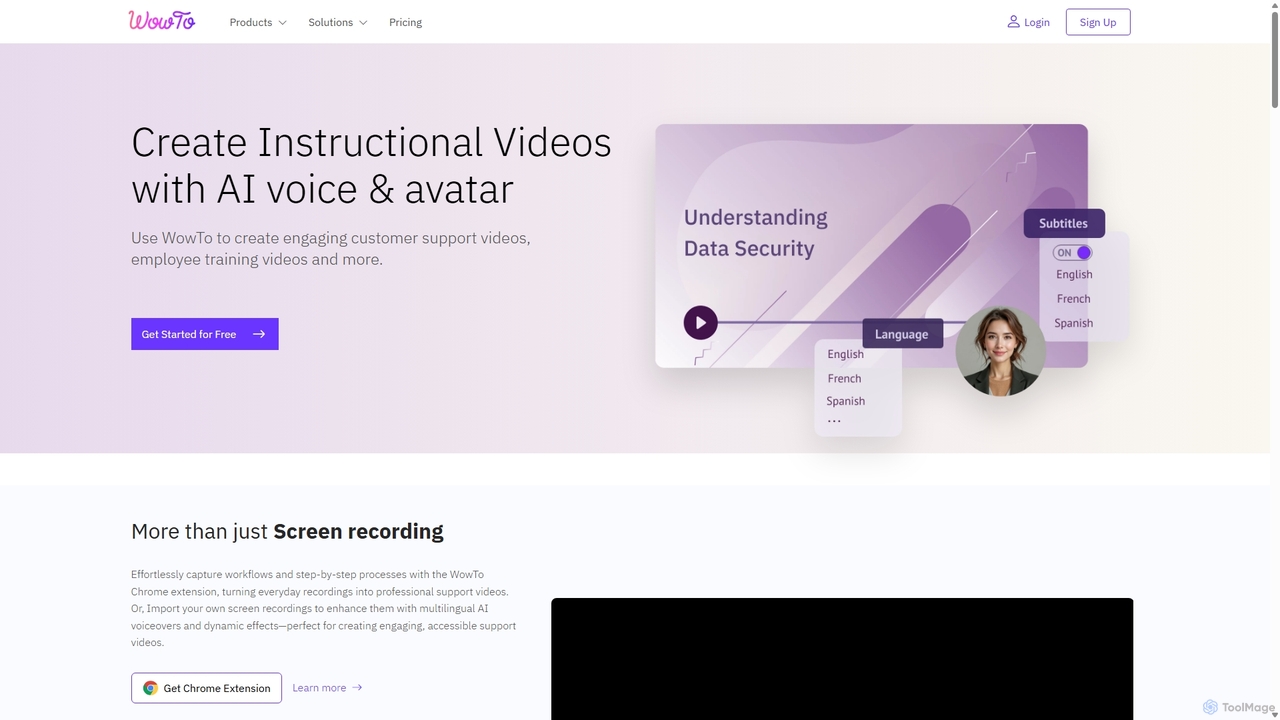
WowTo is an AI-powered platform designed to create professional how-to, support, and training videos in minutes. It transforms screen recordings, text, or existing presentations into engaging, multilingual videos with AI voiceovers, helping businesses reduce support tickets and improve user onboarding.

Help Desk
Visits 17.5KFavorites 117Likes 108
kapturecrm
Paid

kapturecrm

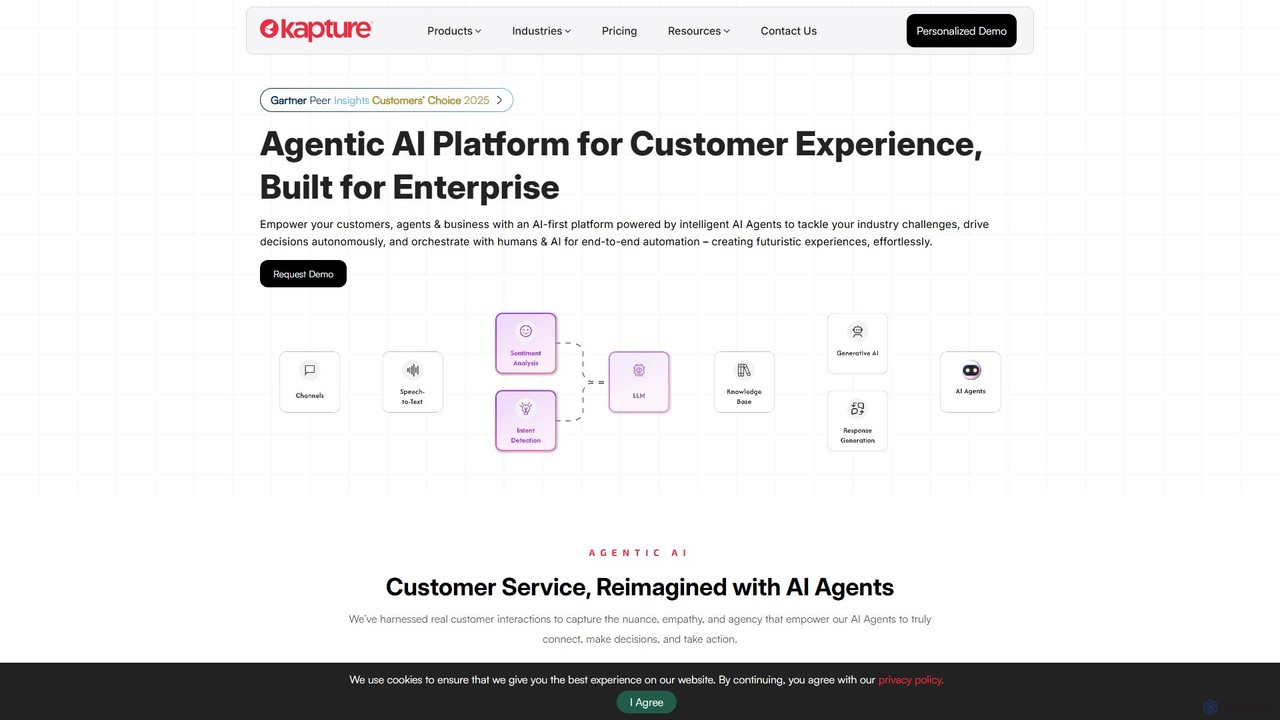
Kapture CX is an enterprise-grade, AI-first customer experience platform. It utilizes Agentic AI to automate interactions, empower support agents, and provide deep analytics across all channels. Designed for various industries, it offers a unified solution for self-service, agent assistance, and performance insights.

Crm
Visits 38.8KFavorites 126Likes 105
NewRA
Freemium

NewRA

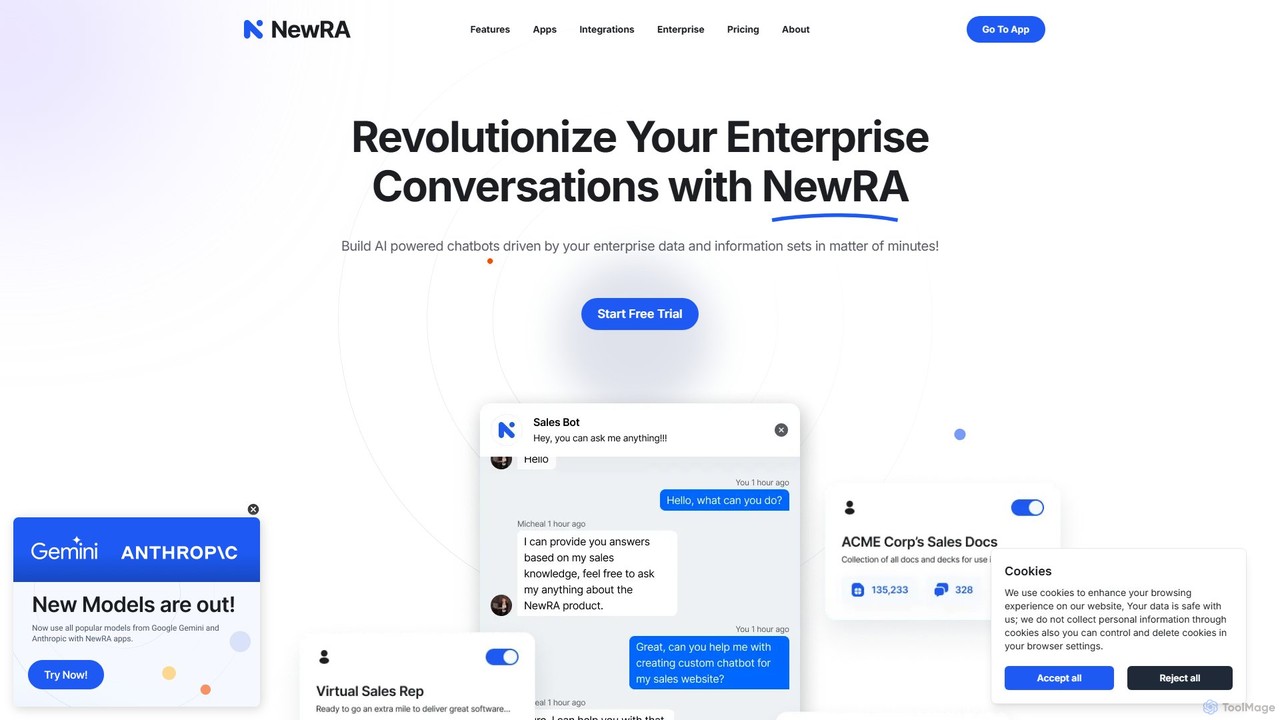
NewRA is a no-code, cloud-based RAG platform that enables businesses to build custom AI chatbots powered by their own enterprise data. In minutes, you can connect documents, websites, and cloud storage to create intelligent assistants for customer service, sales, and internal knowledge management, ensuring accurate, context-aware responses.

Help Desk
Visits 6.4KFavorites 140Likes 135
Whismer
Freemium

Whismer

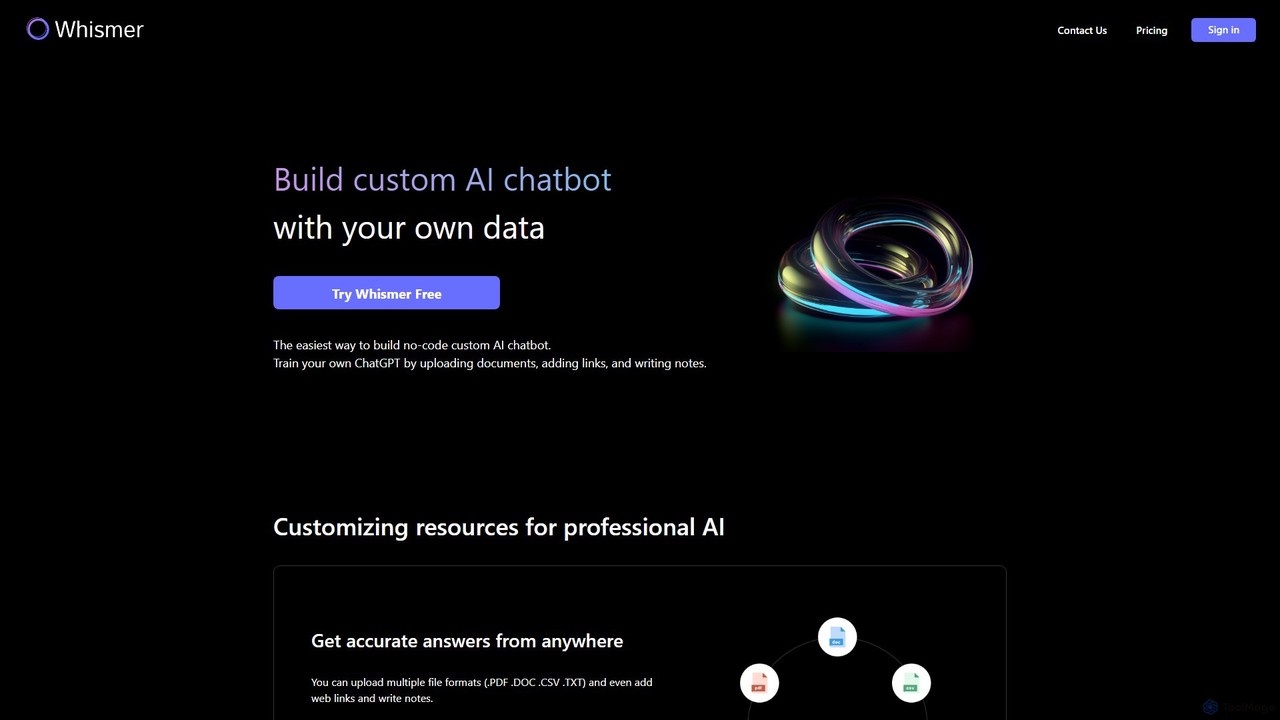
Whismer is a no-code platform that allows you to build and train custom AI chatbots using your own data. Easily upload documents, add web links, or write notes to create a specialized AI knowledge base for customer support, internal teams, or educational purposes.

Help Desk
Visits 6.5KFavorites 142Likes 148
Guide Gleam
Freemium

Guide Gleam

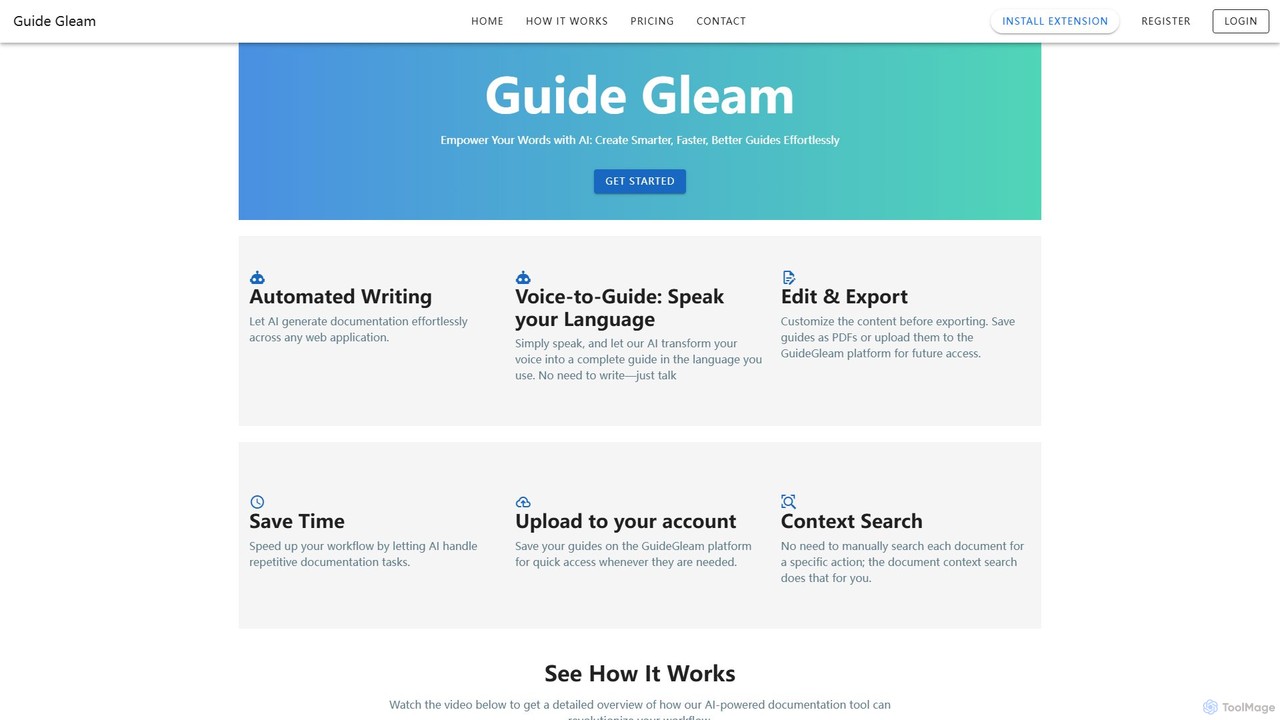
Guide Gleam is an AI-powered platform that automates the creation of step-by-step guides and documentation. It transforms user actions and voice commands into clear, editable, and shareable guides, complete with screenshots and text. This tool is designed to streamline workflows for technical writers, support teams, and trainers, significantly reducing the time spent on manual documentation.

Knowledge Management
Visits 6.4KFavorites 147Likes 129
Retrieve
Freemium

Retrieve

Retrieve is an AI-powered knowledge management and enterprise search platform. It unifies your company's scattered information from apps like Slack, Google Drive, and Confluence, allowing teams to ask natural language questions and get instant, accurate answers. Boost productivity and break down data silos with a single source of truth.

Enterprise Search
Visits 10.9KFavorites 144Likes 151
ClearFeed
Freemium

ClearFeed

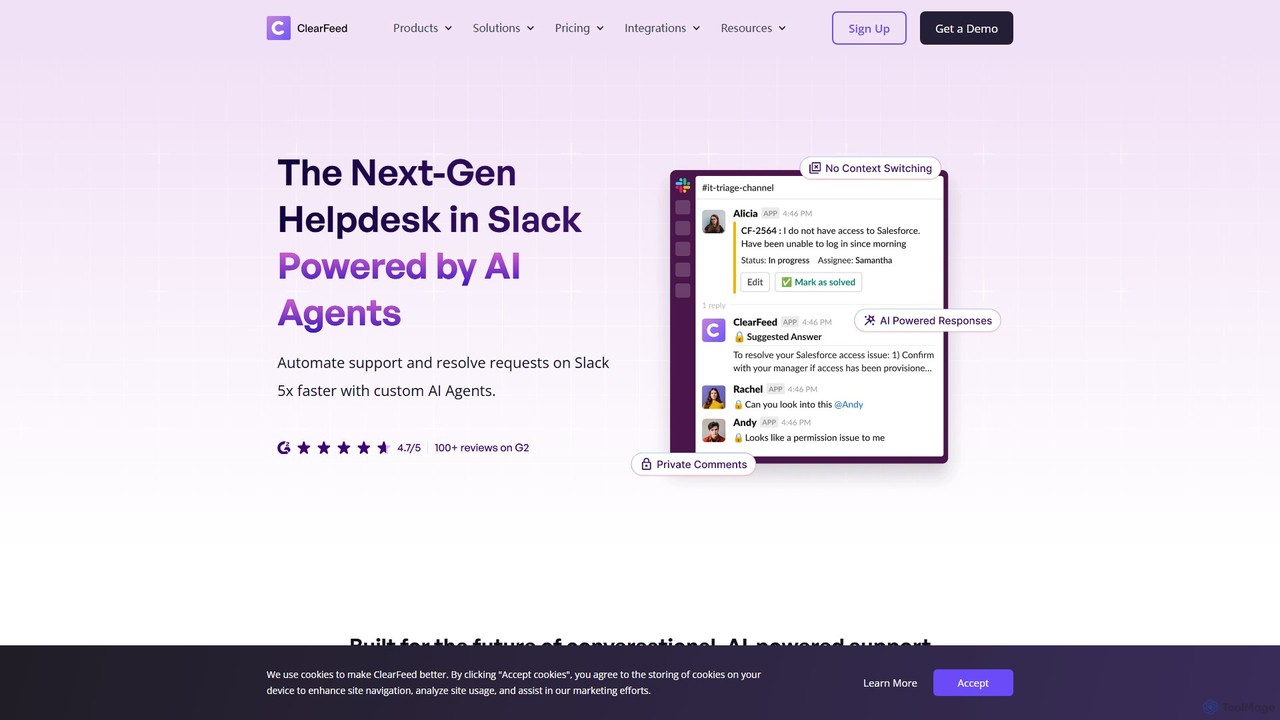
ClearFeed is an AI-powered conversational support platform designed to streamline customer and employee support directly within Slack and Microsoft Teams. It converts informal requests into trackable tickets, automates responses with GPT, and integrates seamlessly with major helpdesks like Zendesk, Jira, and Salesforce. This centralizes communication, improves response times, and provides key analytics to scale support operations efficiently.

Help Desk
Visits 32.2KFavorites 135Likes 145
Chipp
Freemium

Chipp

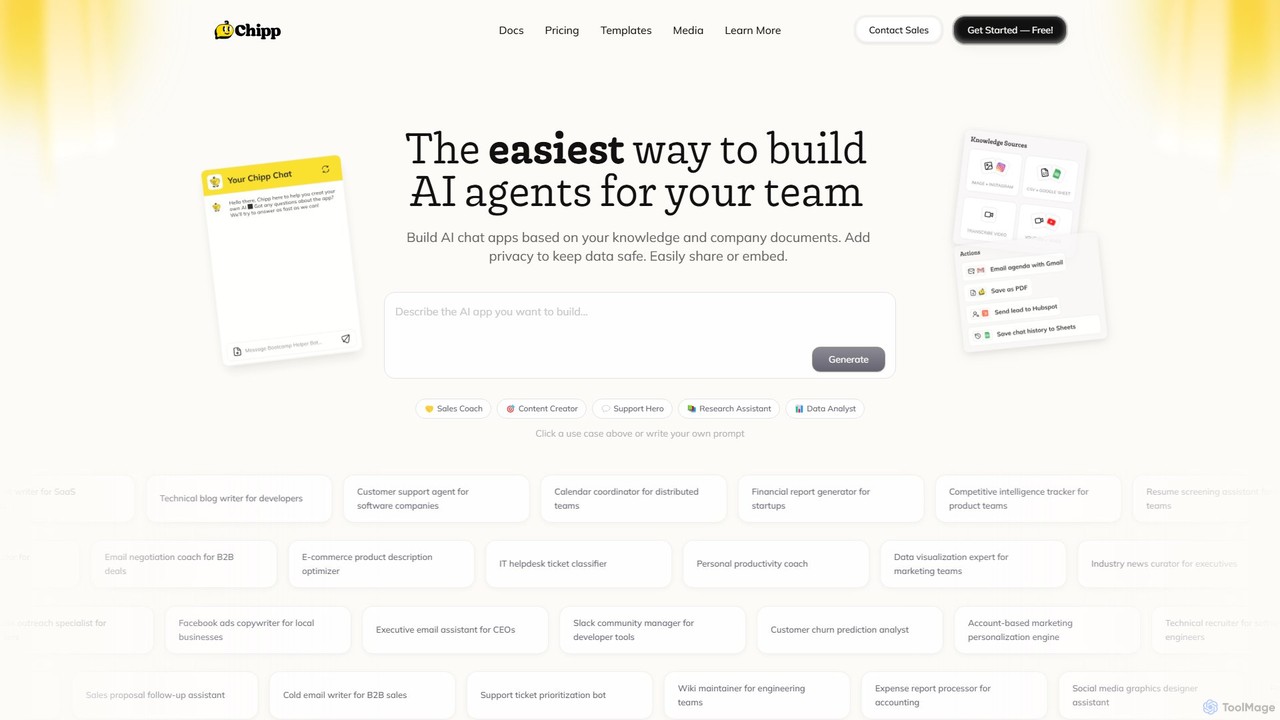
Chipp is a no-code platform that empowers teams and individuals to build, share, and monetize custom AI agents. Based on your own knowledge bases and company documents, you can create specialized chatbots for sales, customer support, data analysis, and more, with a strong focus on privacy and ease of use.

Help Desk
Visits 32KFavorites 140Likes 148
Richpanel
Paid

Richpanel

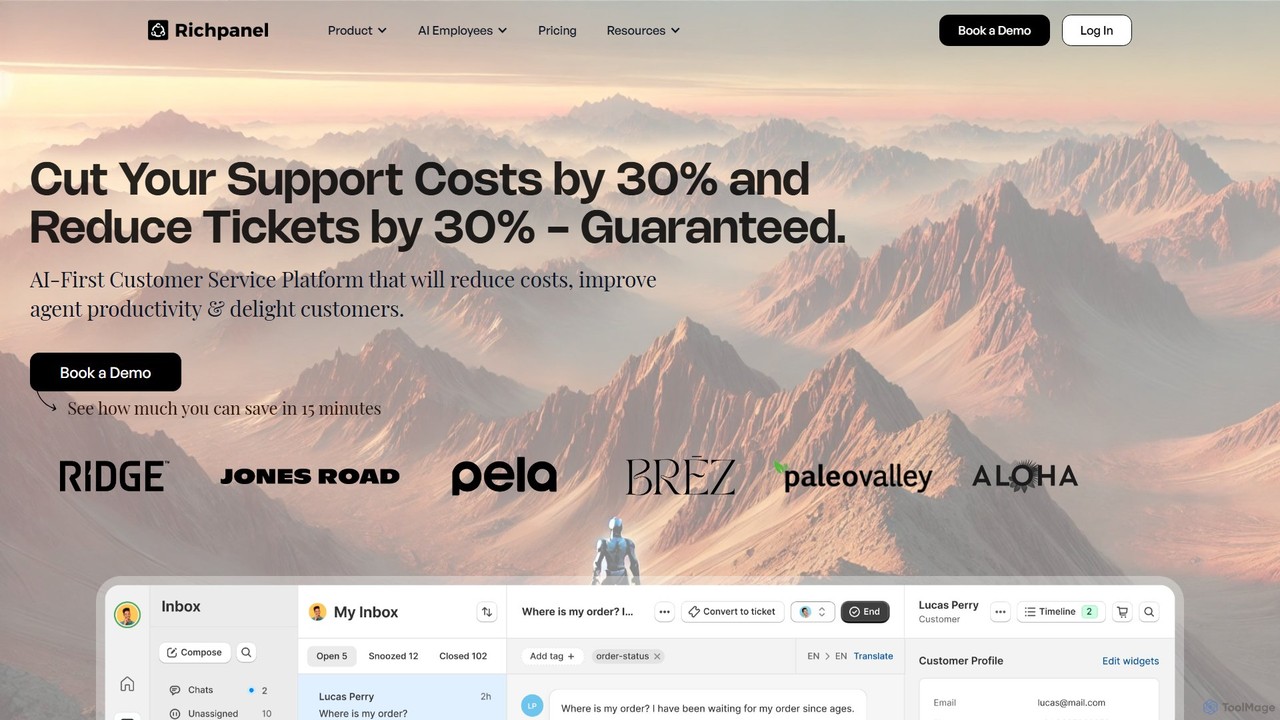
Richpanel is an AI-first customer service platform designed for e-commerce brands. It guarantees a 30% reduction in support costs and tickets by leveraging autonomous AI agents, a comprehensive self-service portal, and a unified inbox. It aims to enhance agent productivity, improve customer satisfaction (CSAT), and streamline support operations across all channels.

Help Desk
Visits 348.2KFavorites 144Likes 139
Unthread
Freemium

Unthread

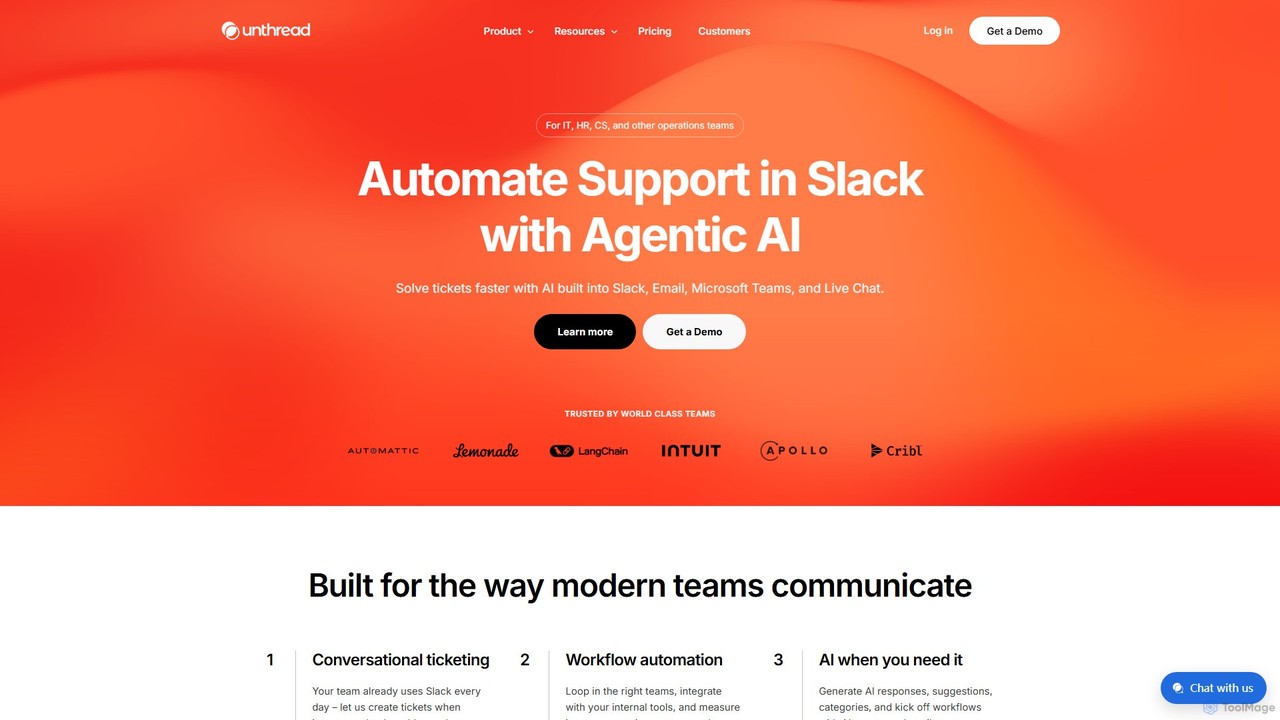
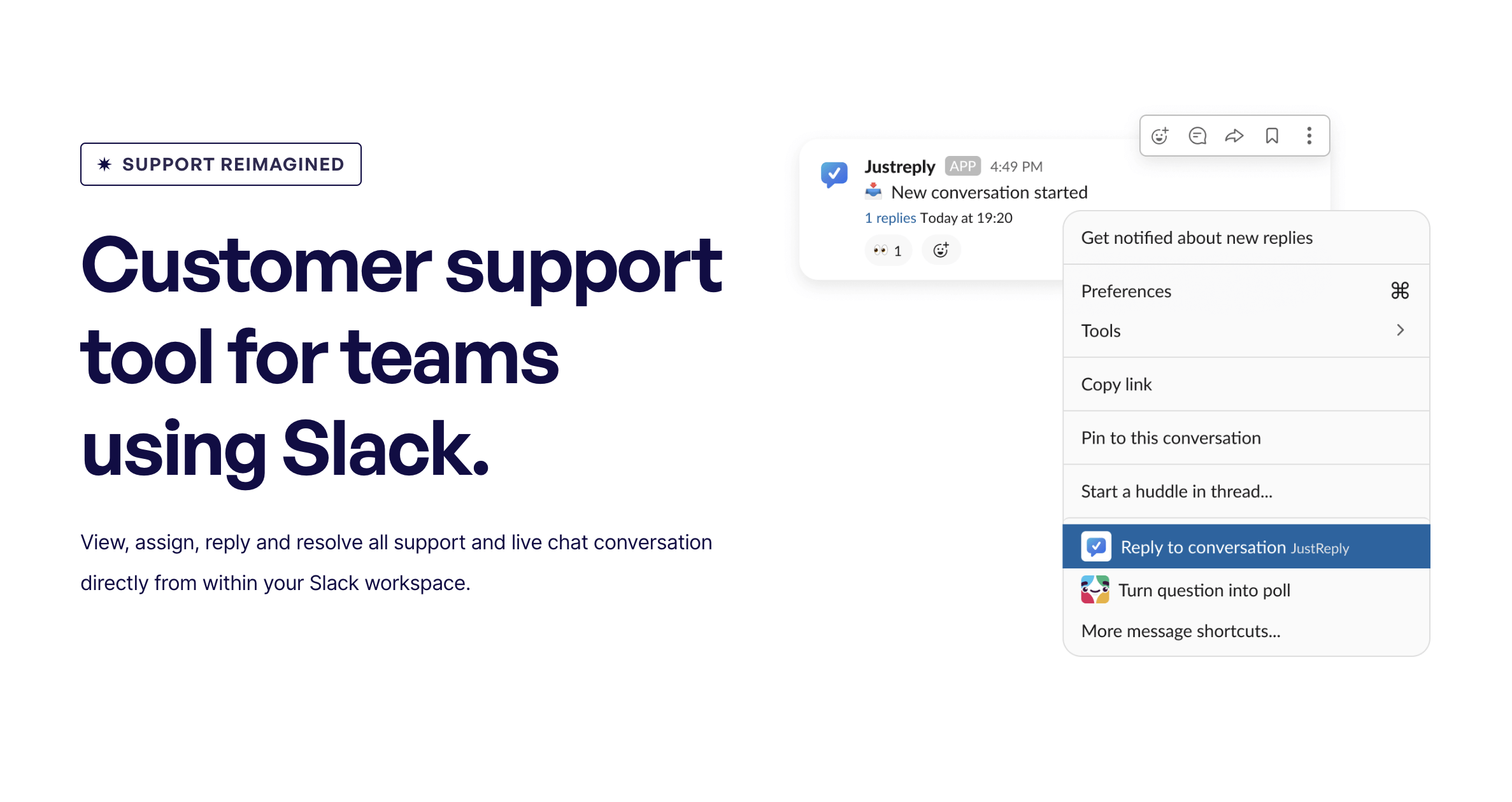
Unthread is an AI-powered support platform designed for modern teams using Slack, Microsoft Teams, and Email. It automates conversational ticketing, deflects common queries with AI agents, and provides a unified inbox to streamline workflows for IT, HR, and customer support teams, significantly improving response and resolution times.

Help Desk
Visits 28.2KFavorites 121Likes 119
TrainMyAI
Paid

TrainMyAI

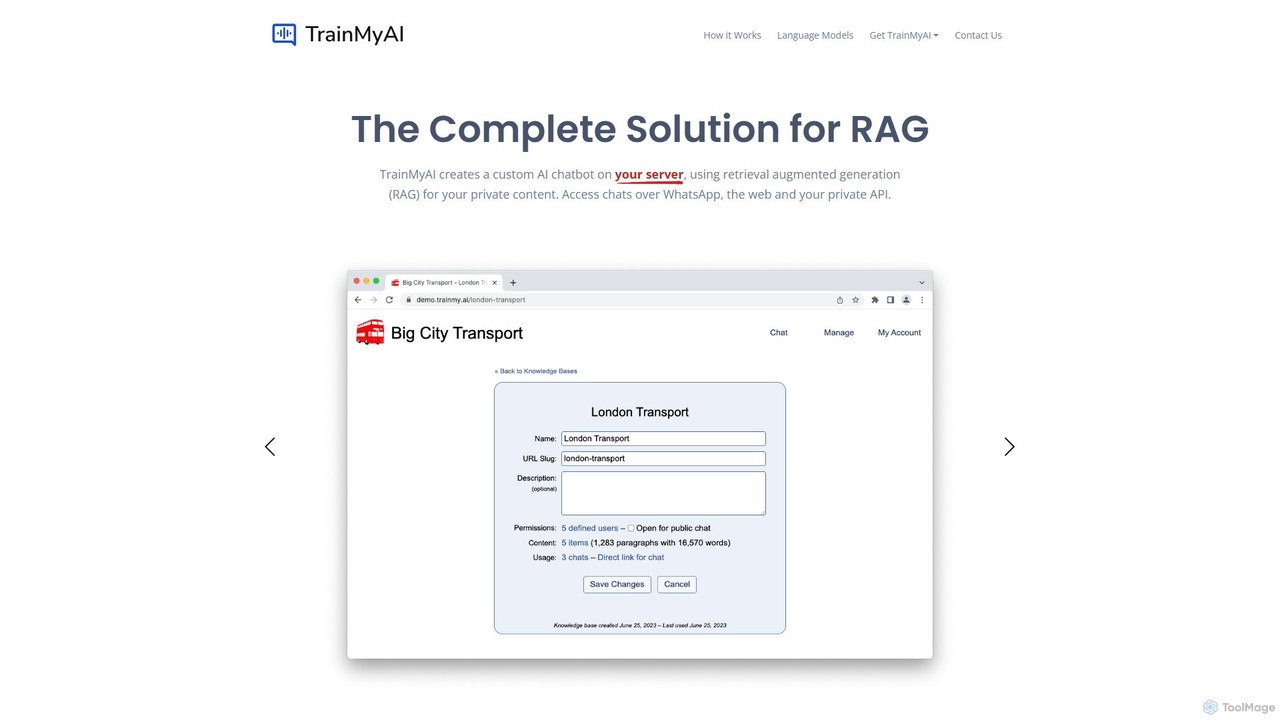
TrainMyAI is a complete, self-hosted solution for building Retrieval-Augmented Generation (RAG) AI chatbots. It allows you to create accurate, secure chatbots based on your own private data, preventing hallucinations and ensuring full control over your information. It's designed for enterprises needing customizable, trustworthy AI assistants for customer support, internal knowledge management, and more.

Help Desk
Visits 7KFavorites 159Likes 137
Word WandAI
Freemium

Word WandAI

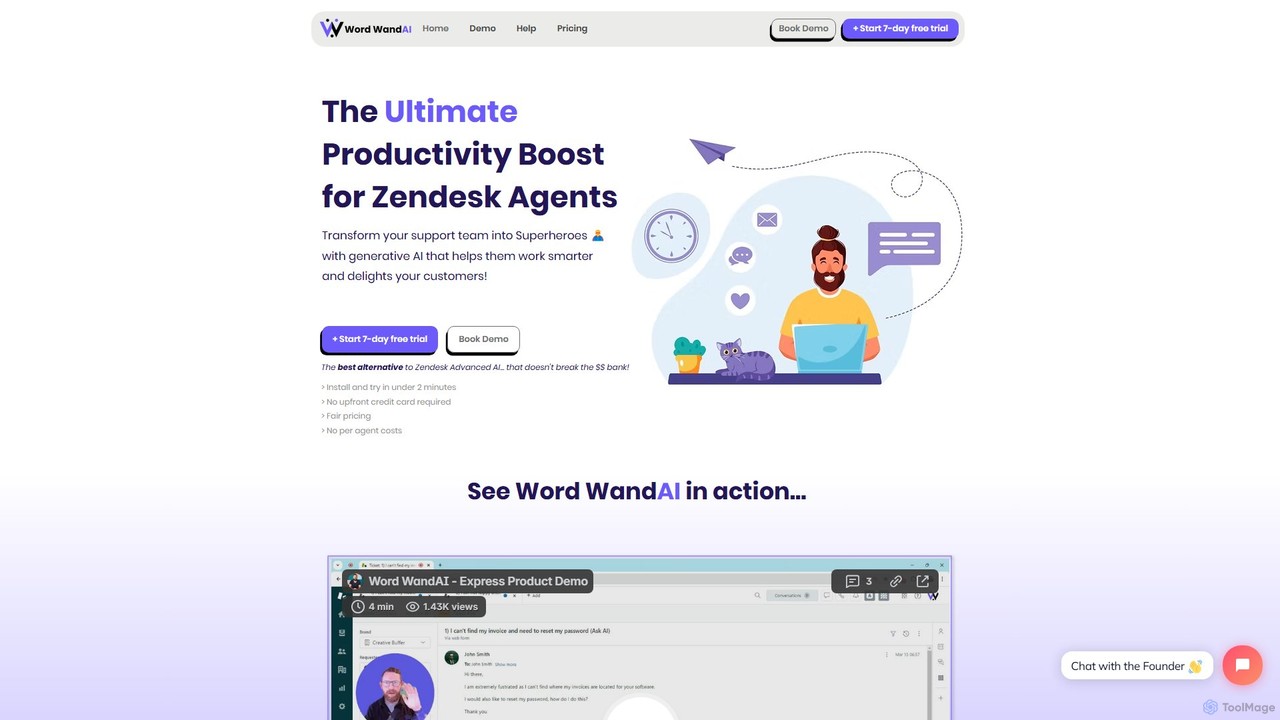
Word WandAI is a generative AI assistant for Zendesk, designed to supercharge support teams. It instantly drafts on-brand responses, summarizes tickets, translates conversations, and resolves up to 75% of tickets with a single click. It's a cost-effective alternative to Zendesk's native AI, boosting agent productivity and customer satisfaction without per-agent fees.

Assistant
Visits 8.2KFavorites 157Likes 169

About Help Desk

Help Desk tools are software platforms designed to centralize and manage customer support inquiries, commonly known as tickets. These systems streamline the entire support lifecycle, from ticket creation and assignment to tracking and resolution. By providing a unified interface for agents, they ensure no customer request is lost and that all interactions are documented. This structured approach helps support teams improve response times, enhance collaboration, and maintain high standards of customer service.

Core Features

  • Ticketing System: Converts customer requests from various channels (email, web forms, social media) into trackable tickets.
  • Knowledge Base Integration: Allows agents and customers to access a self-service repository of articles and FAQs to resolve common issues quickly.
  • Automation Workflows: Automatically routes tickets, sends notifications, and handles repetitive tasks based on predefined rules.
  • Reporting & Analytics: Tracks key metrics like response time, resolution rate, and agent performance to identify trends and areas for improvement.

Applicable Scenarios

Help Desk software is essential for any organization managing customer or internal support. It is widely used in IT departments for internal tech support, by e-commerce businesses for handling order inquiries and returns, and within SaaS companies to manage user questions and bug reports. The system provides a structured framework for any team that needs to resolve a high volume of requests efficiently.

Selection Criteria

When choosing a Help Desk tool, consider its scalability to grow with your team and ticket volume. Evaluate its integration capabilities with other business systems like CRM or chat platforms. Assess the user-friendliness of the agent interface and the power of its automation features. Finally, review the reporting tools to ensure they provide the insights needed to measure and improve your support operations.

Featured tool rankings

Help Desk use cases

1

Managing Internal IT Support Requests

An IT department in a medium-sized company uses a Help Desk tool to manage all technology-related requests from employees. When an employee faces an issue like a password reset, software installation, or hardware malfunction, they submit a ticket through a dedicated portal. The Help Desk software automatically categorizes the ticket based on the issue type and assigns it to the appropriate IT specialist. This system provides visibility into all open requests, prevents tasks from being overlooked, and allows the IT manager to track resolution times to ensure service level agreements (SLAs) are met.

2

Streamlining E-commerce Customer Service

An online retail store centralizes customer inquiries from email, a contact form on their website, and social media direct messages into a single Help Desk. When a customer asks about order status, initiates a return, or reports a damaged item, a ticket is automatically created. Support agents can view the customer's entire interaction history in one place. They use pre-written templates (macros) for common questions to respond faster. This consolidation prevents duplicate responses and ensures every customer receives a timely and consistent answer, improving overall satisfaction.

3

Managing SaaS Product Bug Reports and Feature Requests

A Software-as-a-Service (SaaS) company uses a Help Desk to handle technical support. When a user encounters a bug, they can submit a detailed report through a form integrated into the application. The Help Desk automatically tags the ticket as a 'Bug Report' and assigns it to the engineering queue. Similarly, when a user suggests a new feature, the ticket is tagged as a 'Feature Request' and routed to the product management team. This separation ensures that technical issues are addressed promptly by developers while product feedback is systematically collected and reviewed for future updates.

4

Building a Self-Service Support Portal

A company offering a complex product uses its Help Desk's knowledge base feature to build a comprehensive self-service portal. The support team identifies the most frequently asked questions from incoming tickets and creates detailed articles, tutorials, and video guides to answer them. These resources are organized into categories on the portal. When customers have a question, they are encouraged to search the knowledge base first. This deflects a significant number of common tickets, freeing up support agents to focus on more complex, high-priority issues that require direct intervention.

5

Automating Ticket Routing and Prioritization

A global logistics company's support team receives hundreds of emails daily. They use Help Desk automation rules to manage the influx. For example, emails containing keywords like 'urgent' or 'critical failure' are automatically assigned the highest priority and routed to a senior support tier. Inquiries from VIP clients, identified by their email domain, are instantly assigned to dedicated account managers. This automated triage ensures that critical issues are addressed immediately and important clients receive premium service, all without manual intervention from a support manager.

6

Tracking Support Team Performance with Analytics

A customer service manager uses the reporting and analytics dashboard within their Help Desk to monitor team performance. They track key metrics such as average first response time, overall resolution time, and customer satisfaction (CSAT) scores. By analyzing these metrics, the manager can identify top-performing agents who resolve tickets quickly and effectively, as well as agents who may need additional training. They also spot trends, such as a spike in tickets related to a specific product feature, allowing them to proactively create knowledge base articles or alert the product team.

Help Desk FAQ

What is a Help Desk tool?

A Help Desk tool is a software application that helps businesses manage, organize, and respond to customer and internal support requests. Its core function is a ticketing system, which converts each inquiry from channels like email, web forms, or phone calls into a unique, trackable ticket. This allows support teams to centralize communication, prioritize tasks, collaborate on solutions, and track the status of every issue until it is resolved, ensuring a structured and efficient support process.

How to choose the right Help Desk software?

Choosing the right Help Desk software involves evaluating several key factors based on your team's needs. Consider the following:

  • Ticketing Features: Ensure it effectively converts requests from all your support channels (email, social, chat) into tickets and allows for easy management.
  • Automation Capabilities: Look for features that can automate repetitive tasks like ticket routing, prioritization, and sending canned responses.
  • Integrations: Check if it integrates with your existing tools, such as CRM, project management software, or communication platforms like Slack.
  • Reporting and Analytics: The software should provide actionable insights into team performance, customer satisfaction, and common issues.
  • Scalability: Choose a solution that can grow with your business, both in terms of agent seats and feature complexity.
What's the difference between a Help Desk and a CRM?

The primary difference lies in their core purpose. A Help Desk is focused on customer service and support, specifically managing and resolving issues after a sale or interaction. Its main goal is problem resolution and customer satisfaction. A CRM (Customer Relationship Management) system has a broader scope, managing the entire customer lifecycle, including sales, marketing, and contact information. While a CRM tracks customer interactions to build relationships and drive sales, a Help Desk tracks issues to solve them efficiently. Many businesses integrate both tools for a complete view of the customer.

What are the key features of a modern AI-powered Help Desk?

Modern AI-powered Help Desks go beyond basic ticketing. Key features include:

  • AI-Powered Ticket Categorization: AI automatically analyzes incoming tickets and suggests or applies relevant tags, priorities, and assignments, saving agents time.
  • Smart Response Suggestions: The system suggests relevant knowledge base articles or saved replies to agents as they type, speeding up response times.
  • Sentiment Analysis: AI can detect the emotional tone of a customer's message (e.g., frustrated, happy), helping agents prioritize urgent or sensitive cases.
  • Chatbot Integration: AI-powered chatbots can handle common, repetitive queries on their own, deflecting tickets and freeing up human agents for more complex issues.
Who benefits most from using a Help Desk?

Virtually any organization that provides support can benefit from a Help Desk. Key beneficiaries include:

  • Customer Support Teams: They can manage high volumes of inquiries from multiple channels in one organized place, improving efficiency and customer satisfaction.
  • IT Departments: They use it to track internal support requests for hardware, software, and network issues, ensuring employee issues are resolved systematically.
  • SaaS Companies: They rely on it to manage user questions, bug reports, and feature requests, creating a direct line between users and product/engineering teams.
  • Small Businesses: Even small teams can use a Help Desk to professionalize their support process, moving beyond a shared email inbox to provide more structured and reliable service.