Communication Best in category 8 results Team Collaboration AI Tool

Popular AI tools in the Team Collaboration field of Communication include Superhuman、Missive、Howsthisgoing、Spikenow、JotMe、Spoke.ai、Cuely、Truffle, etc., helping you quickly improve efficiency.

Howsthisgoing

Howsthisgoing

Howsthisgoing is an AI-powered project manager for Slack that automates team standups and status updates. It integrates with …

293.9K
Truffle

Truffle

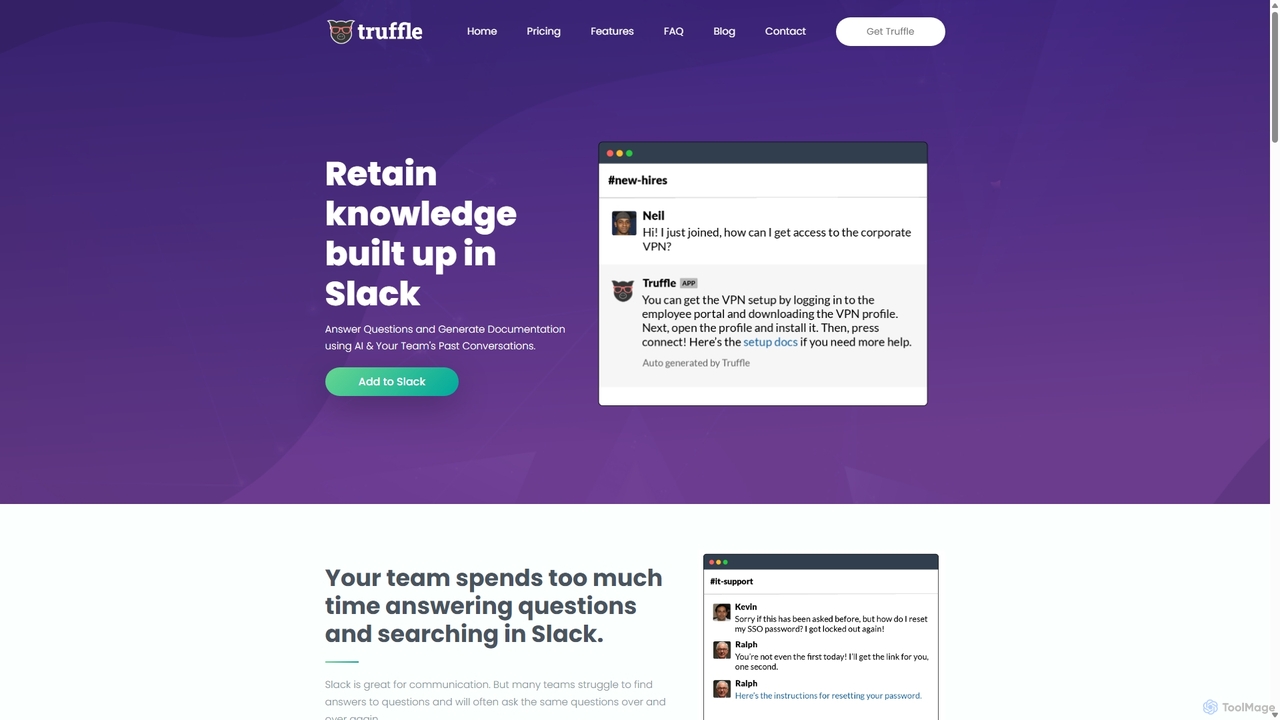
Truffle is an AI-powered Slack bot that automatically builds a knowledge base from your team's past conversations. It …

3.0K
Superhuman

Superhuman

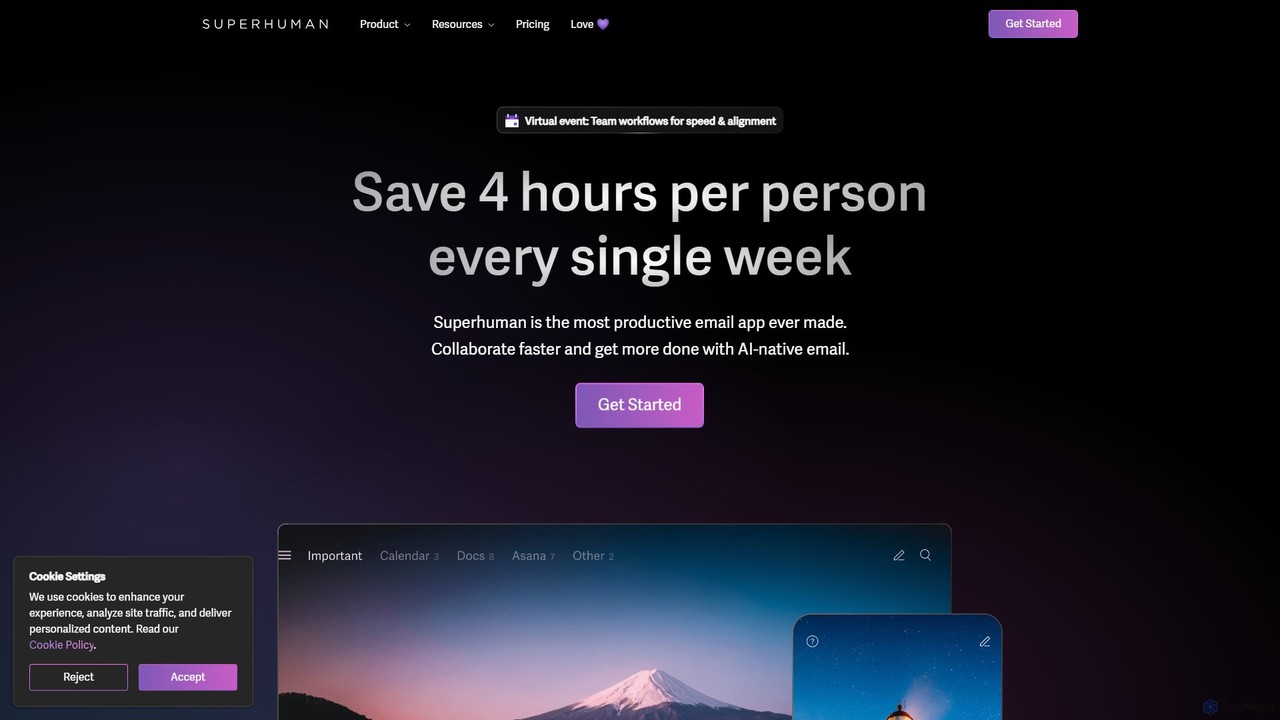
Superhuman is an AI-native email client designed for speed and productivity. It helps high-performing teams and individuals save …

3.2M
Cuely

Cuely

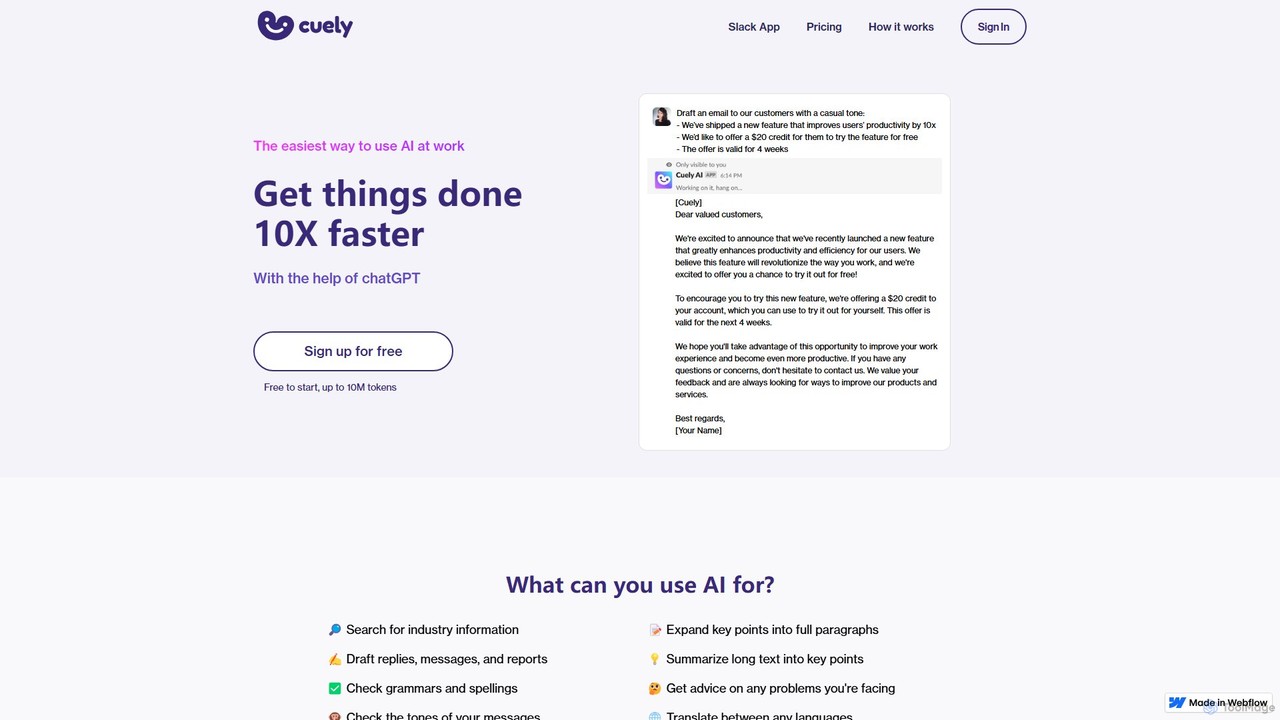
Cuely is an AI assistant seamlessly integrated into Slack, designed to enhance workplace productivity. It helps teams draft …

3.5K
Missive

Missive

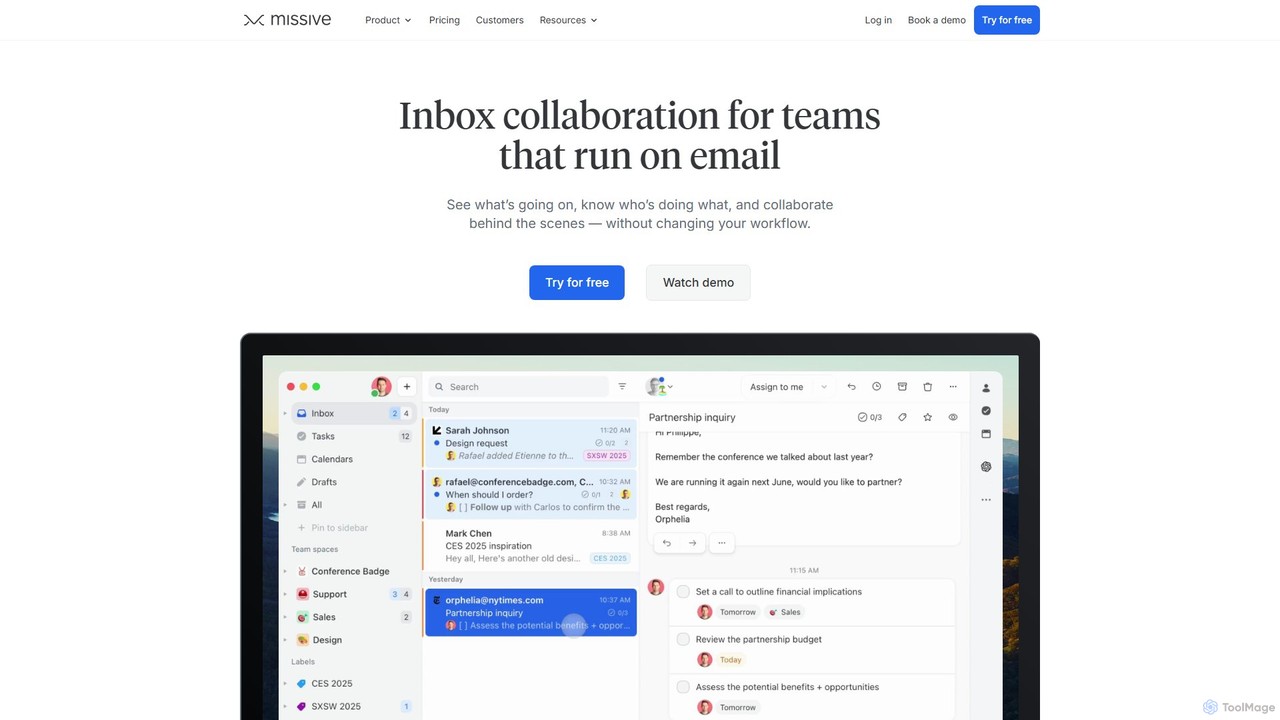
Missive is a collaborative inbox and team communication tool that unifies email, chat, social media, and tasks into …

534.3K
JotMe

JotMe

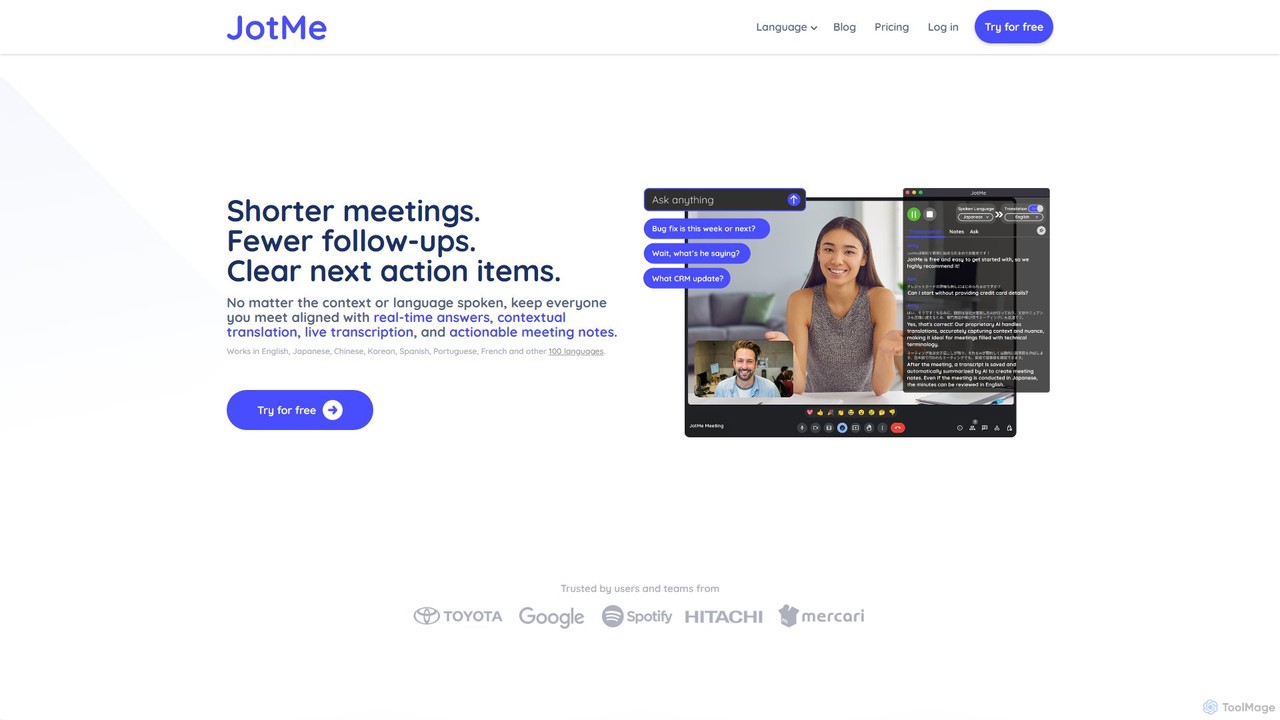
JotMe is a real-time AI meeting assistant designed to make meetings shorter and more effective. It provides live, …

130.1K
Spikenow

Spikenow

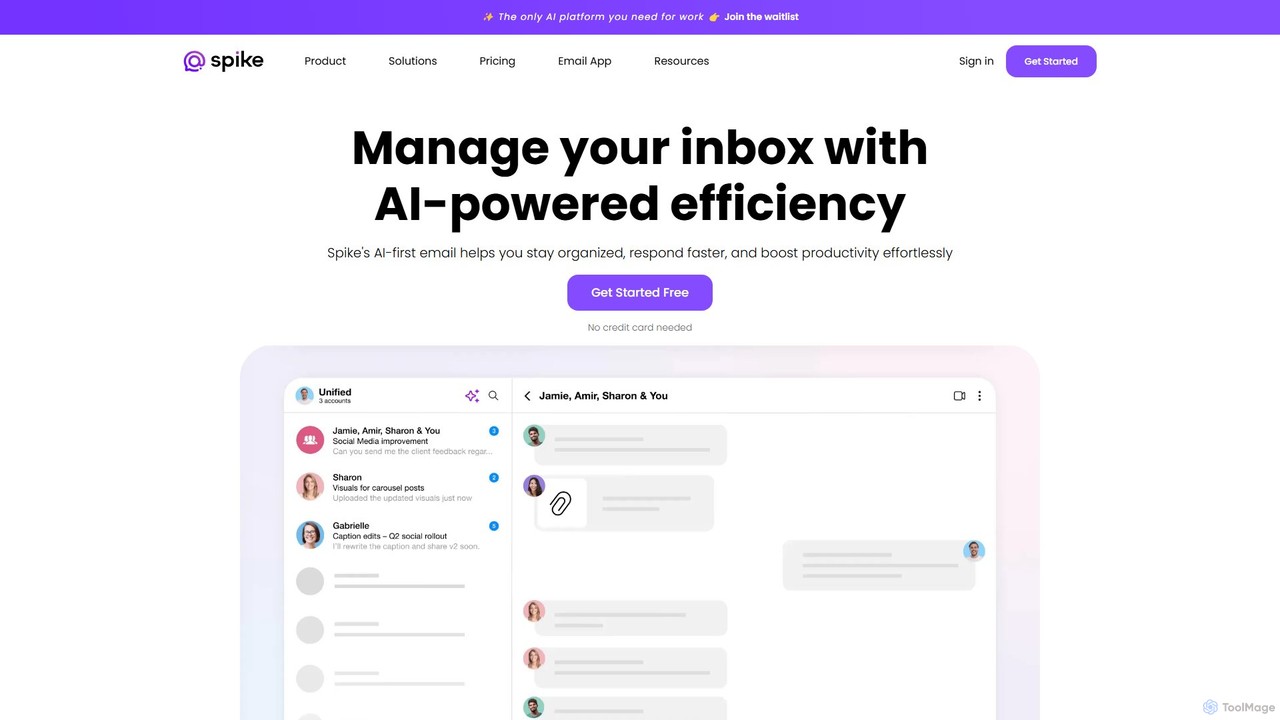
Spikenow is an AI-powered communication and collaboration platform that transforms your email into a dynamic, chat-like conversational feed. …

210.6K
Spoke.ai

Spoke.ai

Spoke.ai is an AI-powered communication assistant that transforms team conversations into actionable intelligence. It integrates with platforms like …

6.1K

About Team Collaboration

AI-powered Team Collaboration tools are designed to streamline and enhance how groups work together, forming a vital part of the broader Communication category. These platforms leverage artificial intelligence to facilitate seamless information exchange, project management, and decision-making, moving beyond simple messaging to offer intelligent assistance. They aim to boost collective productivity and foster a more connected and efficient work environment.

Core Features

  • Intelligent Task Management: AI-driven assignment, prioritization, and progress tracking for team projects.
  • Automated Meeting Summaries: AI transcribes and summarizes discussions, highlighting key decisions and action items.
  • Smart Document Collaboration: AI assists in co-editing, version control, and suggesting relevant content or insights.
  • Predictive Analytics for Team Performance: AI identifies bottlenecks, predicts project delays, and suggests resource allocation.
  • Personalized Communication Channels: AI routes messages and notifications based on user roles, urgency, and project context.

Use Cases

Teams in software development, marketing, or creative agencies use these tools to manage complex projects, track individual contributions, and ensure alignment across multiple stakeholders. They facilitate agile sprints, content review cycles, and campaign launches by centralizing communication and tasks.

How to Choose

When selecting a Team Collaboration AI tool, consider its integration capabilities with existing workflows (e.g., CRM, project management software), the level of AI automation offered (e.g., basic summaries vs. predictive insights), scalability for team growth, and data security protocols. Evaluate user interface intuitiveness and the availability of customizability options to fit specific team needs.

Team CollaborationUse Cases

1

Streamlining Project Workflows

Project managers use AI collaboration tools to automate task assignments, monitor progress, and identify potential roadblocks in real-time. This ensures projects stay on track, resources are optimally utilized, and team members receive timely updates without manual oversight, significantly boosting efficiency in complex projects.

2

Enhancing Remote Meeting Productivity

Distributed teams leverage AI to transcribe virtual meetings, generate concise summaries of discussions, and automatically extract action items. This saves time on note-taking, ensures everyone is aligned on decisions, and provides a searchable record for future reference, making remote collaboration more effective.

3

Facilitating Cross-Functional Document Creation

Marketing and design teams collaborate on campaigns by using AI tools for co-editing documents, managing version control, and receiving AI-driven suggestions for content improvement. This accelerates content creation, ensures brand consistency across all materials, and reduces review cycles, leading to faster campaign launches.

4

Optimizing Team Communication Channels

Large organizations utilize AI to intelligently route internal communications, prioritize urgent messages, and filter out noise. This ensures critical information reaches the right team members promptly, reducing communication overload and improving response times across departments, fostering a more focused environment.

5

Accelerating Onboarding and Knowledge Sharing

HR departments and team leads deploy AI collaboration platforms to centralize knowledge bases, automate FAQ responses for new hires, and facilitate peer-to-peer learning. This speeds up onboarding processes, ensures consistent access to company information, and reduces the burden on experienced team members, fostering a self-sufficient learning culture.

6

Improving Decision-Making with Data Insights

Leadership teams use AI collaboration tools to analyze team interactions, project data, and communication patterns to gain insights into team dynamics and potential areas for improvement. This supports data-driven decision-making for resource allocation, strategic planning, and identifying training needs, leading to more effective organizational growth.

Team CollaborationFrequently Asked Questions