ToolMage
Sign in

Best 5 Sales Automation AI tools for Crm

Popular Sales Automation AI tools in Crm include Salesforce, Salesmate, ChatSpot, and Callsavvy, helping you work more efficiently.

Callsavvy
Freemium

Callsavvy

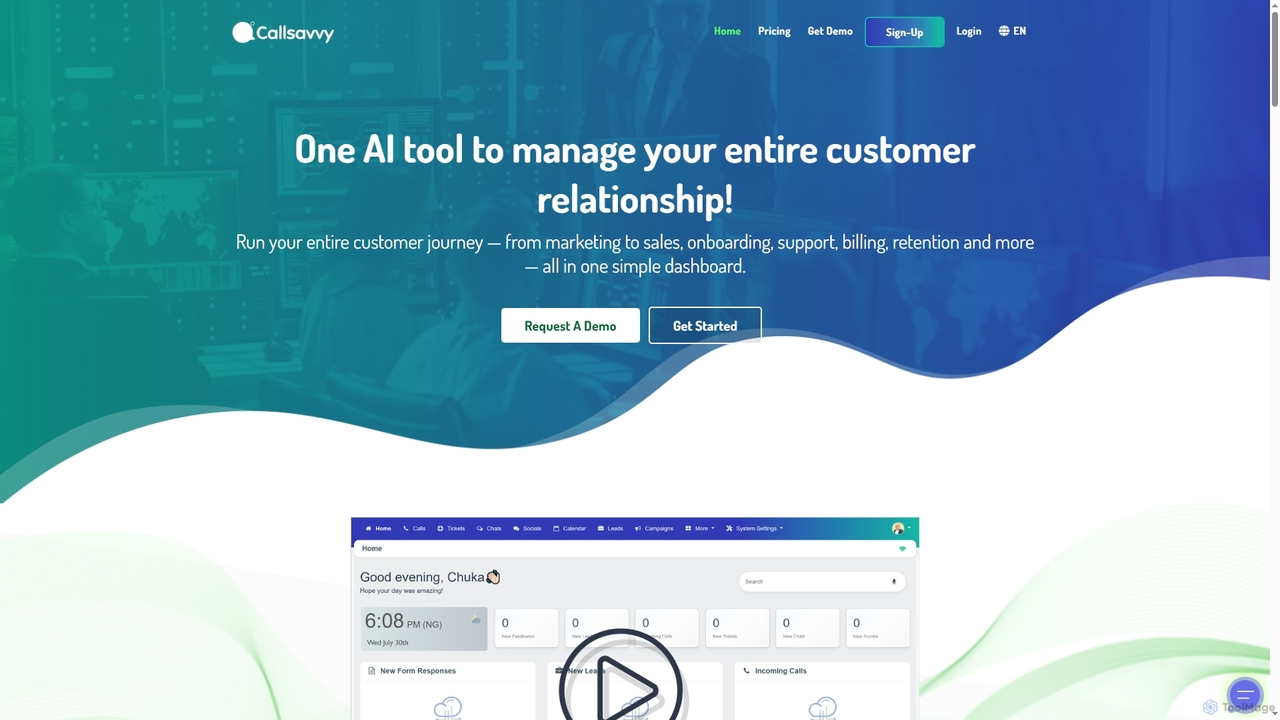
Callsavvy is an AI-powered omnichannel customer engagement platform that unifies CRM, communication, automation, and analytics into a single workspace. It streamlines customer interactions across various channels, automates tasks with intelligent AI, and provides real-time insights to enhance customer experience, boost team productivity, and significantly reduce operational costs.

Sales Automation
Visits 5.7KFavorites 59Likes 56
Salesforce
Freemium

Salesforce

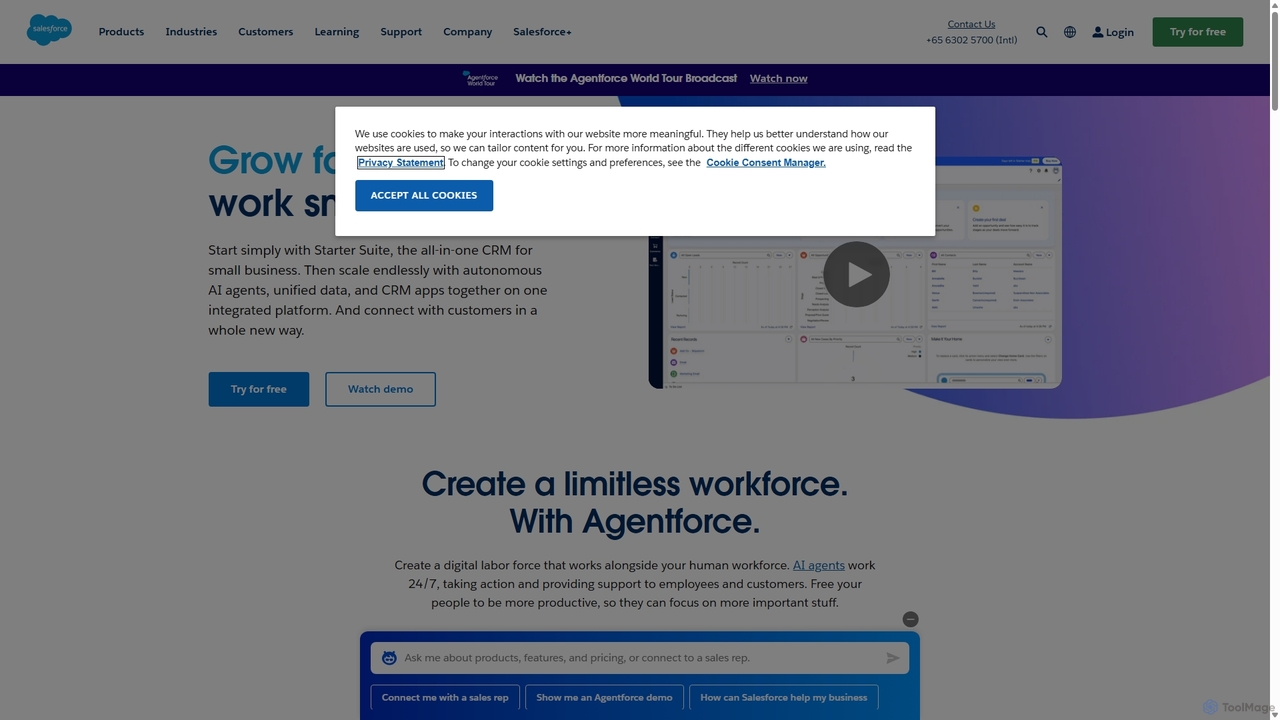
Salesforce is the world's #1 AI-powered Customer Relationship Management (CRM) platform. It helps businesses of all sizes connect with their customers in a whole new way by unifying sales, service, marketing, commerce, and IT on a single, shared platform called Customer 360. With integrated AI like Einstein and Agentforce, it provides intelligent insights and automation to drive efficiency and growth.

Sales Automation
Visits 76.7MFavorites 125Likes 119
ChatSpot
Freemium

ChatSpot

ChatSpot, now integrated into HubSpot as Breeze Copilot, is a free, conversational AI assistant designed to enhance productivity for sales, marketing, and service teams. By leveraging your CRM data, it provides personalized assistance for tasks like content creation, lead research, data summarization, and workflow automation, all within the HubSpot ecosystem.

Sales Automation
Visits 8.2KFavorites 125Likes 108
Salesforce
Freemium

Salesforce

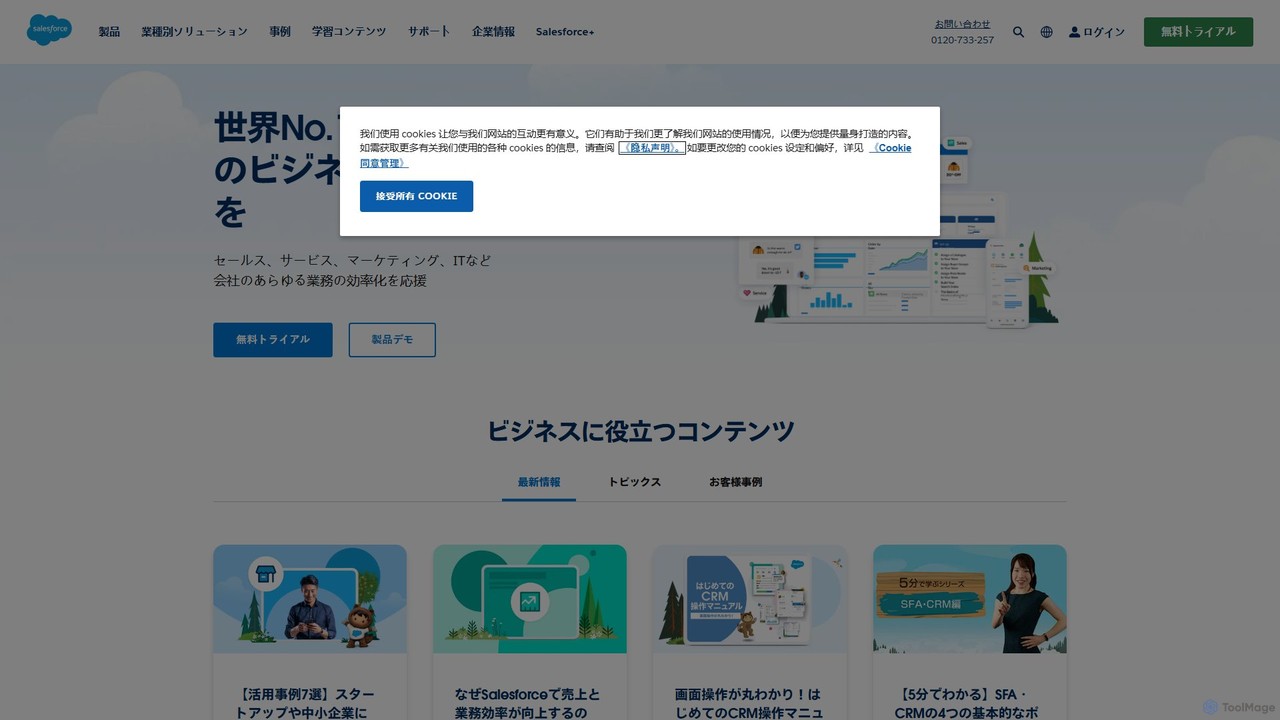
Salesforce is the world's #1 Customer Relationship Management (CRM) platform, enhanced with Einstein AI to help businesses of all sizes connect with their customers in a smarter way. It provides integrated solutions for sales, service, marketing, commerce, and IT, using AI to automate tasks, predict outcomes, and deliver personalized experiences.

Business Intelligence
Visits 101.1MFavorites 158Likes 131
Salesmate
Freemium

Salesmate

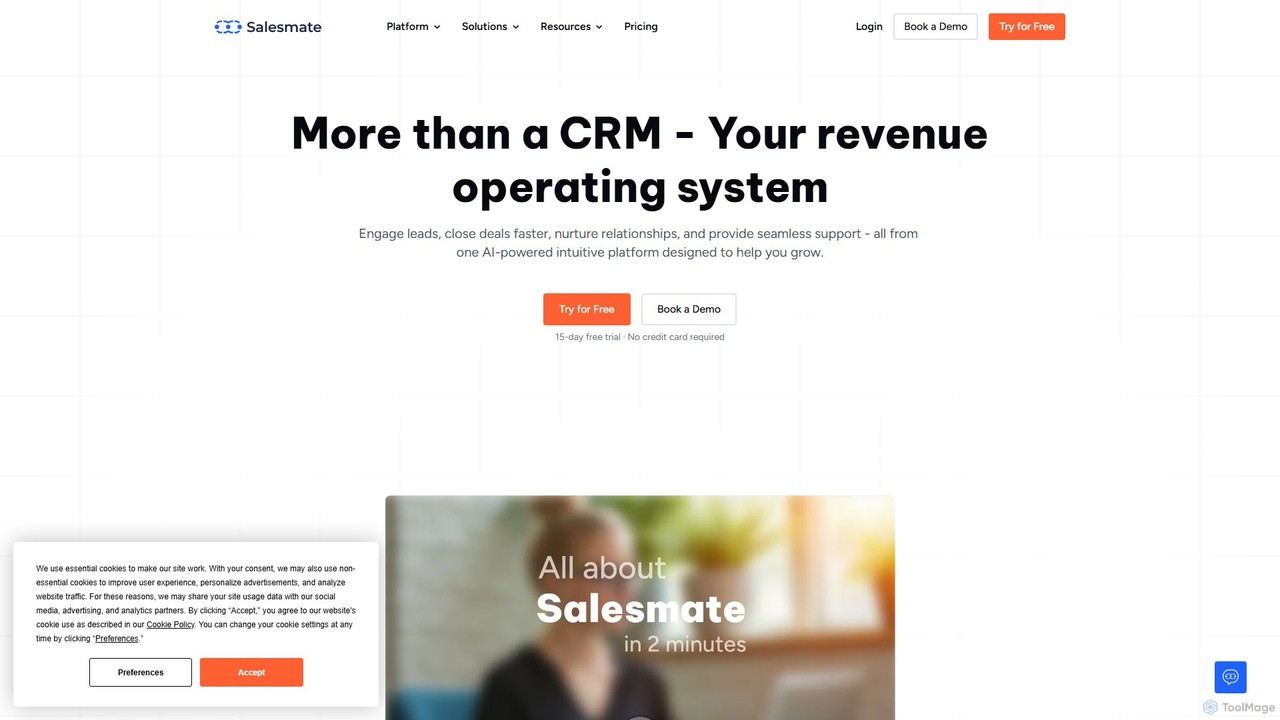
Salesmate is an AI-powered CRM platform designed to unify sales, marketing, and customer support. It helps businesses engage leads, automate workflows, close deals faster, and build lasting customer relationships through a single, intuitive interface. Ideal for teams of all sizes seeking to accelerate revenue growth.

Sales Automation
Visits 124.4KFavorites 126Likes 134

About Sales Automation

Sales Automation tools leverage AI to streamline and optimize various stages of the sales process, from lead generation to post-sale follow-up. These platforms integrate with CRM systems to automate repetitive tasks, enhance lead qualification, and personalize customer interactions. By reducing manual effort, Sales Automation empowers sales teams to focus on high-value activities, accelerate deal cycles, and improve overall revenue generation. This technology is crucial for businesses aiming to scale their sales operations efficiently within a competitive market.

Core Features

  • Lead Scoring & Prioritization: Automatically assesses lead quality based on predefined criteria and behavioral data, prioritizing high-potential prospects.
  • Automated Outreach: Schedules and sends personalized emails, messages, and follow-ups to leads and customers at optimal times.
  • Deal Progression Tracking: Monitors sales pipeline stages, identifies bottlenecks, and suggests next best actions for sales representatives.
  • Proposal Generation: Dynamically creates customized sales proposals and contracts, reducing manual document preparation time.
  • Meeting Scheduling Automation: Integrates with calendars to allow prospects to book meetings directly, eliminating back-and-forth communication.

Applicable Scenarios

Sales Automation is vital for businesses across various sectors, especially those with high sales volumes or complex sales cycles. It benefits B2B companies managing extensive lead databases, e-commerce businesses seeking to personalize customer journeys, and SaaS providers aiming to streamline onboarding and retention. Sales teams can leverage these tools to manage territories, track performance, and ensure consistent communication standards.

How to Choose

When selecting a Sales Automation tool, consider its integration capabilities with your existing CRM and marketing platforms. Evaluate the breadth of automation features, such as lead nurturing, proposal generation, and reporting. Assess the scalability to accommodate future growth and the level of customization offered to align with unique sales processes. Finally, review user-friendliness and the quality of customer support.

Sales Automation use cases

1

Automating Lead Nurturing Campaigns

Sales and marketing teams use Sales Automation tools to set up drip campaigns. Based on lead behavior (e.g., website visits, content downloads), the system automatically sends personalized emails, resources, and follow-ups, keeping prospects engaged until they are sales-ready. This ensures consistent communication without manual intervention, significantly reducing the time spent on initial lead qualification.

2

Streamlining Sales Proposal Generation

Sales representatives can leverage AI-powered Sales Automation to quickly generate customized proposals. By inputting client-specific details and product configurations, the tool automatically populates templates, calculates pricing, and ensures brand consistency. This drastically cuts down the time spent on administrative tasks, allowing reps to focus more on client relationships and closing deals.

3

Optimizing Meeting Scheduling and Follow-ups

Business development professionals utilize Sales Automation to simplify the meeting booking process. Prospects can view real-time availability and schedule meetings directly, eliminating email chains. Post-meeting, the system can automatically send thank-you notes, relevant resources, and schedule follow-up tasks for the sales team, ensuring no opportunity is missed.

4

Enhancing Lead Scoring and Prioritization

Sales managers employ Sales Automation to automatically score and prioritize incoming leads. The system analyzes data points like company size, industry, engagement history, and budget indicators to assign a score. This allows sales reps to focus their efforts on the most promising leads, improving conversion rates and sales efficiency.

5

Personalizing Customer Onboarding and Upselling

Post-sales teams use automation to guide new customers through onboarding sequences. Personalized emails, tutorials, and check-ins are triggered based on usage milestones. The system can also identify opportunities for upselling or cross-selling by analyzing customer product usage and suggesting relevant additional services, enhancing customer lifetime value.

6

Automating Sales Reporting and Performance Analysis

Sales operations teams deploy Sales Automation to generate comprehensive reports on sales activities, pipeline health, and individual rep performance. The tools automatically collect data from various sources, visualize trends, and highlight areas for improvement. This provides actionable insights for strategic decision-making without manual data aggregation.

Sales Automation FAQ

What is Sales Automation?

Sales Automation refers to the use of software and AI tools to automate repetitive, manual tasks in the sales process. It aims to streamline workflows, improve efficiency, and free up sales professionals to focus on strategic activities like relationship building and closing deals. Key functions include automated lead nurturing, proposal generation, and meeting scheduling.

How does Sales Automation differ from CRM?

While closely related, Sales Automation focuses specifically on automating sales tasks, such as lead scoring, email sequences, and proposal creation. CRM (Customer Relationship Management) is a broader system for managing all customer interactions and data across sales, marketing, and service. Sales Automation tools often integrate with CRM platforms to enhance their sales-specific capabilities, acting as a specialized layer within the larger CRM ecosystem.

What are the key benefits of implementing Sales Automation?

Implementing Sales Automation offers several significant benefits. It dramatically increases sales team efficiency by automating routine tasks, leading to more time for selling. It improves lead quality and conversion rates through consistent, personalized follow-ups and better lead prioritization. Additionally, it provides deeper insights into sales performance, reduces human error, and ensures a more consistent customer experience across the sales journey.

What core features should I look for in a Sales Automation tool?

When evaluating Sales Automation tools, prioritize features like advanced lead scoring and routing, automated email and communication sequences, and robust pipeline management. Look for capabilities such as dynamic proposal generation, integrated meeting scheduling, and comprehensive analytics and reporting. Seamless integration with your existing CRM and other business tools is also crucial for a unified workflow.

Who typically uses Sales Automation tools?

Sales Automation tools are primarily used by sales teams, including sales representatives, sales managers, and sales operations professionals. Business development representatives (BDRs) and account executives (AEs) leverage them for prospecting and nurturing. Marketing teams also use them for lead handoff and alignment. Essentially, any role involved in driving revenue through sales processes can benefit from these tools to enhance productivity and effectiveness.