ToolMage
Sign in

Best 4 Lead Management AI tools for Crm

Popular Lead Management AI tools in Crm include Gro, epique, Edward.ai, and Airstitch, helping you work more efficiently.

Gro
Freemium

Gro

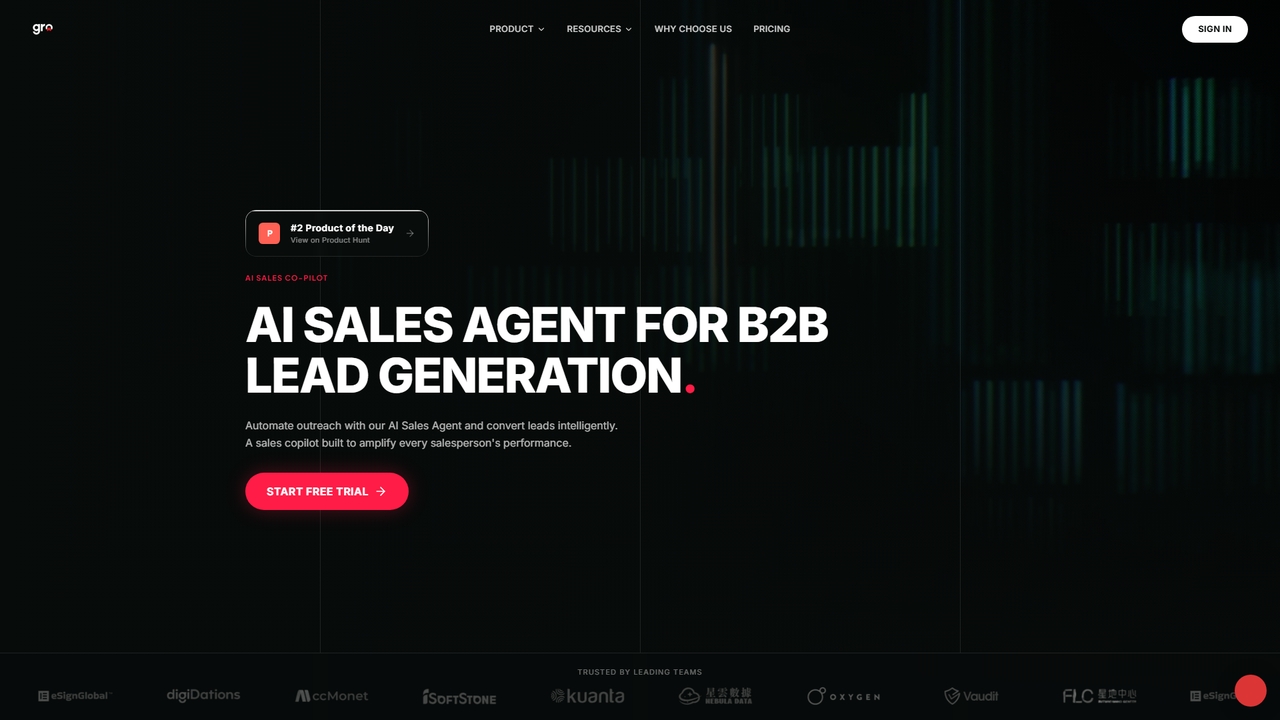
Gro is an AI-powered sales agent and copilot designed for B2B lead generation. It automates LinkedIn outreach, personalizes communication, and uses intent scoring to help sales teams find, engage, and convert high-quality leads more effectively.

Lead Management
Visits 18.4KFavorites 21Likes 28
Airstitch
Freemium

Airstitch

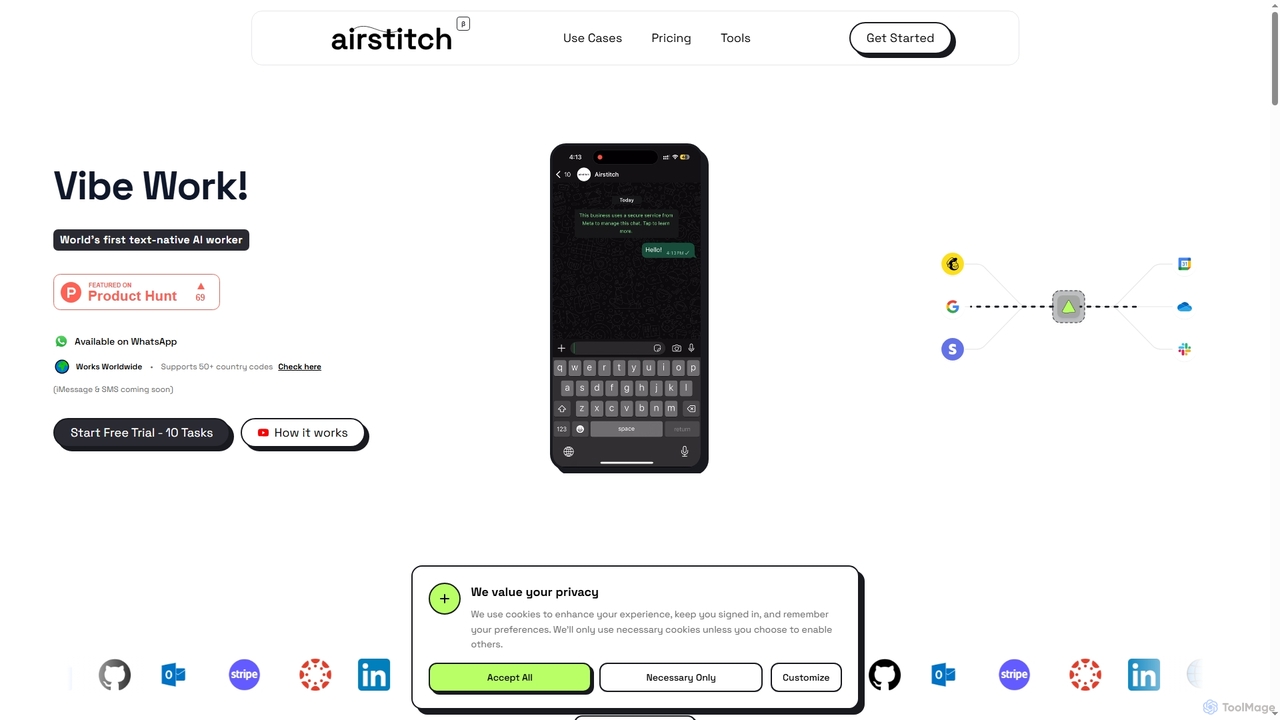
Airstitch is an AI-powered work assistant that automates over 40 hours of operational tasks weekly using natural language commands. It works 24/7, integrating with various apps to streamline workflows, manage communications, analyze data, and handle administrative duties, freeing up human resources for strategic work.

Operations Management
Visits 5.5KFavorites 123Likes 147
epique
Paid

epique

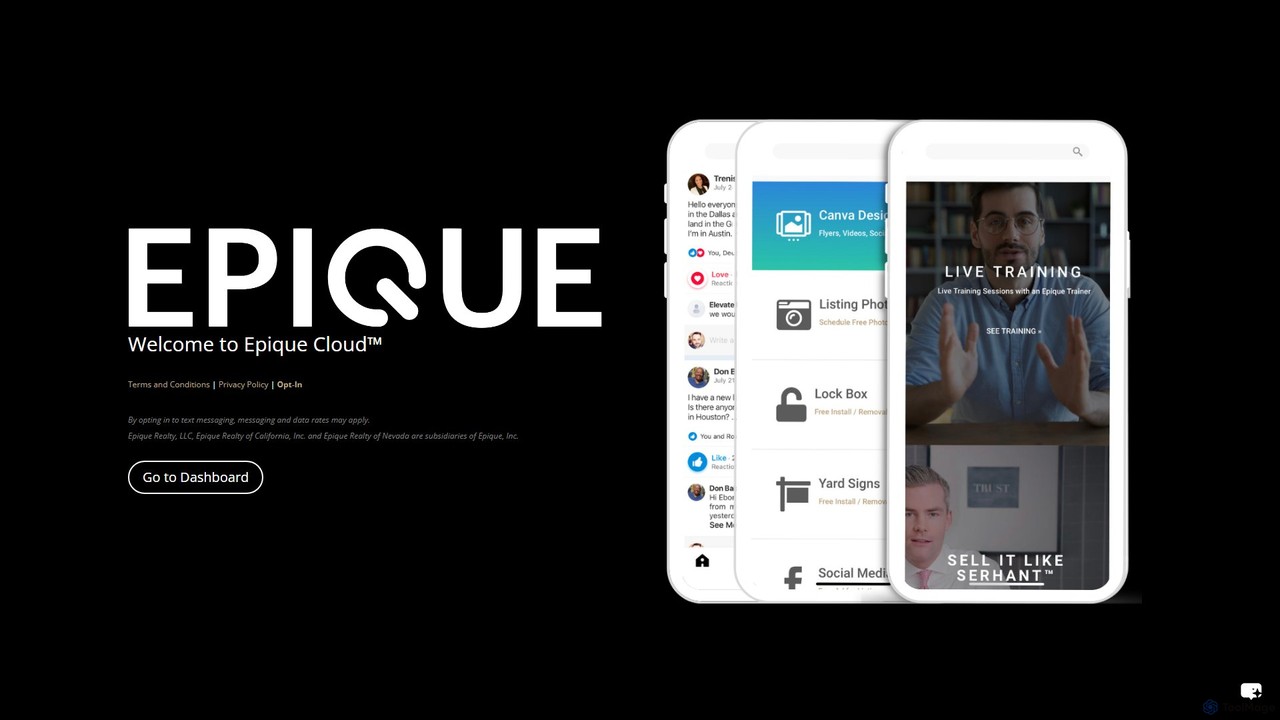
Epique Cloud is an all-in-one, AI-powered real estate platform designed exclusively for Epique Realty agents. It features an AI assistant named Eriq, a comprehensive CRM, marketing automation, and transaction management tools to streamline workflows, enhance client engagement, and boost agent productivity.

Lead Management
Visits 14.2KFavorites 135Likes 134
Edward.ai
Paid

Edward.ai

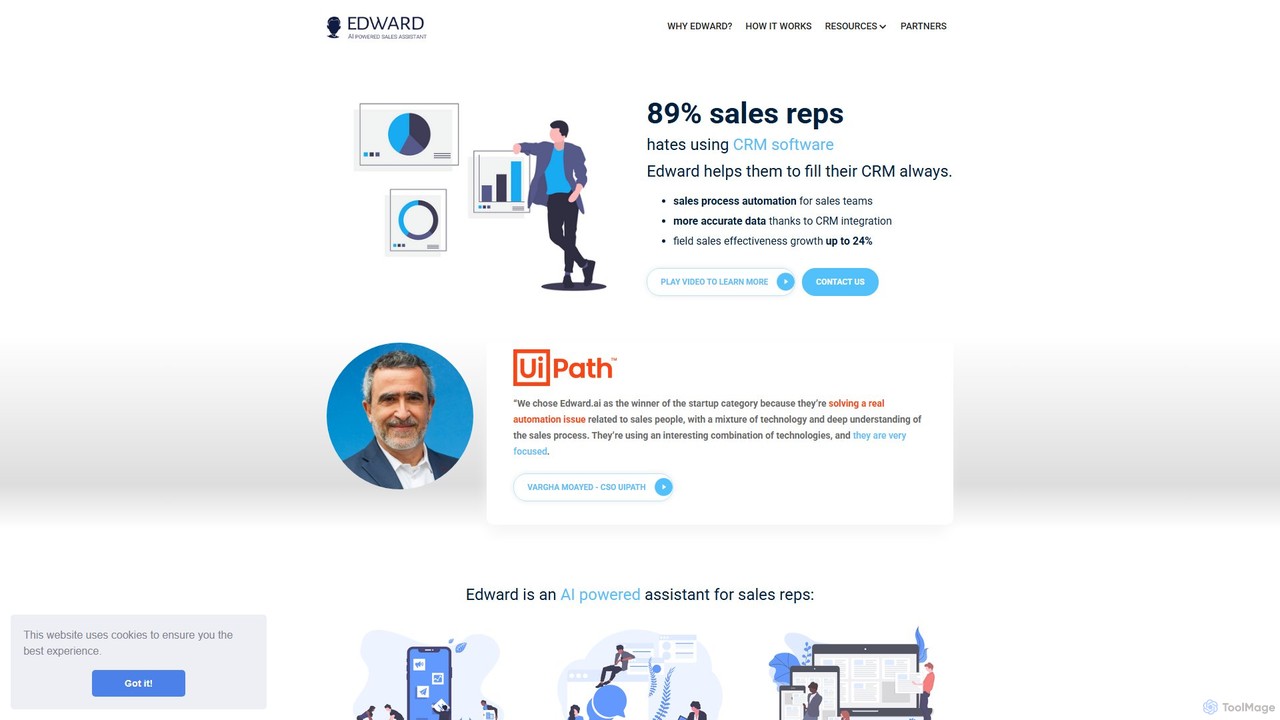
Edward.ai is an AI-powered sales assistant designed for sales representatives and their managers. It automates lead distribution, manages follow-ups, and provides automatic reporting by integrating with your phone, email, calendar, and CRM. This intelligent assistant streamlines sales workflows, boosts team effectiveness, and turns tedious data entry into a simple, interactive conversation.

Lead Management
Visits 6.5KFavorites 128Likes 140

About Lead Management

AI Lead Management tools are specialized platforms designed to automate and optimize the process of capturing, qualifying, and nurturing potential customers. They leverage machine learning to analyze lead behavior, predict conversion likelihood, and prioritize high-value prospects for sales teams. This enables businesses to streamline their sales pipeline, improve follow-up efficiency, and increase conversion rates by focusing efforts on the most promising leads. As a critical component of the sales process, these tools often integrate deeply with or function within a broader CRM system.

Core Features

  • AI-Powered Lead Scoring: Automatically ranks leads based on their engagement, demographic data, and predictive behavioral models.
  • Automated Nurturing Sequences: Delivers personalized email campaigns and content to guide leads through the sales funnel.
  • Intelligent Lead Routing: Assigns leads to the most appropriate sales representative based on territory, expertise, or availability.
  • Automated Data Enrichment: Gathers and appends missing information to lead profiles from public and third-party data sources.
  • Conversion Probability Analysis: Uses AI to forecast which leads are most likely to become paying customers, optimizing sales focus.

Use Cases

These tools are essential for sales and marketing teams in sectors like B2B technology, real estate, financial services, and higher education. They are used to manage high volumes of inbound inquiries from web forms, events, and marketing campaigns, ensuring no potential opportunity is missed and that follow-up is timely and relevant.

How to Choose

When selecting an AI Lead Management tool, consider its integration capabilities with your existing CRM and marketing automation platforms. Evaluate the sophistication and customizability of its lead scoring algorithm. Also, assess the flexibility of its automation rules, the quality of its analytics and reporting, and whether its pricing model aligns with your lead volume and business growth.

Lead Management use cases

1

Automating B2B Lead Qualification

A marketing manager at a SaaS company uses an AI Lead Management tool to handle inbound leads from webinar registrations and content downloads. The tool automatically scores each lead based on their job title, company size, and engagement with the website. Leads scoring above 80 are identified as Marketing Qualified Leads (MQLs), automatically enriched with contact data, and routed directly to the appropriate sales development representative's calendar for a demo booking, reducing response time from hours to minutes.

2

Nurturing Long-Cycle Real Estate Leads

A real estate agency deals with leads who may take months or years to purchase a property. They use an AI lead management system to create automated nurturing sequences. Based on a lead's initial inquiry (e.g., '2-bedroom condo'), the system sends tailored monthly emails with relevant market reports, new listings, and neighborhood guides. If a lead clicks on a specific property type repeatedly, the AI adjusts the content, alerts an agent, and suggests the best time to make a personal call, maximizing engagement without manual tracking.

3

Prioritizing Inquiries for Financial Advisors

A wealth management firm receives hundreds of online inquiries per week. To manage this volume, they employ an AI lead management platform that analyzes form submissions for keywords related to high-net-worth individuals (e.g., 'investment portfolio', 'accredited investor'). The AI scores and segments these leads instantly. High-priority leads are immediately assigned to senior advisors, while lower-priority leads are entered into an educational email nurture track. This ensures top advisors spend their time on the most valuable opportunities.

4

Streamlining Trade Show Lead Follow-up

After a major industry trade show, a sales team has a list of 500 scanned badges. Instead of manual entry, they upload the list to their AI lead management tool. The system automatically enriches each contact with company details and social profiles, scores them based on pre-set criteria (like industry and job title), and triggers a personalized follow-up email campaign. This automates days of manual work, ensuring every lead receives a prompt and relevant follow-up while they are still warm.

5

Optimizing Sales Workload with Intelligent Routing

A national company with sales reps in different regions uses AI lead routing to distribute incoming web leads. The system instantly analyzes a lead's location, industry, and the requested product. It then assigns the lead to the sales rep with the right geographical territory and product expertise who also has the most availability, according to their synced calendar. This ensures balanced workloads, faster response times, and connects prospects with the most qualified person to handle their inquiry from the start.

6

Re-engaging Dormant Leads in the Database

A marketing team wants to reactivate old leads that have gone cold. They use their AI lead management tool to identify a segment of leads that haven't engaged in over six months but fit their ideal customer profile. They launch a targeted re-engagement campaign. The AI monitors email opens, clicks, and subsequent website visits. When a dormant lead shows renewed interest by visiting the pricing page, the system automatically re-scores them, flags them as 'warm', and creates a follow-up task for a sales rep, turning a cold database into a new source of opportunities.

Lead Management FAQ

What is AI Lead Management?

AI Lead Management refers to software that uses artificial intelligence to automate and enhance the process of handling potential customers (leads). Unlike traditional methods, it uses machine learning to score leads based on their likelihood to convert, automates personalized communication for nurturing, and intelligently routes the most promising leads to sales teams. Its primary goal is to improve the efficiency and effectiveness of the top of the sales funnel, ensuring sales reps focus their time on opportunities with the highest potential.

How is Lead Management different from CRM?

Lead Management is a specialized process focused on the top of the sales funnel, from initial lead capture to qualification (when a lead becomes sales-ready). A CRM (Customer Relationship Management) system is a much broader platform designed to manage the entire customer lifecycle, including sales, marketing, and customer service interactions with existing customers. While many CRMs have lead management features, dedicated Lead Management tools offer more advanced, AI-powered capabilities specifically for scoring, nurturing, and routing new prospects before they are handed off to the main sales pipeline within the CRM.

How do I choose the right AI Lead Management tool?

To choose the right tool, consider these factors:

  • Integration: Ensure it seamlessly integrates with your existing CRM, marketing automation software, and email platforms.
  • Scoring Customization: Look for a tool that allows you to customize the lead scoring model based on your specific ideal customer profile and buying signals.
  • Automation Capabilities: Evaluate the flexibility of its workflow builder. Can it handle your complex nurturing and routing rules?
  • Analytics and Reporting: The tool should provide clear insights into lead sources, conversion rates, and campaign performance to help you optimize your strategy.
  • Scalability: Choose a solution that can grow with your business, handling an increasing volume of leads without a significant drop in performance.
What are the key benefits of using AI for lead management?

Using AI in lead management offers several key benefits. First, it leads to higher conversion rates by enabling sales teams to focus on leads that are scientifically scored as most likely to buy. Second, it significantly improves sales productivity by automating repetitive tasks like data entry, lead assignment, and initial follow-ups. Third, it enhances lead quality through data enrichment and predictive analysis, providing sales reps with more context for their conversations. Finally, it provides data-driven insights that help marketing and sales teams continuously refine their strategies for better results.

Who should use Lead Management software?

Lead Management software is most beneficial for businesses that generate a consistent volume of inbound leads and have dedicated sales and marketing teams. This includes:

  • B2B Companies: Especially in tech, SaaS, and manufacturing, where sales cycles are longer and require nurturing.
  • High-Consideration B2C: Industries like real estate, financial services, and education, where customers conduct extensive research before purchasing.
  • Marketing Teams: To qualify and pass high-quality leads to sales, and to measure the ROI of their campaigns.
  • Sales Teams: To prioritize their outreach efforts, automate follow-ups, and spend more time selling to qualified prospects.