Assisty
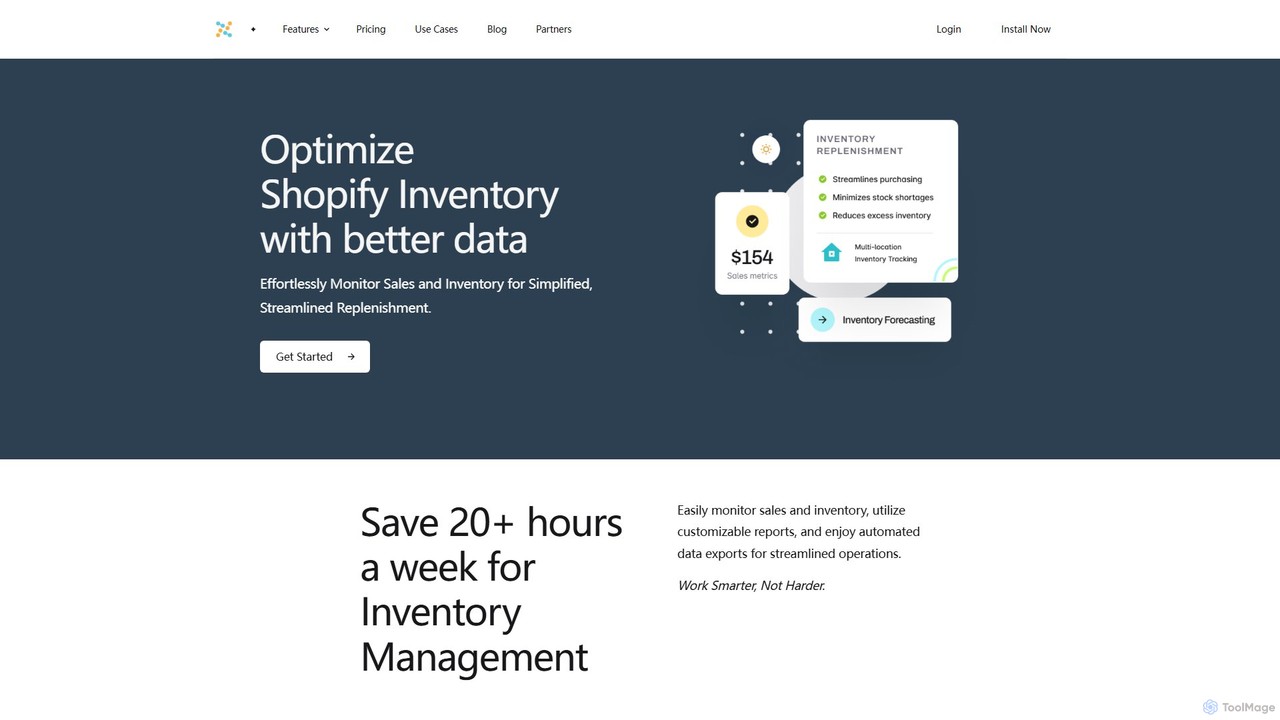
Assisty is an AI-powered inventory management and forecasting application for Shopify merchants. It helps businesses optimize stock levels, …
Assisty is an AI-powered inventory management and forecasting application for Shopify merchants. It helps businesses optimize stock levels, automate replenishment, and make data-driven decisions to prevent stockouts and overstocking, ultimately improving efficiency and profitability.
About Inventory Management
AI Inventory Management tools are a specialized category of software that uses artificial intelligence to automate and optimize stock control for businesses, particularly in e-commerce. These tools leverage machine learning algorithms to analyze historical sales data, market trends, and seasonality to predict future demand with high accuracy. This predictive capability allows businesses to prevent stockouts, reduce carrying costs, and improve overall supply chain efficiency. By automating reordering processes and providing real-time insights, these platforms transform inventory management from a reactive task to a proactive, data-driven strategy.
Core Features
- Predictive Demand Forecasting: Utilizes machine learning to accurately predict future product demand, minimizing overstock and understock situations.
- Automated Reordering: Automatically generates and places purchase orders when stock levels reach predefined thresholds based on forecasts.
- Real-time Inventory Tracking: Provides an up-to-the-minute view of stock levels across multiple warehouses, channels, and locations.
- Stock Anomaly Detection: Identifies unusual patterns in inventory data, such as sudden sales spikes or slow-moving items, for immediate action.
- Supplier Management: Analyzes supplier performance, lead times, and costs to recommend optimal sourcing decisions.
Use Cases
These tools are essential for e-commerce businesses of all sizes, multi-channel retailers, direct-to-consumer (DTC) brands, and manufacturing companies. They are particularly valuable for managing complex inventories with numerous SKUs, fluctuating demand, or multiple sales channels, such as online stores, physical retail, and third-party marketplaces.
How to Choose
When selecting an AI Inventory Management tool, consider its integration capabilities with your existing e-commerce platform (e.g., Shopify, Magento) and ERP systems. Evaluate the accuracy and transparency of its forecasting models. Assess its scalability to handle your business growth, the user-friendliness of its interface, and the depth of its reporting and analytics features.

Inventory ManagementUse Cases
Prevent Stockouts for E-commerce Best-Sellers
An e-commerce manager for a fast-growing online fashion brand uses an AI inventory tool to monitor their top 100 best-selling items. The AI analyzes real-time sales velocity, social media trends, and upcoming holidays to forecast demand spikes. It automatically sets dynamic reorder points for each SKU, ensuring that purchase orders are sent to suppliers well before stock runs critically low. This prevents lost sales due to stockouts during peak shopping seasons like Black Friday, directly increasing revenue and customer satisfaction.
Optimize Stock Levels Across Multiple Retail Channels
A retailer operating both a physical store and an online marketplace shop (like Amazon) uses an AI platform to synchronize inventory. The tool provides a unified view of stock, automatically updating levels across all channels whenever a sale is made. It also analyzes sales data from each channel to recommend optimal stock allocation, suggesting moving more inventory to the warehouse fulfilling Amazon orders if online sales are trending higher. This prevents overselling and ensures capital isn't tied up in slow-moving stock at the wrong location.
Reduce Waste for Perishable Goods
A manager of a specialty food store uses an AI inventory system to manage products with short shelf lives, like artisanal cheeses and fresh produce. The AI model considers factors like weather forecasts (which affect foot traffic), local events, and historical spoilage rates. Based on this, it generates highly accurate daily sales forecasts and recommends precise order quantities. This minimizes over-ordering, significantly reduces food waste and associated costs, and ensures customers always have access to the freshest products.
Automate Raw Material Procurement in Manufacturing
A supply chain planner in a manufacturing firm integrates an AI inventory tool with their production planning software. The AI analyzes the production schedule, historical consumption rates of raw materials, and supplier lead times. It then automatically generates purchase orders for components just in time for production runs. This 'just-in-time' approach minimizes the capital tied up in raw material inventory, reduces warehouse storage costs, and prevents production delays caused by material shortages.
Identify and Manage Slow-Moving or Dead Stock
A category manager for a large online retailer uses the AI tool's anomaly detection feature. The system flags products that have had significantly lower sales than forecasted over the past 90 days, identifying them as 'slow-moving'. It then provides actionable recommendations, such as suggesting a promotional discount, bundling the item with a best-seller, or recommending liquidation to free up warehouse space and capital. This proactive approach prevents inventory from becoming obsolete and turning into a complete loss.
Optimize Inventory for a New Product Launch
A product manager preparing to launch a new electronics gadget uses an AI inventory tool to set initial stock levels. The AI analyzes market data for similar product launches, pre-order numbers, and marketing campaign reach to forecast initial demand across different regions. It recommends a phased inventory distribution plan to avoid concentrating too much stock in one location. As sales data comes in post-launch, the system continuously refines its forecasts, helping the manager adjust production and distribution in near real-time to meet actual market demand.