BaoBrain
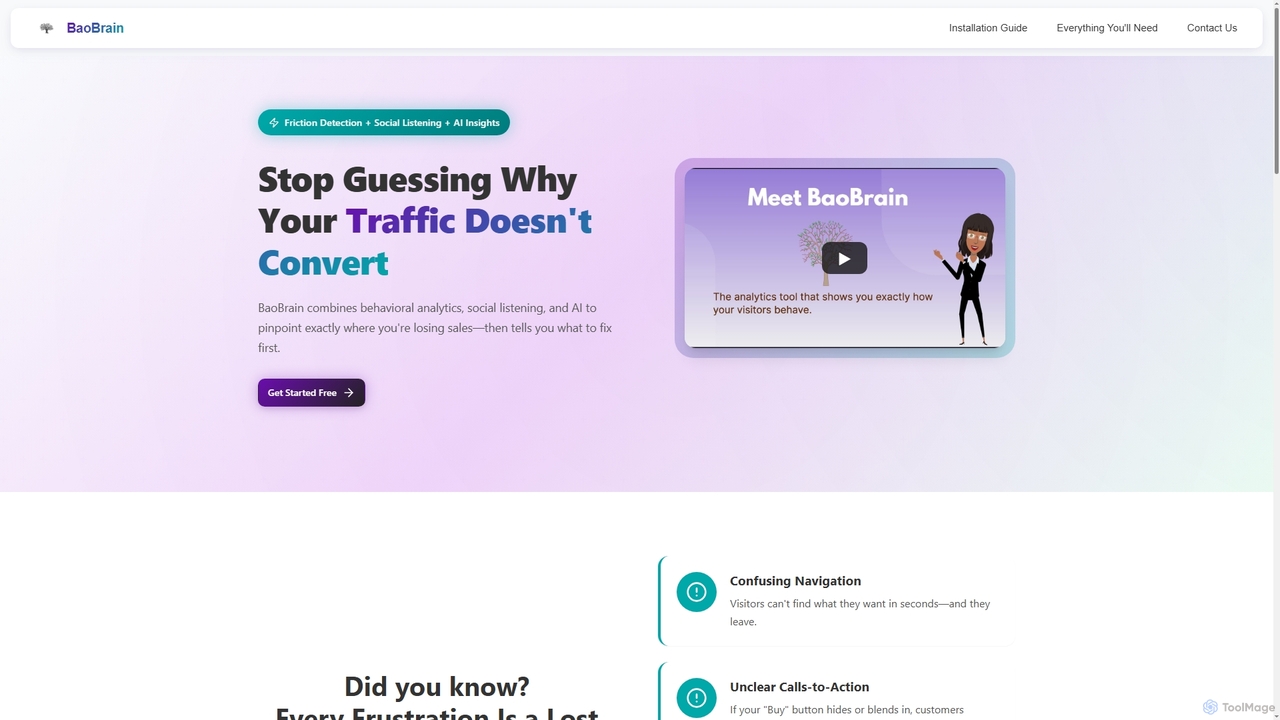
BaoBrain is an AI-powered analytics platform that combines behavioral analytics and social listening to identify friction points on …
BaoBrain is an AI-powered analytics platform that combines behavioral analytics and social listening to identify friction points on e-commerce websites. It pinpoints where visitors get stuck and lose sales, then provides prioritized, actionable recommendations to improve conversion rates and user experience.
EmbedSocial
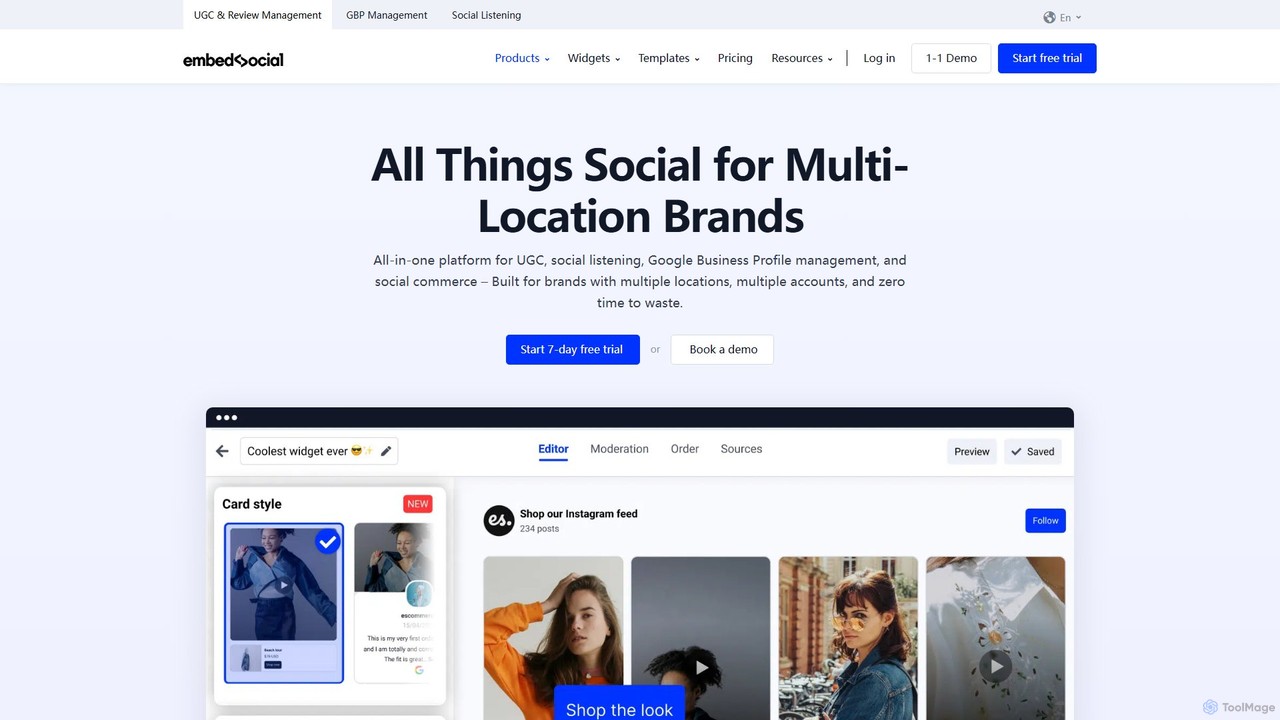
EmbedSocial is an all-in-one User-Generated Content (UGC) platform for multi-location brands and agencies. It automates the collection of …
EmbedSocial is an all-in-one User-Generated Content (UGC) platform for multi-location brands and agencies. It automates the collection of social media content and reviews, provides AI-powered tools for management and responses, and allows you to display stunning, shoppable widgets on your website to boost social proof, engagement, and sales.
Firework
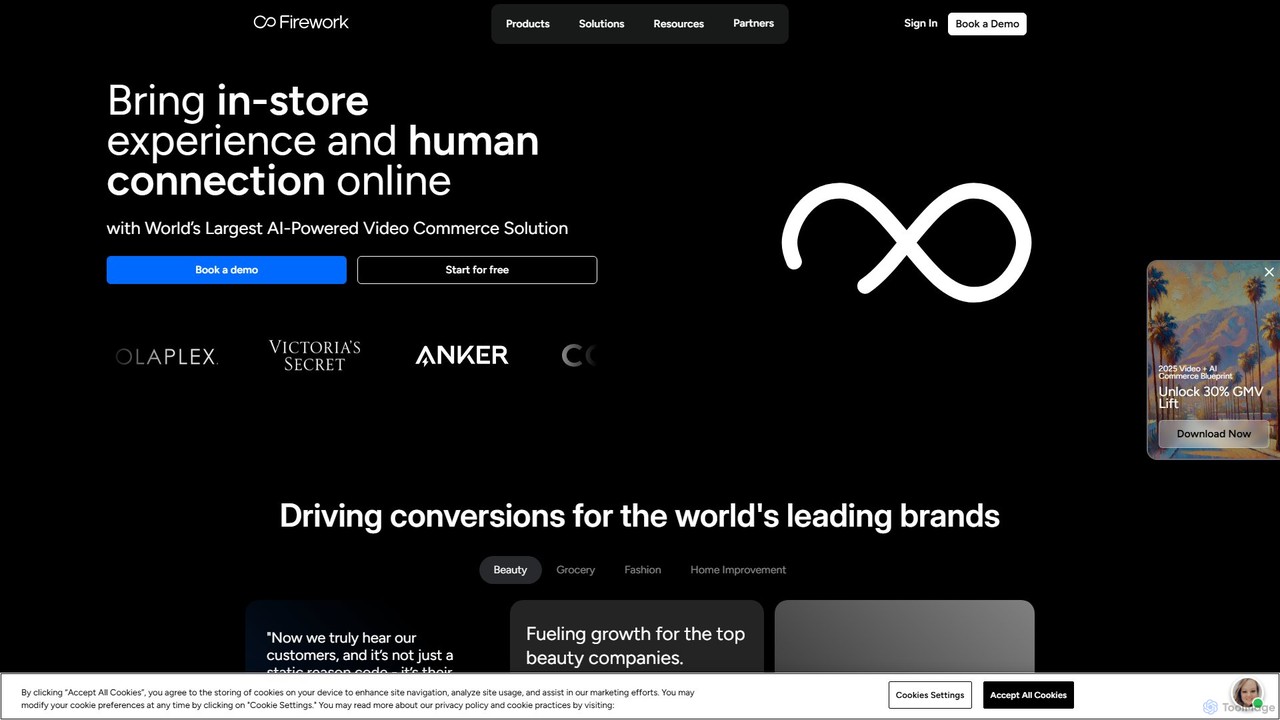
Firework is an AI-powered video commerce platform designed to help brands and retailers increase sales and customer engagement. …
Firework is an AI-powered video commerce platform designed to help brands and retailers increase sales and customer engagement. It enables the creation and distribution of shoppable videos, live streams, and user-generated content across websites, apps, and other digital channels, effectively bringing the in-store experience online.
Prefixbox
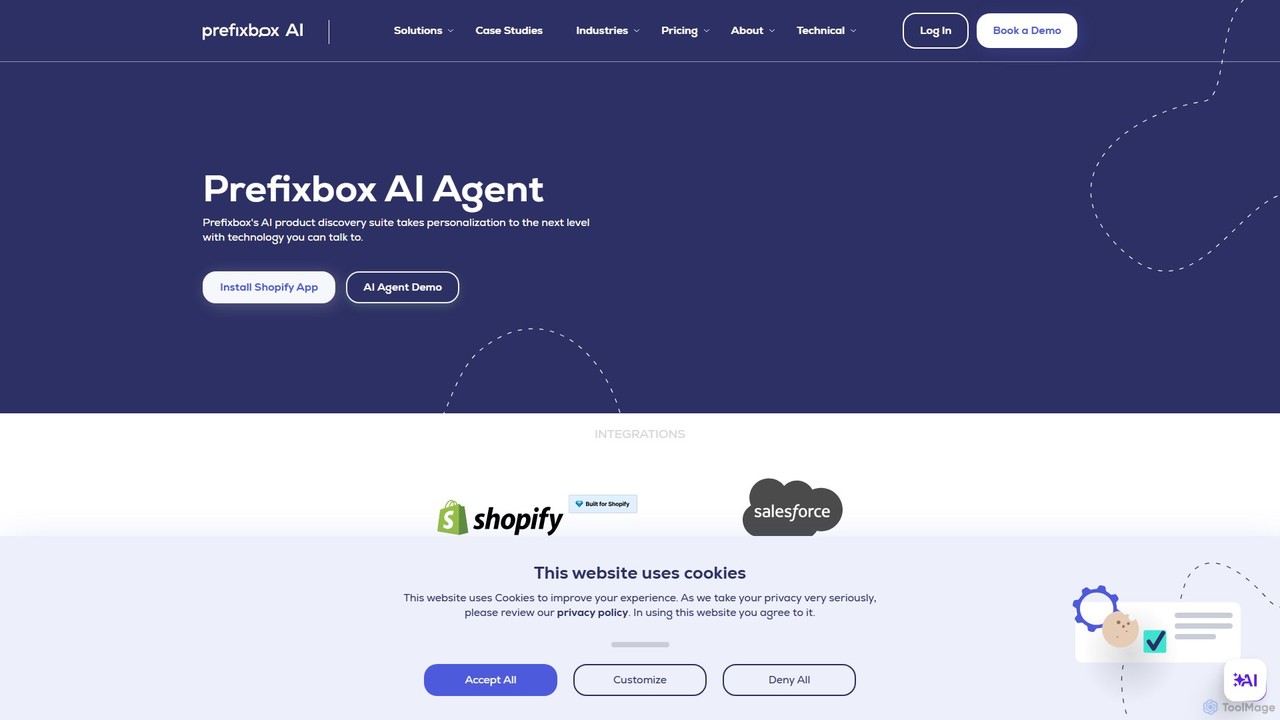
Prefixbox is an AI-powered product search and discovery solution for e-commerce retailers. It enhances on-site search, provides personalized …
Prefixbox is an AI-powered product search and discovery solution for e-commerce retailers. It enhances on-site search, provides personalized recommendations, and optimizes navigation to significantly increase conversion rates, average order value, and overall online revenue.
About Conversion Optimization
Conversion Optimization tools are a specialized class of AI-powered software designed to increase the percentage of website visitors who complete a desired action. These tools leverage machine learning to analyze user behavior, automate A/B testing, and deliver personalized experiences at scale. By identifying friction points in the user journey and testing potential improvements, they help businesses systematically improve key metrics like sales, sign-ups, or lead generation. This data-driven approach moves beyond guesswork, enabling precise enhancements to user interfaces and marketing funnels.
Core Features
- AI-Powered A/B/n Testing: Automatically tests multiple variations of a webpage (headlines, images, CTAs) to identify the highest-performing version.
- Behavioral Analytics: Utilizes heatmaps, scroll maps, and session replays to visualize how users interact with your site and uncover usability issues.
- Personalization Engine: Dynamically adapts website content, product recommendations, and offers for individual users based on their behavior and attributes.
- Intelligent Overlays & Pop-ups: Triggers targeted messages, such as exit-intent pop-ups or promotional banners, at optimal moments to engage users.
- Funnel Analysis: Maps and analyzes user progression through critical steps (e.g., checkout) to pinpoint where they drop off.
Applicable Scenarios
These tools are essential for e-commerce managers, digital marketers, and UX/UI designers in any industry that relies on a website for revenue or leads, such as online retail, SaaS, and financial services. They are used to optimize landing pages for ad campaigns, reduce shopping cart abandonment, and improve the overall user experience to boost customer lifetime value.
Selection Criteria
When choosing a Conversion Optimization tool, consider its integration capabilities with your existing platforms (e.g., Shopify, Google Analytics). Evaluate the breadth of its feature set—whether you need a simple A/B testing tool or a comprehensive suite with personalization. Also, assess the user interface's ease of use, particularly if you have a non-technical team, and review the pricing model to ensure it aligns with your traffic volume and business scale.
Conversion OptimizationUse Cases
Optimizing Product Page Layouts with A/B Testing
An e-commerce manager wants to increase the 'Add to Cart' rate on a key product page. Using an AI conversion optimization tool, they set up an A/B test to compare the current layout against a new version with a larger product image and a more prominent call-to-action button. The tool automatically splits traffic between the two versions and collects data. After a week, the AI analyzes the results, showing that the new layout increased conversions by 12%. The manager can then confidently implement the winning design for all visitors, directly boosting sales.
Reducing Cart Abandonment with Exit-Intent Pop-ups
A marketing specialist notices a high cart abandonment rate during the final checkout step. They use a CRO tool to implement an AI-powered exit-intent pop-up. This pop-up only triggers when a user moves their cursor to exit the page with items in their cart. The AI personalizes the offer, showing a 10% discount to new customers and free shipping to returning ones. This targeted, last-minute incentive successfully recovers a significant portion of potentially lost sales by persuading hesitant buyers to complete their purchase.
Improving Website Navigation with Heatmaps
A UX designer is tasked with improving the site's main navigation menu. By using a CRO tool's heatmap feature, they can visually see which menu items receive the most clicks and which are ignored. The heatmap also reveals that users are frequently clicking on a non-clickable banner, indicating confusion. Based on this data, the designer reorganizes the menu to prioritize popular links and makes the banner clickable, leading to a more intuitive user experience and lower bounce rates as users find what they need more easily.
Personalizing Homepage Offers for Different User Segments
A digital marketer for a SaaS company wants to increase free trial sign-ups. They use a personalization engine to show different homepage headlines to different visitor segments. For traffic coming from a tech blog, the headline emphasizes 'Advanced API Integration'. For visitors from a small business forum, it highlights 'Easy Setup, No Code Required'. This tailored messaging resonates more strongly with each audience, significantly increasing the relevance of the offer and boosting the overall sign-up conversion rate compared to a one-size-fits-all approach.
Identifying Checkout Funnel Bottlenecks with Session Replays
An online store owner is puzzled by a high drop-off rate on the shipping information page. By using the session replay feature, they can watch anonymized recordings of actual user sessions. They discover that many users on mobile devices struggle to fill out the address form because a promotional banner is covering the 'Next' button. After identifying this critical usability issue, they quickly fix the banner's positioning, resulting in a smoother checkout process and a significant decrease in funnel abandonment.
Increasing Lead Generation Form Submissions
A B2B marketer aims to increase demo requests from a landing page. They use a conversion optimization tool to test several elements of their lead form simultaneously. The AI tests different headlines (e.g., 'Get a Free Demo' vs. 'See It in Action'), the number of form fields (5 vs. 3), and the call-to-action button color. The tool's multivariate testing capabilities quickly identify the winning combination: the 'See It in Action' headline, a 3-field form, and a green button, which collectively result in a 25% uplift in form submissions.