Saufter
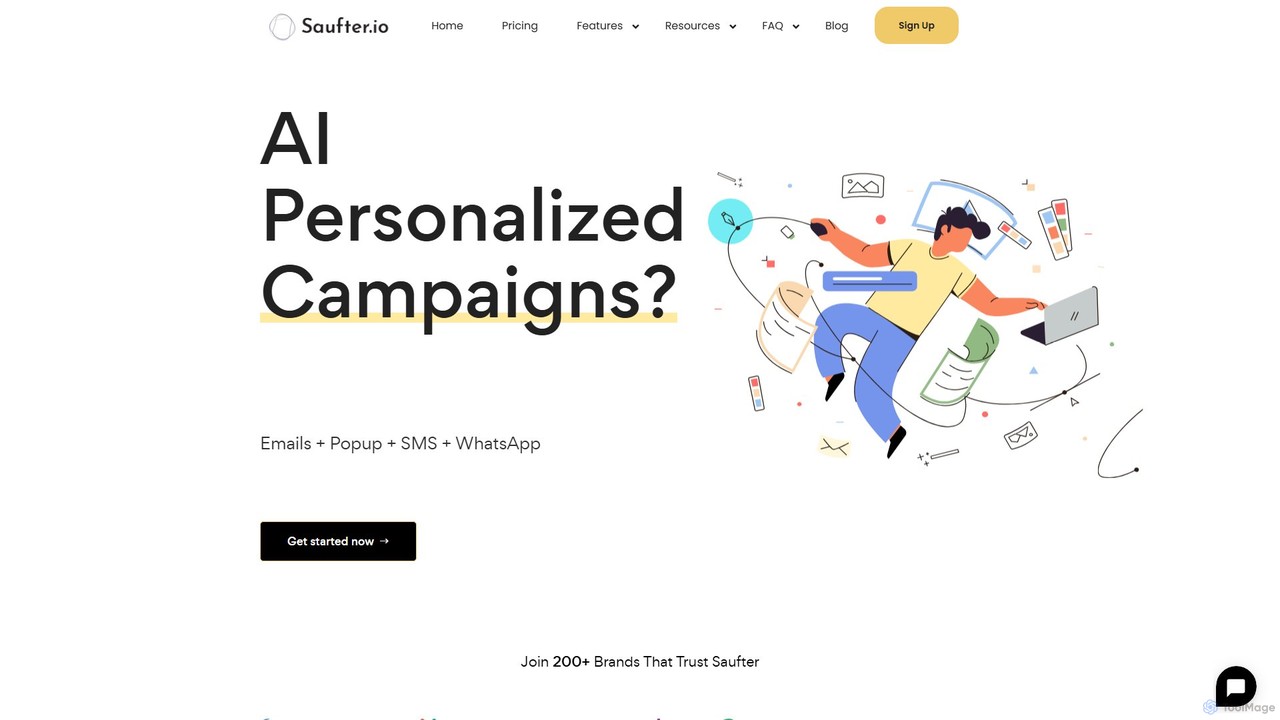
Saufter is an AI-powered behavioral marketing platform designed for e-commerce. It predicts customer interests, purchase intent, and abandonment …
Saufter is an AI-powered behavioral marketing platform designed for e-commerce. It predicts customer interests, purchase intent, and abandonment risk in real-time. Automate hyper-personalized campaigns across email, SMS, WhatsApp, and popups to boost engagement and conversions.
Kodie
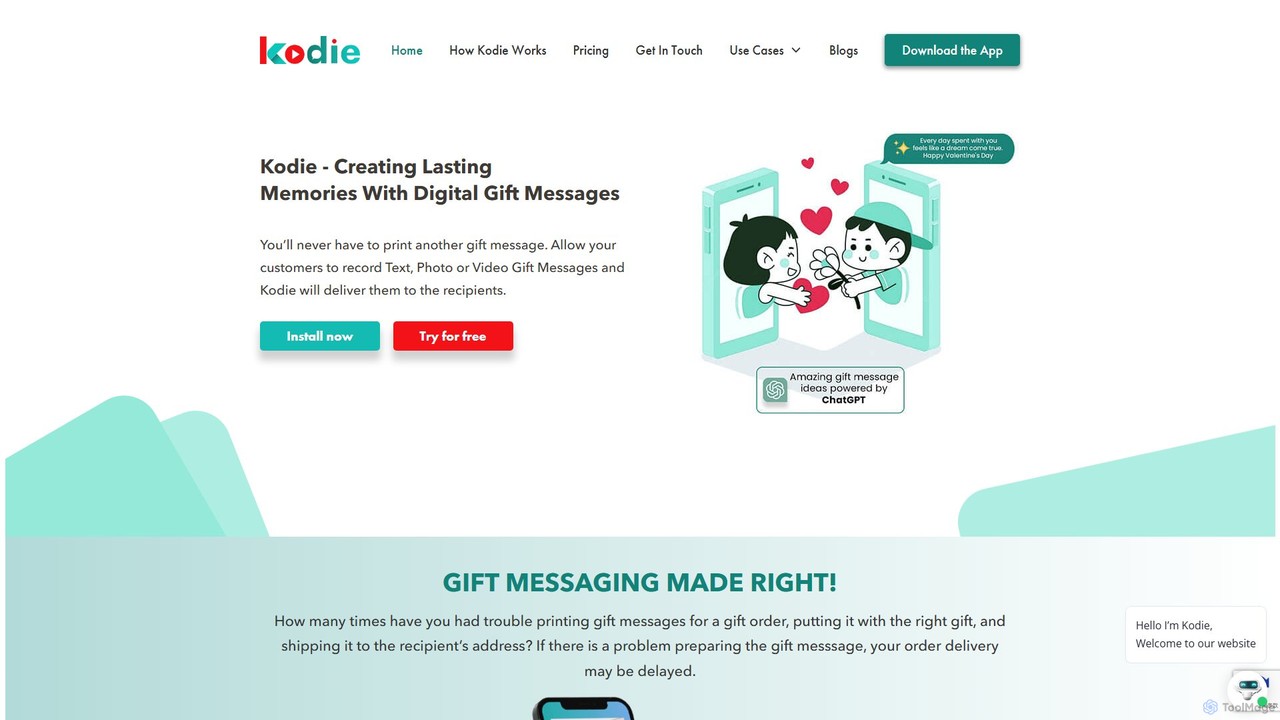
Kodie is a digital gift messaging app for e-commerce businesses, revolutionizing the gifting experience. It allows customers to …
Kodie is a digital gift messaging app for e-commerce businesses, revolutionizing the gifting experience. It allows customers to send personalized text, photo, or video messages with their online gift orders. The app eliminates the need for printed notes by digitally delivering the message to the recipient upon the gift's arrival. This enhances customer engagement, builds brand loyalty, and provides valuable marketing opportunities through post-purchase interaction and analytics, helping businesses grow in the expanding online gifting market.
PegasusUGC
PegasusUGC is an AI-powered platform designed to help brands discover, manage, and leverage user-generated content (UGC). It automates …
PegasusUGC is an AI-powered platform designed to help brands discover, manage, and leverage user-generated content (UGC). It automates the process of sourcing authentic content from social media, securing usage rights, and deploying it across marketing channels to boost social proof and engagement.
About Customer Engagement
Customer Engagement AI tools are a category of AI-powered solutions designed to enhance interactions and build stronger relationships with customers across various digital touchpoints, particularly within the e-commerce ecosystem. These tools leverage advanced natural language processing (NLP), machine learning, and automation to personalize communication, provide instant support, and gather valuable insights. By proactively engaging customers and tailoring experiences, they significantly improve satisfaction, drive loyalty, and optimize conversion rates for online businesses.
Core Features
- Personalized Communication: Delivers tailored messages, product recommendations, and offers based on individual customer behavior and preferences.
- Automated Customer Support: Utilizes AI chatbots and virtual assistants to provide instant, 24/7 responses to common queries and support requests.
- Sentiment Analysis: Analyzes customer interactions to understand emotions and intent, enabling more empathetic and effective responses.
- Proactive Engagement Triggers: Automatically initiates communication based on specific customer actions or inactions, such as cart abandonment or browsing patterns.
- Feedback Collection & Analysis: Gathers and processes customer feedback from multiple channels to identify trends and areas for improvement.
Applicable Scenarios
E-commerce businesses utilize these tools to reduce cart abandonment by sending timely reminders and offers. Online retailers personalize the shopping journey from discovery to post-purchase support, enhancing customer satisfaction. Customer service teams scale their operations by automating routine inquiries, freeing agents to focus on complex issues and high-value interactions.
How to Choose
When selecting Customer Engagement AI tools, consider their integration capabilities with existing CRM and e-commerce platforms for seamless data flow. Evaluate the sophistication of the AI, including NLP accuracy, depth of personalization, and sentiment analysis features. Assess scalability to ensure the tool can handle growing customer volumes and the flexibility for customization to align with your brand's unique voice and workflows.
Customer EngagementUse Cases
Provide Instant 24/7 Customer Support with AI Chatbots
An e-commerce retailer deploys an AI chatbot on their website and messaging apps to handle common customer inquiries around the clock. The chatbot answers questions about order status, product details, shipping policies, and returns, significantly reducing the workload on human support agents and ensuring customers receive immediate assistance, even outside business hours. This improves customer satisfaction and frees up staff for complex issues.
Automated Pre-sales Inquiry Handling
E-commerce visitors often have questions about products, shipping, or policies. AI chatbots on product pages or live chat widgets can instantly answer common pre-sales inquiries, guiding customers through their purchase journey and reducing the workload on human sales teams. This ensures quick information access, preventing potential customers from leaving due to unanswered questions.
Drive Sales with AI-Powered Personalized Product Recommendations
An online fashion store uses AI to analyze a customer's browsing history, past purchases, and demographic data to generate highly personalized product recommendations. These suggestions appear on the homepage, product pages, and in targeted email campaigns. By showing customers items they are more likely to buy, the store sees an increase in average order value and conversion rates, enhancing the overall shopping experience.
Personalized Product Recommendations
AI analyzes a customer's browsing history, past purchases, and real-time behavior to deliver highly relevant product recommendations. This can be implemented on product pages, in email campaigns, or through personalized pop-ups, significantly increasing the likelihood of conversion and average order value by showing customers exactly what they are likely to want.
Proactively Resolve Customer Issues Using Sentiment Analysis
A subscription box service utilizes AI sentiment analysis to monitor customer reviews, social media mentions, and support ticket conversations. The AI identifies negative sentiment or emerging issues (e.g., delays, product quality concerns) in real-time. This allows the customer service team to proactively reach out to affected customers, offer solutions, and prevent potential churn before problems escalate, demonstrating attentive service.
Proactive Cart Abandonment Recovery
When a customer adds items to their cart but doesn't complete the purchase, AI tools can automatically trigger personalized follow-up messages via email or SMS. These messages might include reminders, special offers, or assistance, effectively re-engaging potential buyers and recovering lost sales opportunities for e-commerce stores.
Automate Post-Purchase Engagement and Feedback Collection
After a customer makes a purchase, an AI engagement platform automatically sends a series of personalized follow-up emails. These emails might include order confirmation, shipping updates, product usage tips, and a request for feedback or a review. This automated sequence keeps customers informed, encourages product adoption, and gathers valuable insights, all while maintaining a consistent brand voice without manual intervention.
Post-purchase Support & Upselling
After a purchase, AI can provide automated order updates, track shipping, and handle basic return/exchange queries. It can also intelligently suggest complementary products or accessories based on the customer's recent purchase, enhancing the post-purchase experience and driving repeat business and additional revenue.
Identify and Retain At-Risk Customers with Predictive AI
An online service provider employs AI to analyze customer usage patterns, engagement metrics, and historical data to predict which customers are likely to churn. The AI flags these "at-risk" customers, allowing the retention team to launch targeted campaigns, such as offering personalized discounts, exclusive content, or direct outreach from a success manager. This proactive approach significantly reduces customer attrition rates.
Sentiment-driven Customer Service Routing
AI analyzes the sentiment of incoming customer messages (e.g., from chat, email, social media). Urgent or negative sentiments are automatically identified and prioritized, then routed to the most appropriate human agent for immediate attention. This ensures critical issues are addressed quickly, improving customer satisfaction and preventing escalation.
Deliver Personalized Onboarding Experiences for New Users
A SaaS platform uses AI to tailor the onboarding journey for new users based on their stated goals, industry, and initial interactions with the product. The AI guides users through relevant features, provides customized tutorials, and sends timely tips via in-app messages or email. This personalized approach ensures new users quickly understand the value of the product, leading to higher activation rates and long-term engagement.
Targeted Loyalty Program Engagement
AI identifies high-value customers or those at risk of churn within a loyalty program. It then delivers personalized rewards, exclusive offers, or tailored content to reinforce their loyalty and encourage continued engagement. This strategic approach helps retain valuable customers and maximizes their lifetime value for the business.