Ecommerce Best in category 2 results Customer Retention AI Tool

Popular AI tools in the Customer Retention field of Ecommerce include BirdseyePost、purplepro, etc., helping you quickly improve efficiency.

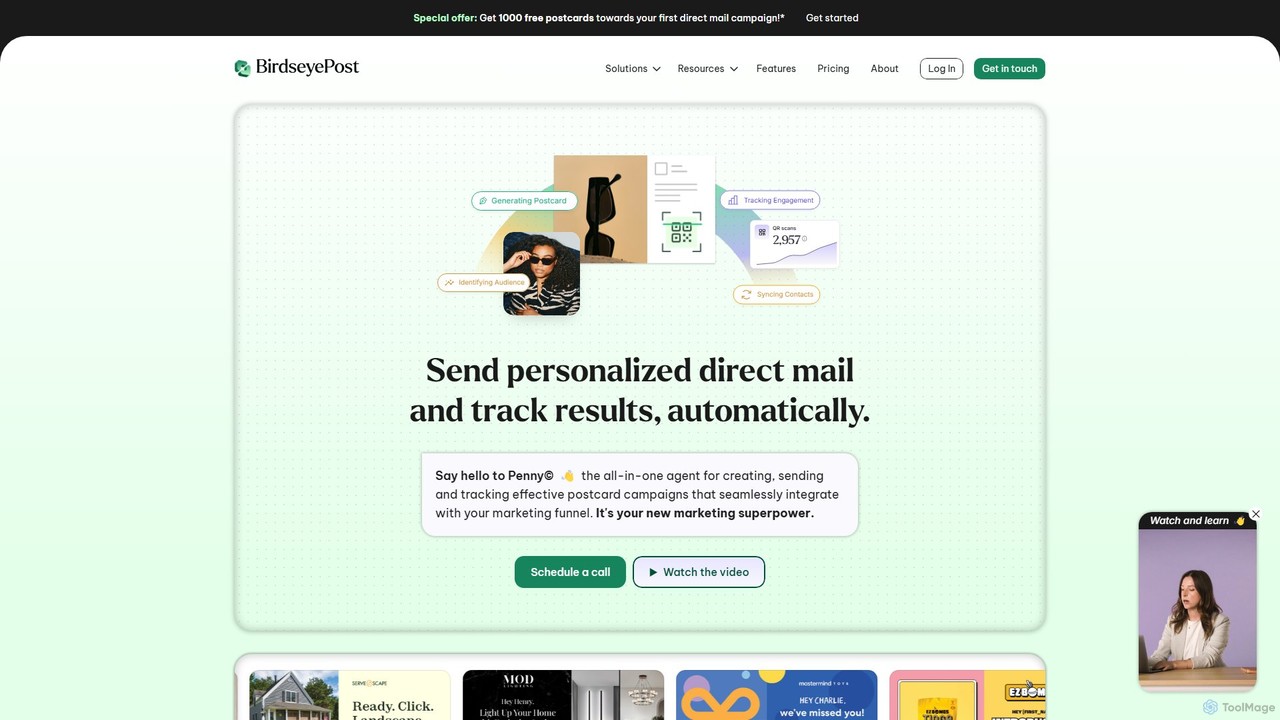
BirdseyePost

BirdseyePost

BirdseyePost is an AI-powered, all-in-one platform that modernizes direct mail marketing. It enables businesses to create, automate, personalize, …

8.7K
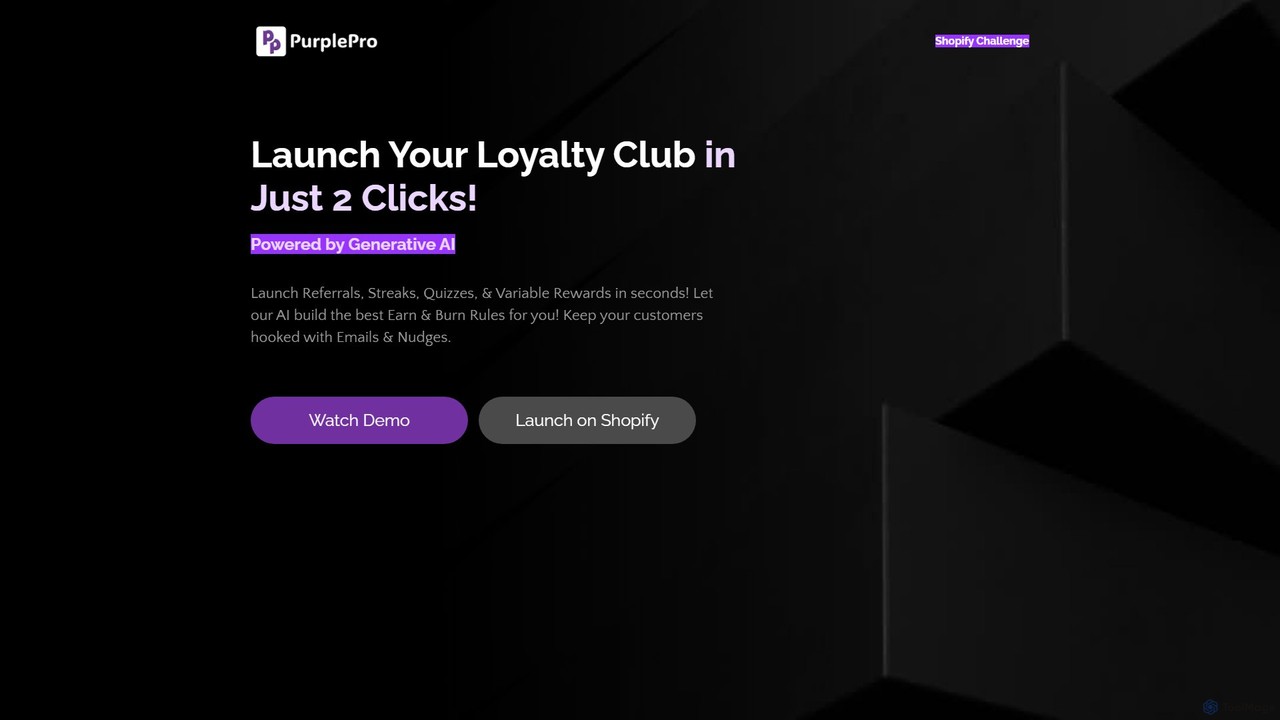
purplepro

purplepro

PurplePro is an AI-powered loyalty and rewards platform designed for D2C and Shopify brands. It enables businesses to …

2.8K

About Customer Retention

AI Customer Retention tools are a specialized category of software designed to analyze customer data, predict behavior, and automate strategies to increase loyalty and reduce churn. These tools leverage machine learning to identify at-risk customers, personalize communications, and optimize engagement campaigns. By focusing on the post-purchase journey, they help ecommerce businesses maximize customer lifetime value (CLV) and foster long-term relationships. This proactive approach turns one-time buyers into repeat, loyal customers.

Core Features

  • Predictive Churn Analysis: Uses AI to identify customers who are likely to stop purchasing based on their behavior and transaction history.
  • Automated Engagement Workflows: Creates and deploys personalized email, SMS, and push notification campaigns to re-engage customers at critical moments.
  • Dynamic Customer Segmentation: Automatically groups customers into segments based on factors like purchase frequency, average order value, and engagement level.
  • Loyalty Program Management: Manages points, rewards, and tiered membership systems to incentivize repeat purchases and build brand affinity.
  • A/B Testing for Retention: Allows businesses to test different offers, messages, and timing to find the most effective retention tactics.

Use Cases

These tools are essential for direct-to-consumer (DTC) brands, subscription-based services, and online retailers of all sizes. For example, an ecommerce manager can use them to automate 'win-back' campaigns for inactive shoppers, while a subscription service can predict and prevent cancellations by offering timely incentives to at-risk subscribers.

How to Choose

When selecting an AI Customer Retention tool, consider its integration capabilities with your existing ecommerce platform (like Shopify or Magento) and CRM. Evaluate the sophistication of its predictive analytics, the flexibility of its automation builder, and the depth of its reporting features. Also, assess the pricing model to ensure it aligns with your business scale and growth projections.

Customer RetentionUse Cases

1

Automating 'Win-Back' Campaigns for Inactive Customers

An ecommerce marketing manager for a fashion brand notices a significant portion of customers do not return after their first purchase. They use an AI Customer Retention tool to set up an automated workflow. The tool identifies customers who haven't made a purchase in over 90 days and automatically sends them a personalized email series. The first email highlights new arrivals, followed by a small discount offer a week later. This targeted, automated approach successfully re-engages a percentage of these customers, boosting revenue without manual effort.

2

Predicting and Preventing Subscription Churn

A SaaS company offering a monthly subscription service uses an AI retention tool to monitor user engagement. The tool's algorithm analyzes metrics like login frequency, feature usage, and support ticket history. It assigns a 'churn risk score' to each user. When a user's score crosses a certain threshold, the system automatically triggers a retention action, such as sending an email with helpful tips for underused features or offering a one-on-one demo with a product specialist. This proactive intervention helps reduce monthly churn rates and improves customer satisfaction.

3

Implementing a Dynamic Tiered Loyalty Program

An online cosmetics retailer wants to reward its most loyal customers. They use a retention platform to create a tiered loyalty program (e.g., Bronze, Silver, Gold). The tool automatically tracks customer spending and points accumulation. When a customer's spending reaches a new tier threshold, the system automatically upgrades them, unlocks new perks like free shipping or exclusive access to products, and sends a congratulatory email. This gamified approach encourages higher spending and makes customers feel valued, significantly increasing repeat purchase rates.

4

Personalizing Post-Purchase Follow-ups

A company selling specialty coffee beans uses an AI retention tool to enhance the post-purchase experience. After a customer buys a specific type of bean (e.g., Ethiopian Yirgacheffe), the system waits five days and then automatically sends an email. This email isn't just a generic 'thank you'; it includes brewing tips specific to that bean, a short story about the farm it came from, and a link to a complementary product like a pour-over coffee maker. This highly relevant content adds value beyond the product itself, strengthening the customer's connection to the brand.

5

Segmenting Customers for Targeted Promotions

A large online electronics store uses an AI retention tool to segment its vast customer base. The AI automatically creates segments like 'High-Value Tech Enthusiasts' (frequent buyers of new gadgets), 'Bargain Hunters' (customers who primarily buy on sale), and 'One-Time Buyers' (purchased once and never returned). The marketing team can then run highly targeted campaigns. For example, they send early access notifications for new products to the enthusiasts, and special discount codes to the bargain hunters, significantly improving campaign conversion rates and ROI compared to generic email blasts.

6

Gathering and Acting on Customer Feedback

An online furniture store automates its feedback collection process using a retention tool. Two weeks after an order is delivered, the system sends an automated email asking the customer to rate their experience and product quality. The tool uses AI to analyze the text responses. Positive reviews are flagged for the marketing team to use as testimonials. Negative feedback automatically creates a support ticket and assigns it to a customer service agent for immediate follow-up. This closed-loop system ensures issues are resolved quickly, turning potentially negative experiences into opportunities for demonstrating excellent service.

Customer RetentionFrequently Asked Questions