Marsello
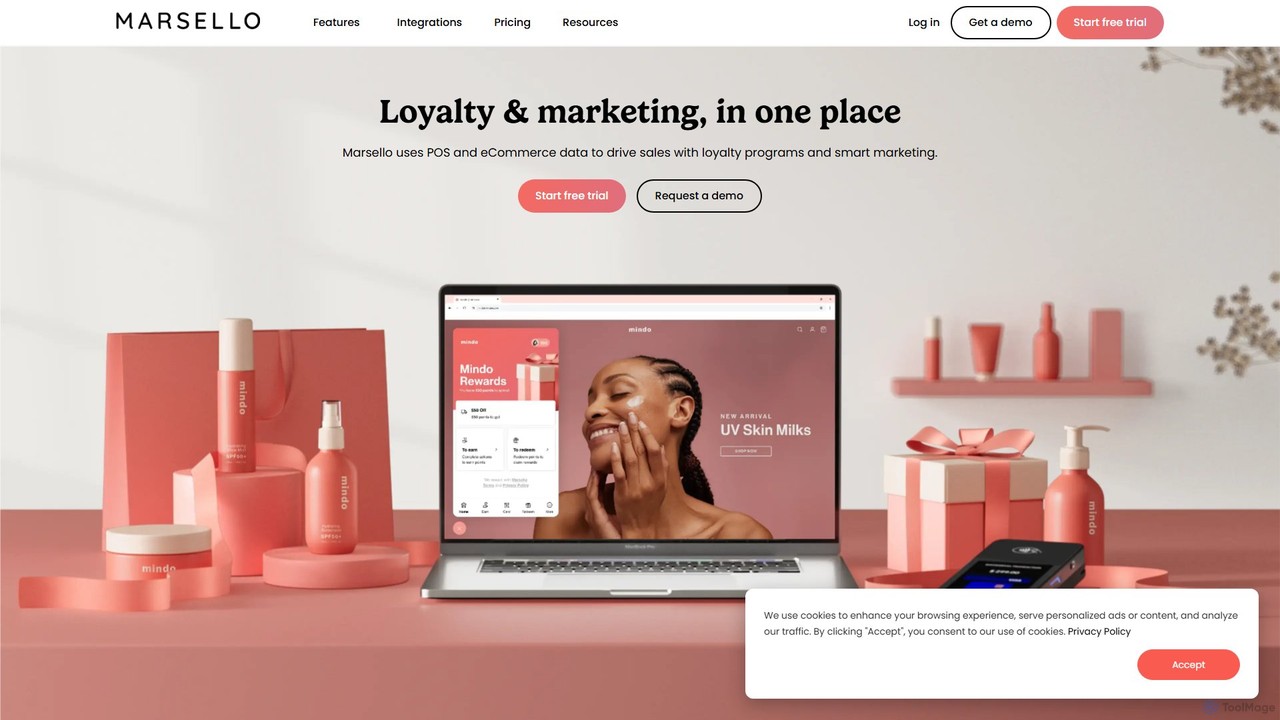
Marsello is an all-in-one loyalty and marketing automation platform for omnichannel retailers. It uses customer data from POS …
Marsello is an all-in-one loyalty and marketing automation platform for omnichannel retailers. It uses customer data from POS and eCommerce systems to create personalized loyalty programs, targeted email and SMS campaigns, and automated marketing flows to increase customer retention and drive repeat sales.
purplepro
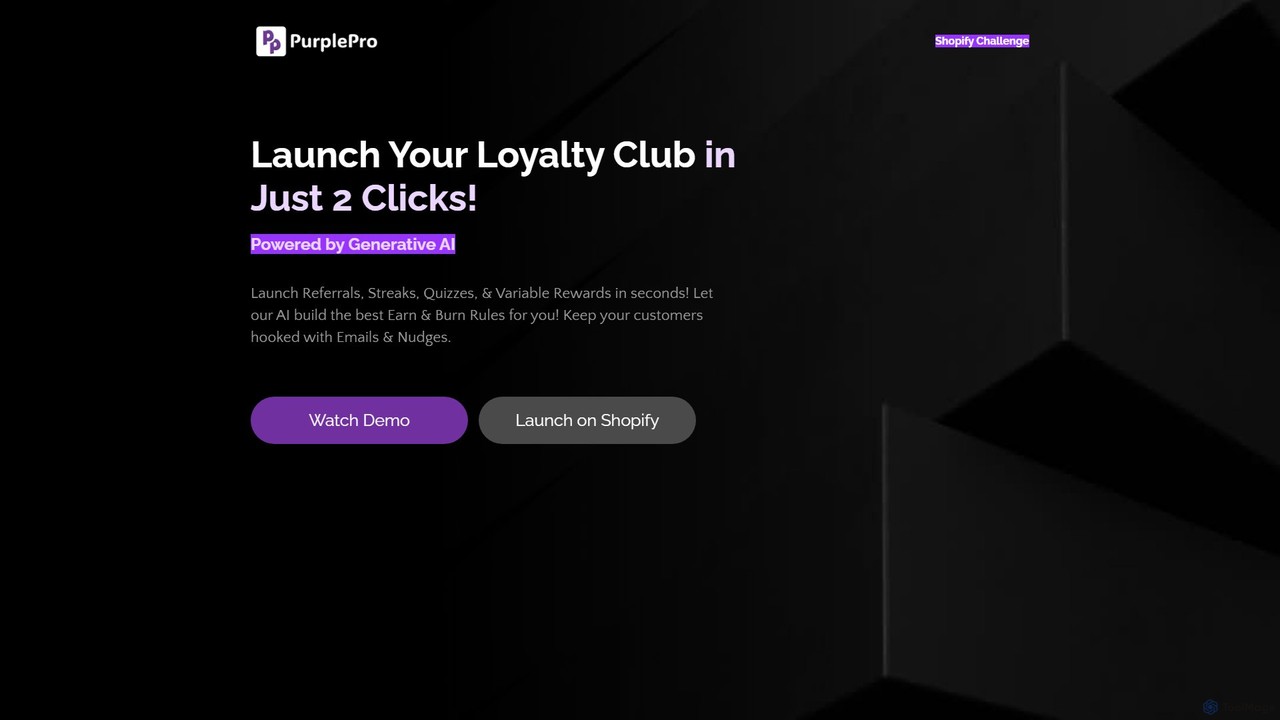
PurplePro is an AI-powered loyalty and rewards platform designed for D2C and Shopify brands. It enables businesses to …
PurplePro is an AI-powered loyalty and rewards platform designed for D2C and Shopify brands. It enables businesses to launch comprehensive loyalty programs in just two clicks, featuring gamified elements like referrals, streaks, quizzes, and variable rewards to significantly boost customer engagement and retention.
About Loyalty & Rewards
AI Loyalty & Rewards tools are platforms that use artificial intelligence to create, manage, and optimize customer retention programs. They leverage machine learning to analyze customer data, predict behavior, and deliver personalized incentives at scale. This data-driven approach helps businesses move beyond generic points systems to build deeper customer relationships, increasing engagement and lifetime value. As a specialized area within Marketing, these tools focus specifically on fostering long-term loyalty through intelligent automation.
Core Features
- Personalized Reward Engine: AI analyzes individual behavior to suggest and deliver relevant discounts, products, or experiences.
- Churn Prediction: Machine learning models identify at-risk customers and can trigger automated retention campaigns.
- Dynamic Tier Management: Automatically adjusts a customer's loyalty status and benefits based on real-time engagement and spending patterns.
- Behavioral Segmentation: Groups customers based on complex patterns, enabling highly targeted and effective promotions.
- Gamification Automation: Creates and manages AI-driven challenges, badges, and milestones to boost user engagement.
Use Cases
These tools are highly effective in industries with frequent customer interactions, such as e-commerce, retail, hospitality, SaaS, and mobile apps. For instance, an online store can use them to offer a unique discount to a high-value customer showing signs of lapsing, while a coffee shop's app can automatically reward regulars with their favorite drink after a certain number of purchases.
How to Choose
When selecting a tool, prioritize its integration capabilities with your existing CRM, POS, and e-commerce platforms. Evaluate the sophistication of its AI models for personalization and prediction. Also, consider the clarity of its analytics dashboard for measuring ROI and the scalability of its pricing model to support your business growth.

Loyalty & RewardsUse Cases
Personalizing E-commerce Retention Offers
An online fashion retailer wants to increase repeat purchases from high-value customers. By integrating an AI Loyalty & Rewards tool with their e-commerce platform, the system analyzes individual purchase histories and browsing patterns. For a customer who frequently buys premium dresses, the AI automatically generates a unique reward: early access to a new designer collection and a 15% discount on their next dress purchase. This personalized offer, delivered via email, feels exclusive and relevant, significantly increasing the likelihood of a repeat purchase compared to a generic site-wide sale.
Predicting and Preventing SaaS Customer Churn
A B2B SaaS company needs to reduce its monthly churn rate. Their AI rewards platform monitors user engagement metrics like login frequency, feature usage, and support ticket submissions. The AI model identifies a user account whose activity has dropped by 50% in the last two weeks, flagging them as high-risk for churn. The system automatically triggers a workflow: it enrolls the user in a 'Power User' rewards track, sends them an email with tips on underutilized features relevant to their role, and offers a one-on-one session with a customer success manager, proactively preventing churn before the user decides to cancel.
Dynamic Rewards for a Coffee Shop App
A local coffee shop chain uses a mobile app for its loyalty program. Instead of a simple 'buy 10, get 1 free' system, they use an AI tool to create dynamic challenges. The AI analyzes a customer's order history and notices they always buy a latte on Monday mornings. It creates a personalized challenge: 'Buy a latte every Monday for a month and get a free pastry of your choice.' For another customer who buys coffee sporadically, the AI might offer a 'Visit us 3 times this week to unlock a 50% discount' reward. This level of personalization makes the rewards feel more attainable and relevant, driving more frequent visits.
Automating Tier Upgrades in a Hotel Loyalty Program
A hotel chain wants to make its loyalty tier system more engaging. Their AI platform continuously monitors guest stays, spending on amenities, and positive reviews. When a 'Silver' member's total spending and stay frequency cross a dynamically calculated threshold, the system automatically upgrades them to 'Gold' status mid-year, instead of waiting for an annual review. An automated email is sent instantly, congratulating them on the upgrade and highlighting their new benefits, like complimentary breakfast and room upgrades. This immediate recognition reinforces their loyalty and encourages them to book their next stay sooner.
Gamifying User Onboarding for a Mobile App
A productivity app struggles with new user retention; many users drop off after the first day. They implement an AI-powered gamified onboarding process. The system creates a series of small, rewarding challenges for new users, such as 'Create your first task,' 'Set a reminder,' and 'Invite a team member.' The AI adjusts the difficulty and type of challenge based on the user's initial actions. Completing each challenge unlocks points and virtual badges. This guided, rewarding experience teaches users the app's core value quickly and makes the learning process engaging, significantly improving the 7-day retention rate.
Segmenting Customers for a Targeted Retail Campaign
A large retail chain wants to run a highly effective promotional campaign. Instead of sending the same offer to all loyalty members, their AI tool segments the customer base. It identifies a group of 'Weekend Shoppers' who primarily buy home goods. It also finds a 'High-Margin Fashion' segment that buys designer clothing but rarely on sale. The AI then helps craft two distinct campaigns: a '20% off all home goods this weekend' offer for the first group, and an 'Exclusive preview of the new collection' for the second. This targeted approach maximizes relevance, leading to higher conversion rates and better ROI than a one-size-fits-all promotion.